 On the fast highway, the dashboard is the lifeline for drivers to communicate with their vehicles. A misreading of the fuel gauge could leave a driver stranded on the highway at night, and a delayed speed display could lead to a fatal accident. Testing automotive instruments is the technical line of defense that safeguards safety and trust in this small space.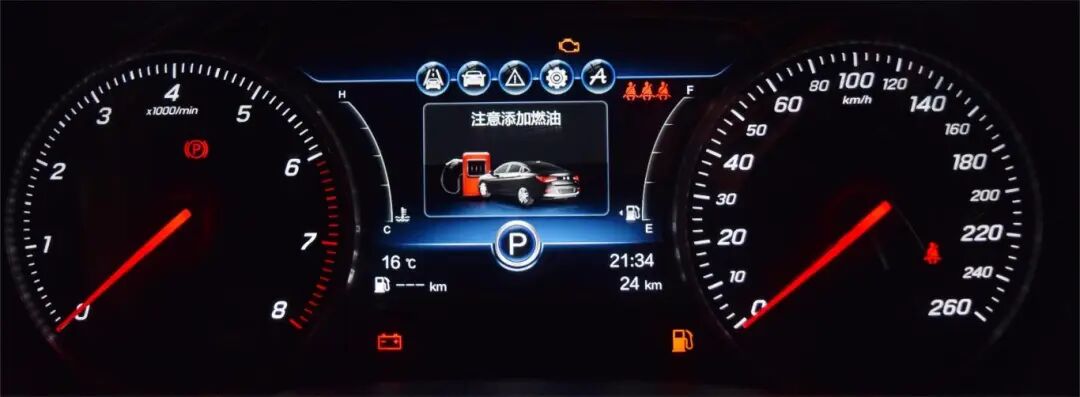

 01Core Function Module Deep Testing Cases1. Fuel Level Indication System – The Precise Art Behind the Numbers1) Boundary Value Testing: Simulate the resistance values of the fuel level sensor from full scale (e.g., 0Ω) to empty scale (e.g., 90Ω), verifying the accuracy of the instrument’s switching between the “F”, “3/4”, “1/2”, “1/4”, and “E” ranges (e.g., inputting a resistance of 45Ω corresponding to 1/2 fuel level should result in a stable display of 1/2).2) Fault Injection Testing: Simulate sensor open circuit (infinite resistance) and short circuit (0Ω resistance), verifying whether the instrument displays the “fuel level sensor fault” icon without any erratic jumps or false full tank readings.3) Gradual Response Testing: Dynamically change the resistance value (e.g., uniformly increasing from 0Ω to 90Ω), observing whether the pointer/digital change is smooth without stuttering or jumping displays.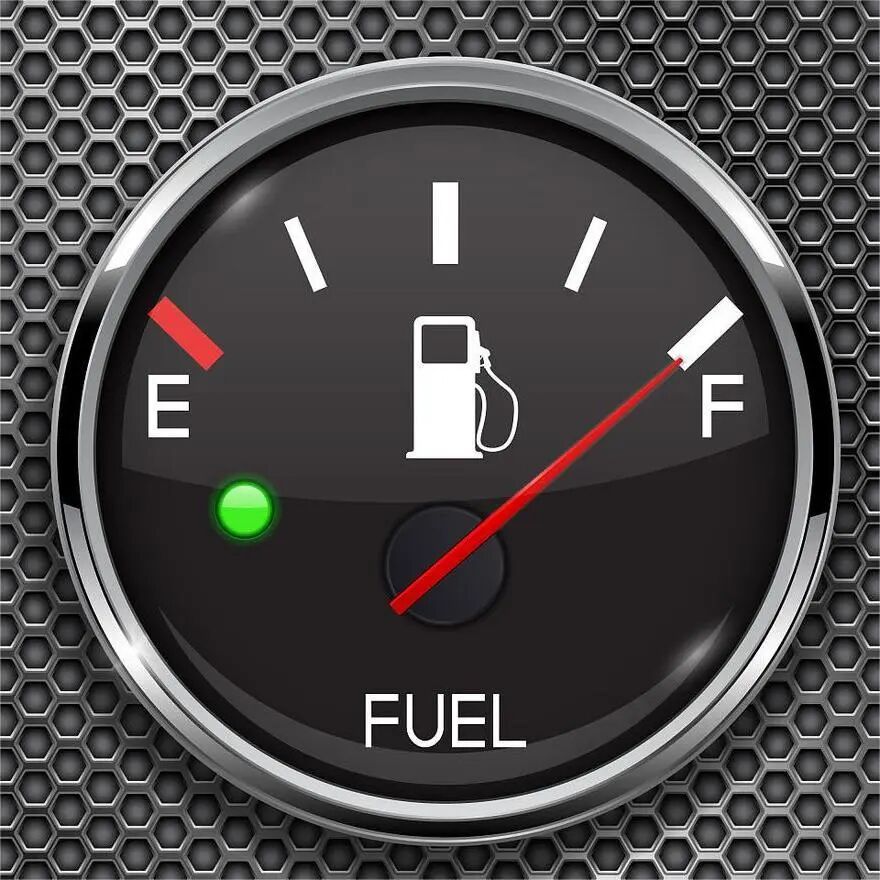
 2. Speed Indication System – The True Reflection Behind Speed1) Full Range Accuracy Testing: Inject different frequency simulated speed signals (e.g., 0km/h, 30km/h, 60km/h, 120km/h, 220km/h), comparing the instrument display values with the signal source error to ensure it is within ±1km/h.2) Signal Fluctuation Testing: Inject speed signals with superimposed noise, verifying whether the instrument display remains stable (not frequently jumping) and has reasonable filtering capability.3) Unit Switching Testing: Switch settings between km/h and mph, verifying whether the displayed values are automatically converted (e.g., 100km/h corresponds to 62mph).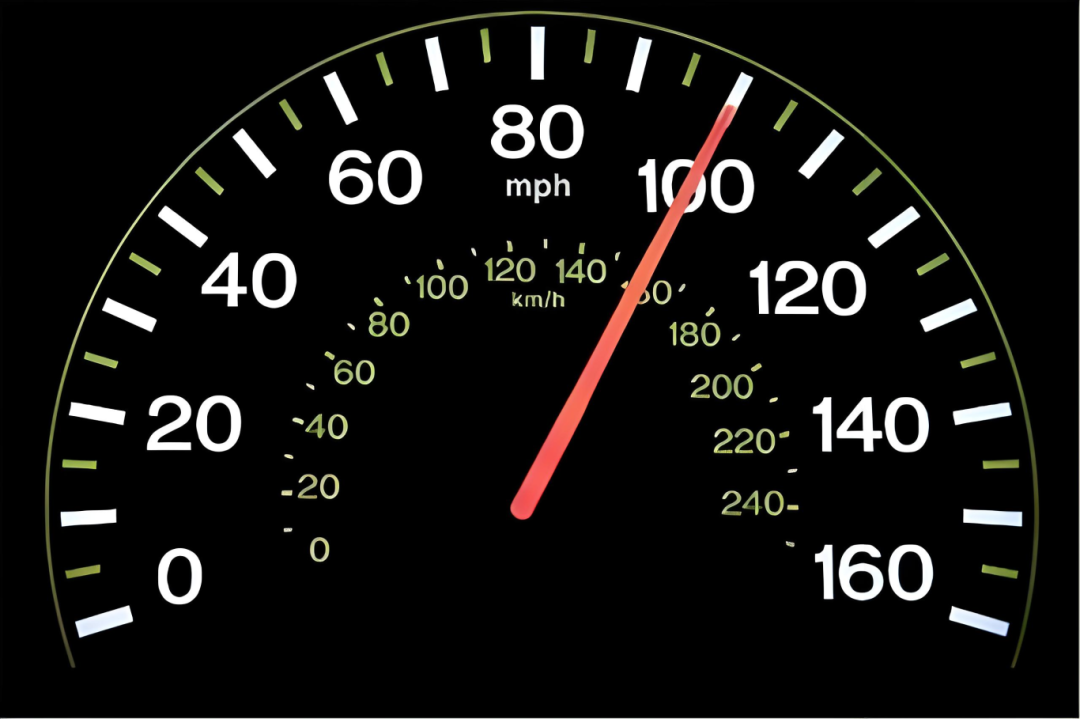
 3. Warning Indicator System – The Visual Language of Danger Alerts1) Illumination Logic Testing: Simulate the engine ECU sending a “low oil pressure” fault code, verifying whether the red oil light illuminates immediately; after clearing the fault code, check if the light turns off.2) Priority Testing: Simultaneously simulate “seatbelt unfastened” (yellow) and “brake system fault” (red) signals, verifying whether the red warning light is prioritized for display or highlighted.3) Brightness/Color Consistency Testing: Under varying ambient light conditions (bright/dark), verify that all red warning lights have consistent brightness and that the chromaticity meets design requirements.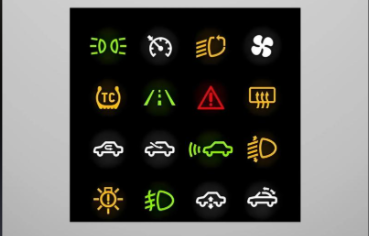

 02Business Combination Scenario Practical Testing Cases1. Multi-System Interaction in Extreme DrivingScenario: Low fuel + Speeding warningTesting Steps: Inject low fuel signal (trigger low fuel warning light)Inject speed signal of 130km/h (exceeding preset 120km/h speeding threshold)Expected Result: Low fuel yellow light stays on, speeding red light flashes, while the main instrument area has no information obstruction.2. Information Noise Reduction in Fault StormScenario: Engine fault + Tire pressure abnormality + Door not closedTesting Steps:Simultaneously inject engine fault code, low tire pressure signal, and door switch signalExpected Result: The highest priority fault light (e.g., engine red light) is displayed in the center, secondary warnings (tire pressure yellow light, door icon) are displayed in separate areas, and the central control screen pops up a graded alarm list, with alarm sound rhythm distinguishing priority.3. Display Resilience in Dynamic EnvironmentsScenario: Night reversing + Rear obstacle + Critical fuel levelTesting Steps:Switch to reverse gear (trigger reverse image)Simulate radar detecting rear obstacles (trigger beeping)Inject critical fuel level signal (e.g., 1/8)Expected Result: Reverse image displays normally, radar distance prompts overlay on the image, low fuel icon stays lit in the corner (not obstructing the image), and the alarm sound is dominated by the radar beeping.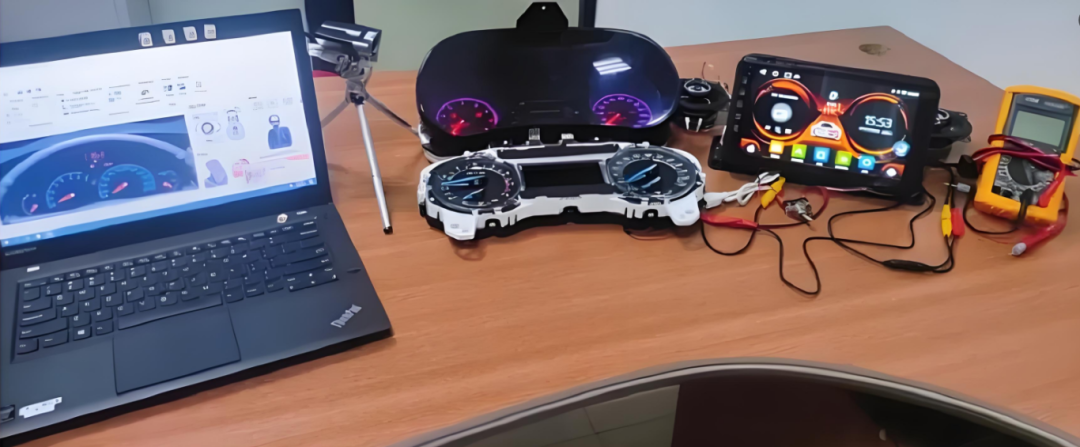

 03Key Points for Advancing Testing Techniques1. Signal Simulation Matrix: Build a CAN/LIN/FlexRay bus signal database covering normal/abnormal/boundary value scenarios.2. Environmental Coupling Testing: Verify stability under temperature cycling (-40℃~85℃) and voltage fluctuations (9V-16V).3. Human-Machine Interaction Validation: Combine eye-tracking tests to assess key information reading efficiency (e.g., warning light recognition speed ≤0.5s).
Industry data shows:
Comprehensive instrument testing can reduce false alarm rates by 37% and improve fault identification speed by 15%.
As a testing engineer, what other aspects do you think need to be considered? Or what other content are you interested in regarding in-vehicle testing? Feel free to leave a comment for discussion~~
 Exclusive for Fans
I’ve organized resources worth over 2000+
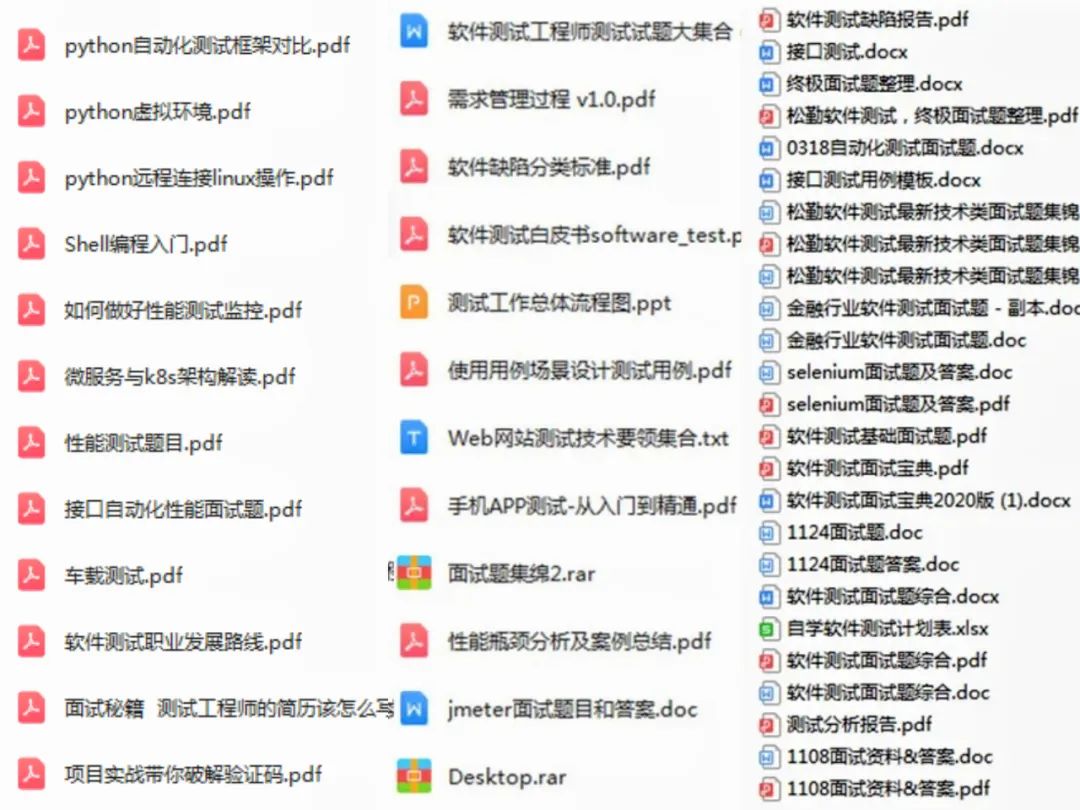
Content includes:
Planning software testing learning paths from 0-1
Commonly used testing templates and strategies in the workplace
Electronic books for improving software testing
Classic interview questions
Songqin’s diligent recorded courses
Limited time free~~~
 Long press the image below
Add Teacher Tang from Songqin to get resources for free

Currently, over 100,000 people have followed and joined us


Long press the QR code
Follow the 【Songqin Online Course】 video account