Hidden Helpers in Life
 In our everyday life, cameras, sensors, and GPS modules play crucial roles silently. When you leave home, the smart camera in your house begins to stand guard, monitoring the dynamics of your home in real-time. If any unusual activity occurs, it immediately sends an alert to your phone, allowing you to stay informed about your home situation, just like having a loyal “electronic guardian” protecting your home. In the field of smart security, the role of cameras is vital. Whether it’s the surveillance cameras in bustling city streets or security cameras at community entrances and hallways, they act like vigilant eyes, constantly watching the surrounding environment, recording everything that happens, and providing strong support for public safety.
When you walk into some modern shopping malls, automatic doors “sense” your arrival and quietly open. This is the work of sensors, which quickly capture the signal of a person approaching and respond swiftly, providing you with a convenient passage experience without needing to use your hands. The application of sensors in life goes far beyond this; for example, various sensors in cars can monitor speed, tire pressure, oil temperature, and more, ensuring driving safety. In smart homes, temperature sensors and humidity sensors can automatically adjust indoor temperature and humidity based on environmental changes, allowing you to enjoy a comfortable living environment at all times.
When you embark on an unfamiliar journey, the navigation software on your phone, powered by the GPS module, accurately locates your position and plans the optimal route, avoiding congested areas and guiding you smoothly to your destination. Whether driving or using public transportation, the GPS module ensures you are well-informed, alleviating worries about getting lost. It is also widely used in logistics, aviation, and maritime fields, ensuring timely delivery of goods and safe navigation of ships and aircraft.
Cameras: The Eyes Capturing the World
 Functions and Applications
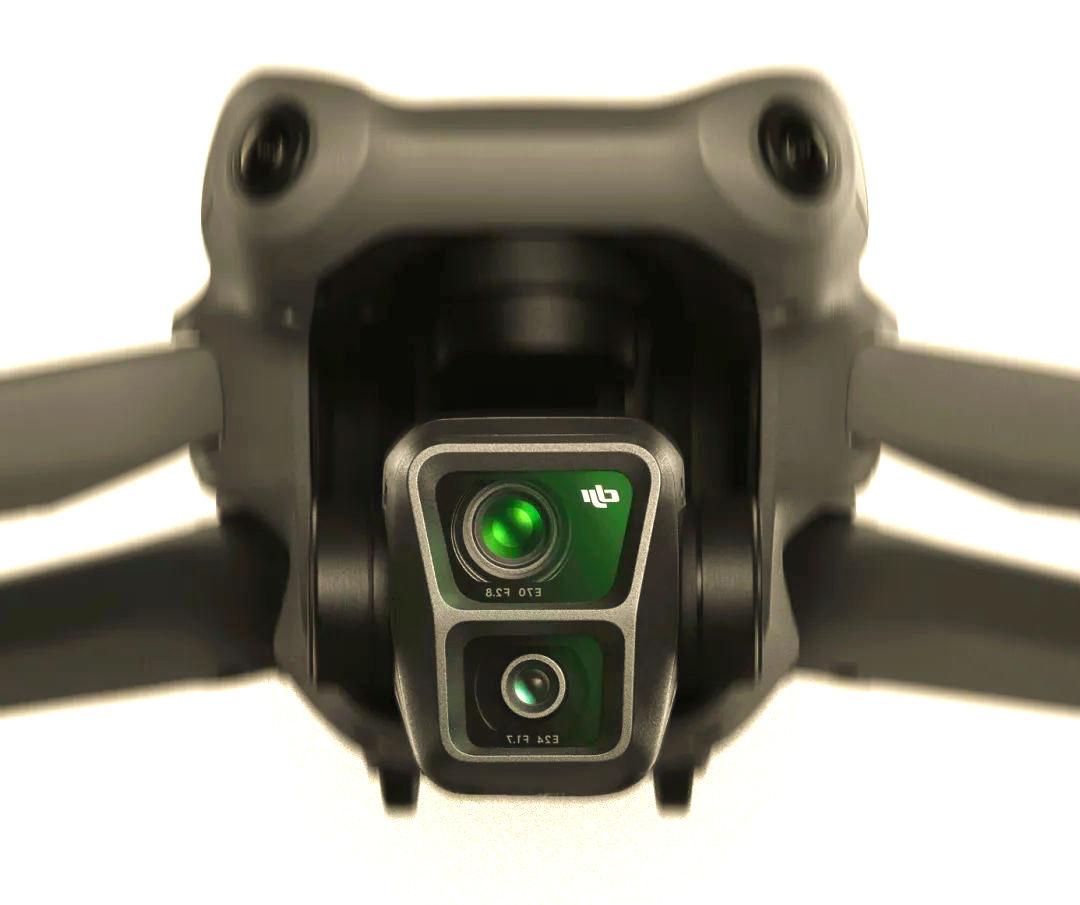
Cameras are known as the “visual assistants” in our lives, with a wide range of applications. In the field of security monitoring, they are loyal guardians of safety. Cameras installed in homes allow you to check the status of your home anytime through a mobile app, whether it’s your pet’s mischief or the delivery person’s arrival; in commercial spaces, cameras can monitor product areas, effectively preventing theft and ensuring the safety of the merchant’s property. Streets and alleys in cities are filled with cameras, silently recording the movements of pedestrians and vehicles, providing key clues for maintaining public order. In the event of a crime, police can quickly identify suspects by reviewing surveillance footage, leaving criminals nowhere to hide.
In photography and videography, cameras meet the demand for capturing beautiful moments. From professional DSLR camera lenses to built-in phone cameras, they help us freeze exciting moments in life, whether it’s breathtaking scenery during travel or warm gatherings with family and friends, transforming them into precious photos or vivid videos that become valuable memories. Nowadays, with the rise of short videos, cameras have become powerful tools for creators to document life and share creativity, allowing many to showcase their talents and interesting life events to a wider audience.
The realization of video calling functionality also relies on cameras, breaking the limitations of distance and allowing relatives and friends far away to communicate “face-to-face.” Whether in remote business meetings or daily greetings among family, cameras make communication more intuitive and intimate. Through video calls, we can see each other’s expressions and actions, feel each other’s emotions, as if sitting right next to each other, greatly enhancing the effectiveness of communication and emotional transmission.
Technical Advantages
Today’s camera technology has made significant advancements, providing us with a better user experience. High resolution is a major highlight of modern cameras, evolving from early standard definition to the now common 4K and even 8K resolutions, resulting in clearer and more detailed images. With high resolution, photos and videos can present rich details, with hair strands and landscape textures clearly visible, providing a visual shock. For example, when capturing landscapes, high-resolution cameras can capture the contours of distant mountains and the veins of leaves, making photos feel immersive; in security monitoring, high-resolution cameras can clearly record license plate numbers and facial features, providing strong evidence for case investigations.
The development of night vision technology allows cameras to “see” clearly in dark environments. Early cameras often produced blurry images at night, but now infrared night vision and starlight night vision technologies enable cameras to operate under extremely low light conditions. Infrared night vision cameras emit infrared light, using the reflected infrared light from objects to create images, allowing them to capture clear black-and-white images even in complete darkness; starlight night vision cameras are even more advanced, capable of capturing faint light, producing color images under moonlight and starlight, greatly improving nighttime monitoring and shooting effectiveness. For instance, in a nighttime parking lot, starlight night vision cameras can clearly capture the entry and exit of vehicles and the activities of individuals, ensuring the safety of the parking lot.
The application of intelligent analysis technology transforms cameras from mere image recording tools into intelligent assistants with judgment capabilities. They can analyze captured images to achieve functions such as facial recognition, behavior analysis, and object detection. In facial recognition, cameras can quickly identify faces and compare them with information in databases, enabling rapid verification for access control systems and personnel attendance; behavior analysis can determine whether a person’s behavior is abnormal, such as lingering or running in a monitored area, and immediately issue an alert upon detecting abnormal behavior; object detection can identify objects in the image, such as vehicles and animals, and in traffic monitoring, cameras can use object detection to count traffic flow and identify violating vehicles.
Selection Points
Faced with a plethora of camera products on the market, how do you choose the right one for yourself? Pixel count is the first factor to consider; generally, the higher the pixel count, the clearer the image, but it should also be combined with actual needs and budget. If it’s just for daily home monitoring, a camera with 4 to 5 million pixels usually suffices, ensuring clear images without consuming excessive network bandwidth and storage resources; if higher image quality is required, such as for photography or high-end security monitoring, a camera with 8 million pixels or more can be chosen.
The type of sensor also significantly impacts the imaging quality of the camera, with common types being CCD and CMOS sensors. CCD sensors offer high imaging quality and accurate color reproduction but are more expensive and consume more power; CMOS sensors, on the other hand, are cost-effective, low-power, and fast-responding, and with continuous technological advancements, their imaging quality is increasingly approaching that of CCD sensors. Currently, most cameras on the market use CMOS sensors. When selecting, you can decide based on your budget and image quality requirements; if you pursue ultimate image quality and have a sufficient budget, you can choose a camera with a CCD sensor; if you focus more on cost-effectiveness and practicality, a camera with a CMOS sensor is a good choice.
The quality of the lens is also crucial, as it affects image clarity, distortion, and field of view. A high-quality lens can provide clearer and more realistic images, reducing edge blurriness and distortion. The focal length of the lens determines the field of view; short focal length lenses (wide-angle lenses) have a wide field of view, suitable for capturing large scenes, such as panoramic images in home monitoring or landscapes during travel; long focal length lenses (telephoto lenses) have a narrow field of view but can bring distant objects closer, suitable for capturing close-ups, such as wildlife or sports events. When selecting, choose a lens with an appropriate focal length based on the actual usage scenario.
Additionally, the additional features of the camera are worth noting. For instance, night vision capability is essential for cameras that need to be used at night; choose products with good night vision capabilities, such as the aforementioned infrared night vision and starlight night vision; two-way audio functionality allows you to communicate with people in the monitored area through the camera, which can be used for family communication in home monitoring or to remind customers in commercial monitoring; intelligent tracking functionality enables the camera to automatically follow moving objects, ensuring that the target remains within the monitoring range, improving monitoring efficiency and accuracy.
Sensors: The Antennae Perceiving the World
 Working Principles and Types
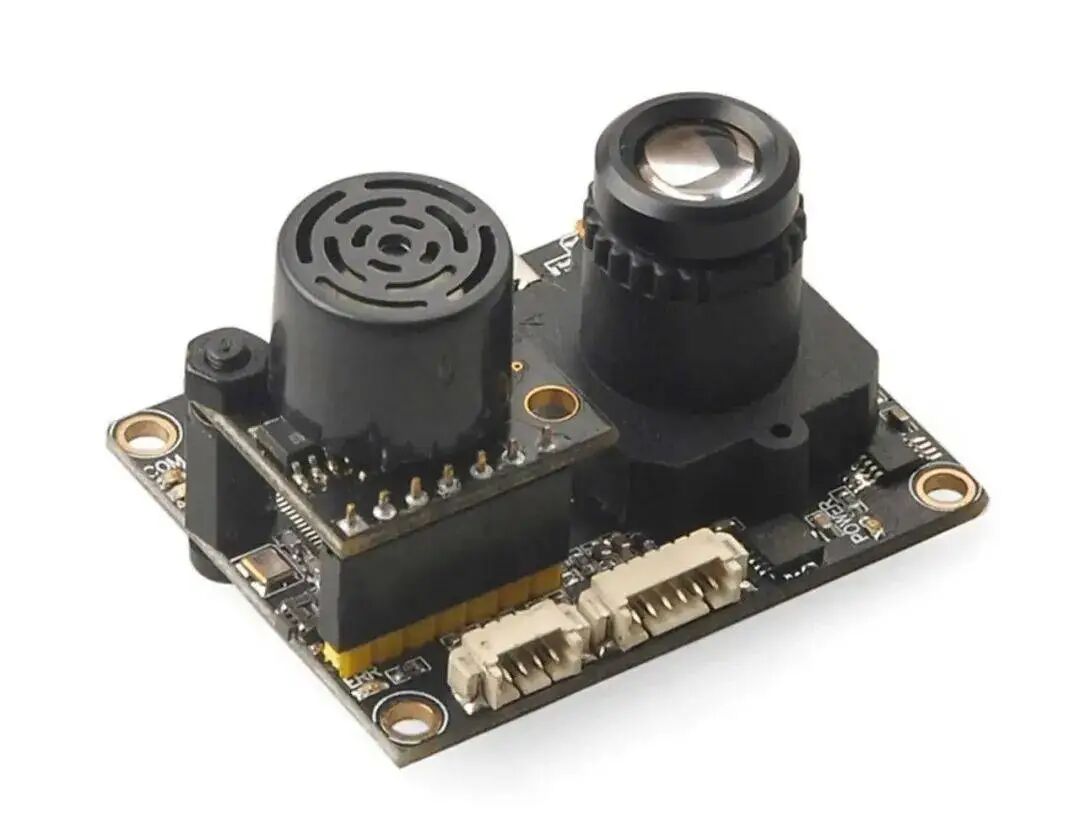
Sensors act like the “antennae” of the world, capable of keenly sensing various changes in the surrounding environment and converting these changes into signals that are easy for us to process. From a working principle perspective, the core of a sensor is to cleverly convert non-electrical physical quantities, such as force, temperature, sound, and light, into electrical quantities like voltage and current, facilitating subsequent processing and analysis. For example, a force sensor will deform when subjected to external force, changing its electrical resistance or capacitance, thus converting the magnitude of force into corresponding electrical signals.
Common types of sensors in daily life are diverse. Acoustic sensors, such as microphones, can capture sound vibrations and convert them into electrical signals, allowing our voices to be recorded, transmitted, and processed through electronic devices; photoelectric sensors are highly sensitive to changes in light, such as light-sensitive resistors in streetlights, which change their resistance value when the ambient light dims, triggering the circuit to turn on the streetlight for automatic lighting control. Additionally, temperature sensors are widely used in appliances like air conditioners and refrigerators to monitor ambient temperature in real-time, providing a basis for temperature regulation; pressure sensors play a key role in tire pressure monitoring systems in cars, constantly monitoring tire pressure to ensure driving safety.
Applications in Life
Sensors are ubiquitous in our daily lives, playing an indispensable role. For example, in rice cookers, the temperature sensor acts as a “cooking assistant.” During the cooking process, it closely monitors the temperature changes inside the pot, adjusting the heating power when the appropriate cooking temperature is reached to prevent the rice from burning, ensuring the rice is cooked to the right texture; once the rice is done, it automatically switches to keep warm mode, keeping the rice warm.
Electronic scales utilize pressure sensors to measure the weight of objects. When an object is placed on the scale, the pressure causes the sensor to deform, changing its resistance value. After circuit conversion and calculation, the accurate weight of the object is displayed on the screen, providing convenient and accurate weighing services whether weighing products in supermarkets or ingredients at home.
The automatic opening and closing function of automatic doors also relies on the contribution of sensors. Infrared sensors installed above the door constantly monitor the area in front; once they detect infrared signals emitted by a person, they immediately send instructions to the door control system, causing the door to open automatically. After the person passes through, it automatically closes, providing great convenience for people entering and exiting, widely used in places like shopping malls and hotels.
Selection Guide
When selecting sensors, first determine the required type of sensor based on the specific application scenario. If it’s for temperature control in smart homes, choose temperature sensors; if monitoring air quality, gas sensors are more suitable. Clarify the measurement parameters, such as temperature measurement, and pay attention to whether the sensor’s measurement range meets actual needs and whether the measurement accuracy is satisfactory. Generally, the higher the accuracy, the more accurate the measurement results, but costs may also increase accordingly, so a balance between accuracy and cost should be found.
The accuracy and stability of sensors are crucial indicators. Accuracy determines the correctness of measurement results, while stability relates to whether the sensor can maintain reliable performance over long periods of use without significant error fluctuations. For example, in industrial production, the accuracy and stability of sensors are highly demanding, as even minor measurement errors can lead to product quality issues or production accidents.
Compatibility is also an important consideration. Ensure that the selected sensor can be well integrated with existing devices or systems, including signal interfaces and communication protocols. For instance, when integrating a sensor into a smart home system, ensure that its signal output can be recognized and processed by the system; otherwise, even if the sensor performs well, it cannot function properly. Additionally, consider other users’ reviews and experiences to understand the actual performance of different brands and models of sensors, enabling a more informed choice.
GPS Modules: Navigating the World
Working Mechanism and Functions
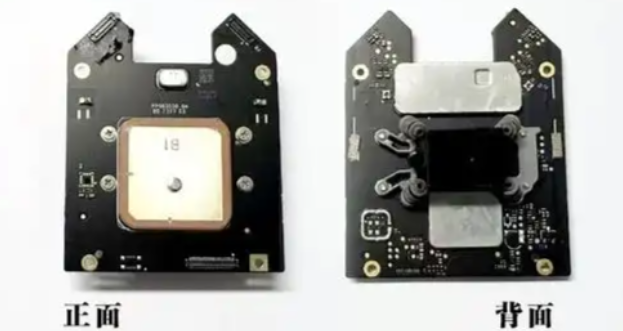
The GPS module acts like a precise navigation brain, silently playing a key role in positioning the world across various devices. Its working mechanism is based on satellite positioning technology, receiving signals from multiple satellites and cleverly calculating the distance between the module and each satellite using the time difference of signal arrival. In simple terms, when the module receives signals from at least four satellites, it initiates a precise geometric calculation based on these distance parameters, using geometric principles to accurately calculate its three-dimensional coordinates, which are the longitude, latitude, and altitude we are familiar with, thus determining its exact position on Earth.
In addition to precise positioning, GPS modules also have rich functionalities. In navigation, they work seamlessly with electronic maps and navigation software to carefully plan routes and provide thoughtful voice navigation services, helping users reach their destinations smoothly whether navigating through city streets or exploring vast wilderness. In timekeeping, the precise time parameters contained in GPS satellite signals enable GPS modules to provide high-precision timekeeping, supporting fields that require high time accuracy, such as financial transactions and communication synchronization, ensuring precise coordination of activities in terms of time. By analyzing the frequency changes of received satellite signals, GPS modules can also accurately calculate speed, playing an important role in traffic speed measurement and sports monitoring.
Application Fields
GPS modules have a wide range of applications. In the transportation sector, they are core components of intelligent transportation systems. In-vehicle GPS navigation systems allow drivers to know their location at all times, plan optimal routes in advance, and avoid congested areas, greatly improving travel efficiency. After installing GPS modules in logistics vehicles, companies can monitor vehicle locations and driving statuses in real-time, reasonably arrange transportation tasks, and ensure timely delivery of goods.
In the security field, GPS modules safeguard the safety of people and assets. Some elderly and children wear positioning bracelets that contain GPS modules, allowing family members to view their location in real-time through a mobile app. In case of situations like getting lost, they can be quickly located; during the transportation of valuable items, installing GPS modules allows for real-time tracking of goods to prevent theft or loss.
In agriculture, GPS modules support the development of precision agriculture. Agricultural machinery equipped with GPS modules can achieve automatic driving and precise operations, performing tasks such as sowing, fertilizing, and spraying pesticides according to preset routes and parameters, improving operational accuracy, reducing resource waste, and collecting real-time data on soil and crop growth to provide scientific basis for agricultural production decisions.
In the Internet of Vehicles, GPS modules are key to achieving vehicle interconnectivity. They enable real-time exchange of location and driving information between vehicles and between vehicles and infrastructure, providing data support for intelligent driving, vehicle scheduling, and traffic flow optimization, promoting the future of transportation towards a more intelligent and efficient direction.
Purchase Recommendations
When faced with a plethora of GPS modules on the market, multiple factors need to be considered during selection. Positioning accuracy is the primary focus; the higher the accuracy, the more precise the positioning. For applications requiring high accuracy, such as navigation and surveying, choose modules with positioning accuracy at the meter or even centimeter level.
Refresh rate is also important, as it determines the speed at which the module updates location information. The higher the refresh rate, the more timely the location information updates in dynamic scenarios, such as vehicle movement or personnel activity, providing more accurate real-time positioning. For in-vehicle navigation and sports tracking applications, it is advisable to choose modules with higher refresh rates.
Today, in addition to the American GPS system, there are also China’s BeiDou, Russia’s GLONASS, and the EU’s GALILEO satellite systems. Modules that support multiple satellite systems can receive more satellite signals in different environments, improving positioning reliability and accuracy, so it is advisable to choose GPS modules that support multiple satellite systems.
Connection methods should also be selected based on actual needs, with common options including serial, Bluetooth, and Wi-Fi connections. Serial connections are stable and suitable for industrial applications requiring high data transmission stability; Bluetooth connections are convenient for wireless connections with mobile phones and smart wearable devices; Wi-Fi connections are suitable for scenarios requiring high-speed data transmission and remote control, such as remote control and data return for drones. Additionally, consider factors such as module power consumption, size, and price, and make a choice after comprehensive evaluation.
The Wonderful World of Accessory Combinations
Cameras, sensors, and GPS modules do not exist in isolation; they collaborate to create greater value. In the field of intelligent transportation, cameras capture the dynamic images of vehicles and pedestrians, sensors monitor traffic flow, speed, and other information, and GPS modules provide precise positioning. These data integrate to assist intelligent transportation systems in achieving smart control of traffic lights, real-time alerts for traffic congestion, and intelligent scheduling of vehicles, making roads smoother and travel more efficient.
In smart home systems, cameras monitor the security status of the home, while sensors perceive indoor temperature, humidity, air quality, and other environmental parameters. When sensors detect that the indoor temperature is too high, they automatically send instructions to the air conditioning system to adjust the temperature; if the camera detects an abnormal situation, it immediately triggers an alarm and transmits the footage to the user. They work in conjunction with other smart devices to create a comfortable, convenient, and safe home environment, allowing you to enjoy the convenience of an intelligent life.
In smart wearable devices, cameras can be used for taking photos and video calls, sensors monitor movement data and physiological indicators, and GPS modules achieve positioning and trajectory recording. For example, smartwatches record your steps, heart rate, sleep quality, and other data through sensors, combined with the movement trajectory recorded by GPS modules, providing comprehensive exercise analysis and health recommendations; when you need to video call someone, the camera can meet your communication needs, allowing you to stay connected with family and friends anytime, anywhere.
The Future is Here, Intelligence is Infinite
Cameras, sensors, and GPS modules, these seemingly ordinary optional accessories, are quietly changing our lives and driving the intelligent transformation of various industries. They serve as the foundation of the intelligent world, supporting the development of countless innovative applications.
Disclaimer: Images and materials are sourced from publicly available resources on the internet. The writing here is intended to convey industry information. If there are any inaccuracies, please feel free to correct them. If there is any infringement, please contact the author via WeChat to delete the article.