
First, I apologize: It has been a week since the last update.
Many friends have privately messaged us asking why we stopped updating; the reason is quite simple:
Recently, we have been busy with several projects commissioned by clients, and we are also continuously conducting disassembly research on electric drives. All our time has been invested in these tasks, and we haven’t shared updates in a timely manner. We sincerely apologize! (We haven’t disappeared 😊)
Plans have already been scheduled until 2026~~

[What have we been busy with recently] During this time, we have focused on disassembling several of the most mainstream and advanced electric drive products in the industry;
For each product, we have conducted in-depth analyses from the perspectives of architecture, process, and design philosophy. It can be said that we have both quenched our thirst for knowledge and accumulated a lot of first-hand data. However, the speed of organizing and outputting this information has indeed been a bit slow.
[Learning and Growing Together] The deeper we delve into the disassembly process, the more we feel that the industry is developing too quickly, making it difficult for a group of ’80s boys to cover everything.
Therefore, we would like to extend a sincere invitation:
We are recruiting like-minded engineering friends—
-
If you focus on motors, motor control, reducers, or onboard chargers;
As long as you are willing to learn, discuss, and grow with us, you are very welcome to join!
We have the latest product samples and disassembly cases, and everyone can inspire each other and make progress together through real technical exchanges.
[A Promising Future] Thank you all for your continued attention and support.
In the future, we will update more regularly and share these valuable disassembly results and research insights with everyone.
Learning is a long-distance race, and we are willing to run alongside more partners.
[The main text begins here~]
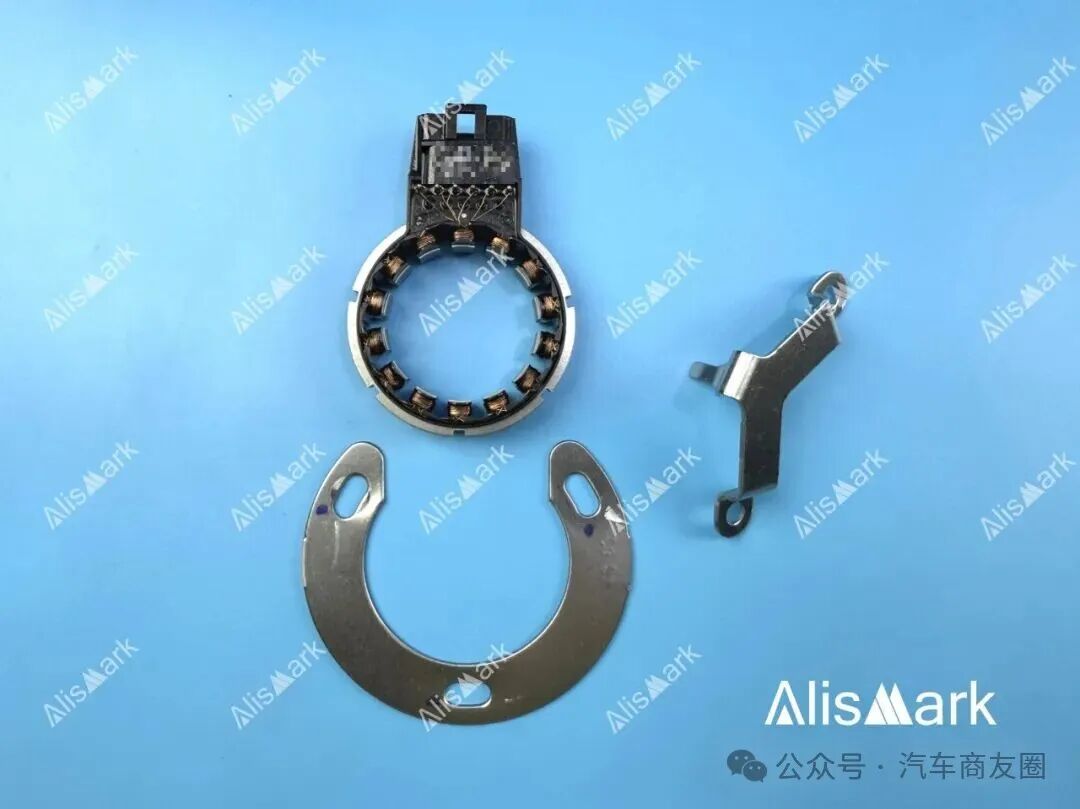
In the drive system of new energy vehicles, the motor is the “heart,” and the motor controller (MCU) is the “brain.” For the brain to accurately control the heartbeat of the heart, it must rely on the “eyes” to perceive the motor’s speed and rotor position in real-time. These eyes are the Resolver sensors.
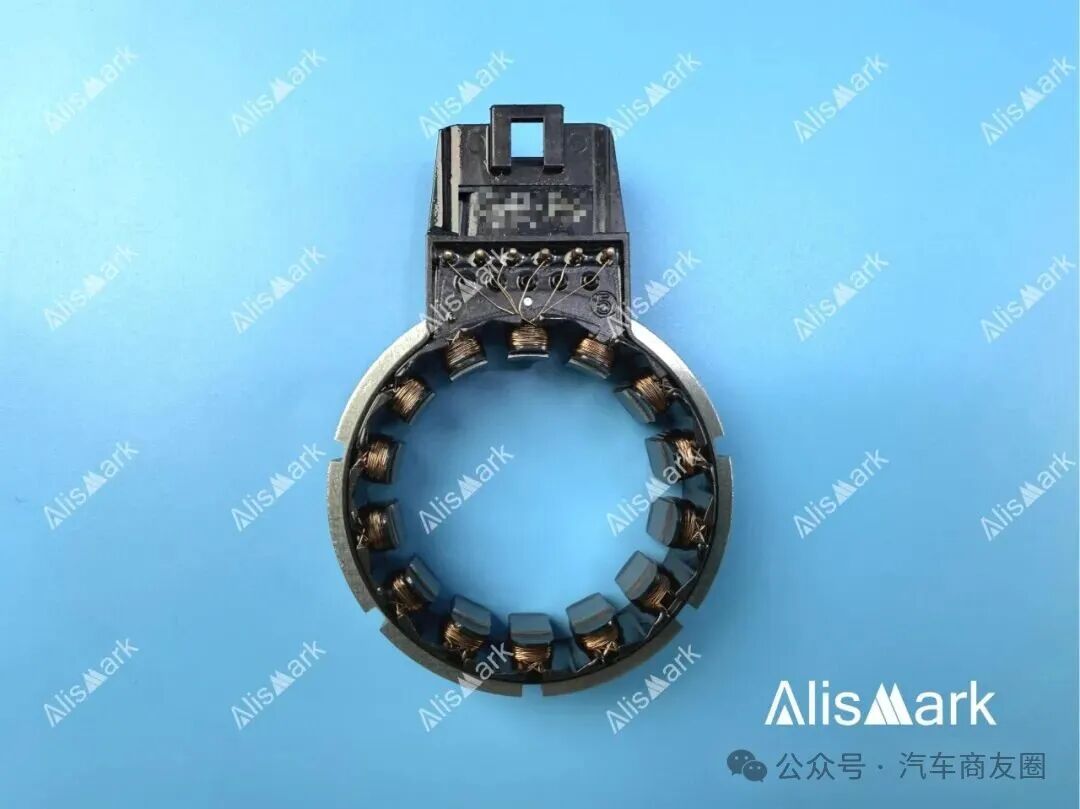
1. What is a Resolver Sensor?
A Resolver sensor, known in English as a Resolver, is an angle/velocity sensor based on the principle of electromagnetic induction. It is essentially a special type of rotary transformer that converts the rotor’s angle information into electrical signals through electromagnetic coupling between the stator and rotor windings, which are then processed by the motor controller.
Its output is not a direct angle value but two sine and cosine voltage signals that vary with the angle. Only after processing by a resolver decoding chip (RDC) can accurate angle information be obtained.
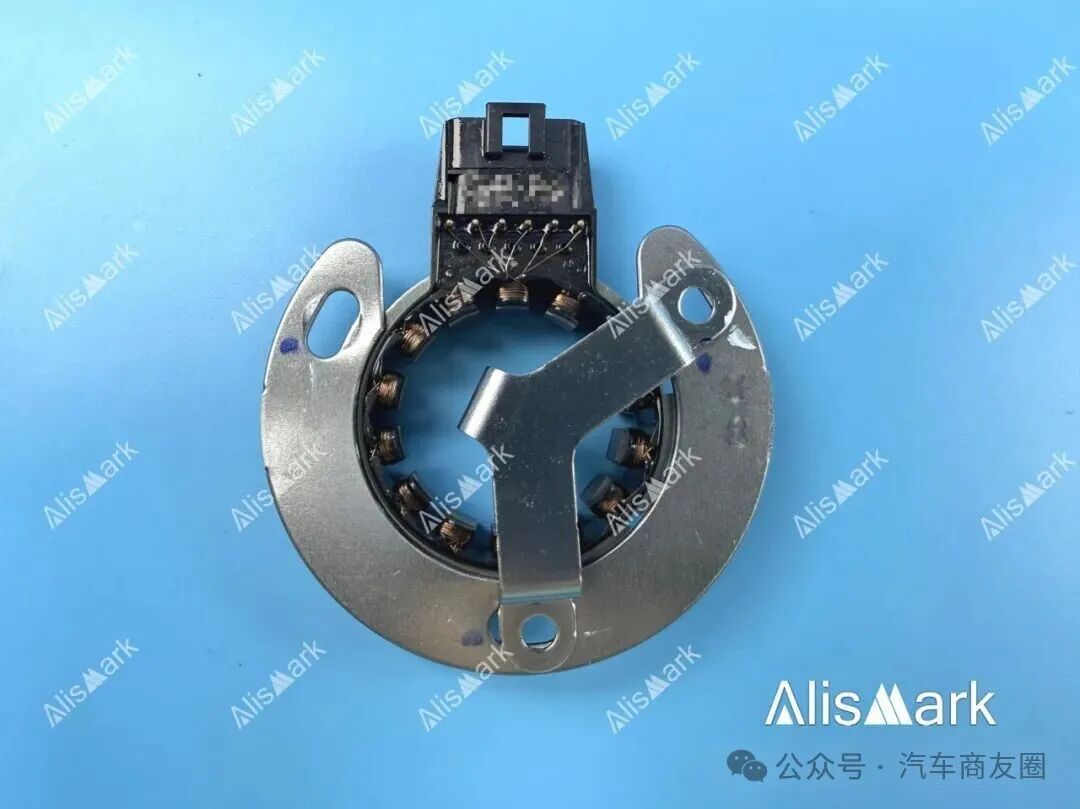
2. The Role of Resolvers in Drive Motors
In the control of Permanent Magnet Synchronous Motors (PMSM) or AC Induction Motors, the most critical aspect is vector control (FOC). FOC requires knowing the exact position of the rotor’s magnetic poles to achieve precise decoupling of stator current and magnetic field, thereby maximizing efficiency and torque.
The role of the Resolver is:
Speed Detection: Providing real-time speed to ensure dynamic response in control.
Position Detection: Providing rotor angle to support FOC vector control.
Safety Redundancy: As a critical sensor, it must ensure functional safety, commonly achieved through dual-channel redundancy design.
[In a nutshell] Without a Resolver, there is no precise control of high-performance electric drives.
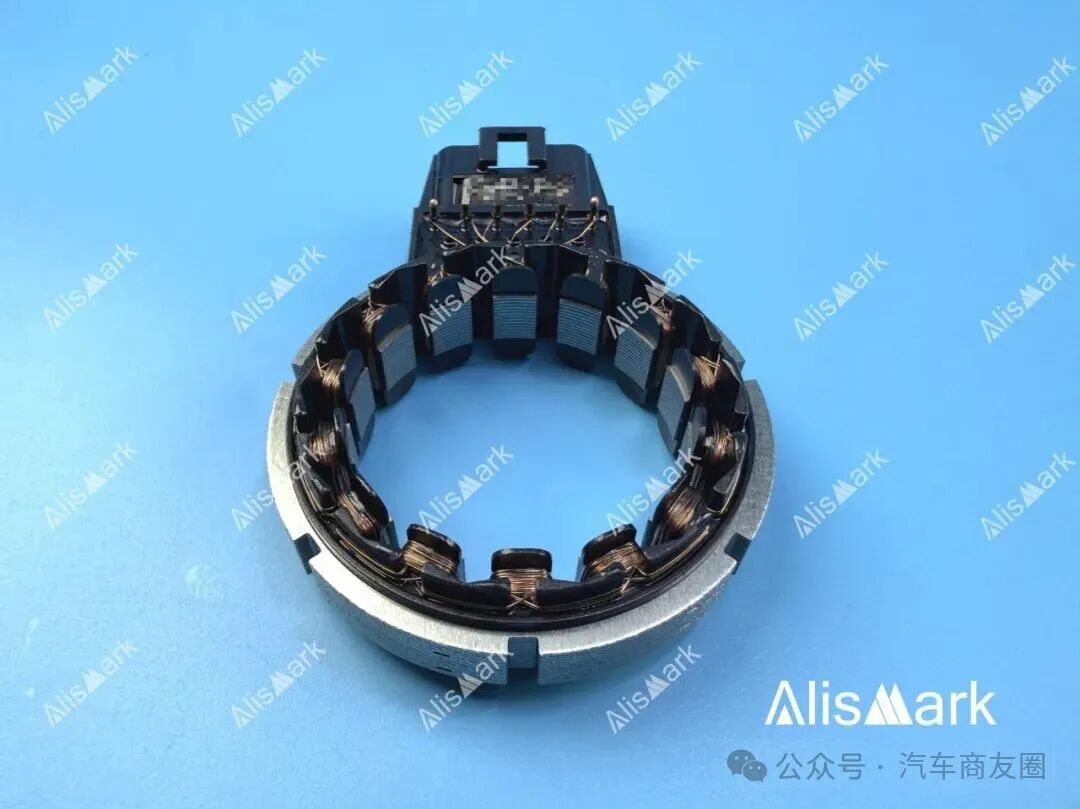
3. Technical Characteristics of Resolvers
Compared to other common position sensors (such as Hall sensors and encoders), Resolvers have the following advantages:
-
High Reliability
-
Simple structure, no optical components, and no issues with dirt or dust.
-
High-temperature resistance (typically above 150°C), suitable for harsh environments in motor compartments.
High Precision
-
Resolution can reach 16 bits or even 18 bits (achieved through decoding chips).
-
Angle error is less than ±0.1°, meeting the needs for precision control.
Strong Anti-Interference Capability
-
Based on electromagnetic induction principles, it is insensitive to oil, dust, and vibration.
-
Good EMC performance, suitable for complex electromagnetic environments in vehicles.
Of course, its shortcomings are also quite obvious:
-
Higher cost, requiring specialized decoding chips.
-
Complex signal chain, with high requirements for calibration and adjustment.
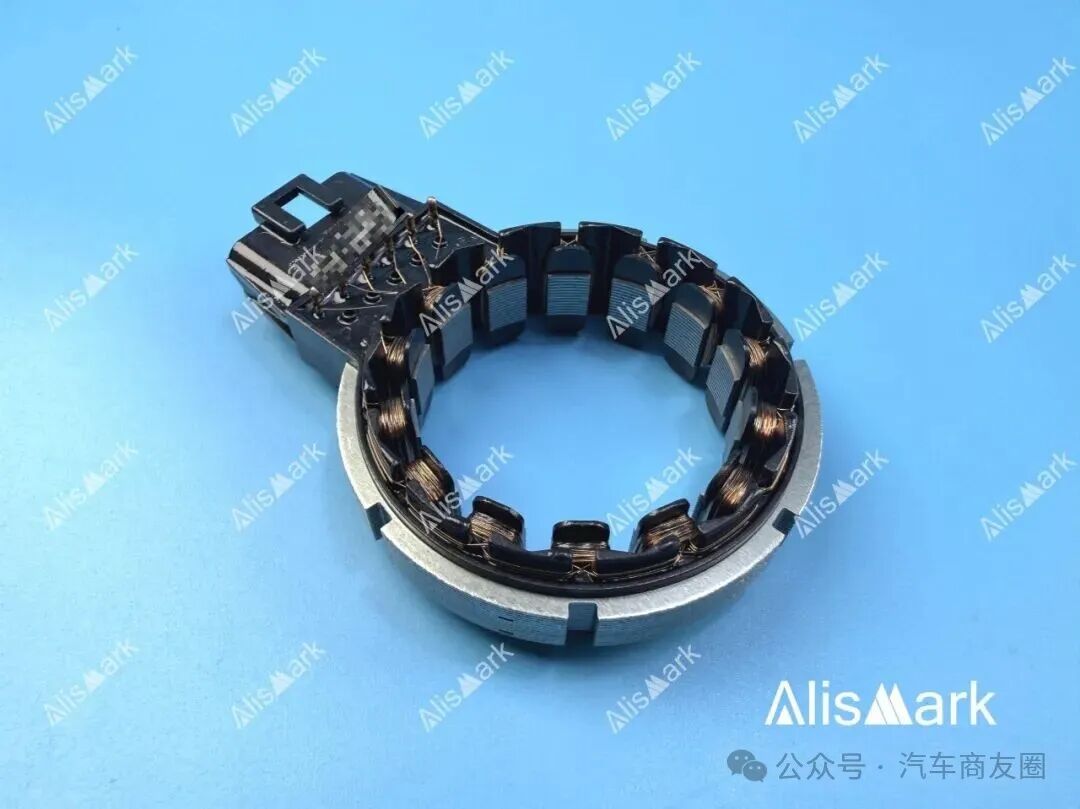
4. Resolvers vs. Other Solutions

Hall Sensors: Low cost but limited accuracy, mostly used in low-end motors.
Optical Encoders: High accuracy but poor pollution resistance, unsuitable for automotive environments.
Magnetic Encoders: Rapid development in recent years, with significant improvements in accuracy; some applications are beginning to replace Resolvers, but under high safety and reliability requirements, Resolvers remain the first choice.
[Summary in one sentence] Resolvers are the mainstream solution for new energy drive motors but are facing challenges from magnetic encoders.
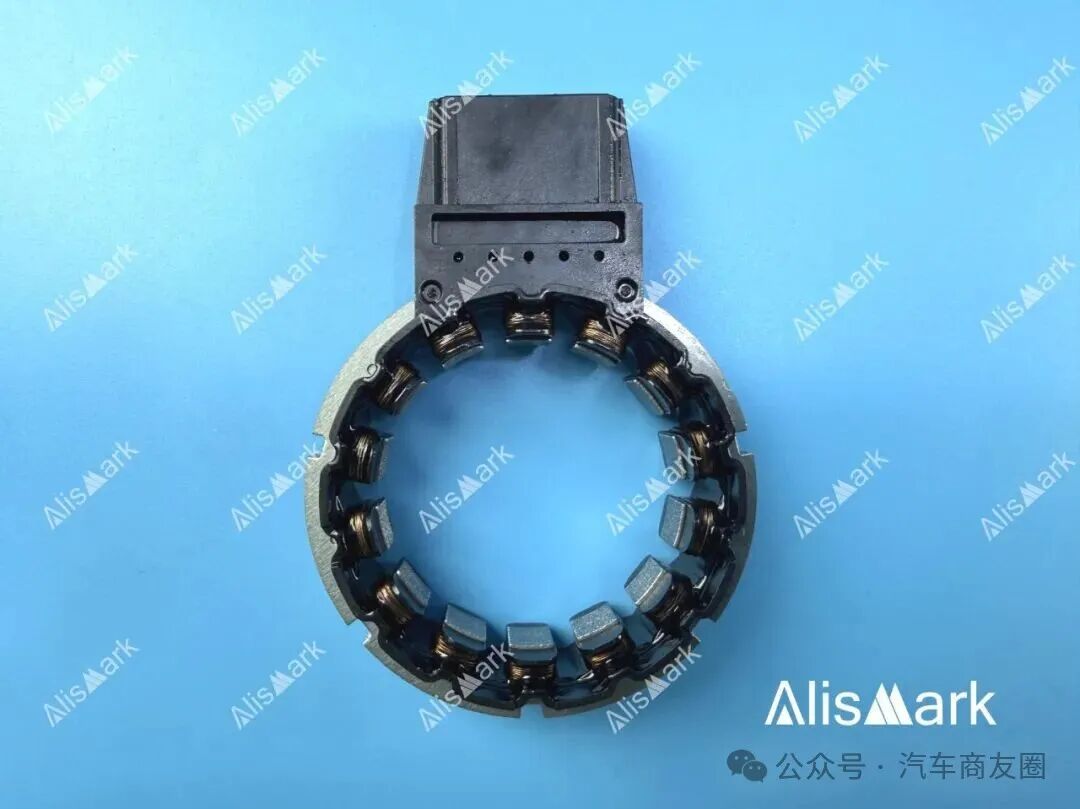
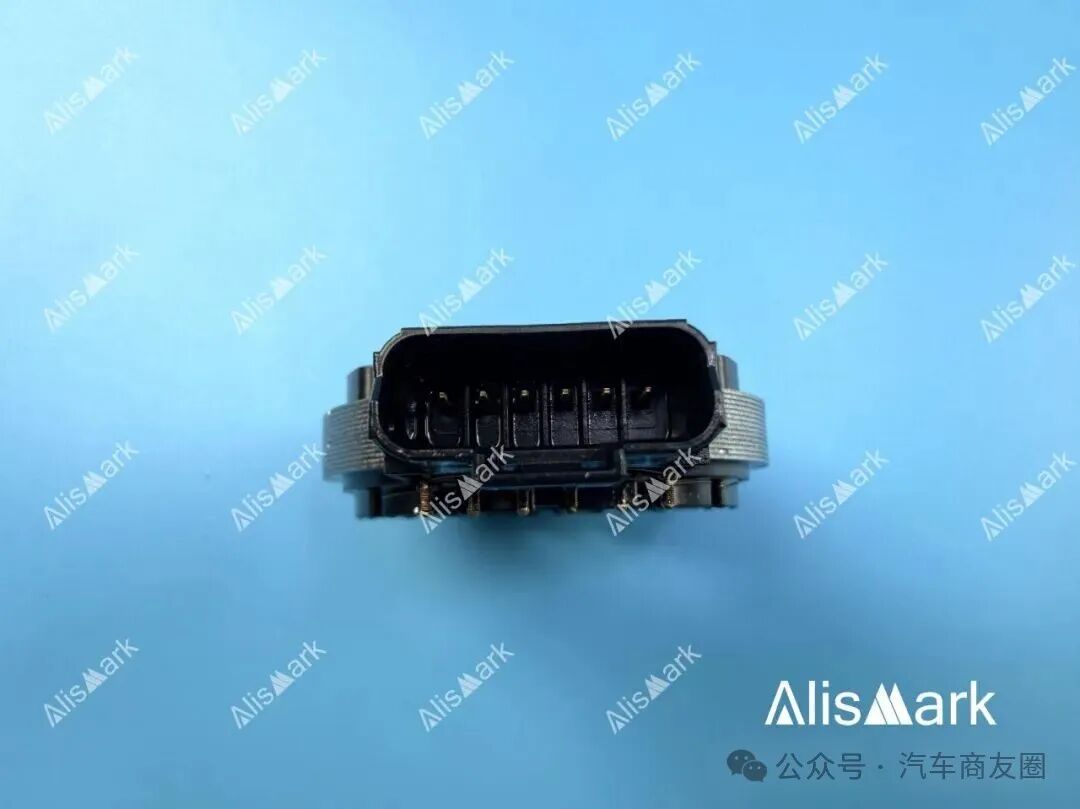
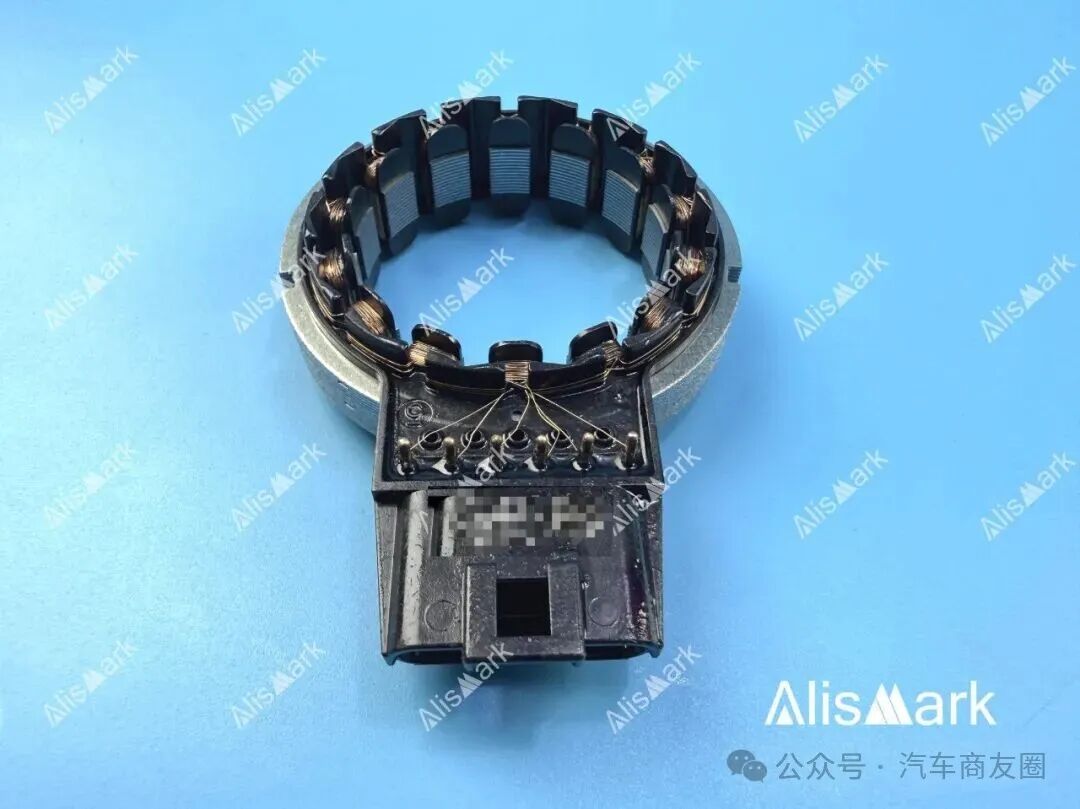
The six pins of the Resolver sensor are: EXC+ (excitation positive terminal), EXC- (excitation negative terminal), SIN+ (sine signal positive terminal), SIN- (sine signal negative terminal), COS+ (cosine signal positive terminal), COS- (cosine signal negative terminal);
Conclusion
In electric drive systems, Resolver sensors may seem inconspicuous, but they are a key link in ensuring power performance and safety. They act like the “eyes” of the motor, allowing the controller to see clearly and accurately, thus achieving powerful dynamics and smooth driving control.
With the development of the new energy industry, Resolver technology will continue to occupy a core position for a long time, but we also see new sensor solutions emerging. In the future, whoever can find the best balance between reliability and cost will become the “new eyes” of electric drives.

AlisMark focuses on the internet platform in the new energy vehicle industry, dedicated to providing customers with comprehensive sample benchmarking and disassembly analysis services. Through data-driven precise disassembly, we provide detailed technical insights and benchmarking analysis for new energy vehicle manufacturers, research institutions, and component suppliers, helping customers optimize design, reduce costs, and improve performance.
Disclaimer: This disassembly analysis is based on independent technical assessments of physical products, and the research process is not associated with the original manufacturers. The analysis results and opinions are for technical exchange and academic discussion only and do not constitute any form of commercial guidance or quality judgment basis.
Note: Different production batches, process adjustments, or design changes may lead to discrepancies between the physical product and the report description. This content should not be used as a basis for product consistency determination. All patent technologies, trademark rights, and other intellectual property related to this product belong to the original rights holders;
If you have any questions, please contact the editor via WeChat: alismark256.