A once thriving “walnut” that supported a market value of billions is now showing signs of fatigue.
Recently, the parent company of “Liu Ge Walnut”, Yangyuan Beverage (603156.SH), released its semi-annual report for 2025. Unlike previous reports, this one showed a decline in both revenue and profit, with revenue at 2.465 billion yuan, down 16.19% year-on-year; and net profit attributable to shareholders at 744 million yuan, down 27.76% year-on-year.
Behind this report lies a harsh reality:the once phenomenal product that generated nearly 10 billion yuan in sales—walnut milk—is losing its former charm.
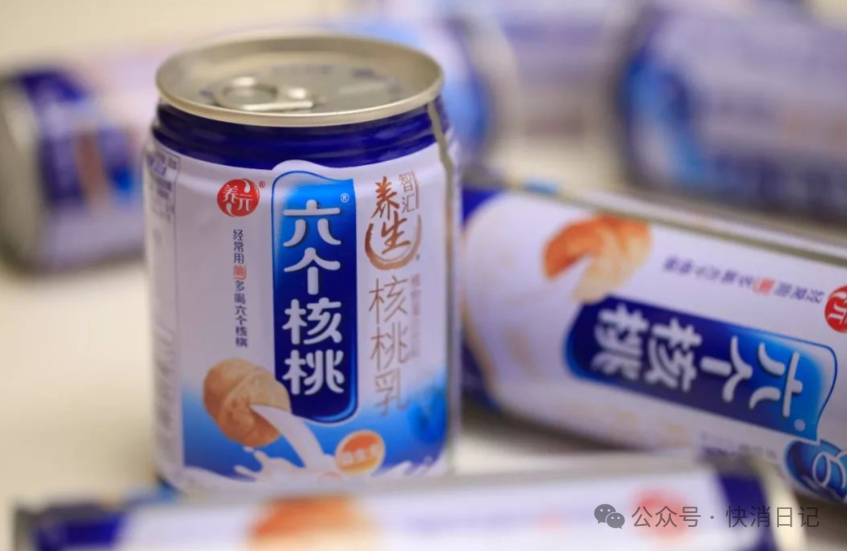
Even more surprising is that Yao Kuizhang, the former richest man in Hengshui who turned the company from the brink of bankruptcy into a billion-dollar empire, is now investing the profits from walnut milk into the high-tech semiconductor industry.

The Twilight of the Walnut Empire
During the Spring Festival of 2015, supermarkets were piled high with Liu Ge Walnut, creating golden mountains that could be displayed from the end of the lunar year to the beginning of the new year, with the bold words “brain supplement” on the red packaging more eye-catching than the Spring Festival couplets.
That year, Yangyuan Beverage’s revenue exceeded 9 billion yuan, just a step away from the 10 billion target. Yao Kuizhang, full of ambition, commissioned someone to write “Liu Ge Walnut: How It Went from 0 to 10 Billion”, documenting this commercial miracle that transformed from a state-owned beverage factory in Hengshui.
However, the speed of the fall from the peak was faster than expected. Data from 2024 shows that the sales of Liu Ge Walnut plummeted by 34% compared to its launch in 2018, shrinking from 856,800 tons to 565,300 tons. The financial report for the first half of 2025 is even worse: revenue down 16.19% year-on-year, net profit plummeting 27.76%, with the company itself admitting, “walnut milk just isn’t selling anymore.”
Where did the problem lie? A glance at the financial report makes it clear—this company has put almost all its eggs in the walnut milk basket. In 2024, walnut milk accounted for a staggering 88.7% of revenue, while its competitor, Chaozhou Lulule, achieved a 11.44% sales growth through diversified products, forming a stark contrast.
Even more embarrassingly, some consumers have calculated that the cost of a Liu Ge Walnut can is actually higher than the walnuts inside it. As the “brain supplement myth” is debunked, people are naturally unwilling to pay a premium.
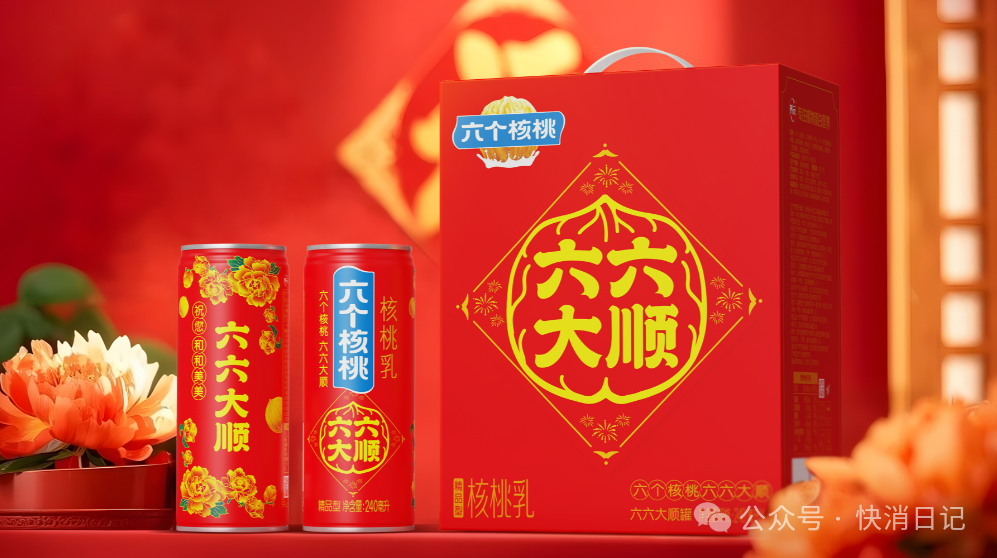
Marketing failures are also a significant reason. The slogan “Use your brain often, drink Liu Ge Walnut more” has gradually lost its effectiveness in an age of information explosion. Young people prefer the fresh offerings from tea shops, and the gifting market has been diverted to more refined health gifts. The 2,727 distributors have tried their best, but they cannot stop the decline of 200,000 tons in sales over five years.
Yao Kuizhang has attempted to introduce Red Bull’s agency business and even ventured into AI and new energy, but none have managed to support a second growth curve.

1.6 Billion Bet on Semiconductors
As the beverage business continues to decline, Yao Kuizhang dropped a bombshell: in 2024, he invested 1.6 billion yuan in the semiconductor company Changkong Group, an amount that is nearly 93% of Yangyuan Beverage’s annual net profit. This new company operates in the fields of integrated circuit chip manufacturing, design, and sales, which is completely unrelated to the walnut milk business.
This cross-industry move has caused a stir in the market. It is important to note that Yao Kuizhang’s business empire was built by cutting product lines—when he took over the nearly bankrupt beverage factory, the first thing he did was cut all redundant products and focus solely on walnut milk. Now, he is jumping from the low-barrier fast-moving consumer goods into the technology-intensive semiconductor firestorm, a stark contrast that is shocking.
However, upon closer inspection, there are traces to follow. In recent years, semiconductors have become a policy hotspot, and under the wave of domestic substitution, successful cases like Yangtze Memory Technologies have shown capital the potential for excess returns.
For Yao Kuizhang, this may be much more profitable than struggling to sell beverages: Liu Ge Walnut earned 5.3 billion yuan over five years, while a quality semiconductor company could yield dozens of times the return once listed. Moreover, he has already made a fortune through dividends, with over 500 million yuan in dividends in 2024 alone, giving him enough confidence to take a gamble.
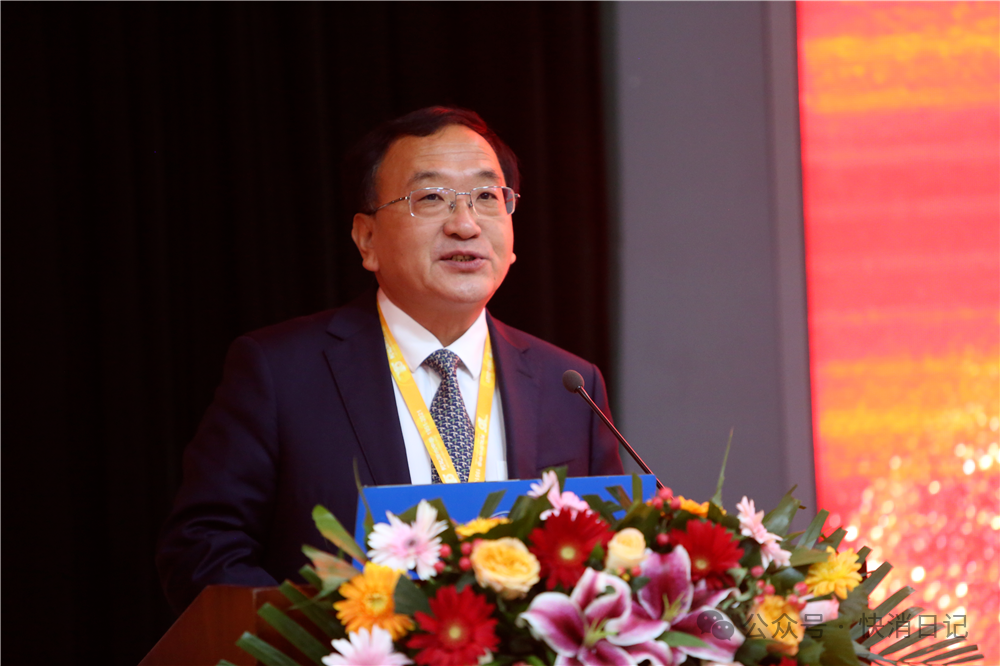
However, beverages and semiconductors are two completely different worlds. Liu Ge Walnut can sell products through channels and advertising, while semiconductors require a decade of research and development; the production line for cans can quickly recoup costs, while chip manufacturing equipment requires massive investment and faces technological blockades; marketing can exaggerate claims, but chip performance cannot deceive the market.
Some netizens joked: “Is this taking the money from ‘brain supplement drinks’ to invest in ‘brain supplement chips’?”

The Dilemma and Confidence of the Transformer
Yao Kuizhang’s path to transformation is bound to be bumpy. His wealth has shrunk from a peak of 10.5 billion to 9 billion, and Yangyuan Beverage’s stock price is sluggish. Whether the cash flow supported by dividends can continue to be invested in semiconductors remains uncertain.
More critically, the semiconductor industry emphasizes technological accumulation and talent reserves. Can a group of managers from a beverage background handle photolithography machines and chip design?
However, this 60-year-old entrepreneur clearly has his own calculations. In the context of an overall contraction in the plant-based protein beverage market, not transforming is tantamount to waiting for death—sales of Liu Ge Walnut have dropped from 765,200 tons in 2019 to a decline of 200,000 tons over five years. Continuing to hold on will only accelerate the fall. The semiconductor track has national policy support, and even if short-term returns are not visible, it aligns with the long-term direction of industrial upgrading.
In fact, Yao Kuizhang has long attempted cross-industry ventures, but previous investments in AI and new energy did not make waves. This time, betting on semiconductors, he may have learned from past lessons—not to dabble but to invest heavily in controlling stakes. The specific progress of Changkong Group has not yet been disclosed, but the injection of 1.6 billion yuan at least buys a ticket to participate in the wave of domestic substitution.

Conclusion
From supermarket shelves to wafer factories, Yao Kuizhang’s transformation story reflects the dilemmas and breakthroughs of traditional Chinese entrepreneurs.
When “Liu Ge Walnut” can no longer captivate consumers, should one continue to fight in the red ocean market or take the risk to open up new battlefields? This legendary figure, who once revived a state-owned enterprise with a single product, is now seeking answers in the most aggressive way.
Perhaps in a few years, we will see the label “Hengshui Manufacturing” in the chip field, just as no one believed that the Hengshui beverage factory could produce a national drink back then.
The charm of the business world lies in this: there are no eternal bestsellers, only constantly evolving entrepreneurs. The only question is whether the shelves of Liu Ge Walnut will be replaced by promotional posters for domestic chips the next time we visit the supermarket?
Disclaimer
Source from the internet. Copyright belongs to the original author and source. If there are any copyright issues, please contact us for deletion.
· END ·