
Humans have long mastered the art of “outsmarting” the laws of physics.
Although modern cars are becoming increasingly heavier, the technologies that can “mask” their weight are advancing rapidly. Adaptive and active suspension systems, torque vectoring systems, electronic differentials, traction control systems, and stability control systems, combined with continuously improving braking systems and tires, work together to make driving a car feel much lighter than its actual weight.
Take the new BMW M3, for example, which has a curb weight of about 1814 kg. After seeing it maneuver gracefully on the track, you would never believe it weighs that much.
However, experience shows that the laws of physics cannot truly be “defeated.” Newton’s laws of motion are called “laws” for a reason, and driving a truly lightweight car allows one to deeply appreciate this fact.
Author / Cool Car
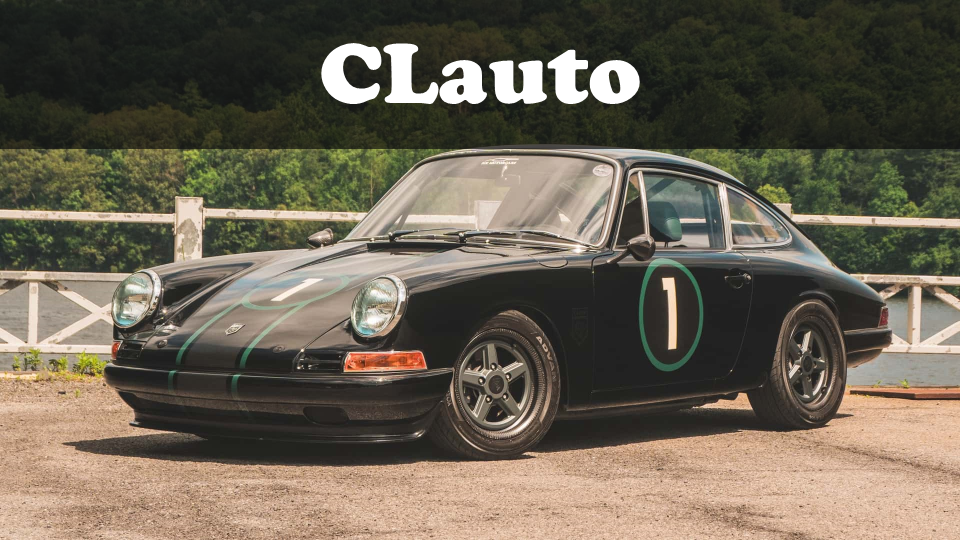
The protagonist of this article is a truly lightweight vehicle, a 1966 Porsche 912 restored and modified by the Hungarian company Kamm Manufaktur. When the company’s founder, Miklós Kazmer, initially purchased this 912, he intended to replace the original flat-four engine with a performance-enhanced 911 engine, like many enthusiasts do.


However, he was deeply attracted by the lighter weight and more balanced weight distribution of the four-cylinder version of the 912, so he began to ponder how far he could push the lightweight potential of this classic car.
The final answer is — the potential is limitless.
Kamm claims that this 912C has a curb weight of only 750 kg, which is about 317 kg lighter than the new Mazda MX-5. Remarkably, it is also configured in a GT style, even featuring a highly effective electric air conditioning system.

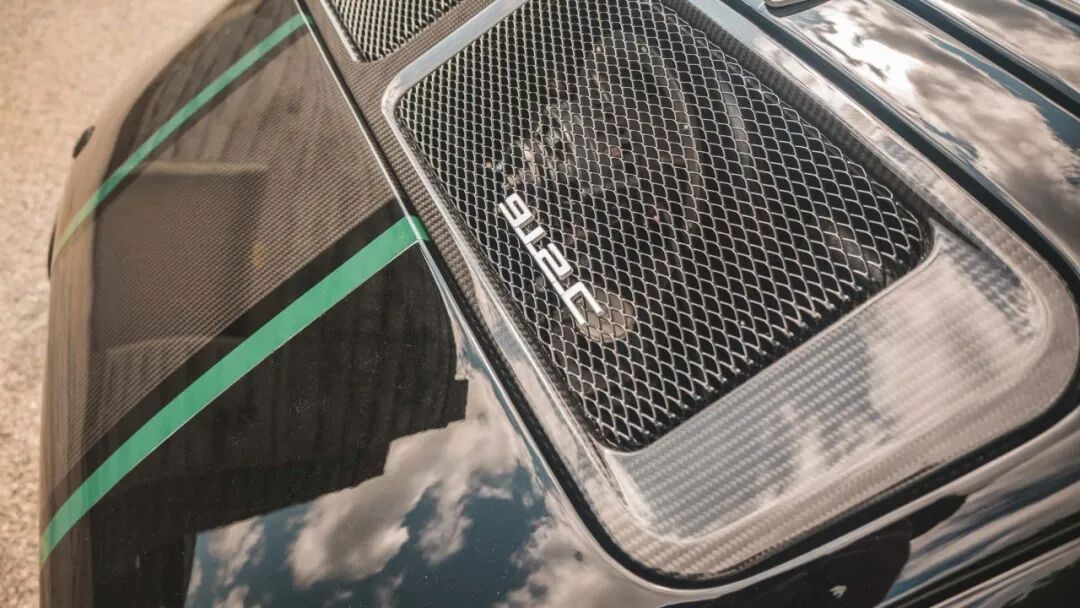
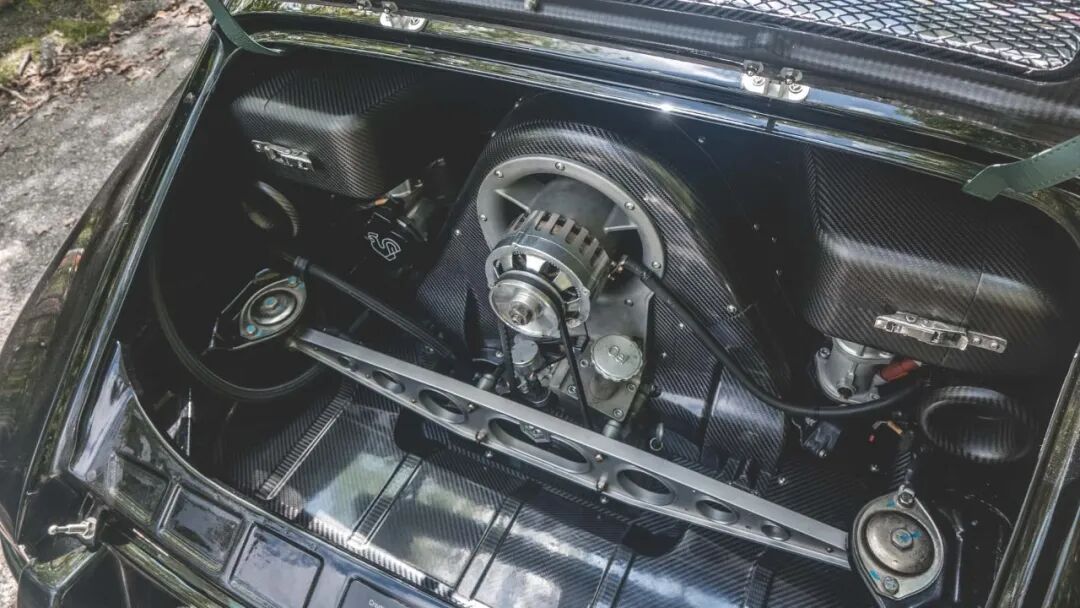
The “C” in the model name stands for Carbon Fiber, as most of the body parts are made of carbon fiber, except for the roof and rear fenders. If customers choose the full carbon fiber body version, the weight can be further reduced by about 45 kg.
Kazmer stated that he is well aware that a 2.0-liter engine cannot produce particularly strong power without the aid of turbocharging, so reducing weight became the only option.
This dilemma faced by Kazmer is not unique.
In the racing field, whenever power output is limited, engineers look for breakthroughs in other dimensions to enhance speed. The Lotus team, for instance, made “weight reduction” a core goal when they could not obtain the top engines, establishing a tradition of lightweight design in Lotus racing.

For the Porsche Type 616 flat-four engine, 2.0 liters is already the limit of displacement; further increasing the displacement would completely compromise the engine’s high-rev performance. Remember, this is an engine with a pushrod valve mechanism, whose structural characteristics inherently limit its high-rev potential.
To explore the performance limits of this four-cylinder engine, the Kamm team conducted comprehensive upgrades, ultimately achieving a maximum power output of 190 horsepower (at 6800 RPM), more than double the original output of 90 horsepower. Additionally, the engine is equipped with independent throttle bodies and a modern engine management system, offering both “normal” and “aggressive” driving modes, the latter optimizing throttle response curves and opening exhaust valves to unleash a richer sound.
Although the power of this engine is quite strong compared to the prototype, in today’s classic Porsche replica modification field, models with over 400 horsepower are not uncommon. Therefore, to optimize the overall performance of the 912C, weight reduction remains key.
In early summer, on the roads outside New York City, the first impression of the 912C is its outstanding driving quality. This is certainly part of the design intent, as Kazmer aimed to create a vehicle suitable for long-distance driving, hence the 912C is equipped with high-end electronically adjustable TracTive dampers, but this is also a natural result of lightweight design.
The “virtuous cycle of weight reduction” often mentioned by engineers is vividly demonstrated in this car.
A lighter weight means less load on the suspension system, allowing for thinner springs, dampers, and anti-roll bars, while also eliminating the need for overly wide tires (narrow tires can reduce weight and improve ride comfort, but only in low-load lightweight scenarios), and the size of the braking system can also be correspondingly reduced.
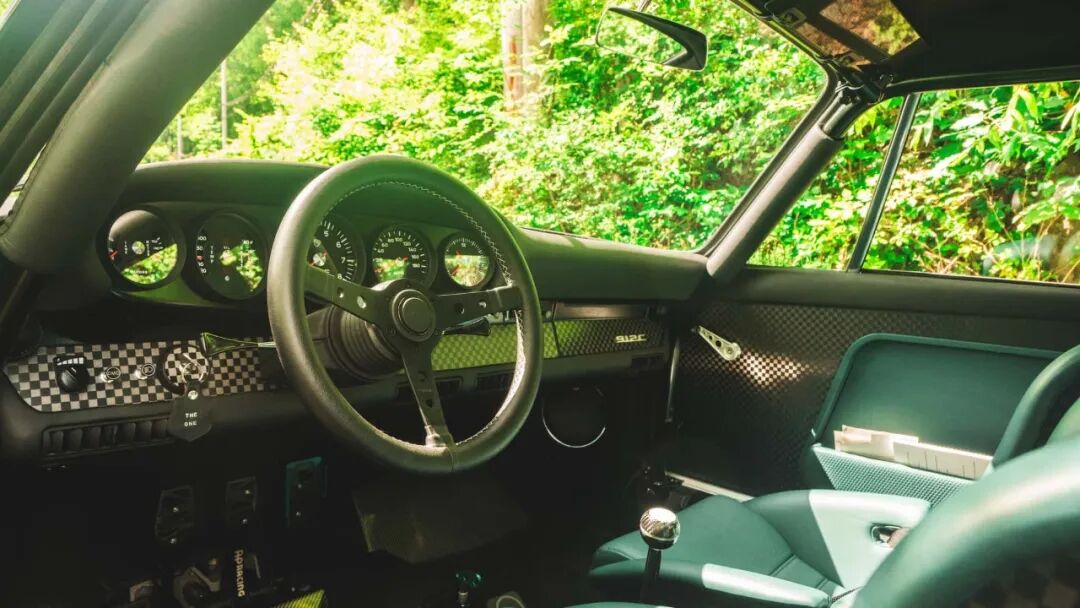
The advantages brought by weight reduction stack up, creating a chain reaction.
When driving the 912C on the road, if you encounter familiar bumps and surface imperfections, you will be pleasantly surprised, as the discomfort and concerns you once had about driving are completely unnecessary. Even with the adjustable dampers set to the hardest mode, it can smoothly navigate these sections of road.
This is the core advantage of lightweight vehicles.
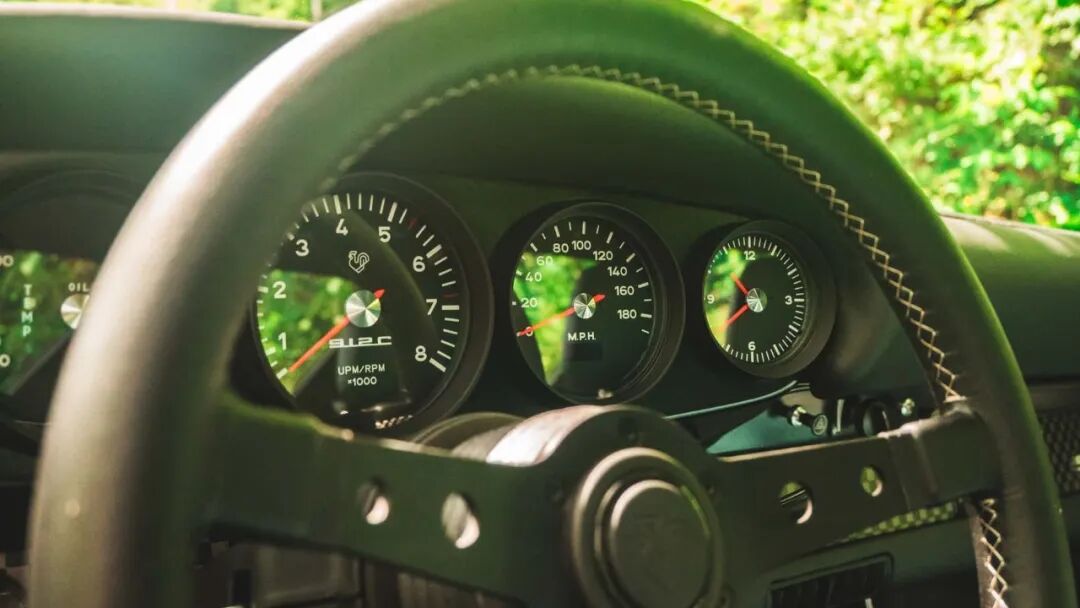
The BMW M3 mentioned at the beginning may indeed often give the impression that it has “broken through” its weight limitations, and its suspension system performs excellently, but the overall body is relatively stiff, and you can clearly feel the suspension system straining to control the vehicle’s weight, striving to maintain stability.
Even the Golf GTI, while not a heavy car, cannot match the composure of the 912C.
Cars like Ferrari and Porsche equipped with fully active suspension systems can come very close to the driving feel of a truly lightweight vehicle, but there are still moments when you can feel the weight of the car.
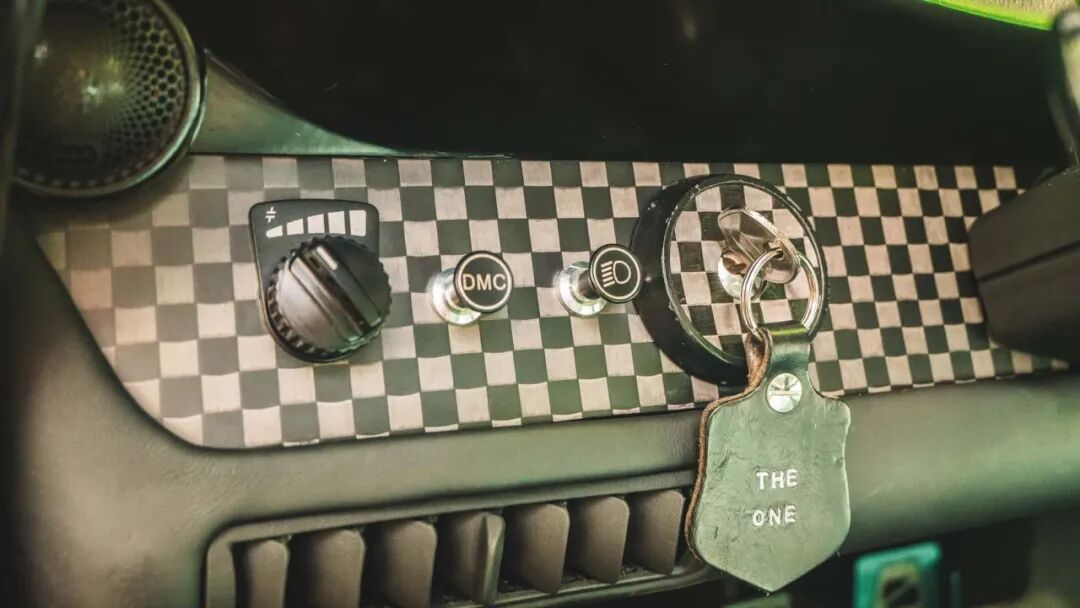
Modern automotive suspension, braking, and tire systems perform exceptionally well in controlling vehicle weight, but they can never completely mask the effects of weight. The Ferrari Purosangue, which has excellent body posture control, can even make drivers forget they are driving an SUV.
However, during braking, you suddenly realize you are driving a considerably heavy vehicle, as you can clearly feel the car straining to control its own weight. The Porsche Taycan Turbo GT is similar, but this sensation may be amplified due to its extreme speed.
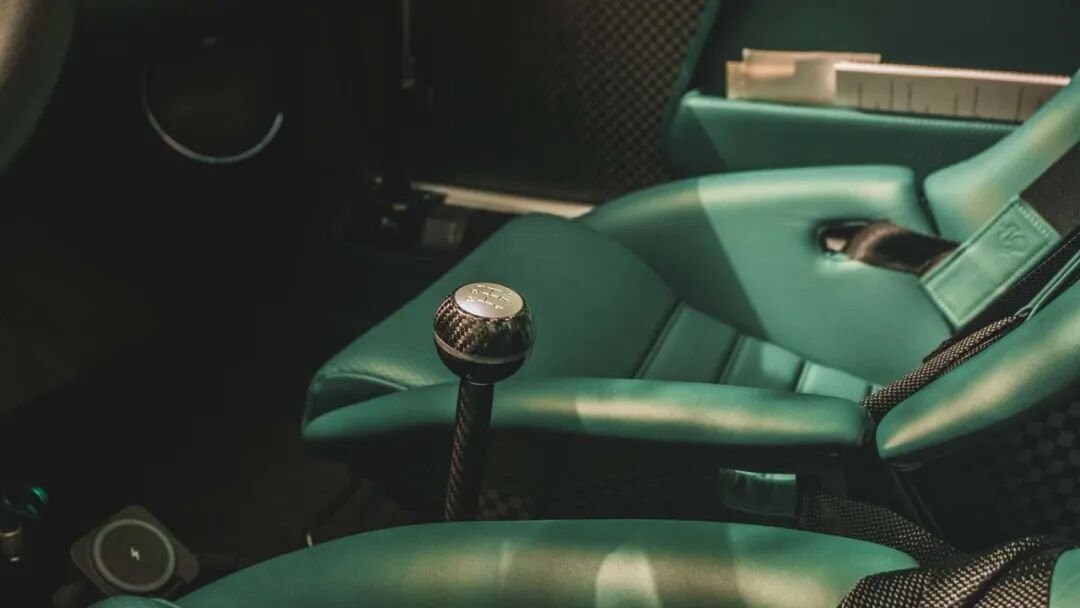
However, when driving a lightweight vehicle like the 912C, you will never experience this “weight sensation.”
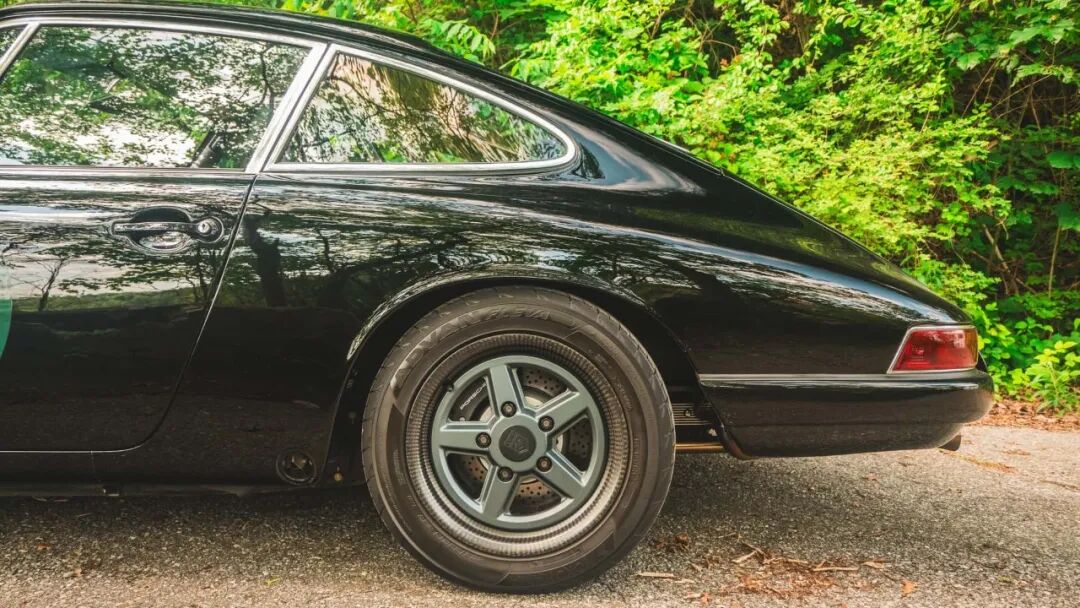
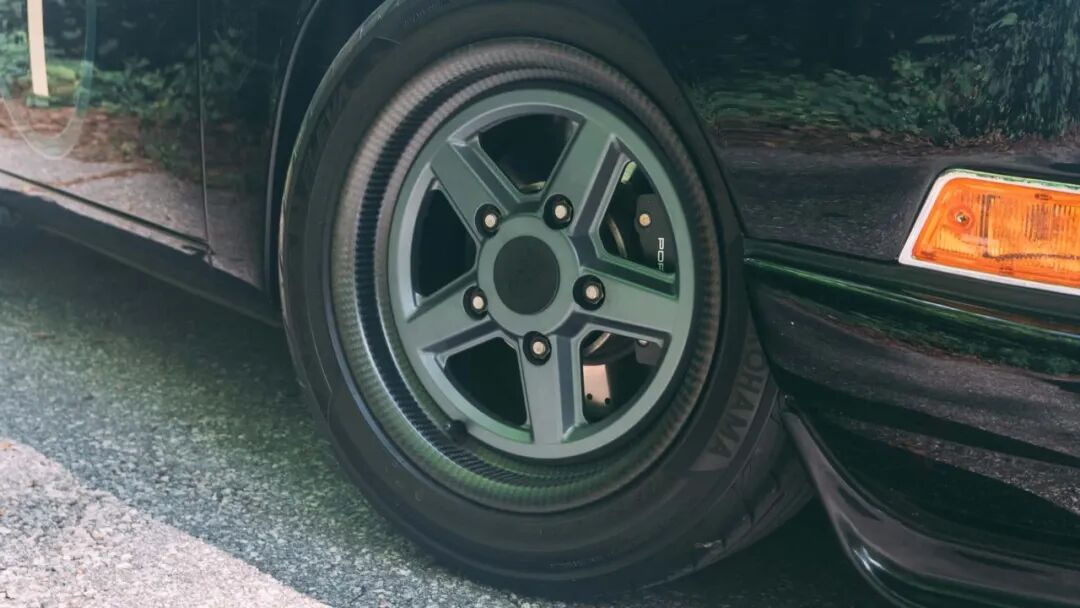
Moreover, the 912C is by no means a slow car; its power-to-weight ratio is comparable to that of the Porsche 718 Cayman S, and with the excellent grip provided by Yokohama tires with a width of 195 and a wear index of 200, along with the strong braking force from the large brake system, driving it is no problem at all compared to a brand-new Cayman.
This model crafted by Kazmer does not hide its lightweight identity.
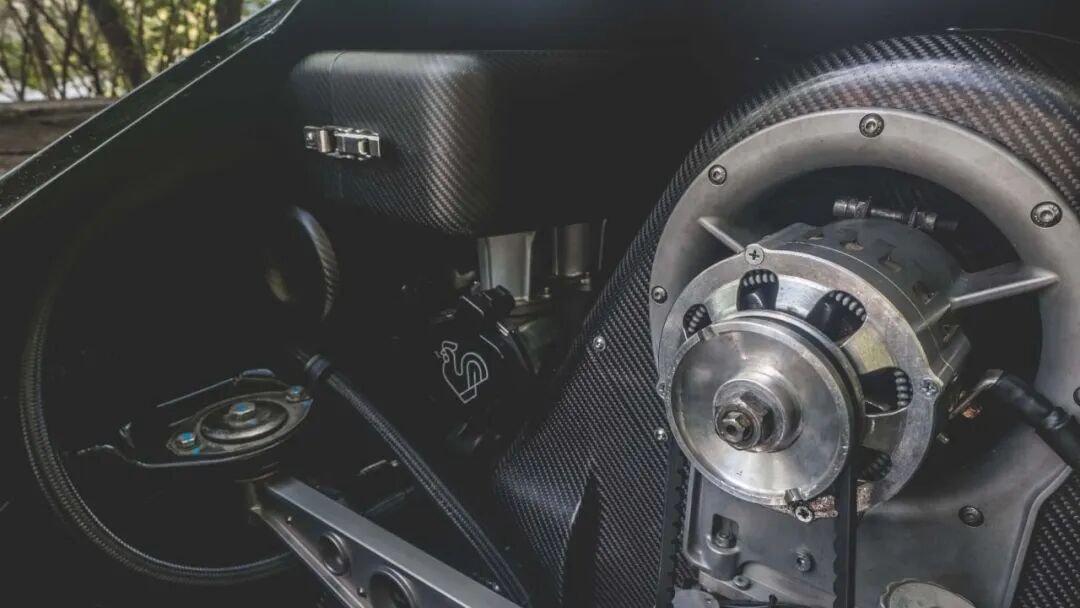
The engine cover and front fenders transition naturally between the exposed glossy carbon fiber and the paint, and you cannot feel any connection marks when you touch it. The engine cover is secured by two racing-style latches, and the hinges are made of exquisite perforated aluminum alloy, with no supporting rods, requiring manual support.
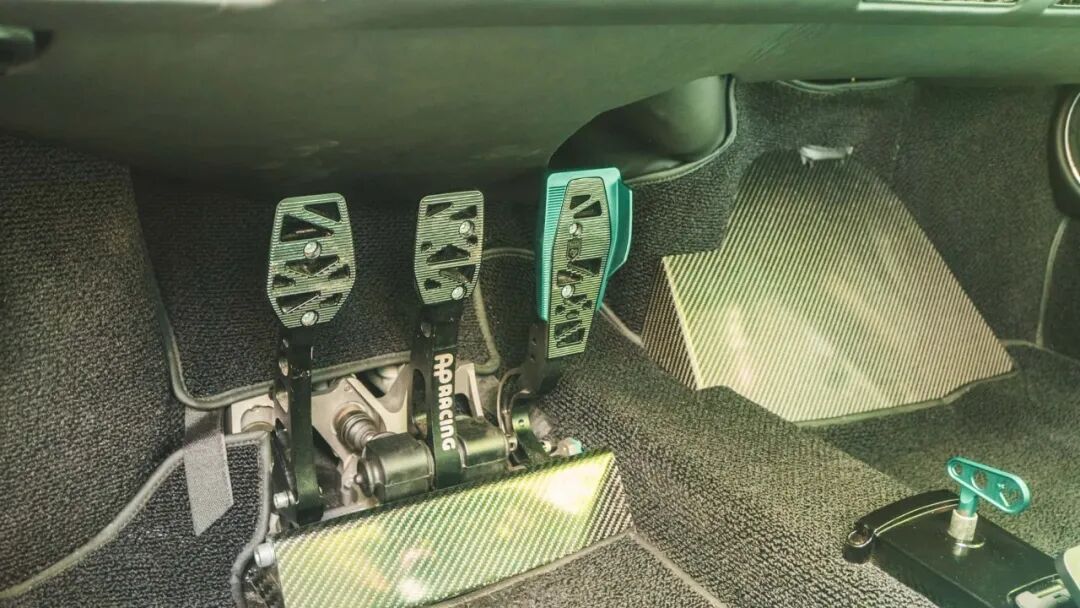
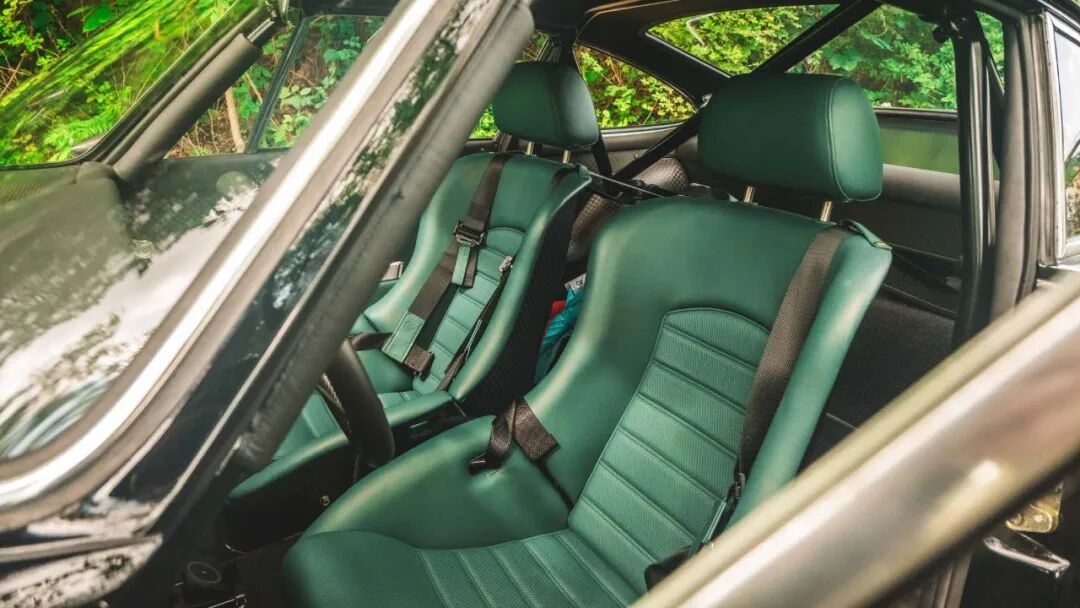
The interior also showcases lightweight design: custom door panels, dashboard, and seat backs are made of high-quality carbon fiber trim, yet the overall feel is not simplistic. In this display car, green leather is used for the interior, and it is equipped with a hidden Bluetooth sound system, wireless phone charger, and the aforementioned electric air conditioning, ensuring all comfort features are present.
Of course, owning such a lightweight vehicle comes at a high price, with a base price of 350,000 euros, not including the cost of the original model for modification. This is a significant amount, and unless you have an unbreakable obsession with ultra-lightweight classic cars, it is hard to make the decision to purchase.
However, it is definitely worth experiencing; the 912C constantly reminds us of the tremendous performance improvements that weight reduction can bring to a car.
In the past, owning a lightweight vehicle was not difficult. The first-generation Mini had a curb weight of just over 580 kg and was considered a small family car at the time. Today, lightweight vehicles have become “exclusive to a niche,” and the only option you might have is the Mazda MX-5.
If you are fortunate enough to have the Alpine A110 available in your area, that is also a good choice. Both of these cars have curb weights around 1100 kg, which is considered light by today’s standards, but still falls short compared to classic lightweight models. However, they both retain the unique agile and smooth driving feel characteristic of true lightweight vehicles.
From the $30,000 Mazda MX-5 to the over 350,000 euro Porsche 912C, these models reveal an important truth — some “laws” you can never break, such as Newton’s laws of motion.
More 

 Today’s Signature