In the fields of automation and Industrial Internet of Things (IIoT), Programmable Logic Controllers (PLCs) have played an indispensable role. With the development of network technology, real-time collection and management of PLC data has become a crucial demand for smart factories. MQTT, as a lightweight communication protocol, demonstrates its unique advantages in PLC data collection.
Why Choose MQTT for Collecting PLC Data?
Traditional PLC data collection generally relies on industrial buses or OPC protocols. Although these methods are relatively mature, they have certain limitations, such as high communication load and complex integration. In this context, MQTT stands out with its “lightweight, efficient, and easily scalable” characteristics, making it particularly suitable for IIoT application scenarios.
The MQTT protocol adopts a Publish/Subscribe model, which, compared to the traditional Request/Response model, consumes fewer resources and has lower network bandwidth requirements. This feature makes it especially suitable for industrial network environments with low bandwidth and high latency. By using an MQTT broker (message middleware) for message distribution, it not only simplifies the system architecture but also facilitates the integration of PLCs with cloud platforms or other systems.
How Does MQTT Achieve Direct Collection of PLC Data?
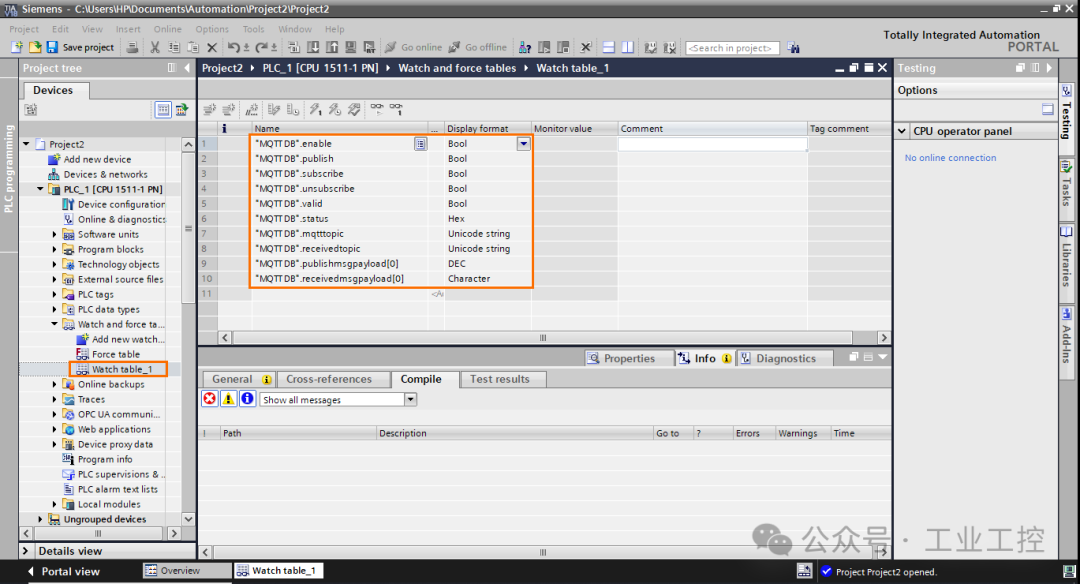
To implement PLC data collection via MQTT, the following main steps are typically required:
- 1.Deploy MQTT Client: Deploy an MQTT client on the collection device or edge gateway. This client needs to support PLC communication protocols, such as Modbus or S7, to establish a connection with the PLC device.
- 2.Data Point Mapping: Configure the mapping of address points in the PLC (such as registers or bit data) to MQTT topics, ensuring that data can be published to the MQTT broker in the correct format.
- 3.Publish MQTT Messages: The client periodically collects PLC data and publishes it to the specified MQTT topic. When publishing data, formats such as JSON or binary can be chosen to accommodate subsequent processing.
- 4.Data Subscription and Processing: Other systems (such as local data processing modules or cloud platforms) subscribe to the corresponding topics to obtain real-time data for monitoring, analysis, or further processing.
Products Supporting MQTT
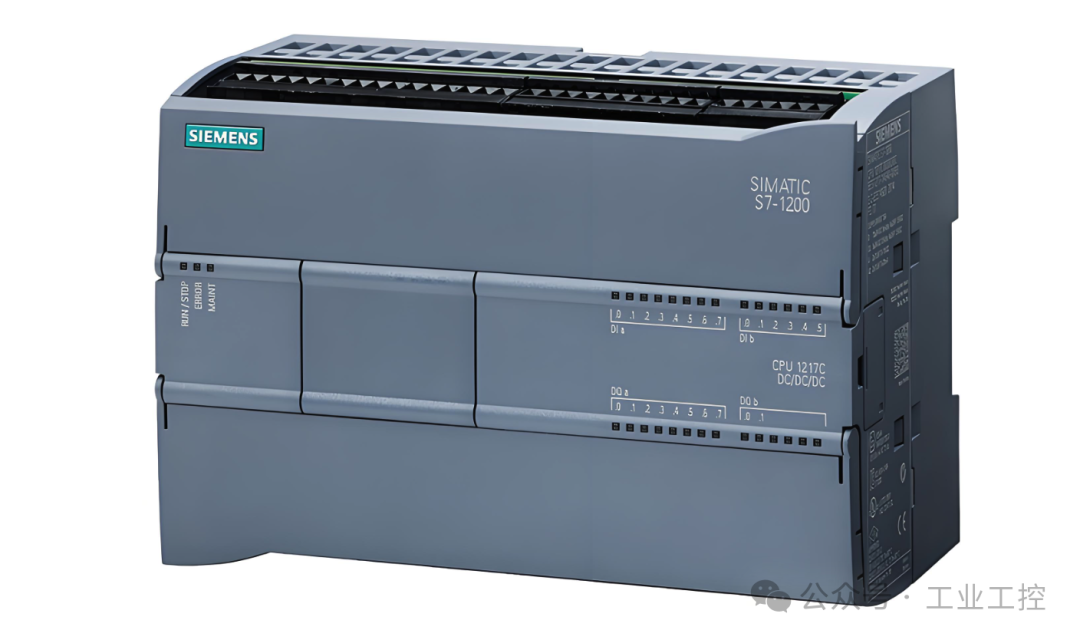
- 1.Siemens
- S7-1200 and S7-1500 series: Support MQTT protocol through library files, easily connecting to MQTT services.
- 2.Schneider Electric
- Modicon M262: Supports embedded MQTT protocol and provides cloud connection services, suitable for industrial IoT applications.
- 3.Beckhoff
- TF6701 IoT Communication Library: Supports MQTT protocol integration, pushing PLC data to public cloud IoT platforms or other MQTT brokers.
- 4.Phoenix Contact
- PLCnext: An open control platform with built-in MQTT SDK, supporting various high-level languages (such as Python, C, etc.), facilitating IoT integration.
Advantages and Typical Application Scenarios
- 1. Strong Real-time Performance: The lightweight architecture of MQTT ensures lower transmission latency from PLC to application systems, guaranteeing real-time performance.
- 2. Easy Integration: Through the MQTT protocol, PLCs can easily connect with various heterogeneous systems, including cloud computing platforms and big data analysis systems.
- 3. High Scalability: The topic mechanism of MQTT is very flexible, making it easy to expand collection points to meet the growing industrial data demands.
- 4. Low Network Resource Consumption: Suitable for resource-constrained and high-latency industrial scenarios, such as remote oilfield monitoring and energy consumption tracking.
Typical application scenarios include:
- Real-time collection of factory production data and cloud storage.
- Remote monitoring of distributed devices (such as photovoltaic power station monitoring).
- Industrial fault early warning through real-time collection and analysis of PLC data for anomalies.
With the continuous development of IIoT, the position of MQTT in industrial communication is becoming increasingly prominent. Through the above processes and technical means, MQTT can achieve efficient collection of PLC data and provide a reliable communication bridge for smart factories.
Recent Hot Articles:
| All Wired Up!!! The Differences Finally ClarifiedClear Serial Assistant!!! AmazingAmazing!!! Full Integration of ERP, MES, and PLC DataIt’s 5G Now! Why Isn’t RS-485 Being Phased Out???Finally Clarified: Modbus Master and Slave |