Click the blue text
Follow us

In the morning, sunlight penetrates the curtains, and the indoor brightness adjusts automatically; the coffee machine starts working after sensing the owner getting up, and the smart speaker plays soothing background music. The deep integration of the Internet of Things, big data, and artificial intelligence technology is transforming traditional home spaces into a highly intelligent living ecosystem, a “new species” that can sense, learn, and make proactive decisions has intruded into our private domain. The convenience brought by smart homes is self-evident: it simplifies tedious daily chores, making life more efficient and comfortable. However, like many technological innovations, the other side of this coin hides profound ethical risks and social challenges.

A Silent Transformation from Automation to Intelligence
Current discussions around smart homes often present two somewhat fragmented tendencies: one is a narrative of technological and market optimism, focusing on product functionality iteration and enhanced experiential scenarios; the other is a critical reflection on social and ethical issues, warning of potential privacy breaches and technological dependency. Between the two, there is a lack of an analytical framework that penetrates phenomena and points directly to the core. This article aims to bridge this gap by adopting a critical perspective from Science and Technology Studies (STS), viewing smart homes as a complex “socio-technical” system. The author believes that the core ethical risks of smart homes are not accidental technical vulnerabilities but rather the inevitable manifestation of specific algorithmic logic and business models within the intimate realm of the home. We will delve into how it systematically intervenes and reshapes power and labor relations within the family, as well as the boundaries of the home as a private space.

The “New Snail Girl” in the Digital Age:
How Algorithms Solidify Inequality in Household Labor
Smart homes seem to liberate people from household chores, but the embedded algorithms and design logic subtly reshape and solidify the power and labor division within the family. This reshaping occurs in a subtle and covert manner, transforming traditional physical labor into a new form of “finger-tip labor,” which may exacerbate existing inequalities.
1.1
From Physical Labor to Finger-Tip: The New Form of Invisible Housework
Traditional household labor, such as cleaning, cooking, and laundry, is visible and perceptible in its process and results. However, with the popularity of smart homes, a large amount of household labor has shifted to online and interface-based operations, such as remotely controlling a vacuum robot via a mobile app, coordinating shopping lists in family WeChat groups, or booking classes for children online. These “digital housework” tasks, centered on finger operations and interface management, are obscured by mobile screens, and their emotional communication costs become invisible due to their textual and fragmented nature.
In the paper “Digital Economy, Family Division of Labor, and Gender Equality” by Zhang Xun et al., it was pointed out that the development of the digital economy has not reversed the traditional family division of labor in China, where “men work outside and women manage the home”; rather, it may have exacerbated gender differences in family time allocation by reinforcing the comparative advantages of husbands in work and wives in household chores (Figure 1). This has led to the emergence of a new type of labor division: men may be more inclined to undertake technical tasks such as installing, setting up, and maintaining smart home devices, while women may take on more fragmented, always-online “digital housework” and emotional communication costs. This evolution of the division of labor makes household labor itself more hidden, difficult to recognize and evaluate, shaping the “new snail girl” of the digital age.
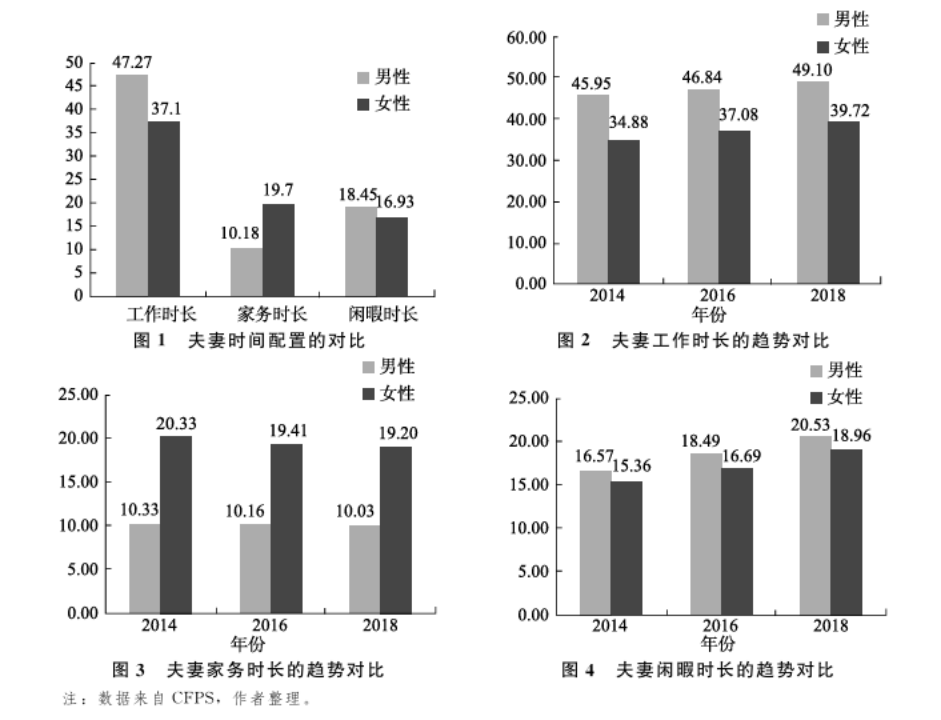
Figure 1: Source from
“Digital Economy, Family Division of Labor, and Gender Equality” original paper
A deeper observation is that this trend of invisibility creates an interesting tension with some women consciously making household labor visible on short video platforms. A study by the Publishing Institute of the University of Shanghai for Science and Technology found that some housewives record and share the household process in detail, exposing the originally hidden and undervalued labor to the public eye. This behavior not only expresses emotional labor and self-worth but also resembles a silent protest against the “invisibility” of internal household labor and a demand for external compensation, which contradicts the lack of recognition of digital housework in the private sphere, thereby reinforcing the core theme of invisible labor, revealing that when traditional forms of labor become invisible at home, people need to establish their value and presence through new digital platforms.
The table below shows the digital evolution process of household “invisible labor”:
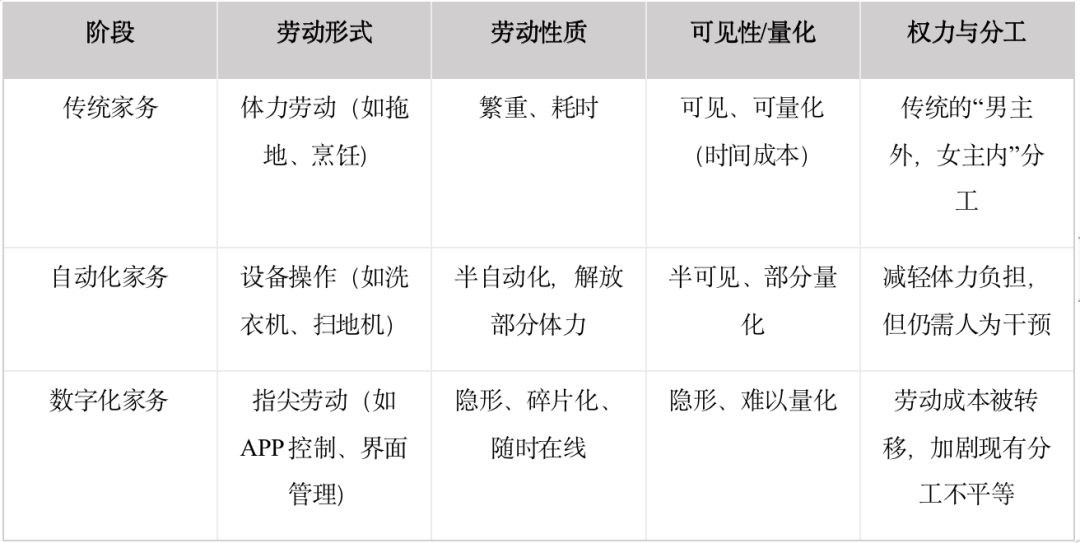
Table 1: Evolution of Household Labor (Author’s Creation)
1.2
Bias in the Technical Script: When AI Has a “Female Voice”
In the design of smart homes, a recurring technical script is to default smart devices (especially the central voice assistants) to a gentle, submissive, always-ready female service image. This is not merely a technical choice but a writing and solidification of social gender stereotypes. The 2019 report by UNESCO, “If I Could, I Would Blush,” pointed out that this feminized default setting reinforces the bias of viewing women as auxiliary and subordinate roles.
However, the root of this problem goes far beyond product design itself. A deeper analysis reveals that this bias is inherent in the technical development process and training data. According to a report from UN News, the frequency of women engaging in household labor in the training corpus of large language models (LLMs) is four times that of men. Moreover, women’s names are more often associated with words like “home,” “family,” and “children,” while men’s names are associated with “business,” “management,” and “career.” When these socially biased language data are embedded in the natural language processing (NLP) and generative AI models of smart voice assistants, they automatically transmit this inequality to users, normalizing and naturalizing an unequal interaction pattern of command and obedience.

Figure 2: Cover of “If I Could, I Would Blush”,
Image source: UNESCO official website
However, the root of this problem goes far beyond product design itself. A deeper analysis reveals that this bias is inherent in the technical development process and training data. The 2020 report by the UN Department of Economic and Social Affairs, “The World’s Women: Trends and Data,” pointed out that globally, women spend three times as much time as men on unpaid household and caregiving work, approximately 4.2 hours, and women’s names are more often associated with words like “home,” “family,” and “children,” while men’s names are associated with “business,” “management,” and “career.” When these socially biased language data are embedded in the natural language processing (NLP) and generative AI models of smart voice assistants, they automatically transmit this inequality to users, normalizing and naturalizing an unequal interaction pattern of command and obedience.
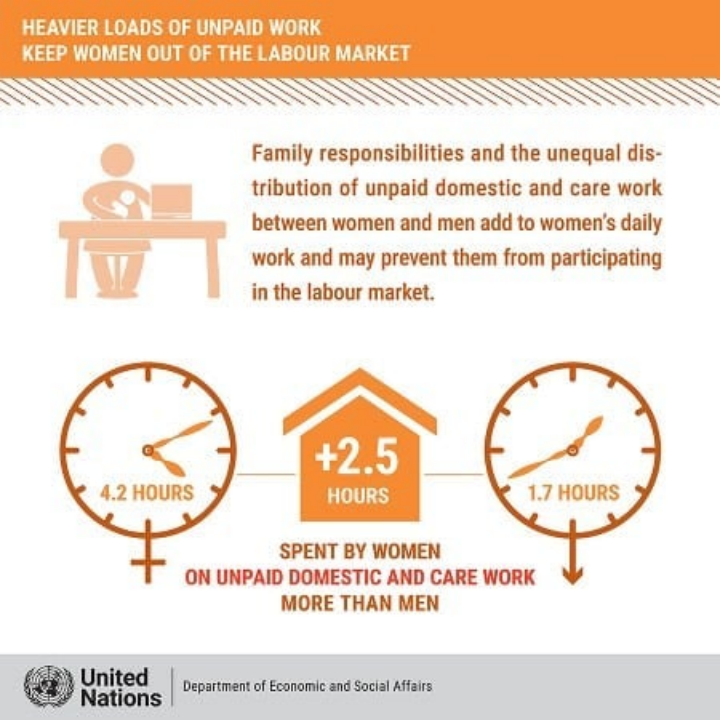
Figure 3: Infographic from “The World’s Women 2020”: Women spend 4.2 hours daily vs. Men 1.7 hours (≈3 times), Source: United Nations DESA, The World’s Women 2020 – Infographics
This phenomenon creates a concerning cycle: social biases in the real world shape the training data of algorithms; training data solidifies the inherent biases of algorithms; and these biased algorithms, in turn, influence and shape user behavior patterns, thereby invisibly reproducing social biases. Therefore, to address this issue, we cannot merely stop at changing the voice packs; we must start from the source—diversifying the development teams and ensuring fairness in training data, which is the true remedy.
1.3
Who is the “Technical Sovereign” at Home? The New Differentiation of Digital Power
The popularity of smart homes may also give rise to new power differentiation within families. The installation, setup, maintenance, and updating of devices often require a certain level of expertise and skills. This activity, referred to by scholars as “technical labor,” is more aligned with traditional masculine traits due to its association with control and efficiency. This makes male members more inclined to participate, gradually shaping them into the “technical subjects” of the family.
The “2023 China Smart Home Appliance Consumption Insight White Paper” points out that on some home appliance content consumption platforms, such as Bilibili, the proportion of males in the home appliance audience is higher than that of females, and users under 24 account for over 40%. This data indicates that young men have a higher interest and mastery of smart home products, and they are more willing to actively learn and consume related content. When one party in the family gains the definition and control of smart devices, they may further distance themselves from other traditional household chores, making the boundary between “technical labor” and “emotional and managerial labor” more rigid. This control over technology becomes a new source of power, likely reinforcing and solidifying the original division of labor under technological empowerment.

Data Colonialism:
The Erosion of Family Privacy and Commercial Exploitation
If the “technical script” of smart homes acts on the power relations within the family, then the risk of “data colonialism” directly challenges the fundamental attribute of the family as a private fortress. The concept of data colonialism originates from the book “The Costs of Connection: How Data Is Colonizing Human Life and Appropriating It for Capitalism,” which argues that we now live in a new era of colonization, where violence and coercive appropriation are no longer necessary conditions of colonial reality. Under the architecture of the Internet of Everything, the home is no longer a closed physical space but a vast data production field.
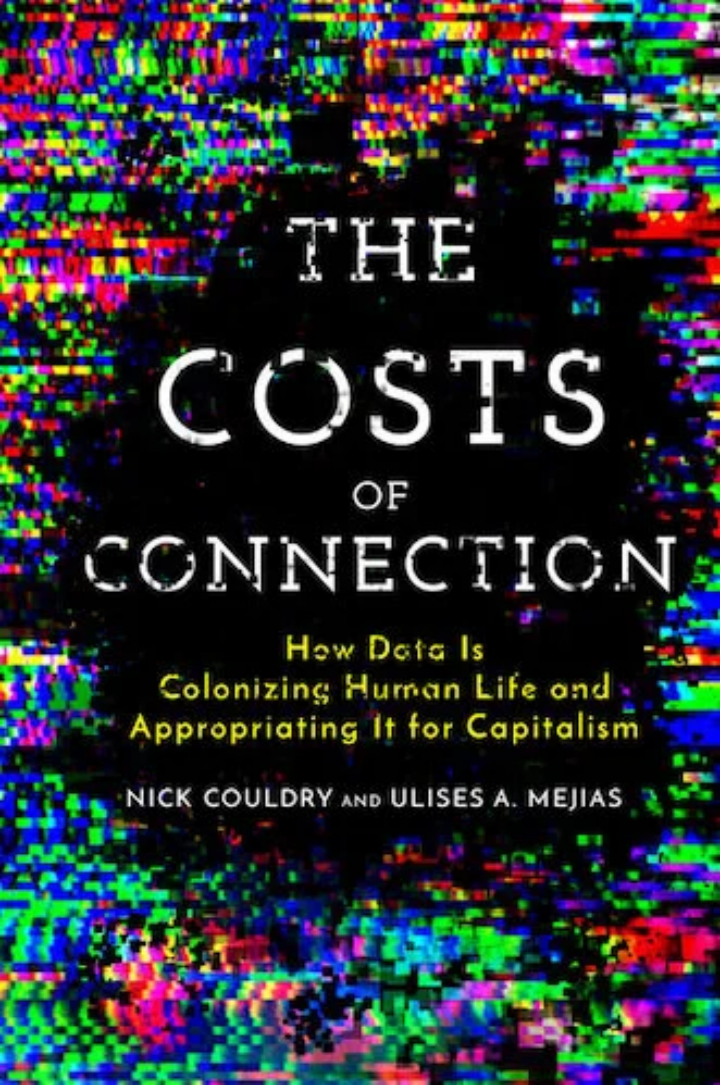
Figure 4: Book, Source: http://www.nickcouldry.org/thecostsofconnection
2.1
Family Data: The Shift from Privacy to Asset
The core essence of “data colonialism” lies in the social relations of data commodification, extracting data from people’s daily lives without compensation for profit. Smart cameras, connected door locks, voice assistants, and other devices essentially deploy countless data tentacles within the home to connect to the outside world. These devices continuously collect highly sensitive personal information: smart scales collect users’ height, weight, and heart rate; security cameras record video information reflecting users’ living conditions; smart locks log unlocking times, fingerprints, and facial features; smart speakers record users’ voice conversations. These data, based on aggregated analysis, can establish extremely detailed family profiles and be used for precise commercial marketing, even extending to broader commercial exploitation, which is the infiltration of surveillance capitalism.
2.2
When Privacy Becomes a “Calculation”: The Dynamic Game between Users and Technology
Dynamic Game
In the face of this systemic erosion of privacy, users are not entirely passive; they are engaged in ongoing privacy calculations. This refers to the dynamic trade-off users make between enjoying the conveniences brought by technology (benefits) and exposing personal information (risks). Research has found that users do not always fall into the “privacy paradox” (i.e., verbal concerns but behavioral neglect); instead, they develop various “proactive privacy management” behaviors, such as placing cameras only in public areas like the living room, disconnecting certain devices when not needed, or consciously avoiding using certain sensitive features.
Some companies have also begun to pay attention to the privacy game of users. For example, Huawei’s smart life app provides a switch for “personalized recommendations,” which users can turn off at any time. When users choose to participate in its “user experience improvement plan,” companies also need separate authorization and promise to encrypt uploaded and stored data. This, to some extent, returns some choice to users, allowing them to engage in proactive privacy management.
However, the deeper implication of this phenomenon is that the complex “calculations” and “management” that users are forced to undertake reflect the design flaws of the system—it unfairly shifts the responsibility and cost of protecting privacy onto users. This phenomenon reveals that the boundaries of family privacy are no longer a fixed wall but a “zone” dynamically generated through negotiation, game, and compromise among users, technology, and business models. The real challenge lies in how to achieve truly user-centered privacy protection through design rather than relying on users’ self-defense, without increasing users’ cognitive burden and operational costs. This points to the direction for innovative solutions discussed below.

Towards a Human-Centered Intelligent Future:
Innovative Governance Paths
To address the structural challenges posed by smart homes, we cannot rely solely on technical fixes; we must build a multi-layered, collaborative governance system encompassing technology, law, design, and social norms. This article will focus on proposing three more forward-looking and actionable innovative paths to respond to the ethical risks mentioned earlier.
3.1
From “Black Box” to “Transparency”:
Empowerment of Explainable Artificial Intelligence (XAI)
To address the user helplessness and trust crisis caused by the opacity of smart home decisions, the introduction of Explainable Artificial Intelligence (XAI) is crucial. XAI (Explainable Artificial Intelligence) is a technology aimed at making the decision-making process of AI models more transparent and understandable.
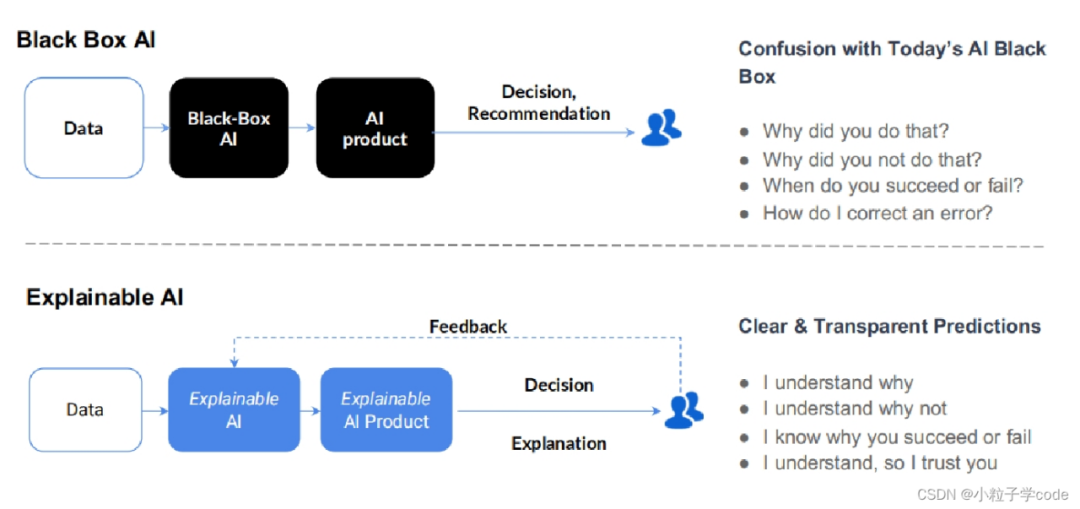
Figure 5: XAI (Explainable Artificial Intelligence)
Process diagram,Source: https://www.163.com/dy/article/FB72OGIV0511HC3Q.html
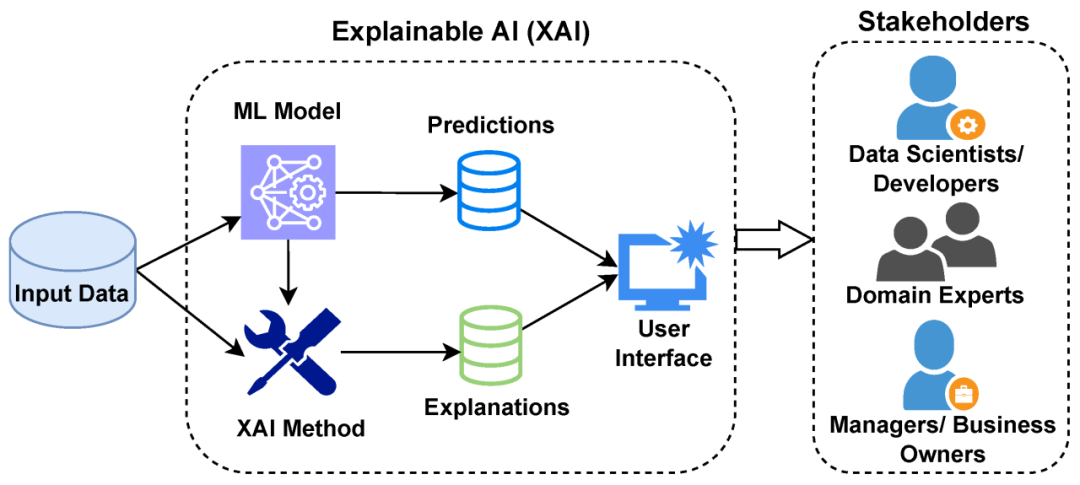
Figure 6: XAI Data Flow/Stakeholder DiagramSource: MDPI Journal MAKE paper “XAIR: A Systematic Metareview of Explainable AI”
Currently, many decision-making processes in smart homes are a “black box” that ordinary users find difficult to understand. When a smart oven automatically sets cooking curves based on ingredients, or a smart thermostat automatically adjusts the temperature, users do not know the basis for these decisions. This opacity can lead to frustration and helplessness, even causing a trust crisis in technology.
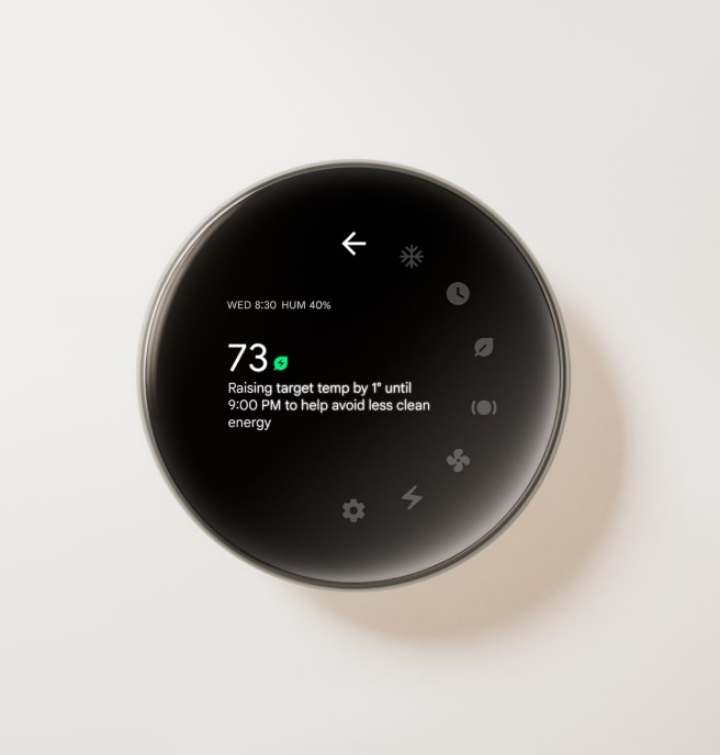
Figure 7: Smart Thermostat UI (Nest Thermostat),
Source: Google Store
XAI aims to transform the AI decision-making process from “black box” to “transparent.” The explanations it provides not only help technical experts understand and debug models but also enable ordinary users to comprehend the decision logic of AI, thereby building trust.
For example, when a smart refrigerator recommends a recipe, XAI can explain its decision basis: “Based on the types of ingredients recognized by the camera (such as potatoes and beef) and your health preferences, I recommend this dish.” In security scenarios, when the system issues a “stranger intrusion” alert, XAI can further explain its decision logic: “Based on system comparison, this facial image has a similarity below the threshold with the family member database, and its movement trajectory is abnormal, thus judged as an unknown person.” This transparency allows users to evaluate, question, or even refute AI’s decisions, transforming users from passive recipients into active participants. This experience of “knowing not only what but also why” is truly a “human-centered” smart home.
3.2
Reshaping Data Ownership: Exploring Decentralized Architectures
To fundamentally overturn the logic of “data colonialism” and return data ownership and control to users, it is necessary to explore cutting-edge technologies such as blockchain and decentralized identity (DID). The root cause of the current model lies in the fact that data ownership and control are held by centralized platform companies.
Blockchain can provide “digital identities” for IoT terminals, ensuring data ownership and providing a foundational environment for data value exchange. On this basis, decentralized identity (DID) and self-sovereign identity (SSI) models have emerged. Their core mechanism is that users have unique control over their digital identity and data through public-private key pairs, without relying on any centralized registries or identity providers. This can be understood as equipping each family with a “data safe” that only they can manage the key to.
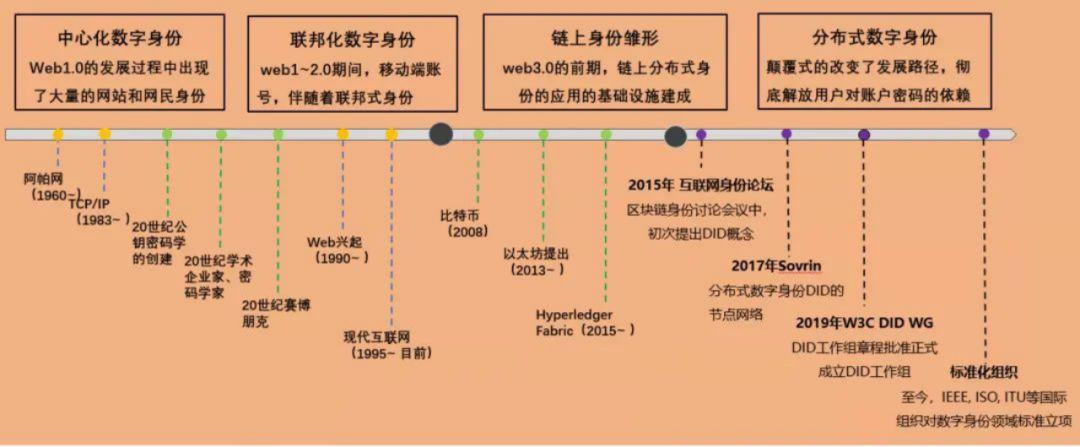
Figure 8: Historical Development Stages of Digital Identity,
Source: https://www.theblockbeats.info/news/29892
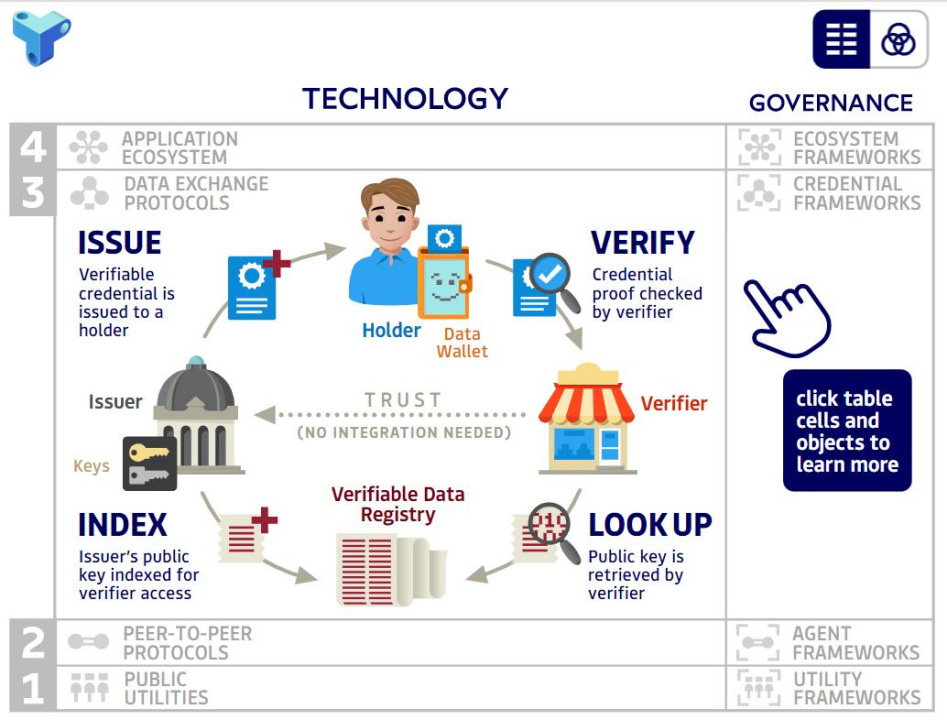
Figure 9: W3C DID Architecture Relationship Diagram,
Source: https://www.theblockbeats.info/news/29892
In this model, the data generated by smart home devices (such as heart rate data from smart scales, voice data from smart speakers) no longer defaults to being uploaded to cloud servers but is first owned and controlled by users locally. When companies need this data to provide personalized services or conduct commercial analysis, they must request it from users and obtain authorization through encryption, anonymization, or compensation. This model can fundamentally change the underlying logic of data circulation, transforming users from “uncompensated data laborers” to “data owners,” achieving the marketization of data and returning the rights of privacy protection to users.
3.3
Privacy by Design: From Concept to Practice
In addition to innovating at the technical level, governance must also undergo transformation from the source—namely, the product design philosophy—to address systemic privacy erosion. The theory of Privacy by Design advocates that privacy protection and data security should not be an added feature of products but should be embedded throughout the entire system design process, becoming a core component.
This theory includes seven principles, such as “proactive rather than reactive, prevention rather than cure,” “data protection as the default setting,” and “positive-sum rather than zero-sum” (consumers should not have to choose between privacy and functionality).
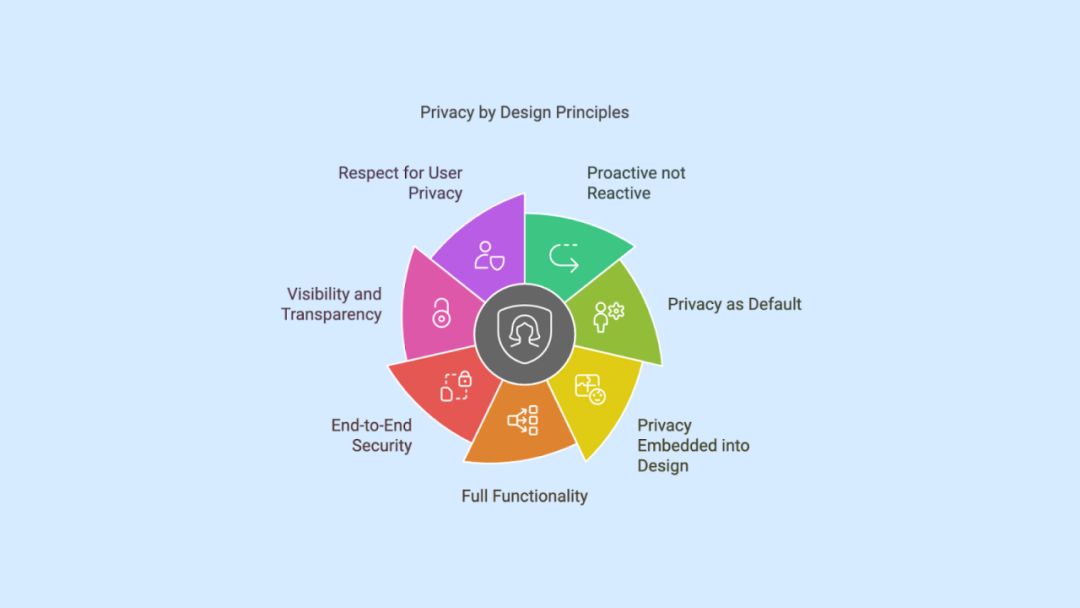
Figure 10: Seven Principles of Privacy by Design,
Source: https://thesecmaster.com/blog/7-foundational-principles-of-privacy-by-design
Some leading companies have already begun to put these principles into practice. For example, in Huawei’s smart life app, turning off personalized recommendations for minors and requiring separate authorization for third-party sharing reflect the principles of default settings and respect for users. Additionally, the customer case study article published by Amazon Web Services (AWS) mentions that companies like TCL have also regarded security compliance as a top-down strategy, providing comprehensive guarantees from organizational, process, and budgetary levels, indicating that successful governance is not only a technical issue but also a reflection of corporate culture and strategic decision-making, aiming to eliminate rather than shift the burden of privacy management from users through design.
Guarding the “Poetic Dwelling” of the Digital Age
AI-driven smart homes, through their inherent technical scripts, data biases, and data colonial logic, are subtly reshaping the power and labor relations within families and eroding the boundaries of the family as a private space. These risks are not accidental, easily fixable vulnerabilities in technological development but rather structural products under the combination of specific technological paradigms and business models.
To address these challenges, we cannot rely solely on technical fixes; we must build a multi-layered, synergistic governance system: enhancing transparency and user agency through Explainable AI (XAI), challenging the data ownership paradigm through decentralized architectures, embedding ethical norms from the source through “privacy by design,” and supplementing with corresponding legal and social norms. We must recognize that the future of smart homes should not lead to a “circular prison” fully controlled by algorithms but should be a “poetic dwelling” where technology serves human dignity, emotions, and creativity. Achieving this vision requires us to transcend blind worship or fear of technology, with a clear critical spirit and proactive constructive actions to jointly shape a more humanistic intelligent future.
References
[1] Zhang Xun, Yang Zi, Tan Ying. Digital Economy, Family Division of Labor, and Gender Equality.
National Development Research Institute, Peking University, 2023.
[2] Song Meijie, Xing Yufang. The “Snail Girl” in the Digital Age: Digitalization of Housework
and the Invisibility of Women’s Labor Research[J]. Publishing Institute of the University of Shanghai for Science and Technology, 2025.
[3] UN News. Gender and Racial Bias in AI Models is Shocking, Urgent Need for
Diverse Teams and Fair Data to Correct[N]. UN News, 2024.
[4] Ultralytics. How AI is Changing Our Daily Lives:
Detailed Explanation of Smart Home Technology.
https://www.ultralytics.com/zh/blog, 2024.
[5] iResearch Consulting. 2023 China Smart Home Appliance Consumption Insight White Paper.
iResearch Consulting, 2023.
[6] China Academy of Information and Communications Technology. Smart Home Data Privacy and Security White Paper.
China Academy of Information and Communications Technology, 2020.
[7] Huawei. Huawei Smart Life Privacy Statement.
https://privacy.consumer.huawei.com, no year.
[8] Amazon AWS. Building Smart Home Security Solutions Based on Amazon Bedrock Agents and
Rekognition.
https://aws.amazon.com/cn/blogs, 2024.
[9] China Academy of Information and Communications Technology. Research Report on AI Ethics Governance.
China Academy of Information and Communications Technology, 2023.
[10] Unnamed. Explainable AI: a Smart Home
Testbed for Non-experts[C].
Proceedings of the 14th International Conference on Agents and
Artificial Intelligence, 2022.
[11] Dongfang Caifu Securities. The Application of Decentralization and Blockchain in the Internet of Things.
Dongfang Caifu Securities, 2020.
[12] SECURESS. Decentralized Identity (DID) Technology: Concepts,
Frameworks, and Practical Applications. https://www.secrss.com, no year.
[13] Wikipedia. Decentralized Identity.
https://zh.wikipedia.org/zhtw/%E5%8E%BB%E4%B8%8D%E5%BF%83%E5%8C%96%E8%AD%98%E5%88%A5, no year.
[14] Fuzhou University. Smart City Data Privacy and Security White Paper.
Fuzhou University, 2021.
[15] MorethanDigital. 7 Principles of Privacy Design.
https://morethandigital.info, no year.
[16] ZTE Corporation. Privacy Protection Design: From Concept to Practice. ZTE Corporation, 2022.
[17] TCL Industry. TCL Industry Case Study.
https://aws.amazon.com/cn/solutions/case-studies, 2023.
Written by: Li Chunlei
Edited by: Yu Jingwen
Reviewed by: Zhang Jiayi
Formatted by: Shen Ziqi

Like us

Share us

Like us