Q / Haishen
A / Crab Claw Upwards
Previous Issues Review





Cool Questions with Experts
This week, we will answer the following questions for car enthusiasts
- What causes inconsistent chassis height?
- How to self-learn ECU tuning?
- How can I make the cooling fan start earlier?
- How to make braking more linear?
- Is upgrading brakes meaningful?
- Why do different models of the same transmission use different oil standards?
What causes inconsistent chassis height?
Q: Hello, I recently upgraded to 18-inch wheels with 225/40/18 tires and replaced the Tein short springs. After the replacement, I found that the left rear wheel is lower than the right rear wheel, and the left rear wheel has a larger camber angle than the right. What could be causing this, and how can I resolve it? A technician suggested I replace the rear suspension adjustable link. Is this solution feasible?
—— By Huang @ 10th Generation Civic Manual Luxury Edition
A:First, regarding the issue of the left rear wheel being lower than the right rear wheel.
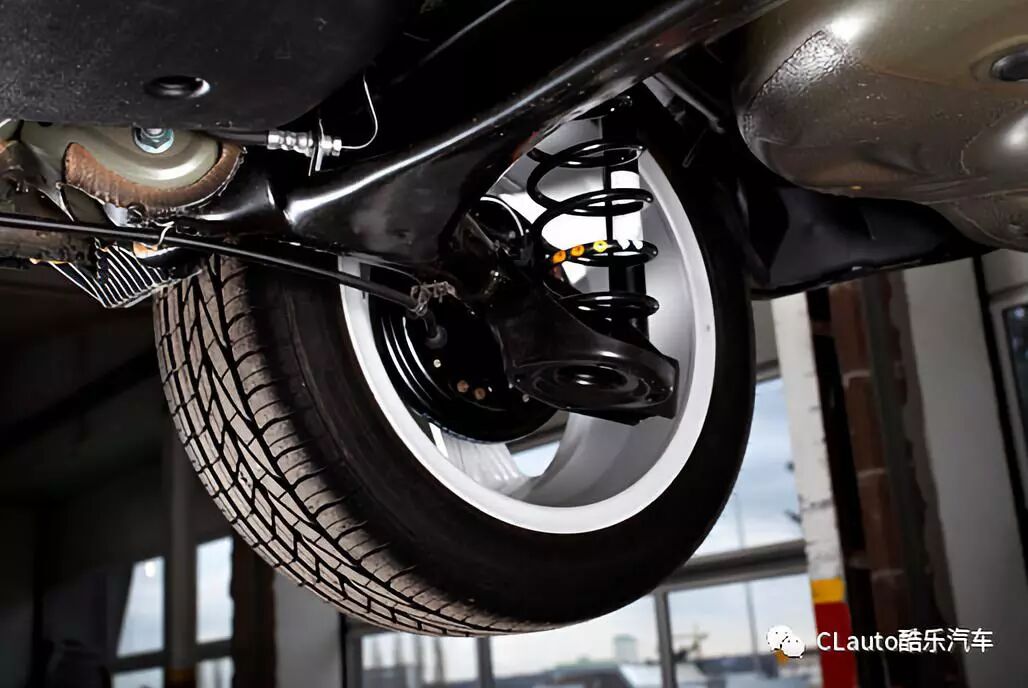
This difference in chassis height is likely due to weight distribution. It could be an installation issue, a parts issue, or deformation of other components.
It is best to first measure the length of the left and right springs after the vehicle is on the ground to confirm.Additionally, if the spring ends are not flat, they need to align with the slots on the base. Some models have springs that are directional and cannot be installed incorrectly.
Secondly, regarding the larger camber angle of the left rear wheel compared to the right rear wheel.
The difference in camber is likely caused by the height difference. Therefore, the height issue needs to be resolved first before assessing this aspect.
If after adjusting the height appropriately, there is still a significant difference in camber, then you can check some adjustable parts on the suspension at that time.
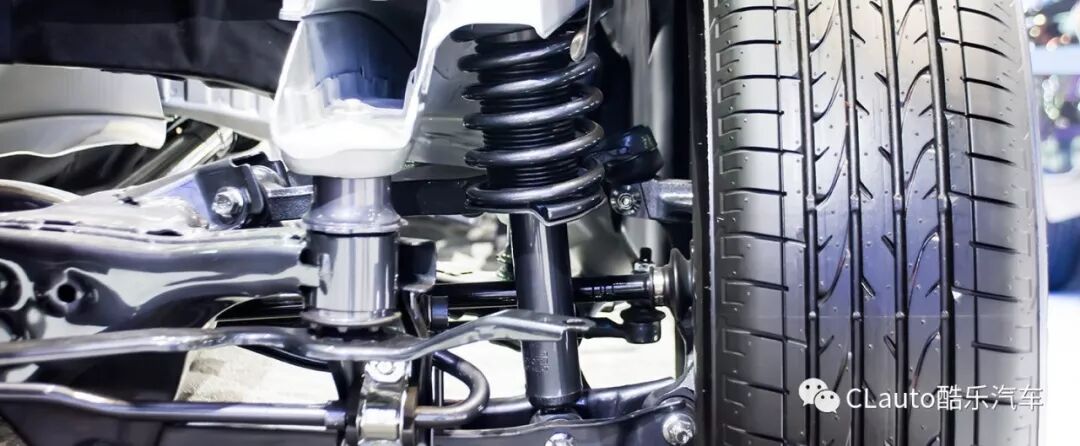
I am not sure if the “suspension adjustable link” you mentioned refers to the anti-roll bar link. If it does, the factory anti-roll bar link or a properly set adjustable anti-roll bar link should not cause a difference in chassis height.
If you use an adjustable anti-roll bar link to correct the chassis height, it would be counterproductive.
How to self-learn ECU tuning
Q: Recently, I upgraded my Toyota 86 with an HKS GT3 turbo and developed a strong interest in ECU tuning. How can I learn to tune the ECU based on my vehicle’s condition?
—— Zhen | Bullet @ Toyota 86

A:The foundation for learning ECU tuning is having a good command of English. Many academic resources are in English.
You can follow this sequence step by step:
- First, learn the principles and structures of engine, turbo, and other components.
- Next, study various sensors, data streams, and the common or factory control logic of your vehicle model.
- Finally, purchase a set of ECU writing tools and download various ECU software like Motec, and try tuning according to your vehicle.
- Once you have developed judgment and analytical skills, you can also check foreign forums.
When you first attempt to tune the program, it is recommended to find the factory program and gradually make small adjustments based on it. Avoid making too many adjustments at once, and do not proceed further until you have identified and resolved the current instability issues.

Some advice regarding your Toyota 86 with the HKS GT3 turbo
For naturally aspirated engines with turbo upgrades, many engine hardware tests are required, and the corresponding program is quite complex. Many factory settings may need to be rewritten.
If you are a complete beginner in programming, it is advisable to be cautious and not overly pursue power. It is best to find a technician or tuner who is very familiar with your configuration to consult and learn from.

Finally, the “Engine Management” series of articles may help you.
-
Cool Column | Practical Issues to Know When Tuning ECU – Engine Management Vol.01
-
Cool Column | If You Can’t Even Read Data, How Can You Say You Like Modified Cars? – Engine Management Vol.02
-
Cool Column | What to Pay Attention to When Modifying Intake? What Are the Ways to Increase Air Intake? – Engine Management Vol.03
-
Cool Column | How to Choose Fuel, Tune ECU, and Blow Up Everything – Engine Management Vol.04
-
This Air-Fuel Ratio/Fuel Injection Amount Took Me Three Months to Tune, Just to Be Faster Than You – Engine Management Vol.05 | Cool Column
-
Cool Column | An Overlooked Link: How Important Are Fuel Injectors? – Engine Management Vol.06
How to Make the Cooling Fan Start Earlier?
Q: I used OBD to read the data from my car and found that the cooling fan only starts at 99 degrees Celsius when idling or driving slowly (without much airflow). However, if I turn on the air conditioning, it starts at 90 degrees. So, when doing cooling laps on the track or entering the pit, would it be better to turn on the air conditioning to force the fan to start for cooling? After all, I just finished a sprint. Is this method scientifically sound? Would it prevent the temperature difference from maximizing?
—— By Kar @ BRZ

A:Using air conditioning to start the cooling fan is not a very suitable approach.
When the air conditioning is activated, the air conditioning condenser also releases heat, and this heat is near the coolant radiator. Additionally, starting the air conditioning system increases the engine load, which increases heat release. Whether the fan’s cooling effect is greater than the heat release from the air conditioning condenser depends on your usual data statistics.

If you want the cooling fan to start earlier, there is a simpler method:
Since the starting conditions for each fan speed are calibrated in the ECU, you can set the starting conditions in the ECU according to your needs. For example: when the water temperature sensor reaches 90°C, start the fan at low speed, turn it off at 85°C, switch to high speed at 99°C, and switch back to low speed at 95°C.
If this method does not work, you can also consider bypassing the factory ECU control and modifying the fan circuit for manual control or adding a temperature sensor for automatic control.

How to Make Braking More Linear?
Q: The brake pedal feels soft at the beginning and suddenly locks up when pressed deeply. I want to improve the braking effect at a relatively low cost, hoping to achieve a more linear braking feel. Will simply replacing the steel brake line achieve a certain effect? Or should it be combined with brake pads and disc upgrades?
—— By Tao @ Axela

A:First, what you described is quite normal. For the sake of ride comfort, some models are designed with this kind of brake feel from the factory.
Therefore, after excluding the factory design, the first thing to consider is the brake fluid or air in the lines.Old or heavily used brake fluid, or improper operation during brake fluid replacement, can lead to this non-linear brake feel.Carefully replacing the brake fluid may improve the situation.
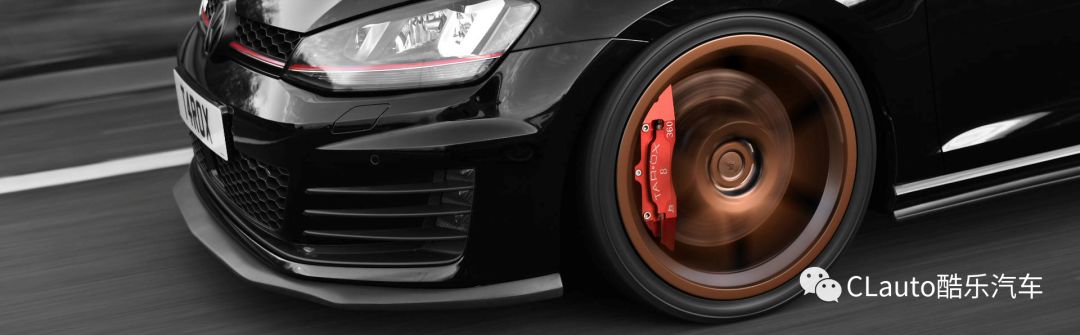
Compared to the factory rubber brake lines, steel braided lines can indeed improve this issue during hard braking. However, it should be noted that steel lines are prone to leaking and need to be checked regularly or replaced promptly.
Once you confirm that the brake fluid and calipers are in good condition, replacing with more linear brake discs and pads can also change the pedal feel.

Is Upgrading Brakes Meaningful?
Q: For brake upgrades, I am looking for a solution that provides strong braking force while being lightweight. Besides switching to carbon fiber brakes, are there other options? Some say that upgrading the rear brakes is basically meaningless, but I see that racing cars often have similar sizes for front and rear brake discs, while Audi RS and AMG have a front 6 and rear 1 configuration. What is the reason for this?
—— By Caesar @ Jaguar F-Type Standard Edition

A:The brake system does have a significant impact on unsprung mass, so from this perspective, it is advisable to use lightweight (smaller size) brake discs, pads, and calipers. However, from the perspective of heat storage, dissipation, and wear life of the discs and pads, the friction area should be as large as possible.
Therefore, in practical use, it is preferable to prioritize high-performance models. Only when high-performance models still cannot meet the braking force or temperature requirements should you consider increasing the size.
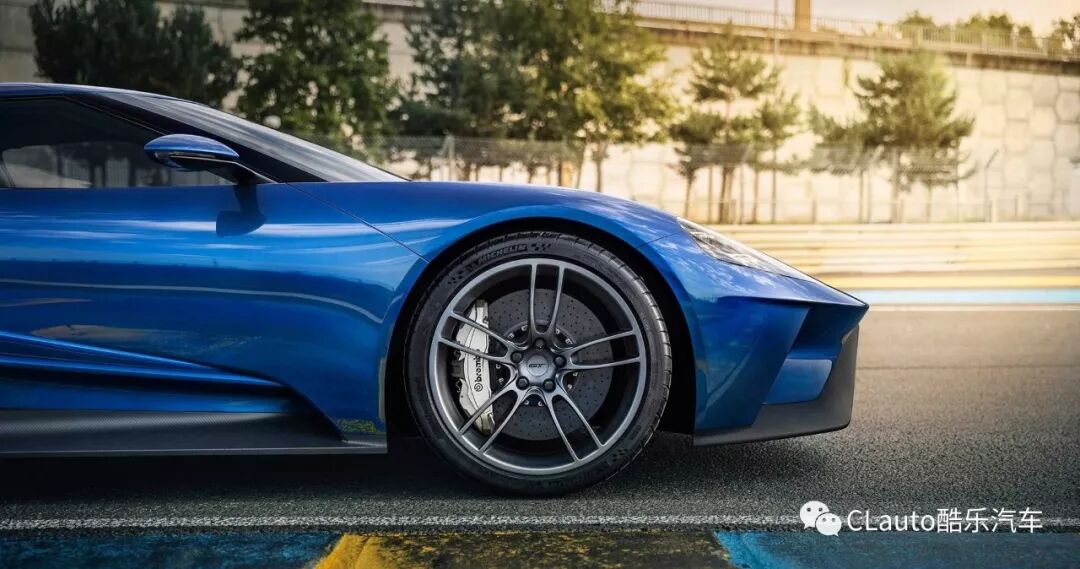
Generally speaking, during hard braking, the rear tires have less grip than the front tires. To prevent the rear tires from locking up before the front tires, the braking force of the rear brake system is usually less than that of the front brake system. This is a fundamental premise for brake upgrades.
Under this premise, you can control the front and rear braking force distribution ratio through different disc and pad combinations, as well as the settings of the brake force distribution valve. The goal is to maximize the longitudinal deceleration grip of each tire in a straight line and prevent the rear tires from locking up too early when cornering.
Therefore, in the overall braking system of a vehicle, upgrading the rear brakes is not meaningless.

Indeed, some racing cars retain the original rear brake system, only replacing the discs and pads. This is done partly due to budget constraints and partly because the demand for rear brakes is not very high for drivers.

Why Do Different Models of the Same Transmission Use Different Oil Standards?
Q: Recently, I wanted to change the transmission fluid in my MX-5 and found that the manual states the transmission fluid needs to meet JWS3309 certification. However, my car’s transmission is from Aisin, the same as the one used in the Toyota Reiz 2.5. The transmission fluid for the Reiz needs to meet Toyota ATF WS certification. I am a bit confused.
—— By Do. @ Mazda MX-5 NC

A:First, even if the manufacturer lists the same transmission model, it is unlikely that the transmissions of two different models are identical, at least the gear ratios and TCU programs will differ.
Differences in common torque ranges and maximum torque limits may also lead to different requirements for oil types.You can check the data specifications from transmission manufacturers like Aisin; if the oil is of the same model, then it can be used.
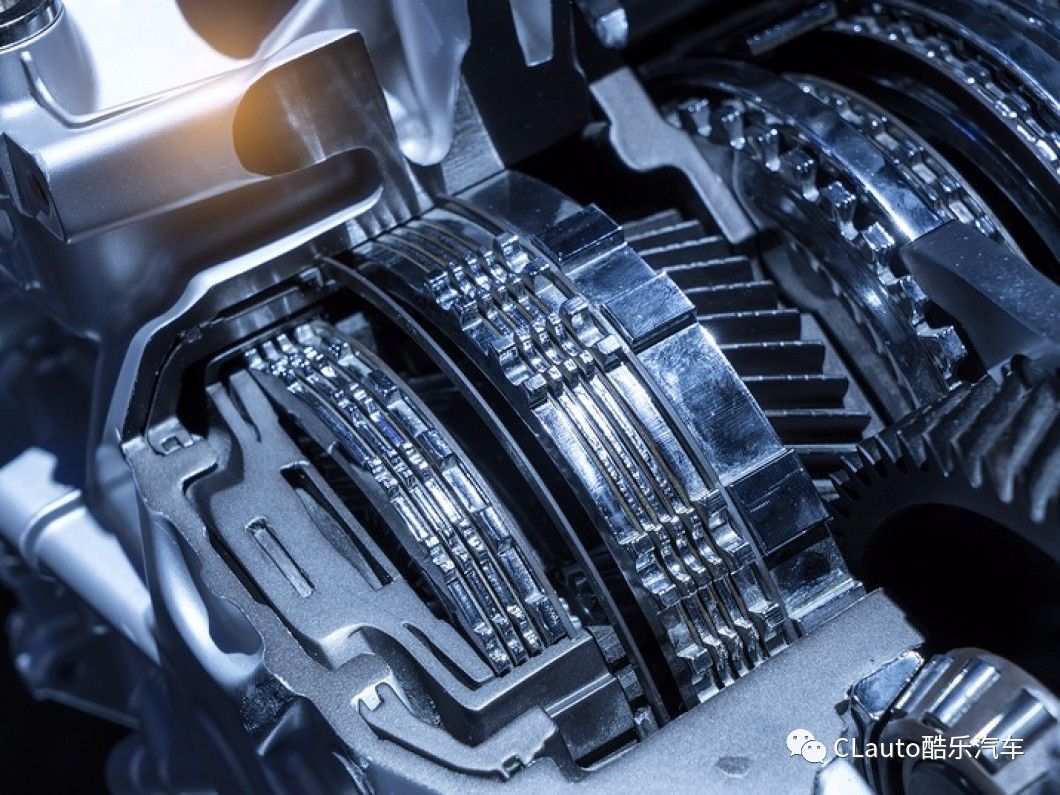
Additionally, when selecting transmission fluid, using a model with factory certification is generally safe, but it may not necessarily be the most suitable in terms of performance.
The purpose of oil brands obtaining manufacturer certifications is mainly for sales convenience, helping users choose products from that brand. The number of certifications and the model’s class do not necessarily correlate with the quality or performance of the oil. In other words, some oils that do not have certification for your model may still be suitable for use, and sometimes they may even perform better.
During the process of modifying, using, and enjoying vehicles, if you have any questions regarding vehicles, modifications, or driving techniques, please clickRead Original or scan the QR code below to let us know, and we will pass them to the experts for one-on-one answers!

To ensure that everyone’s questions are answered by the experts, we hope that when asking questions, you can:
- Clearly and unambiguously state your question.
- Make the question specific and targeted.Avoid broad questions that leave the experts unsure of how to respond.
- Avoid subjective questions.For example:Is this suspension sufficient? Is this car comfortable to drive?
On this basis, we will do our best to ensure that every car enthusiast’s question is answered.
More
- Porsche | Dad or Dad – Electric Taycan 2.8 breaks 100, surpassing 911 GT3 RS, 7 minutes 42 seconds at Nürburgring
- ¥129, Japanese imported JDM engine keychain, produced by Tomei engine experts, FA20 coming soon, 10 pieces | Cool Goods
- Bugatti | Honoring Dreams! Chiron tested speed exceeds 300 miles (490km/h) – A great world record
- Toyota | Want a hybrid version of Supra? This generation is impossible, wait for the next generation!
- Cool Daily Signature | September 6 # Bloodline #
Today’s Signature