01
In 2005, the International Telecommunication Union (ITU) released the “ITU Internet Report 2005: Internet of Things” at the World Summit on the Information Society in Tunisia, systematically articulating the concept of the Internet of Things (IoT) for the first time. This report covers various aspects including forms, technical systems, and industrial structures, and is regarded as the starting point for the global industrialization of IoT. The report pointed out that by embedding short-range transceivers into tools and everyday items, a new form of communication between people and things, as well as between things themselves, could be achieved, providing connectivity for all things and creating a new dynamic network.
02
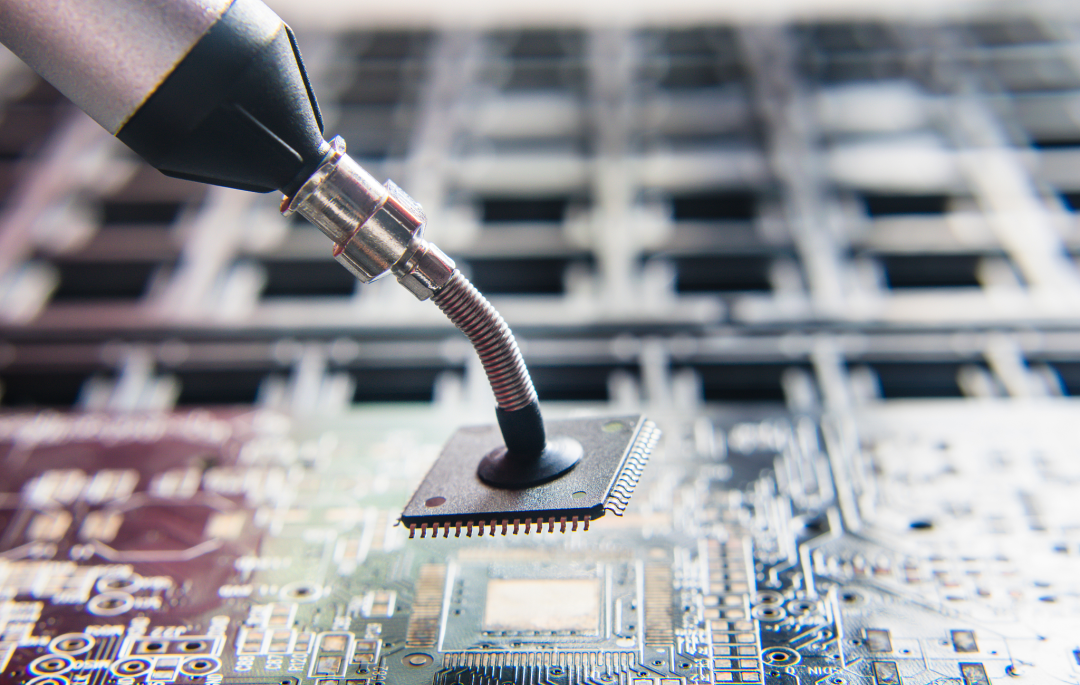
The ITU report emphasized that the development of IoT relies on technological innovations across multiple fields such as wireless sensors and nanotechnology. Radio Frequency Identification (RFID) is a key driving factor, with its wireless communication capabilities and real-time tracking of item lifecycle information being crucial. Sensor technology has evolved from structural to intelligent, capable of collecting, processing, and exchanging information, which has reduced manufacturing difficulty, improved performance, and lowered costs. Over the past 20 years, these technologies have driven the emergence of new products and services, such as the growth of RFID technology from a market size of approximately $1.5 to $1.8 billion in 2004 to $16.8 billion by 2024, deeply penetrating various fields including logistics, transportation, retail, and healthcare.
After the release of the “ITU Internet Report 2005: Internet of Things”, the IoT industry gradually formed and developed rapidly. Since 2006, China has introduced a series of policies to support the development of IoT, promoting its transition from perception to a core industry of the digital economy. The industrial structure of IoT has evolved from the early three-layer architecture of perception, network, and application layers, gradually incorporating edge layers, platform layers, and more, especially after the deep integration of artificial intelligence and IoT, where AIoT has become dominant, continuously refining the segmentation of IoT architecture.
Communication technology has been a direct supporting technology for the rapid development of IoT over the past 20 years. As an international organization, 3GPP’s standardization work for IoT has become a main line for IoT development. Starting in 2005, 3GPP initiated research on Machine Type Communication (MTC), followed by standardization work for IoT terminals, defining different levels of terminals to adapt to the access characteristics of various types of IoT terminals. In 2016, 3GPP froze the LPWAN standards based on cellular networks in the R13 version, including eMTC, EC-GSM, and NB-IoT. In the 5G and post-5G era, IoT technology continues to develop, with standardization work for RedCap, passive IoT, and satellite IoT. Unlicensed spectrum technologies such as WiFi, Bluetooth, and wide-area network technologies like LoRa also support a multitude of scenarios, promoting the prosperity of diverse IoT applications.

03
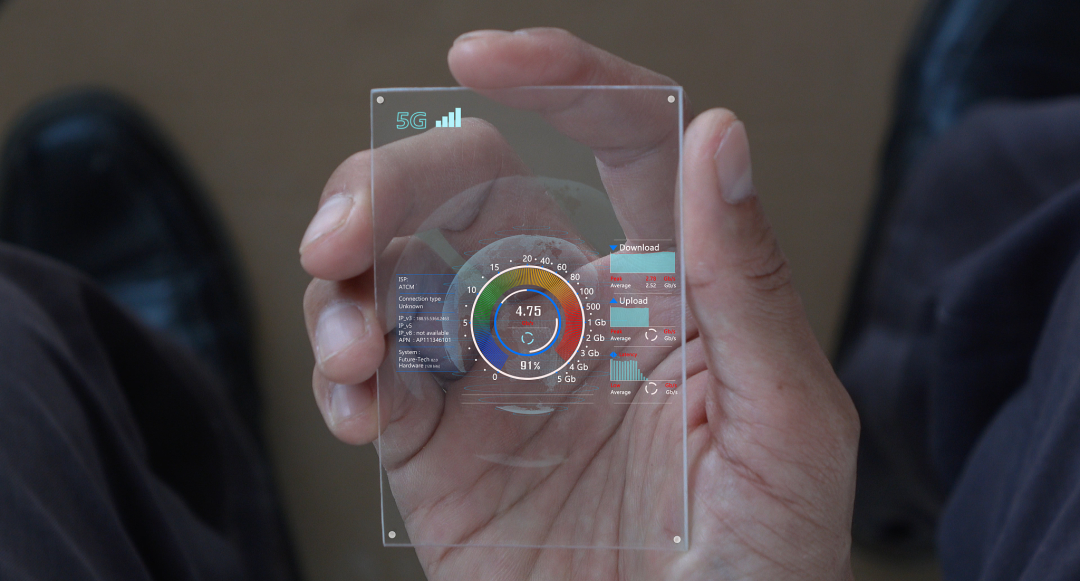
With the development of artificial intelligence, the deep integration of AI and IoT, termed AIoT, has become the core business model of the new phase of IoT, facilitating the realization of IoT value. By innovating applications based on the massive device data aggregated from extensive connections, and fully utilizing the latest achievements in artificial intelligence, various industries and enterprise users are empowered for digital and intelligent transformation, further amplifying the value beyond connectivity. For example, in industrial scenarios, predictive maintenance applications are formed by modeling and analyzing long-term operational data of connected devices through artificial intelligence, providing early warnings for equipment failures; in smart homes, artificial intelligence technology is applied to offer intelligent living scenarios for household users. The latest achievements in generative artificial intelligence also bring new development opportunities for IoT, as the scale of IoT data is sufficiently large, with distinct objectivity and practicality, providing fresh nutrients for large models and driving application innovation.
04

The “ITU Internet Report 2005: Internet of Things” once predicted that China would become a leader in IoT, a prediction that has become a reality in subsequent developments. Today, China has over 1.4 billion mobile users and 670 million broadband users, leading the world in the number of IoT connections. The development of IoT in China is driven by the rapid overall growth of the Chinese economy, with a clear trend towards informationization and digitization across society, leading to a continuous rise in digital demands for production, life, and social governance, with demand being very evident; there are also numerous enterprises, especially private enterprises, continuously demonstrating innovation and seizing market opportunities to increase the supply of IoT products and solutions. At the same time, the core concept of “people-oriented” is also a key factor driving the 20-year transformation of IoT in China. IoT is gradually integrating into all aspects of production and life; although many people are unaware of the underlying IoT technology, they use it every day, which may be the most significant achievement of the IoT industry over the past twenty years.

·END·
Scan to Follow and Stay Updated

Official Account
Foshan Huigong Network Technology Co., Ltd.
Service Account
Hu塑云
Hu塑小客服


Join us for more industry insights!