Last night, in the ancient city of Xi’an, with the autumn rain drizzling, I wore a jacket and long pants, feeling a bit chilly. Upon landing in Shanghai, I had to take off my jacket to adjust my body temperature to adapt to the external environment. Humans are the most intelligent species on Earth, and so-called artificial intelligence (AI) mimics human cognitive control functions.

When the “skin” of the body, acting as a “temperature and humidity sensor,” detects that the external temperature is too high, it transmits this information through the “nervous system,” or “communication system,” to the “brain,” which is the “processing system CPU.” After processing the information, the CPU sends it through the communication system to the “two hands,” or “actuators,” to take off the jacket and adapt to the external environment. This is what is described in textbooks as “closed-loop control.” Simple artificial intelligence mimics such processes and operations.
Invited by Mr. Zhou and Mr. Zhu from the China Sensor and IoT Industry Alliance, I came to Jiading, Shanghai, to attend the 5th China Intelligent Sensor Development Conference. The Secretary of the Jiading District Committee personally attended the meeting, striving to build Jiading into a hub for integrated circuits and intelligent sensors.
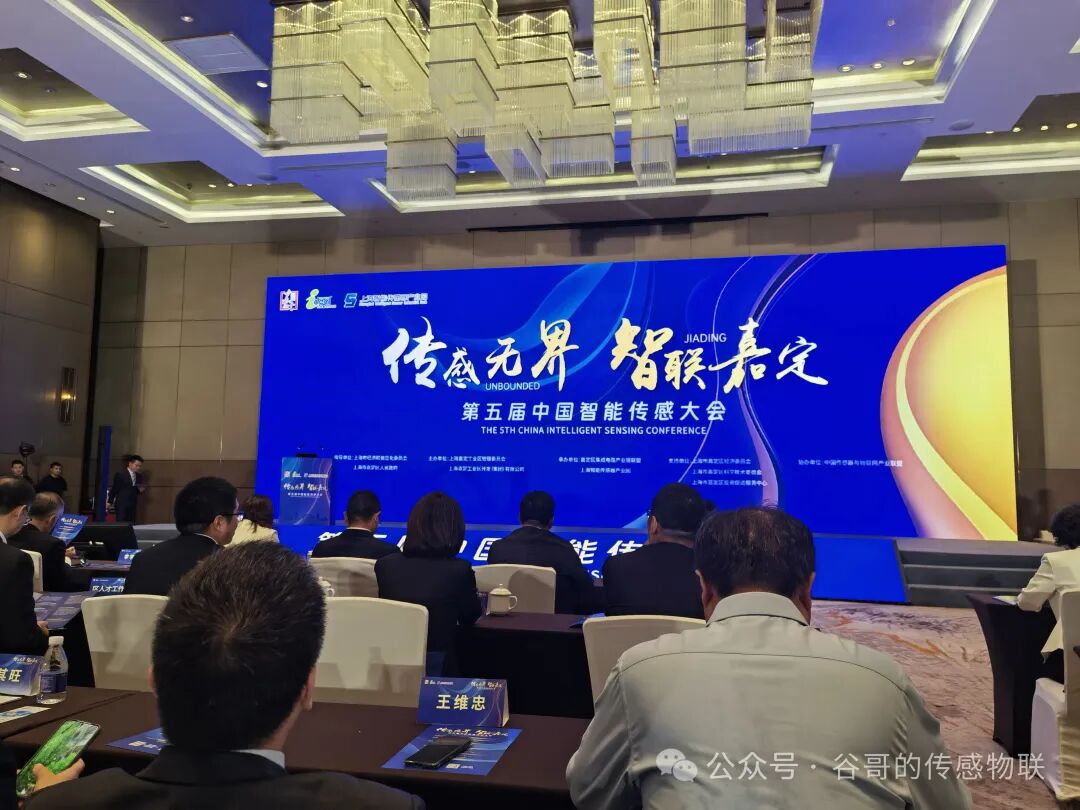
However, as Brother Guo Yuansheng mentioned in his keynote speech, sensors are only a small part of integrated circuits, and there are significant differences between the integrated circuit industry and the sensor industry. It seems that Jiading sometimes mixes sensors and integrated circuits, but at other times separates them. Of course, there are sensors in the form of integrated circuits, especially MEMS sensors, and in some cases, MEMS sensors are integrated with processor ASICs, combining sensing and integrated circuits. In these two cases, the development of integrated circuits and intelligent sensors should be considered the same, as their basic processes are similar, and the demand for talent, processes, and equipment from factories is also similar.
For other types of sensors, it is difficult to categorize them under integrated circuits, and the development approach should differ, as the supply chain and industry chain are not the same. It is suggested that Jiading’s investment promotion policies and execution should be adjusted accordingly.
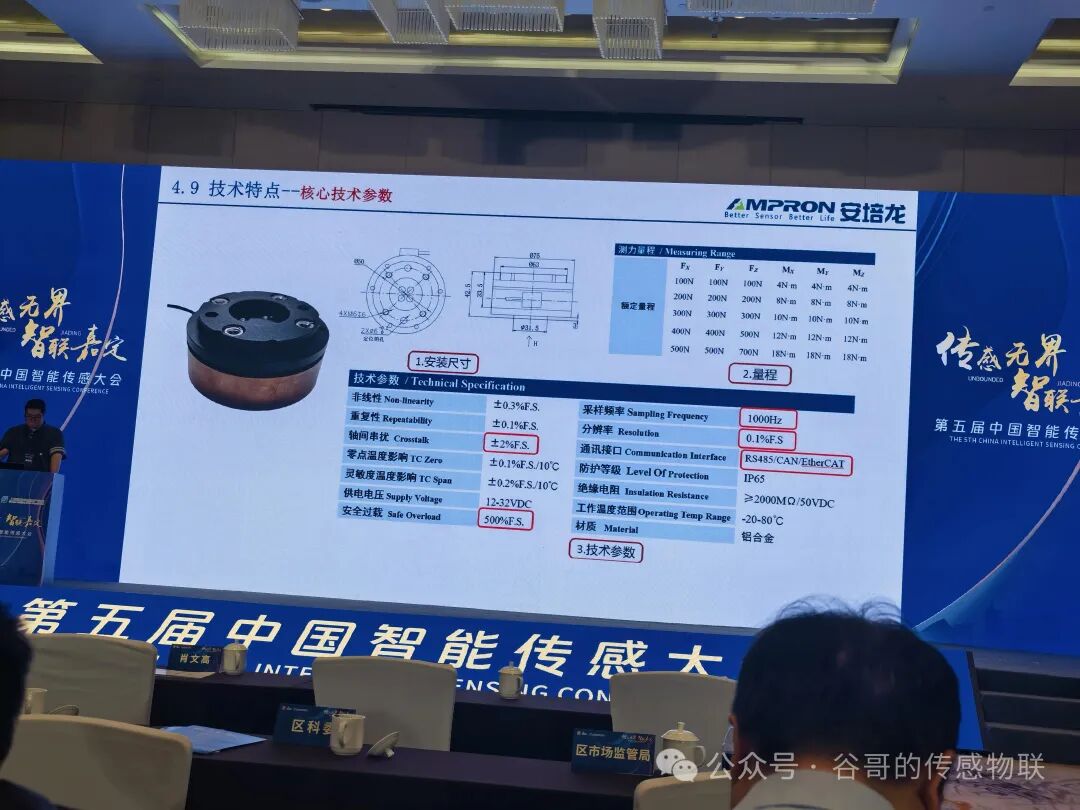
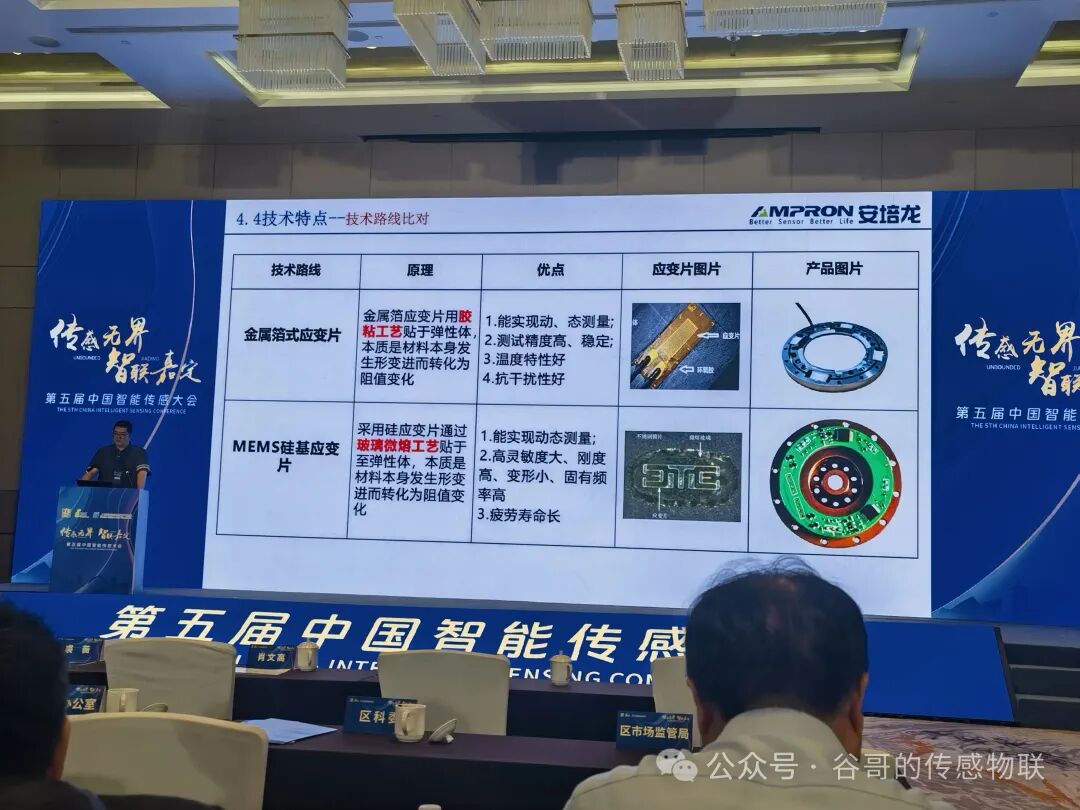 Chairman Wu of Shenzhen Anpeilong Company was supposed to attend in person, but due to a last-minute issue, he was replaced by the R&D director to give a speech mainly on six-dimensional force sensors. As humanoid robots have become a hot topic for sensors currently and in the future, this sparked great interest among the audience. Metal strain gauges and MEMS silicon-based strain gauges are both used in six-dimensional force sensors, and Anpeilong provided some conclusions based on their research and testing, hoping to assist everyone. In fact, other processes can also be applied, such as piezoelectric principles for high-frequency response six-dimensional force sensors. Is there anyone bold enough to use fiber optics to create a six-dimensional force sensor, although the modulator and demodulator should be extremely small?
I believe that based on our MCS technology platform, we can also develop six-dimensional force sensors in the future, which will require further development.
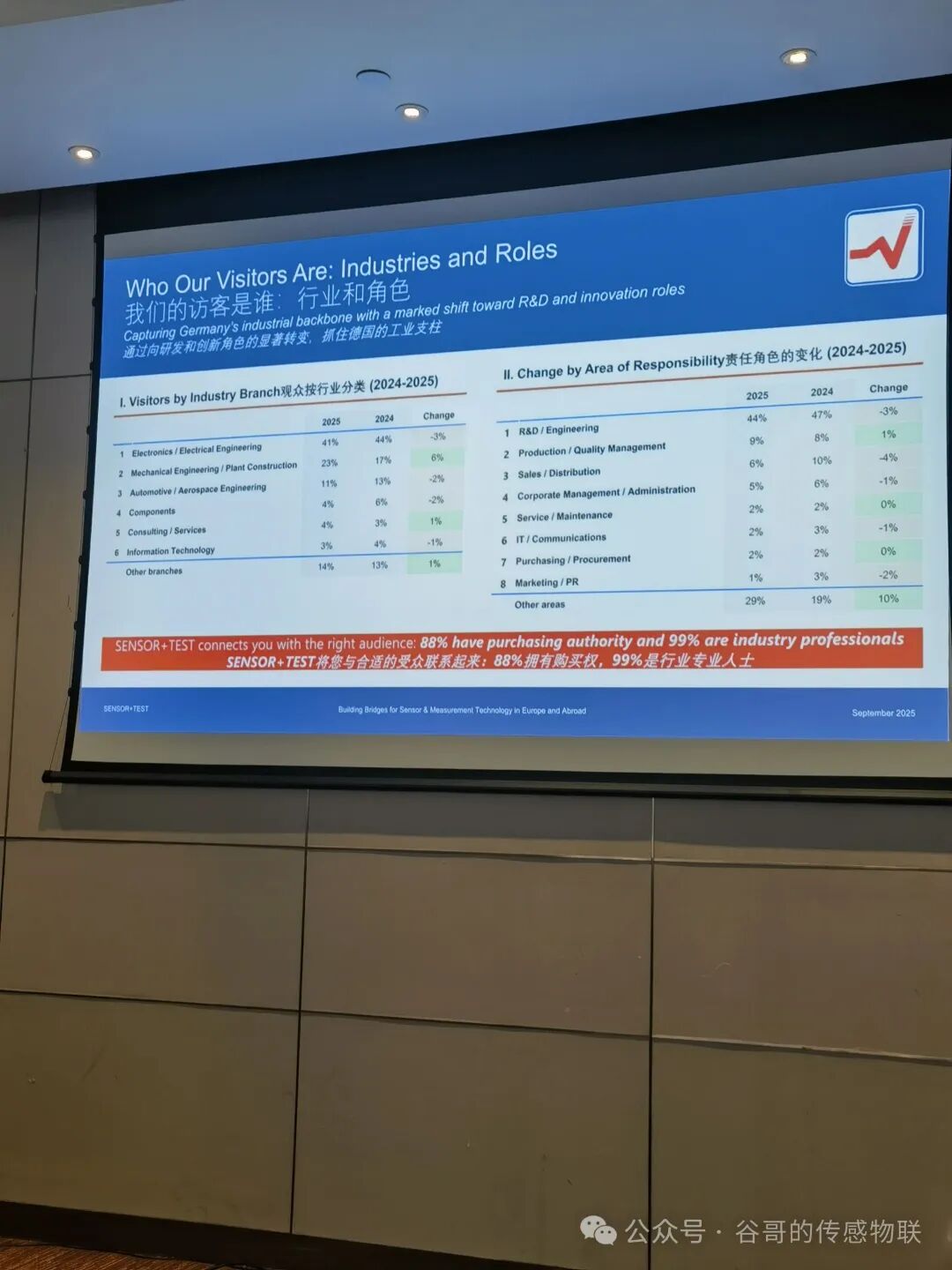
 In the afternoon’s sub-forum, as scheduled, I attended the China Sensor Enterprises Going Global meeting. The new general manager of the Nuremberg “Sensor + Test” exhibition in Germany also attended the meeting, presenting a PPT about the German sensor exhibition, including the perspectives of exhibitors and visitors over the next two years (2024-2025) and the composition of visitors. Interested readers can take a closer look at the two charts below.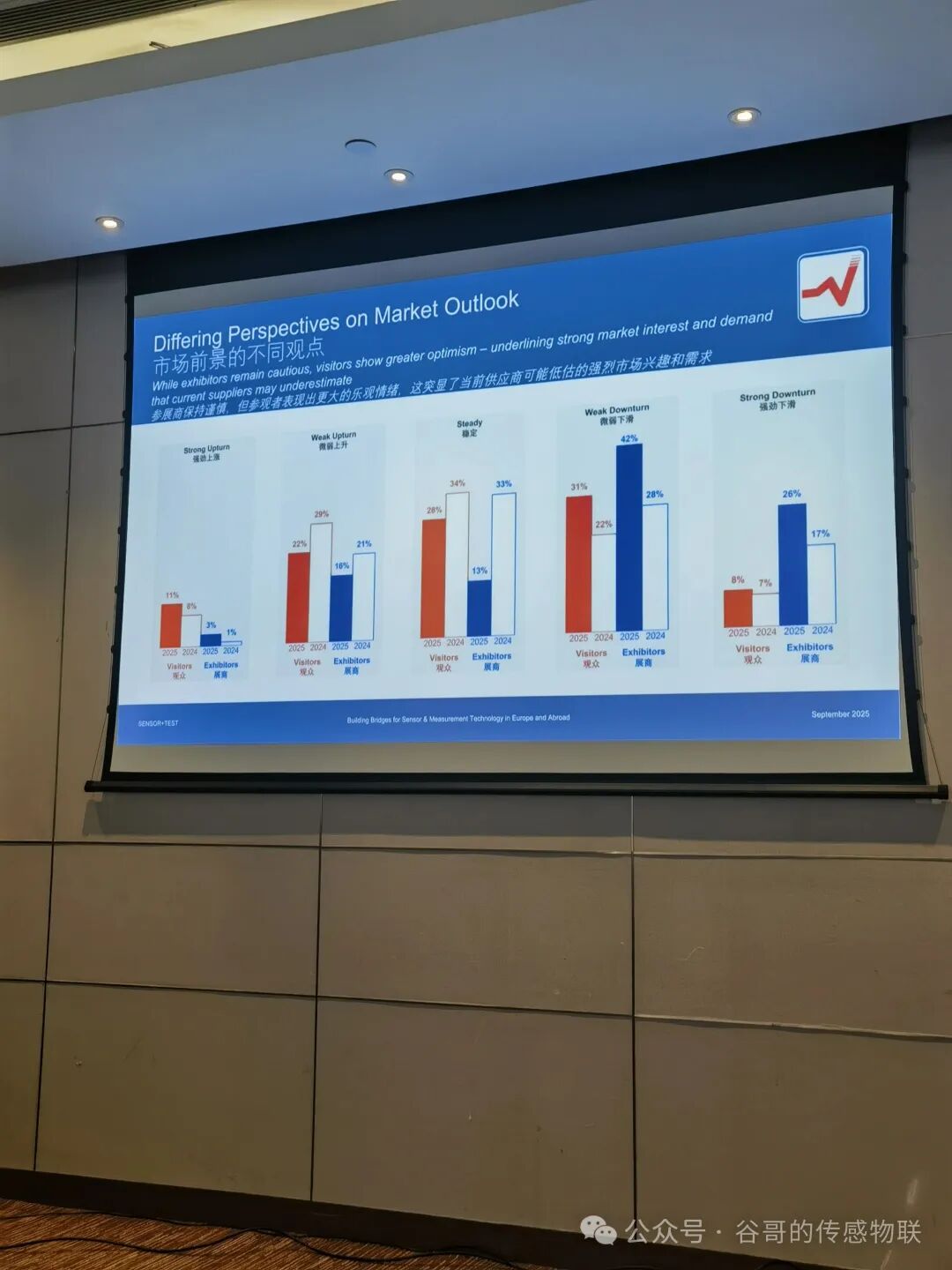
In sharing experiences of sensor companies going global, two old friends, Mr. Lyu from Hangzhou and Mr. Shen from Shengmi Technology in the USA, shared their experiences. Mr. Lyu’s insights were macro and strategic, while Mr. Shen’s report was specific and actionable, providing valuable references and lessons for Chinese sensor companies going global, with some suggestions being directly applicable.
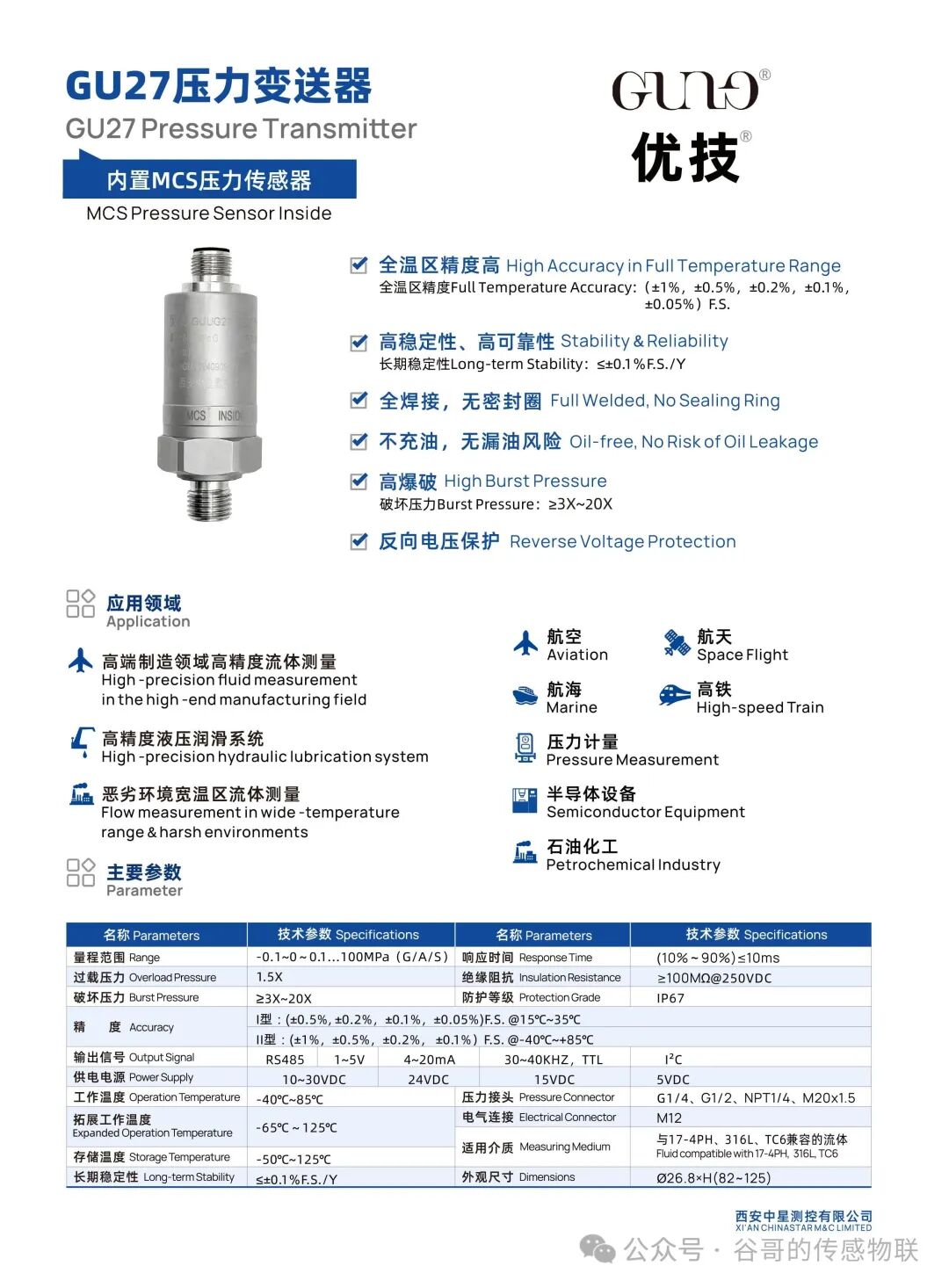
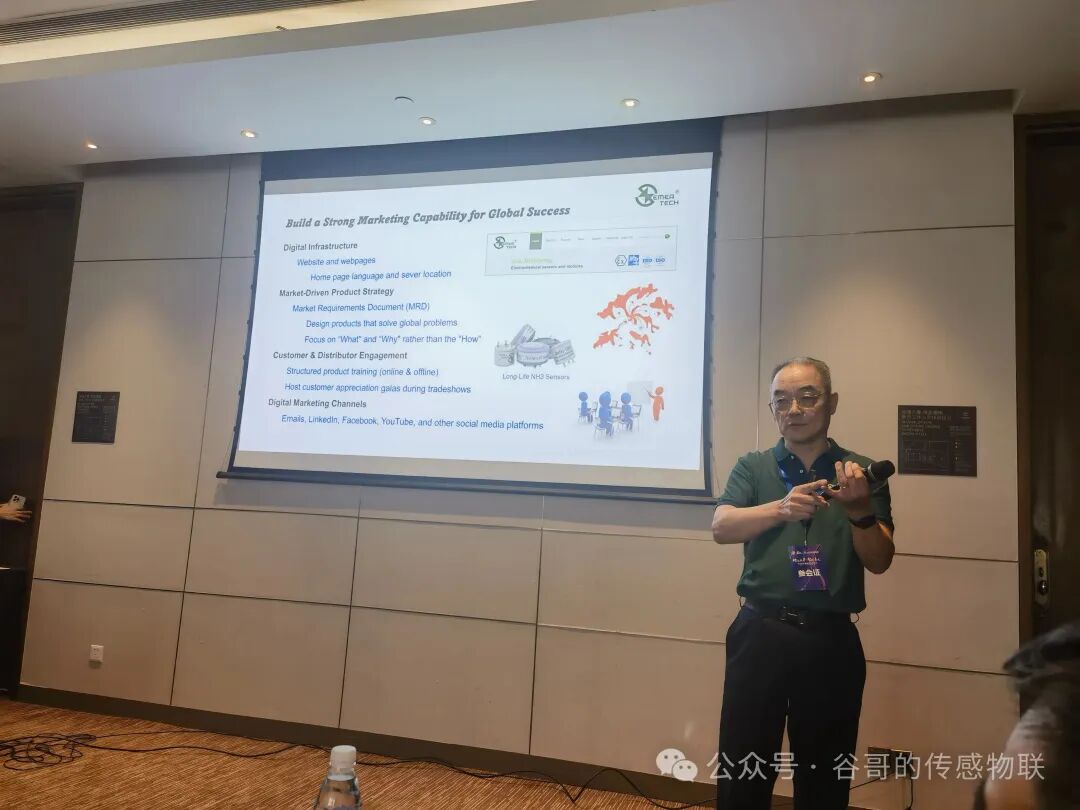 Friends who are attentive can take a closer look at Mr. Shen’s specific suggestions. Next to the sub-forum on companies going global, there was a semiconductor equipment sub-forum, and I also dropped by this forum, just in time to catch the organizer, Mr. Zhang, asking everyone to introduce their companies and characteristics one by one. I focused on introducing the MCS high-end pressure sensor technology and products developed by Xi’an Zhongxing Measurement and Control Company over the past 11 years. For semiconductor and semiconductor equipment companies in China that are severely affected by US sanctions, localization is an unavoidable topic.
The MCS pressure sensor from Xi’an Zhongxing Measurement and Control Company has a high pressure range of 200 MPa and a low pressure range of 100 kPa. More importantly, three key points: first, the intellectual property is exclusively owned, with technology being independently controllable, and all materials are domestically sourced; second, unlike the commonly used MEMS oil-filled cores, which raise concerns about oil leakage contaminating equipment, the MCS pressure core does not use oil, eliminating any worries; third, the elastic materials in contact with the measured medium can be different metals specified by the user.
After a busy day, I met many friends. Each meeting is not only a learning opportunity but also a chance to chat with friends and strengthen friendships.
Tomorrow, the Sensor China exhibition in Shanghai will officially commence, and we are heading towards the world’s largest sensor exhibition.
#2025.09.23.20:38 Shanghai Sheraton Hotel#