Friends who often follow our San Yi Life may remember that the well-known market analysis agency IDC has its own unique standards for classifying wearable devices. For example, we have previously criticized IDC for including headphones in the category of wearable devices, while their definition of headphones (which they call “audible devices”) has certain inaccuracies. However, IDC’s classification of wrist-worn smart devices is quite reliable.
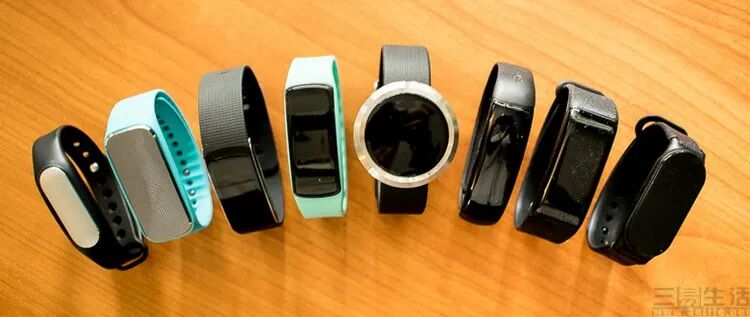
How does IDC classify wrist-worn smart devices? In simple terms, they divide these products into three categories. The first is the smart band, which refers to small, ring-shaped wrist-worn smart devices that may or may not have a screen and possess basic health monitoring functions.
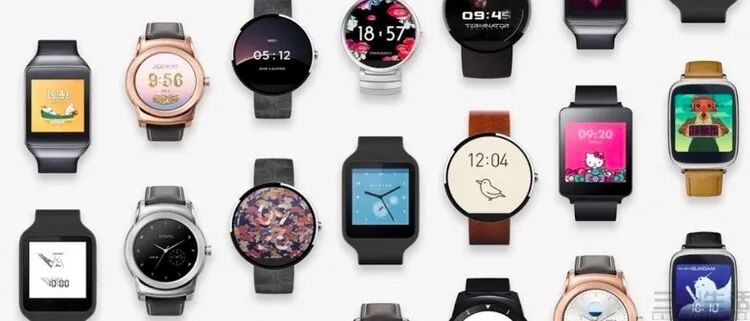
Secondly, IDC further divides “smartwatches” into two major categories. Products that resemble watches, have watch-sized screens, possess rich health monitoring functions, but lack an expandable operating system and have weak computing performance, IDC does not consider them as “smartwatches” but has created a separate product category called “basic watches”.
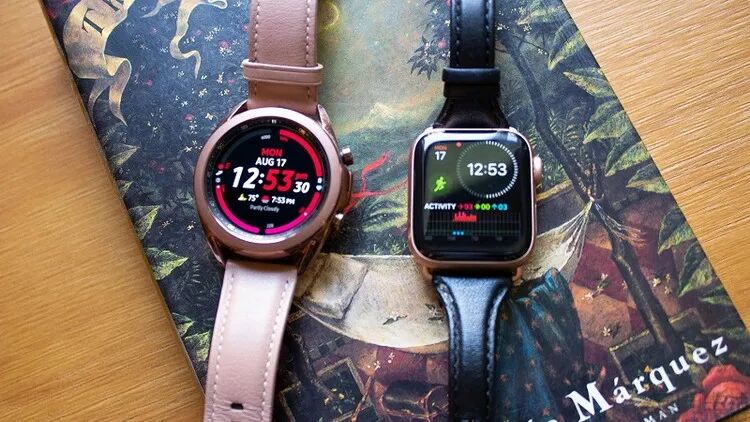
Finally, products like Google Wear OS watches, Apple Watch, or Samsung Galaxy Watch, which have powerful independent computing capabilities, a true expandable operating system, and allow users to install third-party applications to extend functionality, are classified by IDC as “smartwatches”.
It is not difficult to see that compared to the common distinction between “smart bands” and “smartwatches”, IDC’s classification standard for wrist-worn devices is much more rigorous, and it resonates with our emphasis on the concept of “band-style watches” versus “true smartwatches”.
However, just in the past few weeks, even the IDC classification method, which we considered reliable, has faced challenges from new products.
-
The New Smart Bands of 2021: A Significant Upgrade
On March 29, 2021, Xiaomi launched the new Mi Band 6 series at its spring product launch event. Compared to the previous Mi Band 5, the AMOLED screen size of the Mi Band 6 has increased by 50%, reaching 1.56 inches. At the same time, new features such as blood oxygen saturation monitoring, heart rate variability monitoring, and the ability to monitor and automatically analyze night sleep, heart rate, and blood oxygen simultaneously have been added.
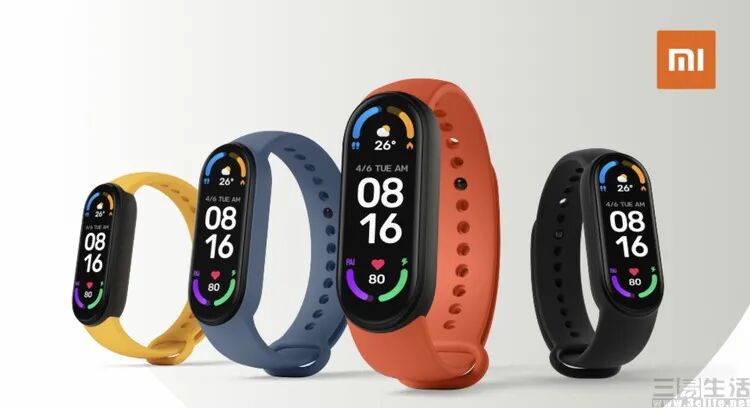
Moreover, the Mi Band 6 even features 50-meter water resistance and the ability to automatically detect six sports modes, meaning users do not need to select a sports mode before starting exercise; the band can automatically recognize and begin data statistics. In fact, this ability to automatically detect and judge sports activities is already a feature found in some mid-to-high-end “basic watches” and even “smartwatches”.
A week later, on April 8, 2021, Huawei also released the Huawei Band 6 series. Similar to the Mi Band 6, the screen size of the Huawei Band 6 has also significantly increased compared to its predecessor, reaching 1.47 inches. A series of new features, including NFC payment, remote camera control, and all-day blood oxygen monitoring, have also appeared on this band.
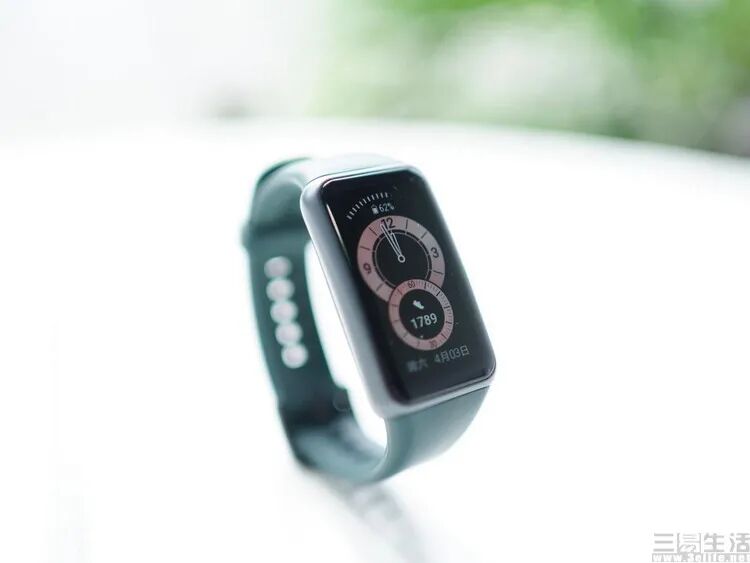
Of course, most importantly, both in terms of the large square appearance and the heart health and sleep health monitoring functions, the Huawei Band 6 is very close to the much more expensive Huawei Watch Fit, to the point that they can almost be considered identical.
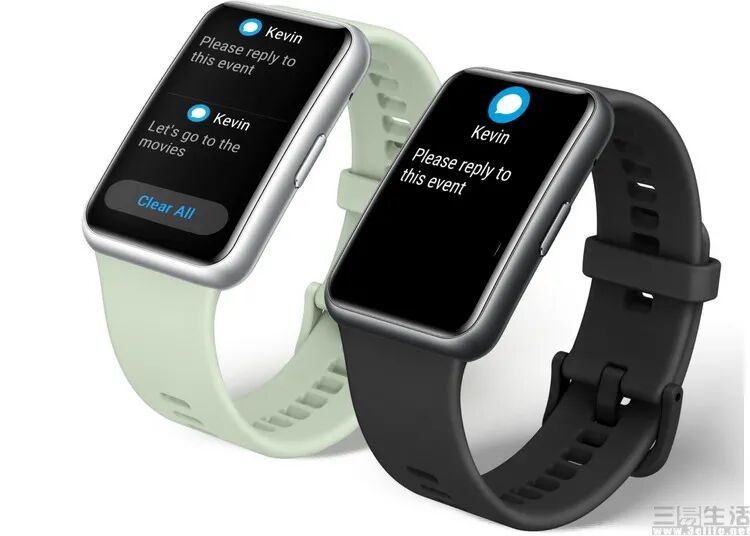
Can you tell the difference between the Huawei Watch Fit and the Huawei Band 6?
However, friends who pay attention to the wearable market may know that both Xiaomi and Huawei have previously launched their own “basic watch” product lines. For example, Xiaomi has the Redmi Watch and the Mi Watch Color, while Huawei has the Watch 2 (which runs on Google Wear OS) and the popular Watch GT and Watch Fit products, which essentially do not have third-party app expansion capabilities and have relatively fixed functions.
Thus, a new problem naturally arises. When the new smart bands from Xiaomi and Huawei are equipped with large screens and significantly enhanced sports and health monitoring functions, even matching many design details with their higher-positioned wearable products, but still maintain a price around 200 yuan, it creates a clear and strong competitive relationship between the new bands and the older models of “basic watches”.
-
The Major Upgrade of Bands: Will High-Priced “Large Bands” Cool Down?
Clearly, for any mature manufacturer, allowing their cheaper new products to threaten older models that are still on sale and priced much higher is something that should never happen. Moreover, the fact that the same situation has occurred in two different brands in a short period of time is clearly not a coincidence, but can only be explained as both brands “unintentionally” adjusting the product positioning of wrist-worn wearable products.
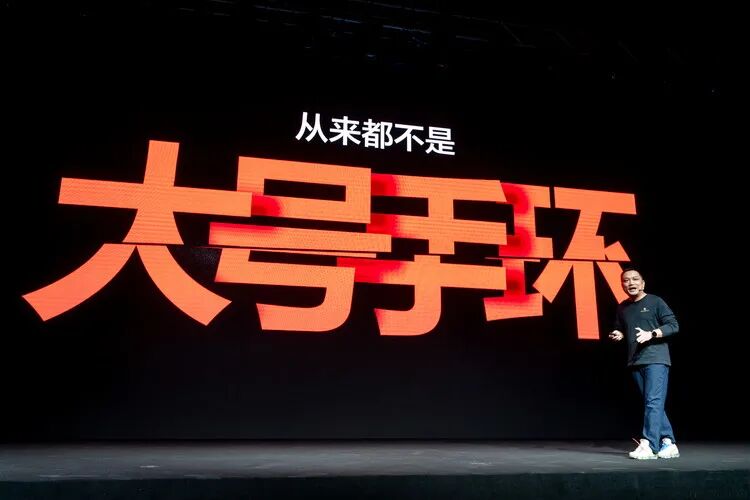
At least two years ago, multiple manufacturers proposed that “smartwatches should not be large-screen bands”.
In fact, two or three years ago, when some manufacturers began to launch products that resembled smartwatches but had lower performance, non-expandable functions, and were priced significantly lower than complete “smartwatches” (which generally cost over 2000 yuan), this new type of wearable product faced considerable controversy. Some consumers, including IDC, believed that such products only had a similar appearance to smartwatches but, in terms of hardware costs and technical difficulty, were at best slightly better than the then-existing bands, and therefore could not be considered “smartwatches” but only “special-shaped large-screen bands”.
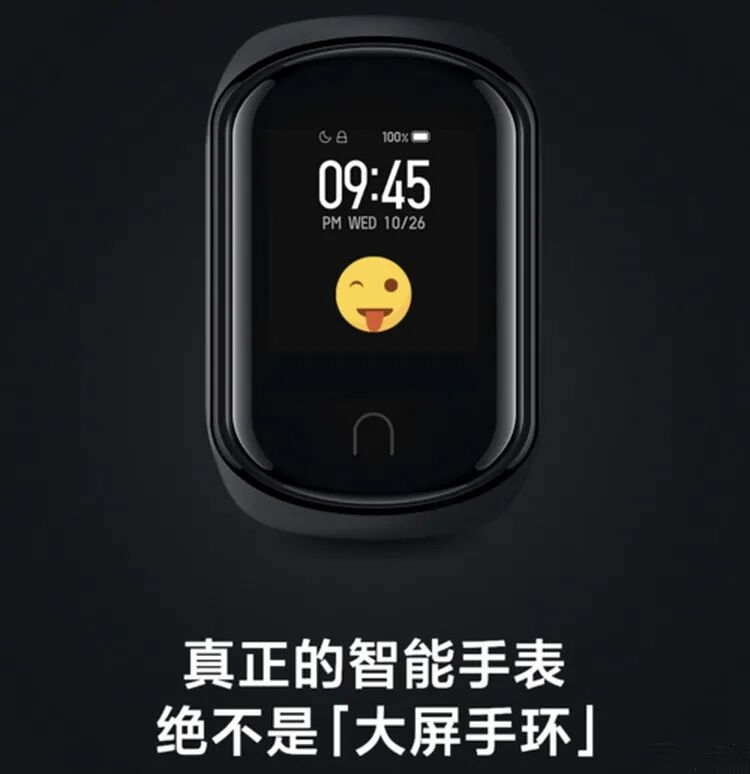
At that time, the relevant manufacturers naturally denied such claims. However, it now appears that when the new batch of band products, under the name of “bands” and sold at band prices, have functionally and performance-wise caught up with such “basic watches”, it has already confirmed consumers’ guesses from years ago. That is, those so-called “smartwatches” (basic watches) that cannot install third-party software and have fixed functions are essentially just shaped “bands”.
So, why do manufacturers choose this timing to “self-expose” with new products? According to IDC’s analysis and our observations of the wrist-worn wearable device market in recent years, this likely indicates that the overpriced “large bands” will gradually be abandoned, while the higher-cost and higher-priced, but truly comprehensive and expandable “smartwatches” will once again become the mainstream direction in the wrist-worn smart wearable market.
-
Ecological Chain Demand May Promote the Revival of the High-End Smartwatch Market
In fact, this trend was already evident in 2020. In March 2020, OPPO launched its first smartwatch product, the OPPO Watch, which differed from the mainstream practices at the time by positioning itself from the start as a fully functional, expandable true smartwatch. The subsequent strategic development of the OPPO brand has also proven that starting with a truly expandable smartwatch was indeed a wise choice.
Because the OPPO Watch has not only become increasingly intelligent with several system updates, but more importantly, its high-performance hardware and expandable system have allowed it to seamlessly integrate into OPPO’s later smart home system, enabling control capabilities with OPPO TVs, OPPO phones, OPPO 5G CPE, and more ecological chain devices.
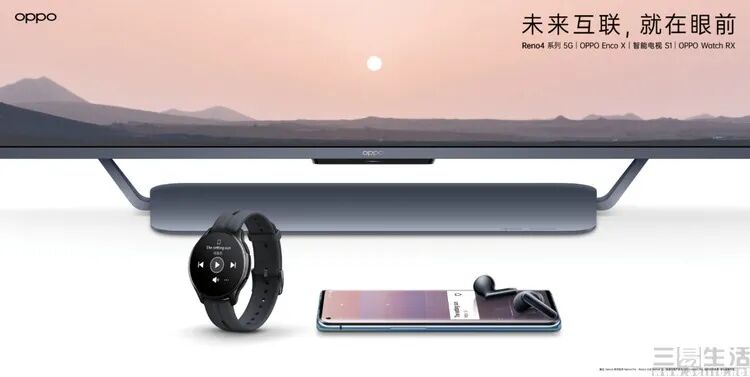
By 2021, powerful and feature-rich “true smartwatches” are set to welcome several heavyweight new products. These include the new Samsung Galaxy Watch, which is updated every year but may have a particularly different product form this year, as well as the Huawei Watch 3, which has had its system interface exposed and is suspected to adopt a new design, returning to the 2000-3000 yuan price range. Their common feature is that they have abandoned the previous tendency towards “light intelligence” systems, opting instead for more complex hardware and software designs to achieve powerful third-party app expansion capabilities, and have added independent eSIM communication modules, while also better playing the role of wrist-worn device control centers in their respective IoT strategies.
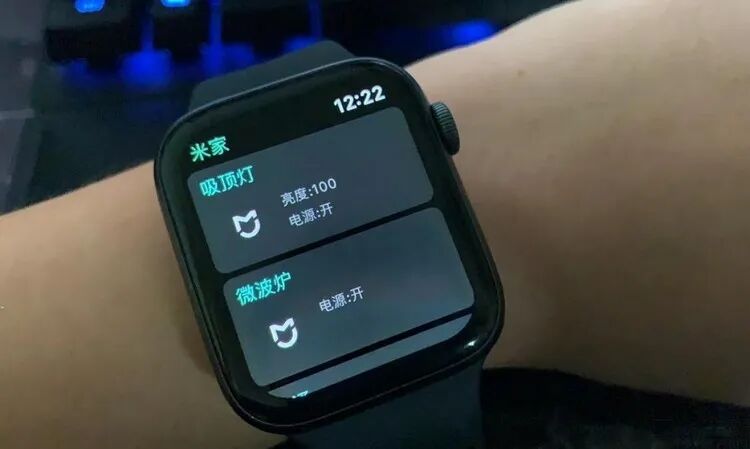
The first-generation Xiaomi Watch in 2019 highlighted expandability and AIoT linkage as selling points.
After all, while “large bands” may be popular in the market, selling well, manufacturers are merely selling bands. However, for fully functional “true smartwatches”, the underlying ecosystem and the potential scale and profitability of linking IoT devices are clearly beyond the capabilities of fixed-function, low-performance “shaped bands” and “basic watches”. Therefore, when the demand for building an ecosystem surpasses the simple sales goals of one or two wrist-worn devices, the “basic watches” being significantly upgraded in configuration but still priced low, essentially serve as a “backstab” to the bands, which is merely a strategic arrangement designed by manufacturers for their next steps.
【Images in this article are sourced from the internet】
Recommended Reading:
NVIDIA’s Stealthy Move: Aiming for the Smartphone Industry Again?
For NVIDIA, returning to the smartphone market may be timely.
Sony Partners with Google: Android Phones to Welcome “Spatial Audio”
In the future, Android models may experience an audio experience comparable to spatial audio.