In the world of PLC (Programmable Logic Controller) programming, repetitive work is the enemy of efficiency. Imagine having to write code from scratch every time you encounter a similar control task; this not only wastes time but also increases the likelihood of errors. The reuse of FB (Function Block) and FC (Function) blocks acts like a magical key, helping us bid farewell to repetitive work and opening the door to efficient programming.
1. Understanding FB/FC Blocks
FB and FC are two very important code structures in PLC programming. An FC is like a simple function that takes input parameters, performs a series of calculations, and outputs results. For example, we can write an FC block to calculate the sum of two numbers, and whenever we need to perform an addition operation, we just need to call this FC block and pass the appropriate parameters.
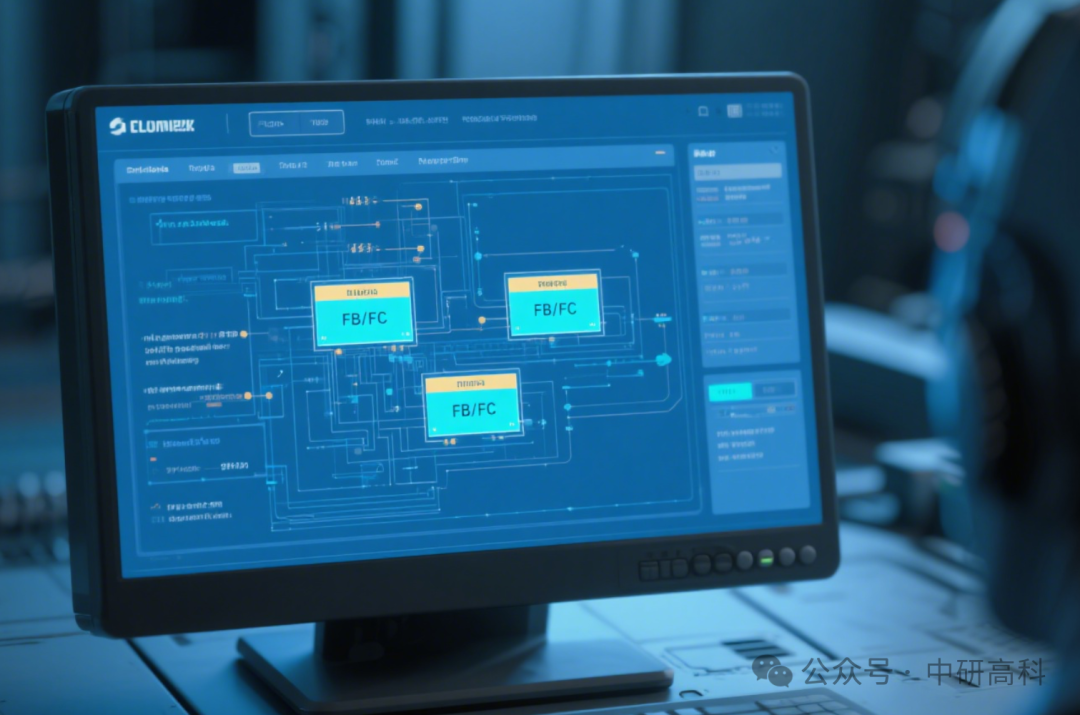
On the other hand, an FB is more like a module with memory functionality; it can not only receive input parameters and output results but also maintain its internal state. For instance, an FB block that controls the starting and stopping of a motor can record the current operating state of the motor, allowing it to accurately know the motor’s status even when called from different parts of the program.
2. Benefits of Reusing FB/FC Blocks
- Improving Programming Efficiency: By reusing already written FB/FC blocks, we can avoid rewriting the same code. It’s like building with blocks; we just need to combine different FB/FC blocks to quickly complete a complex control program.
- Reducing Error Probability: Rewriting code increases the chance of errors, while reusing tested FB/FC blocks can minimize this risk. Once an FB/FC block is verified to be correct, its functionality is reliable when used elsewhere.
- Facilitating Maintenance and Upgrades: When a program needs modification or upgrading, we only need to change the corresponding FB/FC block instead of searching and modifying the same code throughout the entire program. This can significantly save maintenance time and effort.
3. How to Achieve FB/FC Block Reuse
- Design FB/FC Blocks Reasonably: When writing FB/FC blocks, consider their generality and independence. A good FB/FC block should have a clear function and not depend on a specific program environment. For example, an FB block for calculating the average temperature should be able to handle temperature data of different ranges and precisions.
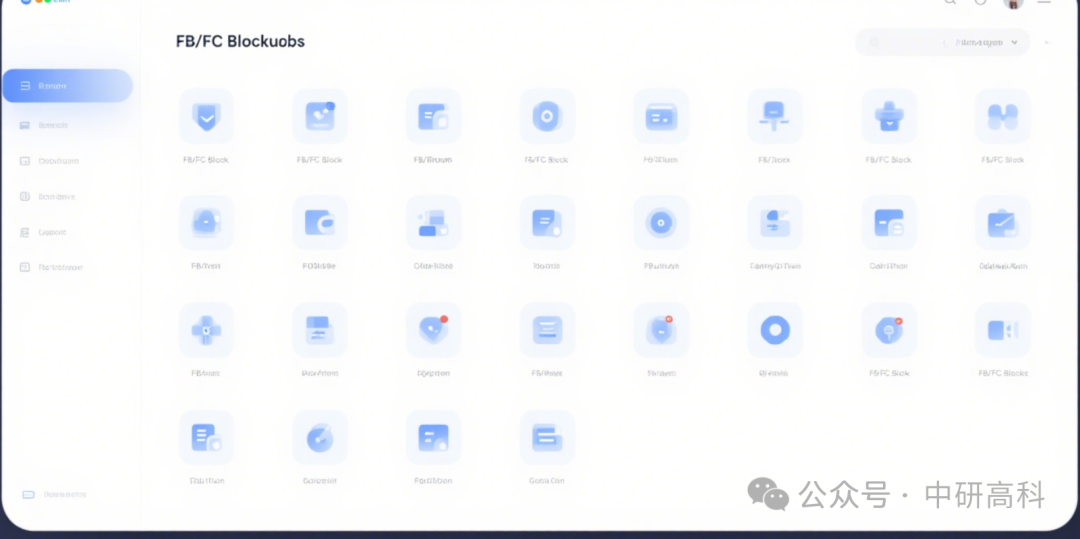
- Establish an FB/FC Block Library: Organize the written FB/FC blocks into a library for easy future reference and use. FB/FC blocks can be categorized by function, application scenarios, etc., for example, placing all motor control FB/FC blocks in one folder.
- Call FB/FC Blocks in Programs: When a certain function is needed, simply find the corresponding FB/FC block from the library and drag it into the program. Then, set the input parameters according to actual needs to achieve the desired functionality.
4. Practical Case Analysis

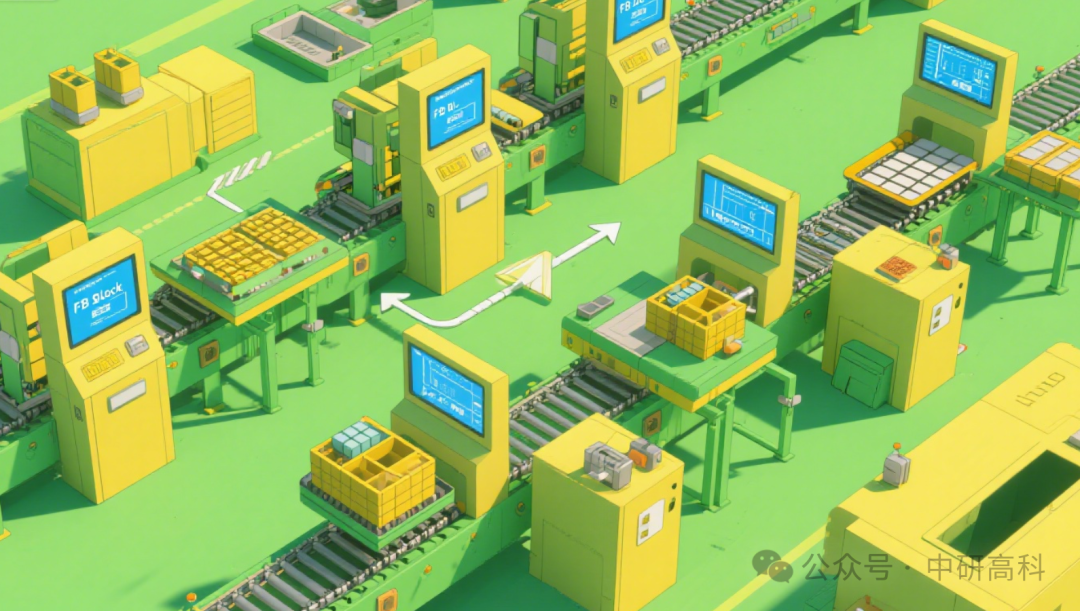
Let’s look at a simple case to see the practical effects of reusing FB/FC blocks. Suppose we want to control an automated production line with multiple stations that require material handling and processing. The control logic for each station is basically the same, with only specific parameters differing.
We can write an FB block to implement the basic functionality of material handling and processing, and then reuse this FB block in the programs for each station. This way, we only need to write the code once, and it can be applied to multiple stations, greatly improving programming efficiency.
By reasonably utilizing the art of reusing FB/FC blocks, we can say goodbye to repetitive work in PLC programming, making programming more efficient, reliable, and easier. I hope everyone can fully leverage the advantages of FB/FC blocks in their future programming work to create even better control programs.