In recent years, with the explosive growth of TWS (True Wireless Stereo) headphones, smart wearables, and IoT devices, the Bluetooth SoC chip market has experienced rapid development. Giants like Qualcomm, MediaTek, Hengxuan, and Rockchip dominate the market, but a Chinese chip company—WQ Microelectronics—has quietly entered the top five global Bluetooth SoC chip manufacturers.
In the TWS headphone market, Bluetooth SoC chips are undoubtedly the “heart” of the devices. They not only determine the core performance of headphones such as sound quality, noise reduction, and battery life but also serve as a key technology barrier for brand manufacturers. According to statistics from ChaoDian Think Tank, in the first half of 2025, WQ Microelectronics maintained a monthly shipment volume close to 3KK (3 million units), ranking among the top five in global TWS Bluetooth main control chip shipments, and is directly competing with international giants like Qualcomm and Hengxuan in the high-end market. How has this domestic chip company, established only nine years ago, managed to break through in such a competitive market?
1. Strong Technical Strength as the Foundation
Leading low-power design: WQ Microelectronics is the first Bluetooth chip manufacturer in the world to achieve a system operating power consumption of < 4mA for Bluetooth audio SoCs. Taking its first high-end Bluetooth audio chip, the WQ7033, as an example, it can achieve an average music current of 3 mA, far below the typical 6-10 mA. This low-power design significantly extends the battery life of devices like headphones, providing users with a better experience.
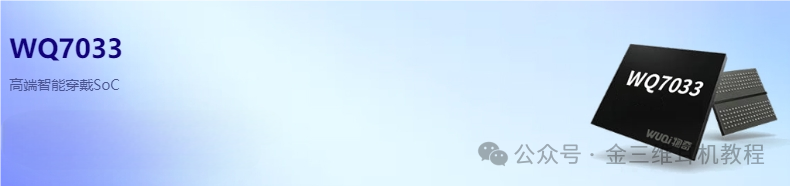
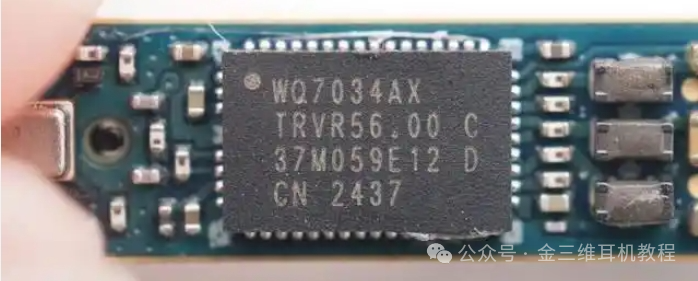
Innovative architecture application: WQ Microelectronics was the first to adopt the RISC-V + DSP architecture and is the first company in the industry to introduce HIFI 5 DSP into TWS headphone Bluetooth chips, also making it available in products priced below $100. This move not only enhances sound quality and noise reduction effects but also brings cost advantages, making high-quality audio experiences accessible beyond just high-end products.
Outstanding noise reduction technology: The noise reduction depth of its chips can reach an industry-leading -50dB. For example, the WQ7033 series integrates Hybrid (FF + FB) ANC, supporting high bandwidth and deep noise reduction for headphone applications, and can significantly enhance call experiences through multi-Mic + AI call noise reduction.
2. Product Iteration: Seizing Opportunities with a “Fast Fish Eats Slow Fish” Strategy
WQ Microelectronics maintains a flagship chip iteration speed of one generation per year:
2021: WQ7033 series mass production, defining a new standard for ultra-low power consumption;
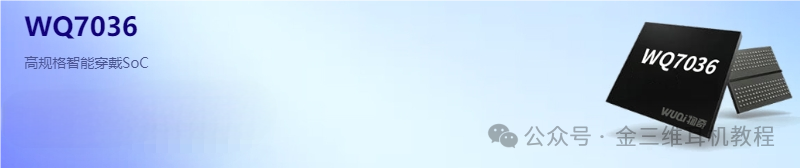
2022: WQ7036 series optimized for power consumption and computing power, supporting LE Audio and Auracast broadcast audio;
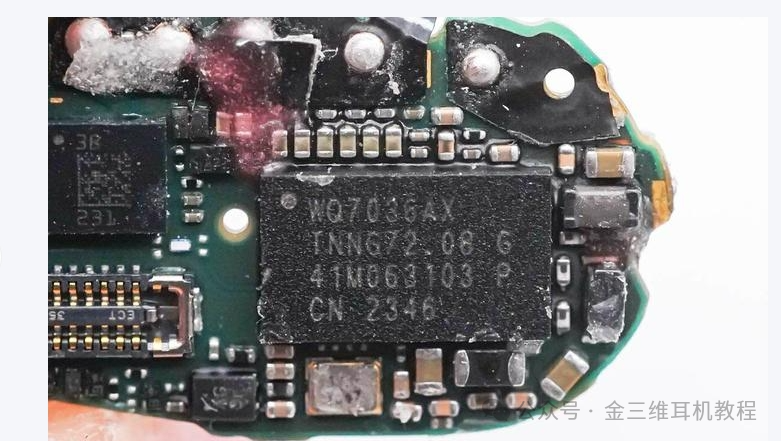
2025: Plans to launch the WQ7053 series, integrating more advanced AI noise reduction and spatial audio algorithms.
3. From “Chinese Chip” to “World Chip”
The rise of WQ Microelectronics is a microcosm of the transformation of the Chinese chip industry from “low-cost alternatives” to “technology leaders.” The key to its success lies in:
Deep technical cultivation: Building a moat with low power consumption, AI algorithms, and hybrid noise reduction;
Open ecosystem: Attracting third-party algorithm companies through development frameworks to form innovative synergies;
Market sensitivity: Precisely positioning mid-to-high-end brand demands, avoiding competition in the white-label red ocean.
By 2025, WQ Microelectronics aims to enter the top three in terms of mid-to-high-end product shipments. With the popularization of new standards like LE Audio and spatial audio, this domestic chip dark horse may continue to reshape the competitive landscape of the global Bluetooth SoC market. As WQ Microelectronics Vice President Wei Ren stated, “We do not follow; we define.” In the wave of chip autonomy and control, WQ Microelectronics’ breakthrough path is the best annotation of the rise of China’s “hard technology.”
4. Which Domestic Brands Use WQ Microelectronics Chips:
Currently, many well-known domestic and international brands, including OPPO, Huawei, Soundcore, Harman JBL, MONSTER, Haylou, QCY, SoundPEATS, Changba, Noise, YOBYBO, TOZO, boAt, Walmart, Honor, and Crab, have adopted Bluetooth chips from WQ Microelectronics in their headphones.
——–——-––END——-—————–¦“Headphone Structural Design – Training”“¦——-
- 【TWSOWS Headphones】 Structural Online(Shenzhen Offline) Training
——–“Product Structure – Video Tutorial”“¦——-
-
【TWS Headphones】– Structural Design Video Tutorial
-
【Over-Ear Headphones】– Structural Design Video Tutorial
-
【Smartphones】– Structural Design Video Tutorial
———“– Welcome to Submit –“———
-
Articles related to academic exchanges, exhibitions, product promotions, etc.
-
Only accepting articles from the 【headphones, audio, and other 3C products】 industry
-
Please do not contact if not from the 【above industry】!
———“Contact Me”———