
Authors:Zou Jingwen, Wu Xintao,Wang Hongzhou*, Wei Jinjia*, Huang Zhandong* et al.
Affiliations:Xi’an Jiaotong University, Jiangxi Mechanical Science Research Institute
Paper Link:
https://www.sciencedirect.com/science/article
/pii/S0360544225049102
Research Overview
Recently, the School of Chemical Engineering at Xi’an Jiaotong University, in collaboration with the Jiangxi Mechanical Science Research Institute, published a new research achievement titled “High-efficiency humidification and cooling system via rotating sheet-type 3D capillary structures” in the international energy journal Energy. This research innovatively utilizes 3D printing technology to fabricate components with unique three-dimensional capillary structures and constructs a dynamic rotating humidification and cooling system (Figure 1). Through the synergistic design of structure and operation mechanism, it effectively addresses the bottleneck issues in traditional direct evaporative cooling technology.
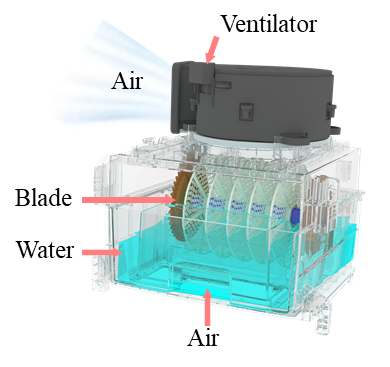
Figure 1. Schematic diagram of the dynamic rotating humidification and cooling system
Research Highlights
With the rapid development of industrialization and urbanization, the demand for coordinated control of temperature and humidity in industrial and building environments is becoming increasingly urgent. Under energy and environmental constraints, efficient and energy-saving humidification and cooling technology has become a key research direction. Among them, direct evaporative cooling technology, due to its simple structure, low energy consumption, no need for refrigerants, and ability to utilize the latent heat of water for efficient cooling and humidification, shows great potential in fields such as building energy conservation, data center heat dissipation, and industrial high-temperature wastewater treatment. However, the performance of traditional direct evaporative cooling systems is fundamentally limited by their heat and mass transfer medium—the cooling packing, which has inherent limitations in its structure. Current systems mainly face three major technical bottlenecks: insufficient gas-liquid contact area, short moisture retention time, and low vapor diffusion efficiency. The root causes are: first, existing cooling packing is often composed of two-dimensional planar materials (such as corrugated paper, honeycomb ceramics), which easily form a continuous liquid film under the influence of gravity, leading to poor water retention and short gas-liquid contact time; second, the static packing design and compact folding structure severely hinder the diffusion of water vapor into the main air flow, thus reducing evaporation efficiency. To overcome these limitations, academia has explored various enhancement paths, such as developing two-stage cooling systems, membrane-spray coupling technology, thermally conductive enhanced materials, and capillary container structures, aiming to improve the thermal and mass exchange performance of the system. Compared to static packing, dynamic packing systems (such as rotating or reciprocating structures) exhibit significant advantages, including higher evaporation rates, better heat and mass transfer performance, and faster achievement of steady-state operating conditions. Research has confirmed that increasing the effective gas-liquid contact area and prolonging the interaction time are effective ways to enhance system performance. Nevertheless, dynamic systems still face many challenges, including insufficient local convection, sensitivity of operating performance to rotational speed fluctuations, and mechanical wear issues during long-term operation.
To overcome the above challenges, the paper proposes a dynamic cooling and humidification system using rotating sheet-type three-dimensional capillary structures (SCSs) fabricated by 3D printing. The SCS consists of interconnected millimeter-scale cubic frames that effectively utilize capillary action to form discrete arrays of water droplets when immersed in water and subsequently rotated out. By parallel installing multiple SCSs on a rotating shaft and using an electric fan to generate airflow, a highly efficient dynamic cooling and humidification platform is constructed (Figure 2). The three-dimensional structure design of the SCS provides stronger water retention and longer evaporation duration, significantly enhancing mass transfer and heat exchange performance. Additionally, the rotational motion of the SCS promotes rapid diffusion of water vapor, greatly improving evaporation efficiency.
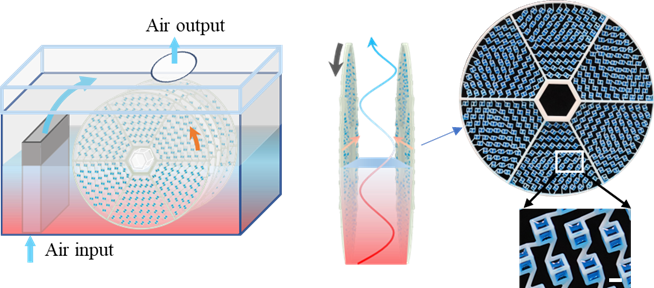
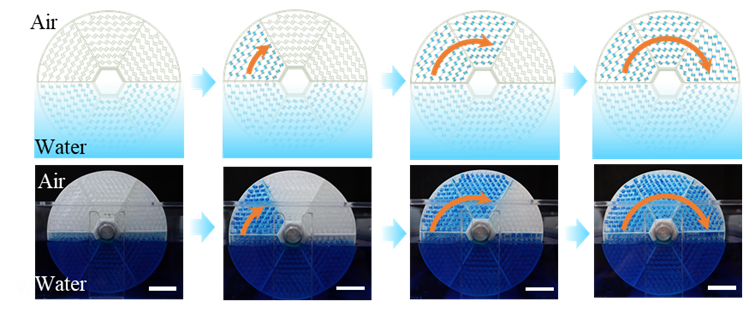
Figure 2. Dynamic cooling and humidification platform
In traditional humidification cooling devices, corrugated two-dimensional planar structures are often used to increase the specific surface area. However, traditional two-dimensional planar structures, regardless of how their surfaces are wrinkled or folded, cannot exceed the inherent surface area of the material itself in terms of effective gas-liquid contact area. Moreover, water easily forms a continuous liquid film on their surfaces and quickly drains away under the influence of gravity, which not only reduces the actual area participating in evaporation but also leads to short evaporation times and low efficiency. Additionally, the dense two-dimensional layout restricts the diffusion of water vapor, easily forming saturated gas layers in local areas, thereby inhibiting the continuous evaporation process. The spherical cubic structure proposed in this study achieves a breakthrough through three-dimensional design. This structure utilizes capillary action to constrain the liquid into discrete cubic water units, overcoming the problem of gravitational loss, significantly extending moisture retention time, and creating a gas-liquid interface that exceeds the material’s inherent surface area (Figure 3). The regular gaps between cubic units, combined with the rotational convection effect, provide an ideal channel for water vapor diffusion, effectively maintaining the evaporation driving force. This innovative structure surpasses traditional two-dimensional designs in liquid retention, interface creation, and vapor diffusion, offering new ideas for high-performance evaporative cooling technology.
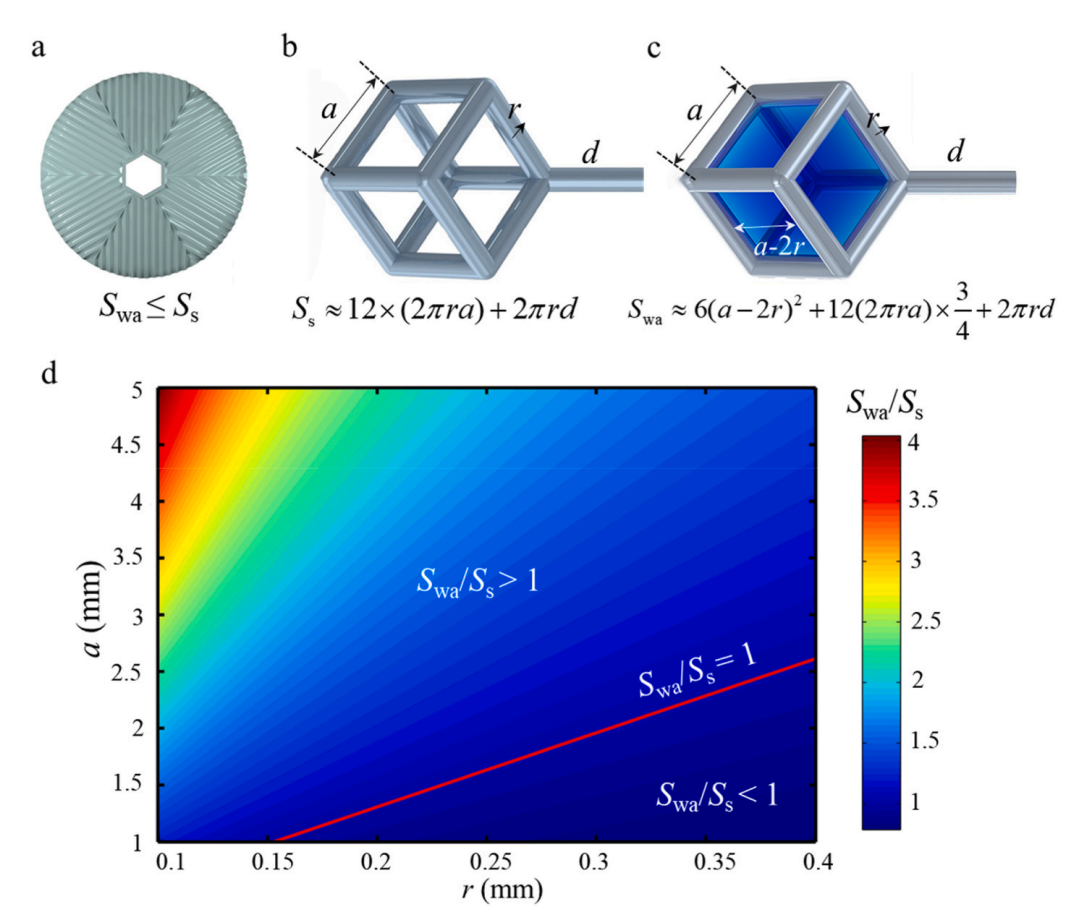
Figure 3. Comparative analysis of SCS and traditional two-dimensional structures
Experimental results show that an array composed of 30 SCSs can achieve a humidification rate of 416 grams/hour at ambient temperature and can cool water from 80°C to 14°C within 15 minutes. Under isothermal evaporation conditions, this SCS humidification cooling system demonstrates significantly enhanced humidification capacity, with an average evaporation rate of 1415 grams/hour at a water temperature of 35°C. Compared to traditional two-dimensional structures, SCSs exhibit approximately double the humidification performance under ambient conditions and improve the coefficient of performance (COP) by over 30% in high-temperature (80°C) cooling scenarios.
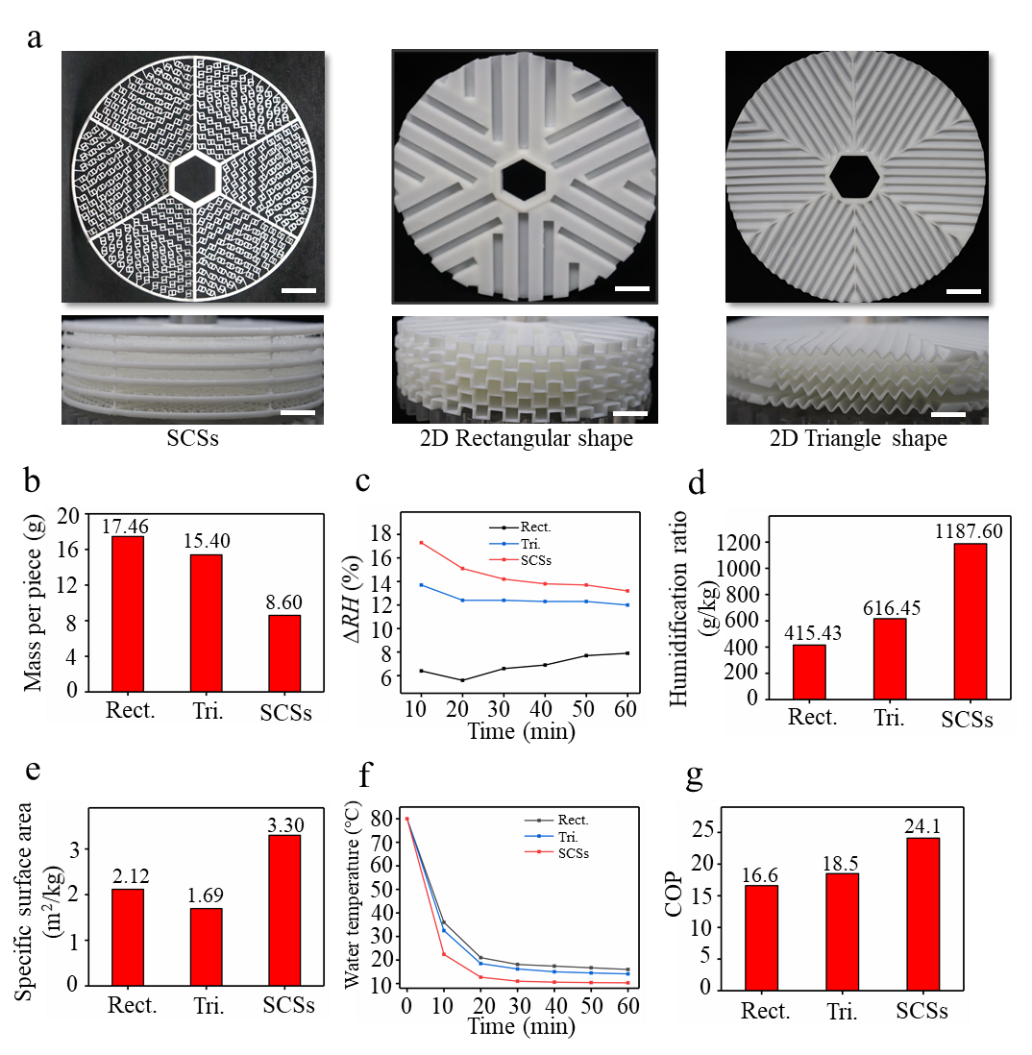
Figure 4. Performance comparison of SCS and two-dimensional structures
Conclusion and Outlook
This study innovatively utilizes 3D printing technology to fabricate components with unique three-dimensional capillary structures and constructs a dynamic rotating humidification and cooling system. The research results indicate that this method has excellent structural adjustability, outstanding cooling and humidification performance, and wide operational adaptability. It not only effectively addresses current efficiency bottlenecks but also opens new avenues for developing lower energy-consuming sustainable thermal management solutions, showing significant potential in industrial and environmental applications.
The first authors of the paper are Zou Jingwen, a master’s student, and Wu Xintao, a doctoral student from the School of Chemical Engineering at Xi’an Jiaotong University, with corresponding authors being Huang Zhandong, a distinguished researcher, and Wei Jinjia, a professor at Xi’an Jiaotong University, as well as Dr. Wang Hongzhou from the Jiangxi Mechanical Science Research Institute.
Recommended Reading
To facilitate your search for past articles, we have compiled some historical messages from this public account:

END

Scan to Follow Us
Micro-nano Scale Heat Transfer
WeChat ID: gh_d8153fc04845
Submission Email: [email protected]