In “Journey to the West”
there is a fruit called Ginseng Fruit
It is said that eating it can grant immortality
In real life, we also have Ginseng Fruit
But eating it does not grant immortality
So how is its nutrition?
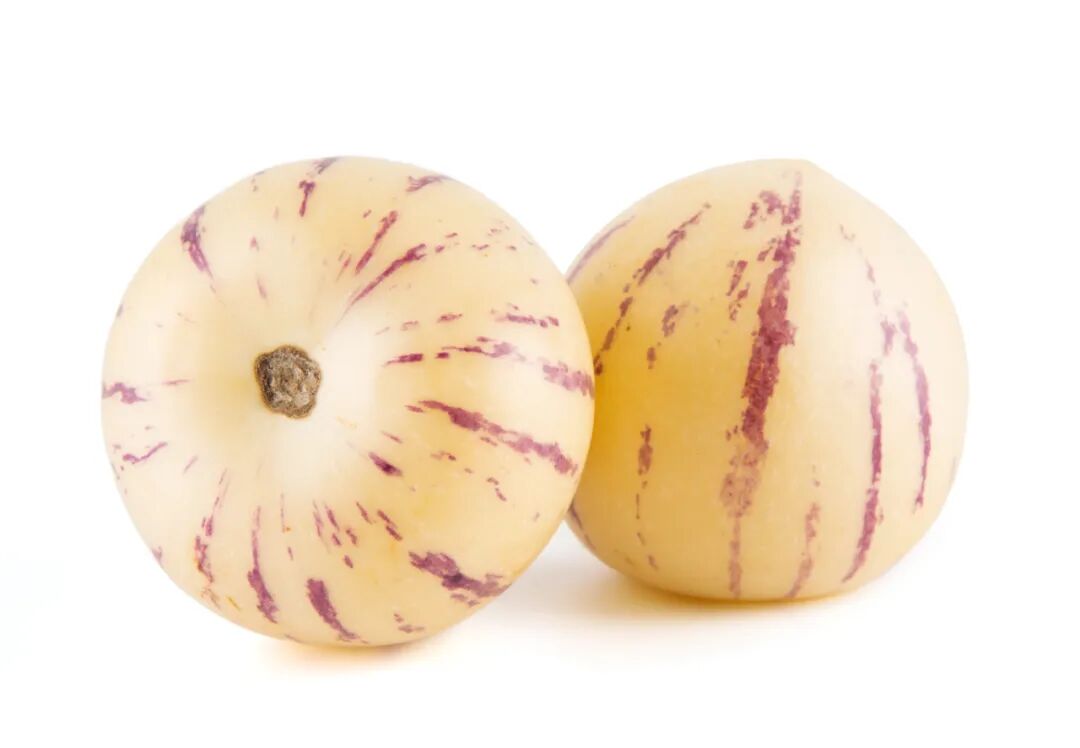 Image Source: Tuchong Creative
Ginseng Fruit
How is the nutrition?
The Ginseng Fruit we eat is also known as Melon Eggplant, Fragrant Pear, or South American Peach, and is a type of fruit from the nightshade family, originating from the Andes Mountains in South America.
In the 1970s, New Zealand was the first to introduce Ginseng Fruit for commercial cultivation, and later it was also grown in various parts of Europe. In the 1980s, some regions in China began to introduce cultivation,with Shilin County in Kunming, Yunnan Province being the largest Ginseng Fruit cultivation base in the country, known as the “Hometown of Ginseng Fruit”.In “Journey to the West”, the Ginseng Fruit blooms once every three thousand years, bears fruit every three thousand years, and takes another three thousand years to ripen, so one has to wait nearly ten thousand years to eat it. However, the Ginseng Fruit we eat generally flowers and bears fruit about five months after planting, and fresh ripe Ginseng Fruit can be eaten around October each year.The Ginseng Fruit we commonly buy weighs about 80 grams each, with mature fruits being light yellow or cream-colored, featuring purple stripes, and can be round, oval, or elongated. The skin is thin, the flesh is thick, and the flesh is fragrant, juicy, and uniquely flavored, with no seeds, and the edible rate is over 90%.Moreover, Ginseng Fruit is very hydrating, with particularly fresh fruits having a moisture content of over 90%, making it quite refreshing; eating one or two can quench your thirst! Nutritionally, it also contains various vitamins and minerals, among which Vitamin C, potassium, and antioxidant components are quite excellent.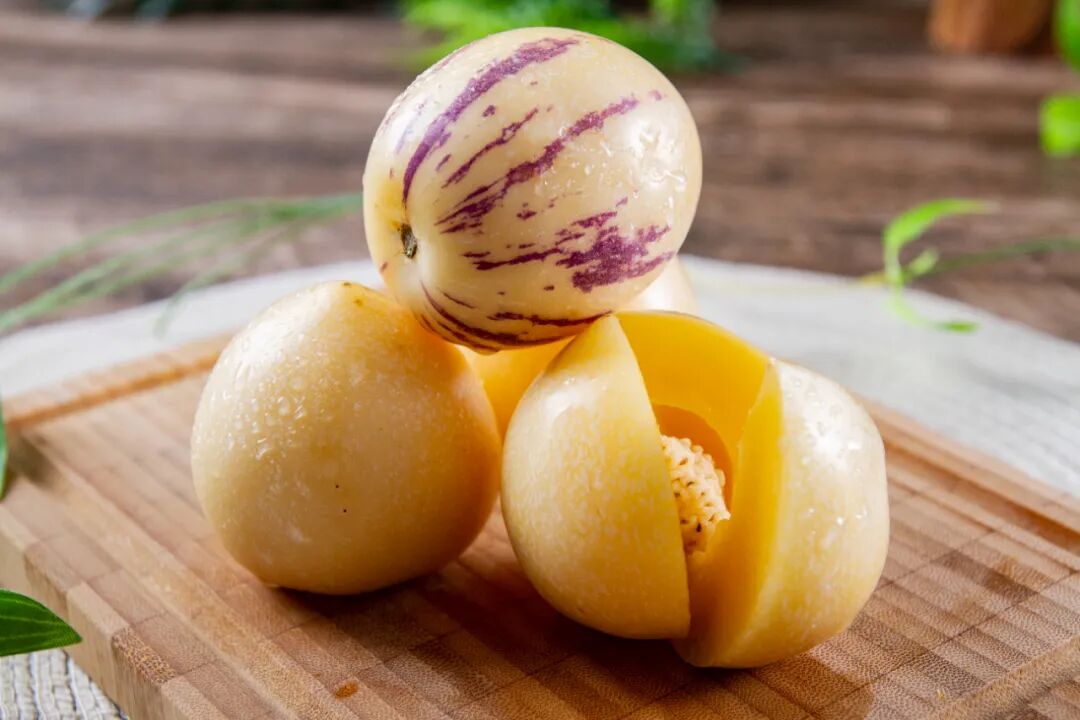 Image Source: Tuchong Creative
1
Vitamin C
Among fruits, the Vitamin C content in oranges is 33 mg/100g, while lemons contain 22 mg/100g. The Vitamin C content in Ginseng Fruit varies widely, generally ranging from 6 to 99 mg/100g, which may be due to differences in varieties.Research comparing the nutritional components of eight different varieties of Ginseng Fruit found that “Shiyou No. 3” has a Vitamin C content as high as 75.2 mg/100g, comparable to that of kiwifruit.
2
Mineral Potassium
The average potassium content in Ginseng Fruit is about 140 mg/100g, with some reaching 168 mg/100g. Although it is not as high as bananas, it is higher than peaches, apricots, apples, and fragrant pears. At the same time, the sodium content in Ginseng Fruit is very low, only about 3 mg/100g.It can be considered a high-potassium, low-sodium fruit, which is quite recommended for people with blood pressure control needs.Additionally, Ginseng Fruit also contains phenolic compounds, flavonoids, carotenoids, and other antioxidant components.As for the calorie content of Ginseng Fruit, the data in the “Chinese Food Composition Table” shows it to be 86 kcal/100g, with a carbohydrate content of 21.2 g/100g, which is indeed not low, nearly twice that of peaches, grapes, and mangoes.However, according to data from most literature,Ginseng Fruit is classified as a low-calorie, low-fat, low-sugar fruit, with a fat content of only 0.1% to 0.2%, and total sugar content mostly only 2.58% to 5.92%, making it safe for even those who are dieting.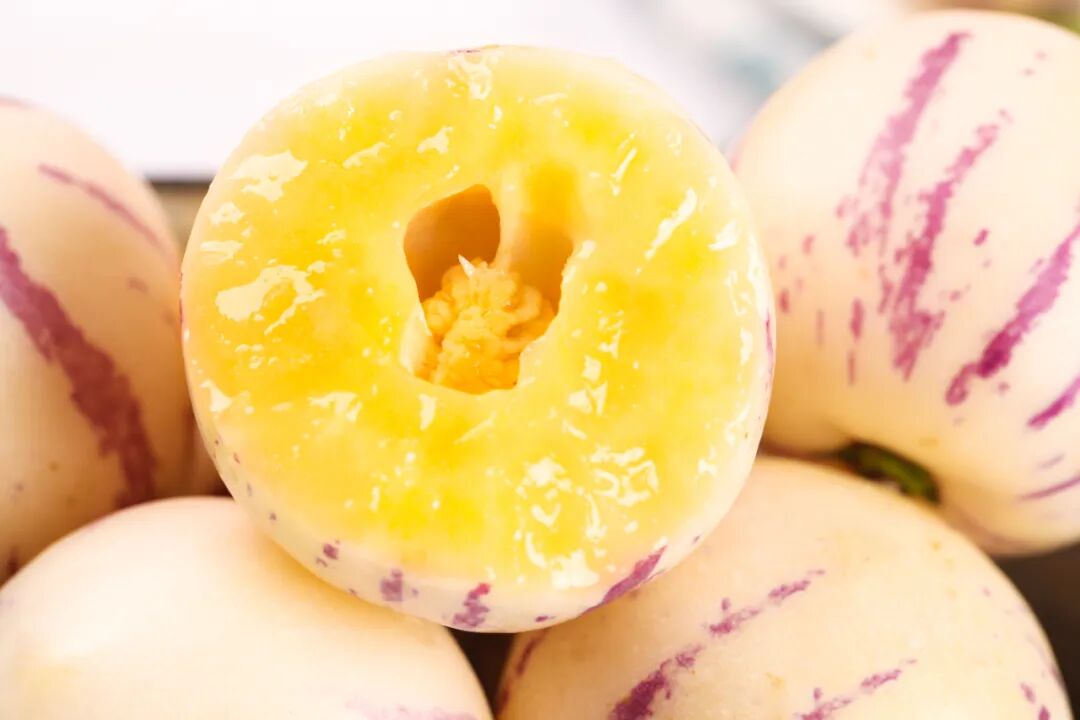 Image Source: Tuchong Creative
Ginseng Fruit
Is Best When Fully Ripe
Most people who have eaten Ginseng Fruit find it not very tasty; it smells like a sweet melon, has a pleasant aroma, but when bitten into, it tastes like cucumber, with a bland flavor.In fact, the ripeness of the fruit greatly affects the flavor of Ginseng Fruit; those that are more ripe taste quite good.Some studies have analyzed the aromatic components of Ginseng Fruit, identifying 87 types of aromatic compounds, including alcohols, aldehydes, and esters, among which 22 main compounds contribute to the sweet, fruity, and slightly oily aroma characteristics of Ginseng Fruit; the C9 compounds found in Ginseng Fruit (which generally only exist in gourd family plants) also contribute to the aroma of sweet melons and cucumbers.The aromatic components, flavor substances, and sugar content of Ginseng Fruit all increase with ripeness, and well-ripened Ginseng Fruit can be quite fragrant, with sugar content reaching up to 12%, tasting sweet and refreshing.
How to Determine the Ripeness of Ginseng Fruit?
Visual inspection can provide a preliminary judgment.Due to sunlight exposure, the anthocyanin content in the fruit accumulates on the surface, forming purple stripes, while carotenoids continuously synthesize, causing the flesh to turn yellow. If the Ginseng Fruit appears white with slight purple stripes, it indicates it is seven-tenths ripe, and the taste is not very good; fully ripe Ginseng Fruit is a golden fruit with purple stripes, and some overripe ones feel soft.
Ginseng Fruit
How to Store
The skin of Ginseng Fruit is very thin, making it difficult to store after purchase; different storage temperatures can also affect the color of the fruit. Therefore, it is recommended to buy Ginseng Fruit in small quantities, do not refrigerate, and store it in a cool, ventilated place. When eating, choose the golden-colored, soft fruits first.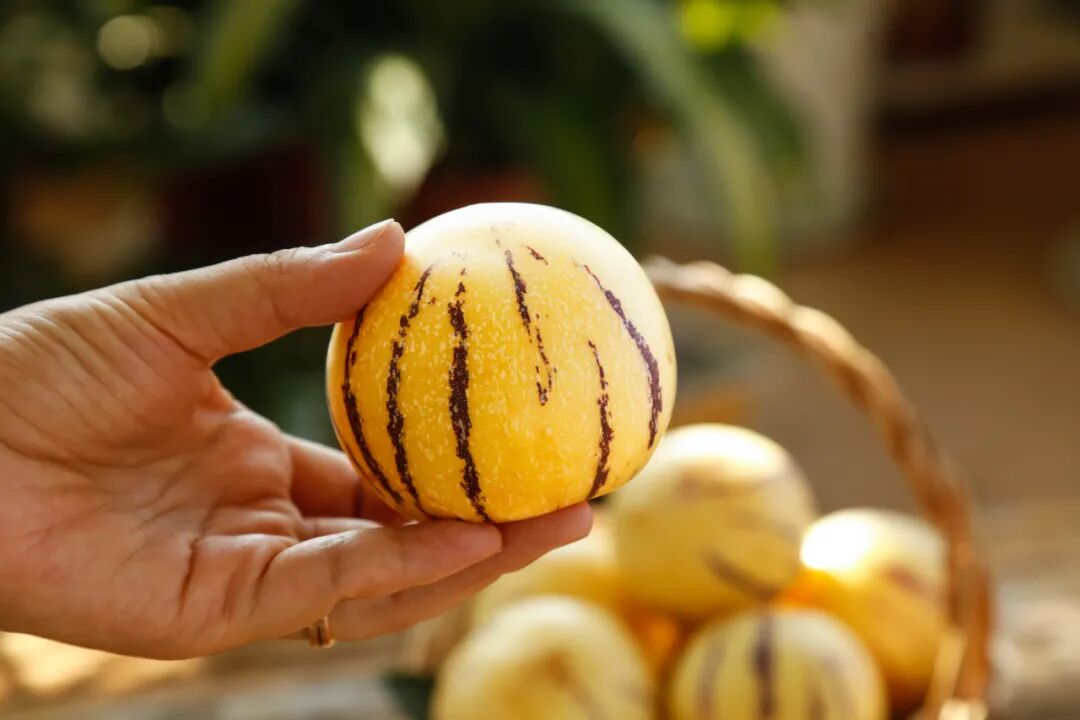 Image Source: Tuchong Creative
References:
1. Yang Yuexin. Chinese Food Composition Table, 6th Edition, Volume 1 [M]. Peking University Medical Press, 2018
2. Yang Shipeng, Jiang Xiaoting, Xu Panpan, Tan Long, Li Jiang, Zhong Qiwen. Research Progress on Nutritional Components, Post-Harvest Physiology, and Storage Preservation Methods of Ginseng Fruit [J]. Northwest Agriculture Journal, 2020, 29(10): 1447-1456
3. Zhang Zichen, Wang Yuying, Zhang Wanqu, Wu Quanhui, Huang Xinglong, Zhang Qinghua. Evaluation of Fruit Quality of Eight Ginseng Fruit Varieties [J]. Tropical Crop Science Journal, 2024, 45(3): 524-532
4. Wang Yanping, Liang Lien. Study on Characteristic Aroma Components of Melon Eggplant by SPME/GC-MS Method [J]. Fragrance and Flavor Cosmetics, 2017(6): 13-1628
Source: Science Popularization ChinaReviewed by: Shao Yifu Hospital Clinical Nutrition DepartmentThis content has been authorizedEdited and organized by Shao Yifu HospitalService account of Zhejiang University Shao Yifu HospitalNewly upgradedto create a one-stop internet diagnosis and treatment service platform
Follow the public account below
To start smart medical services
▽