Refusing to discuss specifications, we focus on experience. Follow the guide dog Xiao Kou for an authentic interpretation of familiar digital products. This article is expected to take 3 minutes to read.
The smartphone is the most widely used digital product. Through network connectivity, its functions are maximized, becoming increasingly smart and user-friendly. In this issue, I will share a product from the domestic brand Xiaomi, the entry-level Redmi 12C. It features an all-plastic body, a 6.71-inch screen, and is powered by the MediaTek Helio G85 processor. The device does not have many standout features, with the only unique aspect being the rear camera, which is almost flush with the back cover, providing a harmonious visual appeal and decent grip.
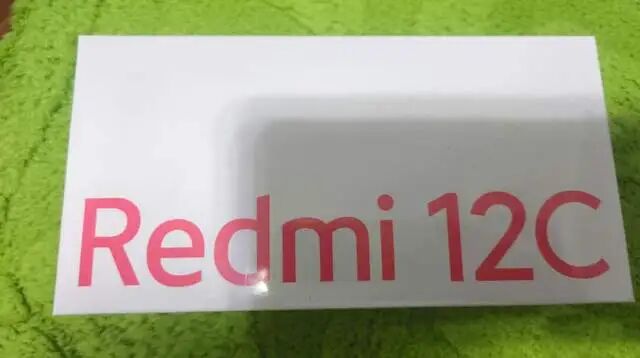
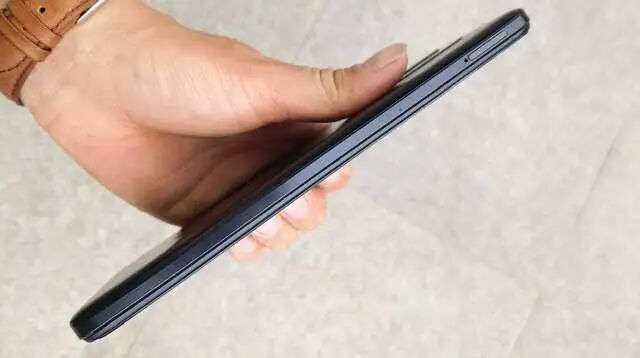
In terms of appearance, the 12C resembles traditional Android smartphones and maintains a design language similar to Redmi’s own digital series, featuring an entirely plastic body. The device sports a large 6.71-inch screen, which increases its overall size, primarily due to the wide bezels and screen borders, resulting in a poor grip. The thickness is 8.77mm, and it weighs 192 grams, which is not particularly lightweight. A male with larger hands can barely hold it with one hand, while a female with smaller hands may struggle to hold it comfortably, needing to frequently change hand positions. Adding a protective case makes the device feel like a brick. As an entry-level device, the black version is the best-selling color.
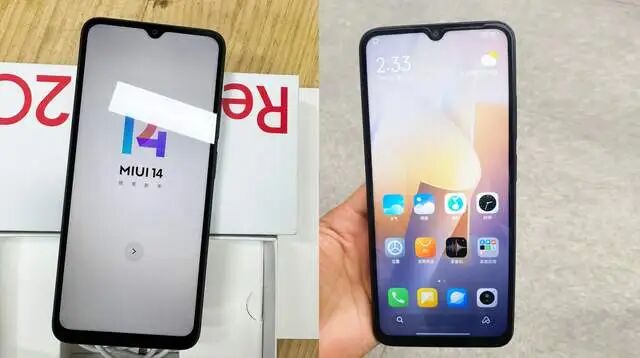
On the front, the layout of the 12C is standard for LCD screen devices. The plastic support for the screen significantly increases the thickness of the device. From a flat viewing angle, the screen borders are quite wide, giving the impression of an extra layer of “phone case”. The side bezels are wide, and the outdated notch at the top houses a prominent 5MP camera, with additional sensors and the earpiece integrated in one area, which is fortunately not obtrusive. The chin is limited by packaging technology, measuring about the width of a pinky finger. In sleep mode, the boundary between the black edge and the display area is not noticeable, but when the screen is lit, the black edges become apparent, creating a very rugged appearance.
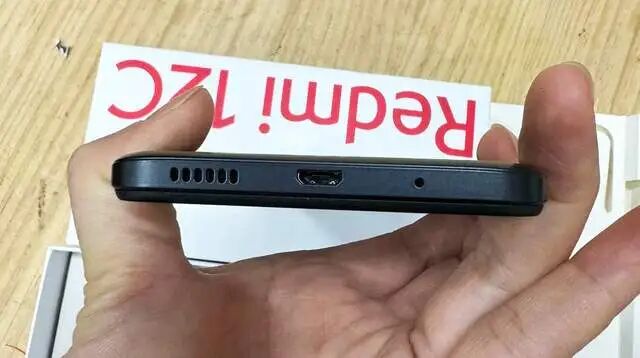
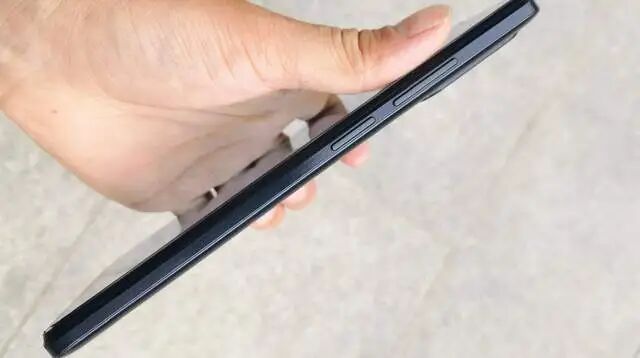
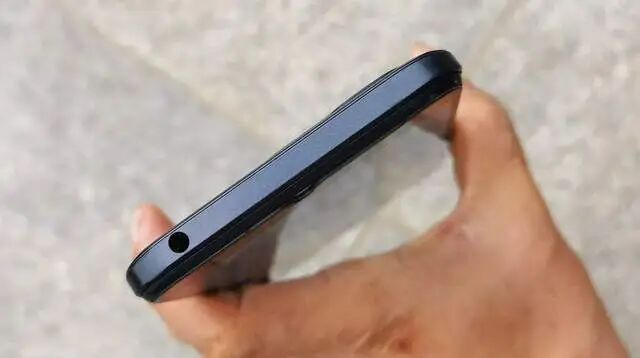
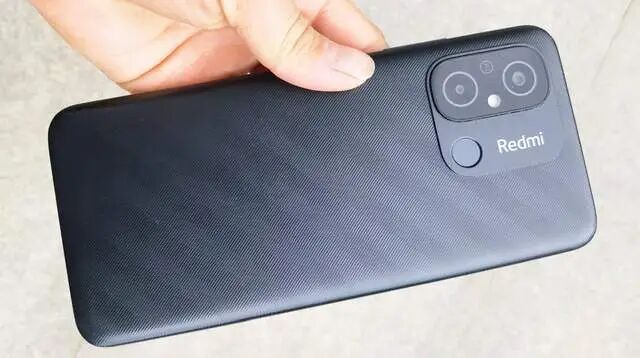
Flipping the phone to the mid-frame and back cover, these designs also follow a common style. The mid-frame has a straight edge design, and due to the presence of the plastic support for the screen, it raises the height significantly, effectively adding to the mid-frame’s height. The device’s expansion ports use the outdated micro USB specification for data and charging, while the top retains a 3.5mm headphone jack, and the power and volume buttons are also present. As for the back cover, a large section is noticeable, with a textured surface that easily collects dirt. The camera module at the corners is designed similarly to the Xiaomi 11, featuring a rounded rectangular base with dual cameras and an integrated fingerprint recognition module. For an entry-level device, the camera pixel count is not a concern; the only highlight is that the module is very low-profile, almost level with the back cover, providing a good visual appeal.
Upon powering on the 12C, its factory-installed system is the familiar MIUI 13, which can be updated to MIUI 14 after some iterations. The device is equipped with the MediaTek Helio G85 processor, which offers average performance, sufficient for daily use. The version I received has 6GB of RAM and 128GB of storage. After upgrading from the factory package to MIUI 14, I noticed significant lag and response issues. From the first entry to the home screen to loading the app list, the process is slow, and regular operations like swiping up and down also feel sluggish. Other system apps do not lag when entering and exiting, but the process feels stiff, lacking any transition animations.
Continuing to operate the 12C as a backup device, I went through all the apps. Installing third-party applications, such as common news browsers and instant messaging apps, with installation packages around 80MB, the installation process is relatively quick. The first entry can be quite laggy, but after exiting and re-entering several times, it becomes much smoother. This operation can be tested on all apps, and the operation gradually feels more responsive. However, some game apps, even small single-player games, do not improve in loading and running speed regardless of how many times they are entered and exited.
In terms of screen display, which significantly affects visual experience, the device features an LCD screen that surprisingly performs well. The main advantage is that it is not harsh on the eyes, and prolonged viewing does not cause discomfort. However, in bright outdoor conditions, the brightness is slightly low, while in dim light, it appears softer. Regarding screen clarity, the 12C has a resolution of only 720p, which does show some graininess, but it is not very noticeable. Browsing images and videos does not feel different. Another benefit of the low resolution is that it aids battery life; the 12C has a 5000mAh battery, which takes over 100 minutes to fully charge under 10W fast charging, but it is very durable, with standby and continuous usage times significantly better than other devices of similar size and processor.
In summary, the Redmi 12C smartphone, priced at only a hundred yuan, represents Xiaomi’s entry-level offerings and is a symbol of domestic digital products (after all, the price is very low). Compared to some counterfeit products, the 12C comes with proper packaging and after-sales service, a solid system and updates, and guaranteed quality, making it not too laggy during use. For daily applications, as a backup device, it handles calls without any issues.
▲THE END▼
Original digital review by guide dog Xiao KouSeries
For more product reviews, please click on the historical messages of the public account