Many patients arrive at the hospital early in the morning to register and queue.
They go around, running back and forth.
Consulting doctors, getting orders, paying fees, undergoing examinations, and waiting for reports.
A whole morning can pass without finishing the consultation.

Especially when going to the radiology department for examinations, patients often feel confused.
How can one efficiently and smoothly complete imaging examinations?
Today, let us answer various questions regarding examinations in the radiology department.


Our hospital’s radiology department (X-ray and CT examinations) provides 24-hour examination services. The steps for outpatients from consultation to radiology examination are: Registration → Triage → Consultation → Payment → Radiology Queue for Examination → Wait for Report → Collect Report for Follow-up.
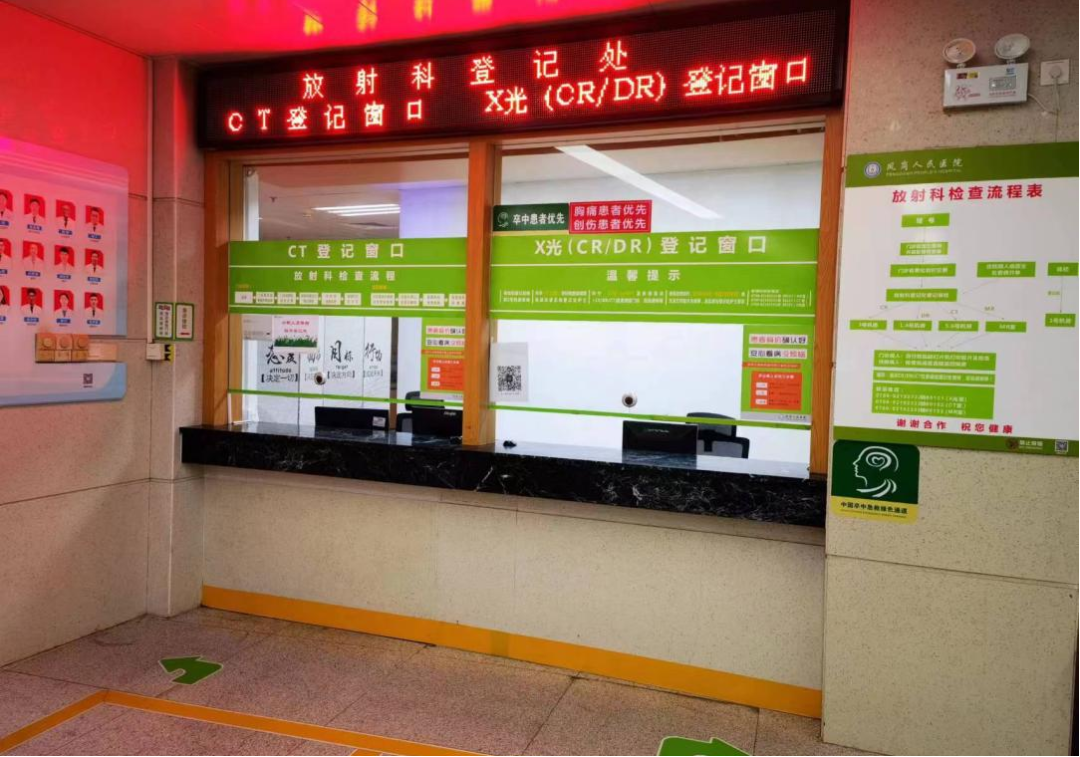
01 Register and Queue for Examination
1.Outpatients should bring the payment application form (inpatients should bring the inpatient application form) to the radiology department for registration and triage. We will triage patients to the corresponding examination room based on the examination site, arranging the order of examinations according to the patient’s condition and the order of registration. Critical patients, those in the green channel, the elderly, and disabled individuals will be prioritized for examination.
02 Remove Items Affecting X-ray Imaging
2. During the imaging examination, cooperate with the technician to position correctly, exposing the examination site as much as possible, and remove all items affecting X-ray imaging, such as hairpins, earrings, metal ornaments, belts, and clothing containing metal or paint, as these items can create artifacts on the images, affecting diagnosis.
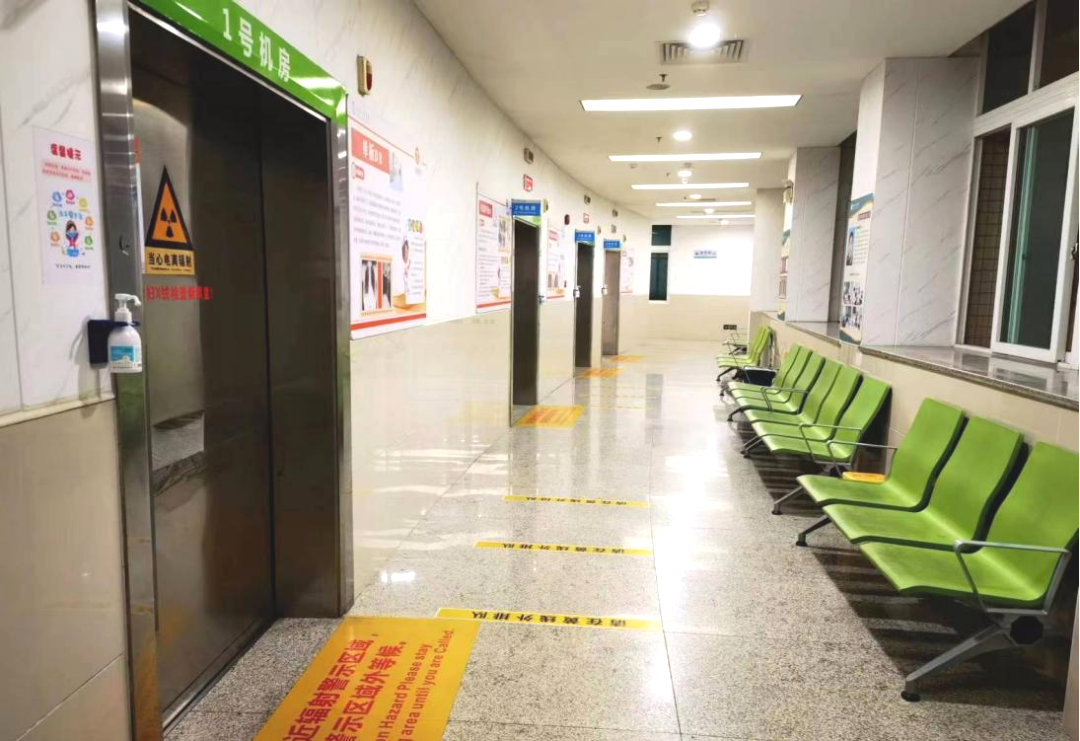
(X-ray examination waiting area)
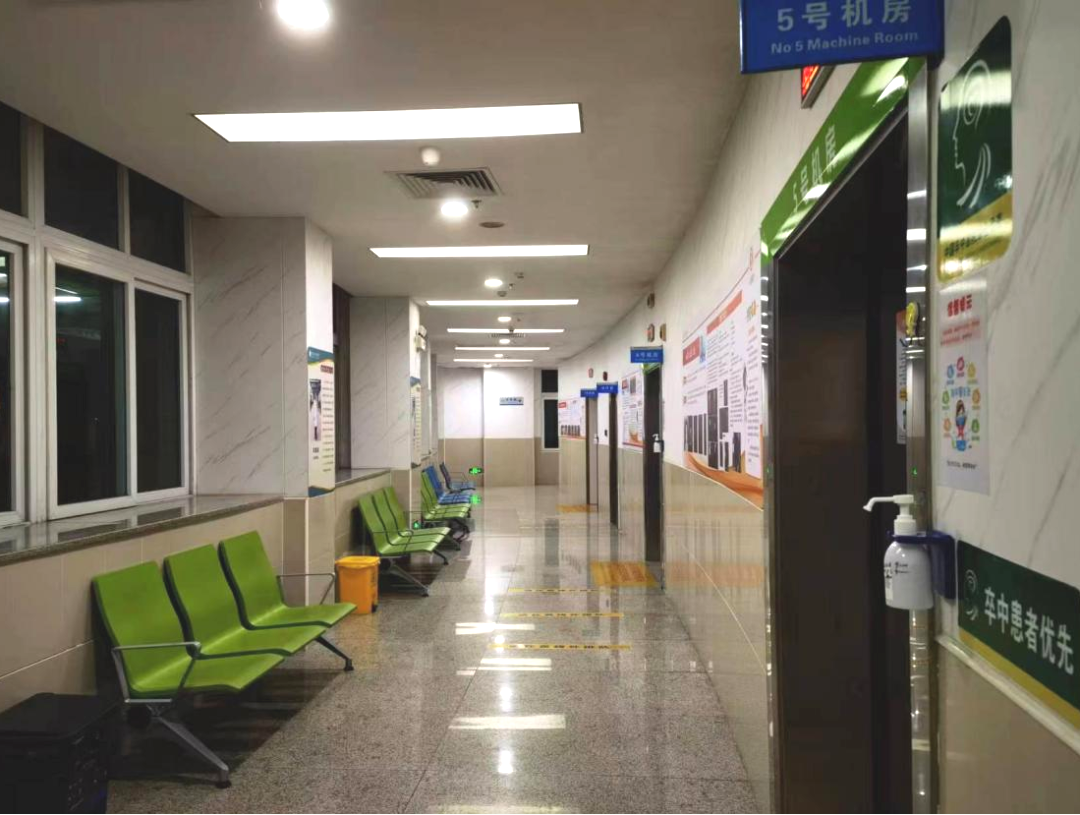
(CT examination waiting area)
03 Wait for the Report
3. After the examination, the images need to be verified by the technician and undergo post-processing. The images will then be printed and sent to the self-service report collection machine. The diagnosing physician will review the images and write the diagnostic report at the workstation. After the report is completed, it must undergo a double-signature review, which generally takes about 30 minutes to 1 hour.
04 Collect Report with Imaging Examination Barcode
4. Patients can collect the imaging report and films from the self-service report collection machine 30 minutes after the examination by scanning the imaging examination barcode. Generally, emergency reports are available within 30 minutes. If critical values are found or immediate clinical intervention is needed, we will notify the attending physician and patient within 10 minutes after the examination. Routine reports are available within 1 hour, but if there are too many patients or a heavy workload for the doctors, the collection time for routine examination reports may be extended. Inpatients and health check personnel will have their reports sent to the inpatient department and health check center, and do not need to collect them themselves.
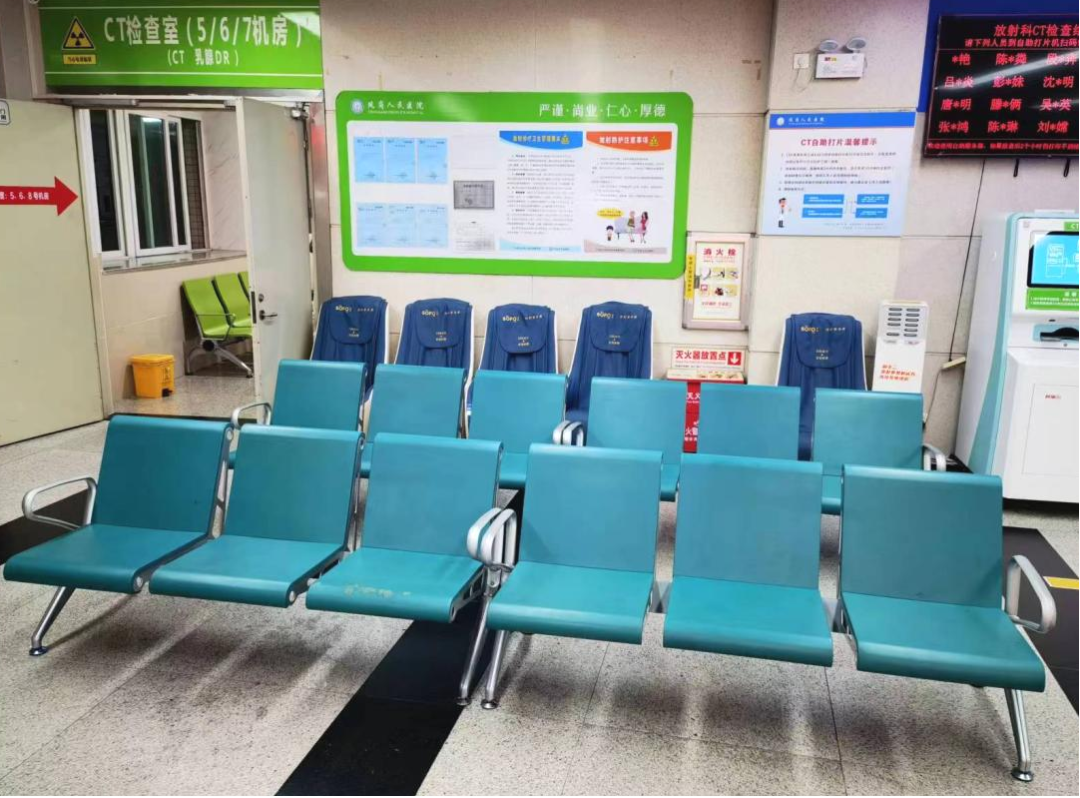
(Report waiting area)


Q1
Why can’t one enter the radiology room at will?
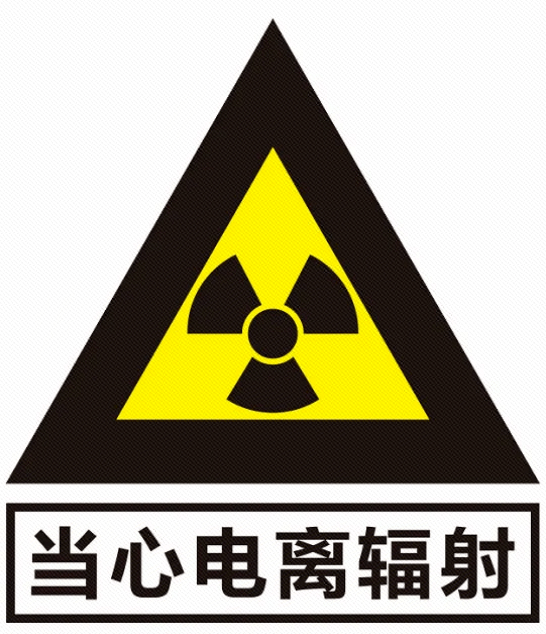
The radiology room is an ionizing radiation area (MRI does not emit radiation). For your health, please do not enter without an invitation from the radiology physician. When the room door is closed and someone is being examined inside, please wait outside the warning area.

Q2
Why do I need to remove some clothing and accessories for the examination?
Depending on the examination site and purpose, to meet imaging diagnostic requirements, sometimes metal on undergarments or clothing can affect the diagnosis, so the technician will ask you to remove undergarments or change clothes before the examination. It is recommended that patients wear loose-fitting clothing without metal accessories and remove earrings, necklaces, hairpins, and other personal items before the examination.
The magnetic field in the MRI examination room is strong, and all metal items such as keys, watches, mobile phones, coins, necklaces, earrings, jewelry, hairpins, magnetic cards, belts, and metal undergarments must be removed before entering the examination room. If you have a surgical history, implanted devices, or a history of metal fragments entering the body, you should consult the medical staff on duty to assess whether you can undergo an MRI examination.
Q3
What is the level of ionizing radiation in X-ray and CT examinations in the radiology department?
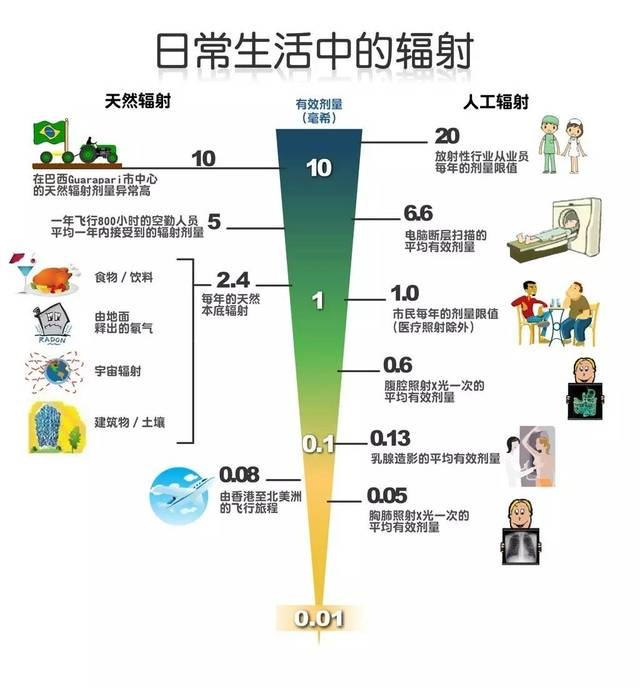
X-ray and CT examinations involve ionizing radiation, which poses certain risks to the human body. In medicine, the radiation hazard is generally measured in millisieverts (mSv). According to the International Commission on Radiological Protection, there is no change in tumor incidence when the radiation dose is below 100 mSv. The radiation dose from a routine chest X-ray is about 0.1 mSv, and while the dose for CT examinations is higher than that of regular X-rays, adults undergoing routine check-ups and examinations need not worry excessively.
(Image source: internet)
Q4
Can pregnant and breastfeeding women undergo X-ray examinations?
Pregnant women should be cautious with X-ray examinations, especially in early pregnancy. Women who may be pregnant during the pre-pregnancy period should avoid X-ray examinations of the lower abdomen or pelvis to prevent direct exposure of the fetus to high doses of radiation. Breastfeeding women can occasionally undergo low-dose routine X-ray examinations without any impact on their health. Routine X-ray examinations do not destroy the nutrients in breast milk and do not affect the mother’s ability to breastfeed her baby.

Q5
Will X-ray examinations affect children?
With the development of radiological examination equipment and protection technology, the radiation impact of a routine X-ray examination on patients is almost negligible, but unnecessary or frequent short-term radiation examinations should be avoided to reduce cumulative radiation exposure. For infants and young children undergoing X-ray examinations, radiation protection should be emphasized.
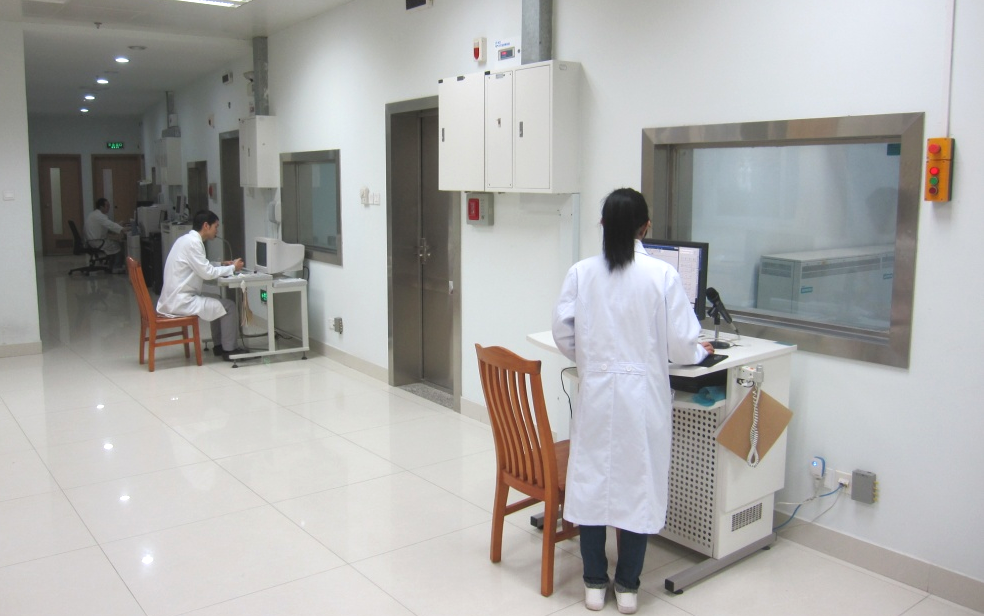
Experience sharing: If a doctor orders a complete blood count and a chest X-ray examination, it is recommended to take the child for the chest X-ray first, as the chest X-ray examination is quick and painless. If blood tests are done first, most children may resist due to pain and fear, leading to crying and non-cooperation during the examination. In practice, many repeat examinations and missed diagnoses are caused by children not cooperating, resulting in incorrect positioning and motion artifacts. During radiological examinations, parents should remove any clothing that may affect the examination from the child and cooperate with the technician to guide the child into a position suitable for imaging. For CT examinations, parents should first calm the child’s emotions and allow them to sleep before the examination to avoid movement during the process, which could lead to examination failure.
(Technician at work)
Q6
Why is it important for female patients to choose the right time for examinations?
The estrogen and progesterone secreted by the ovaries act on the uterus, causing periodic endometrial hyperplasia, thickening, and shedding, which manifests as menstrual bleeding; they also affect breast tissue, leading to periodic breast hyperplasia, swelling, and regression. Therefore, the optimal examination time varies for women of different ages. For premenopausal women, the best examination time is from the first day of menstruation, with days 7-10 being optimal. At this time, hormone levels are lower, and breast gland hyperplasia and edema have subsided, making it easier to detect and identify lesions. The same applies to examinations for endometrial lesions, but for those with existing lesions or a high clinical suspicion of abnormalities, timely examinations should be conducted to avoid delaying treatment. Postmenopausal women are less affected by hormone levels, so there are no special requirements for examination timing.
Q7
Why is the CT examination so quick, but waiting for the report takes so long?
For some patients, the wait for results seems long, but this is not due to the medical staff intentionally delaying; it is part of the CT examination workflow. Some people think that radiological examinations automatically produce images and reports after scanning, but this is not the case. The entire workflow involves many people performing their respective roles, including physicians, technicians, and nurses.
The CT scan is quick, but it produces raw image data. After the technician verifies the accuracy, the images undergo post-processing, including three-dimensional reconstruction (coronal, sagittal), vascular reconstruction, and skeletal reconstruction. After reconstruction, the images are sorted, printed, and sent to the diagnostic physician’s workstation. The diagnosing physician assesses whether the image quality meets diagnostic requirements, reviews the images in conjunction with the patient’s medical history and examination purpose, and writes the diagnostic report. The physician observes the images one by one; a single examination can yield anywhere from dozens to thousands of images, requiring careful examination to identify abnormalities, describe the location, morphology, and extent of lesions, and conduct a comprehensive analysis for diagnosis. After completing the report, it must be submitted for review by a senior physician before it can be released. The process of reviewing images and writing reports is crucial, and in cases of multiple examinations or complex critical patients, it may take longer, as the diagnosing physician needs to invest significant time and effort to observe, think, and write. Some complex conditions may require consultations and discussions to provide the most accurate diagnosis for clinical use.
Throughout the radiological examination process,
we strive to provide patients with
efficient, high-quality, and humane services.
We will continue to optimize examination processes, improve efficiency,
and shorten patient waiting times.
We hope for your understanding and support.

Radiology Department – Department Introduction

Swipe up to read
The Imaging Department of Fenggang Hospital in Dongguan currently has Siemens Aera 1.5T superconducting MRI; Philips 64-slice 128-layer Incisive CT machine; United Imaging 40-slice 80-layer CT machine; GE multi-slice spiral CT machine; GE Optima XR646 HD dual-panel suspended DR, GE mammography and stereotactic biopsy DR; Siemens single-panel DR; Shimadzu fluoroscopic flat-panel DR; and large high-end oral CT machines, providing comprehensive digital imaging (DR), whole-body computed tomography (CT), whole-body magnetic resonance imaging (MRI), and various imaging-guided localization and puncture treatment services.

The radiology department currently has a total of26 professional technical personnel, including 5 with senior titles, 9 with intermediate titles, 9 with junior titles, and 3 nurses. The department has invited Dr. Zheng Xiaolin, former chairman of the Dongguan Medical Association Radiology Branch, former director of the Radiology Department of Dongguan People’s Hospital, and executive member of the Guangdong Medical Association Radiology Society, to serve as a consultant, providing regular guidance to the department.

Main Examination Projects Conducted
1. 64-slice 128-layer spiral CT machine: In addition to routine scans and enhanced examinations of the head, neck, chest, abdomen, limbs, and spine, the department has successfully developed specialized examinations such as non-invasive coronary artery imaging, combined vascular imaging of the head and neck, whole-body vascular imaging, low-dose lung scans and lung nodule analysis, three-dimensional imaging of bones and joints, and urinary system imaging.
2. 1.5T superconducting MRI: In addition to routine scans and enhanced examinations of the head, neck, spine, musculoskeletal system, abdomen, and pelvis, the department has successfully developed specialized examinations such as functional MRI of the brain, whole-body diffusion-weighted imaging (DWI), head and neck vascular imaging (MRA), susceptibility-weighted imaging (SWI), breast MRI, pancreatic and biliary water imaging (MRCP), urinary system water imaging (MRU), inner ear water imaging, and whole-spine imaging.
3. Digital Radiography (DR): Routine examinations include imaging of all body parts, mammography, panoramic imaging of the entire spine and lower limbs, dental panoramic imaging, gastrointestinal tract imaging, T-tube imaging, intravenous urogram, retrograde pyelography, and imaging of sinuses and fistulas.
Establishing a hospital for the people, saving lives!
All medical staff in the radiology department of Fenggang Hospital
are dedicated to serving you!
Contact Consultation Phone
0769-82192333 ext. 80151 (X-ray Room)
0769-82192333 ext. 80152 (CT Room)
0769-82192333 ext. 80153 (MRI Room)

Submitted by: Radiology Department
Edited by: Liang Yingran
Proofread by: Wu Wanxia
Reviewed by: Lin Jianhua