In recent years, the waves of “Industry 4.0” and “smart manufacturing” have swept through the entire manufacturing sector, and welding, as the “tailor” of the industrial world, has naturally become the focus of automation upgrades. Technologies such as teaching-free operation, visual tracking, intelligent sensing, and collaborative robots… these dazzling technical terms can be overwhelming, as if traditional welding is about to be completely overturned overnight.
However, an undeniable phenomenon is that many companies that have invested heavily in welding robots have not been able to create the expected value; instead, they quietly lie in the corners of workshops, gathering dust. The reasons behind this are thought-provoking: some are caught in a “comparison-based” procurement for the sake of technology; some are trying to align with policies to obtain subsidies; and others have overly high expectations for automation, leading to inadequate preparation and resulting in “poor adaptation”.
If you are considering or have already introduced welding automation equipment, how can you avoid it becoming another expensive “ornament”? The key lies in returning to the essence and viewing it rationally.
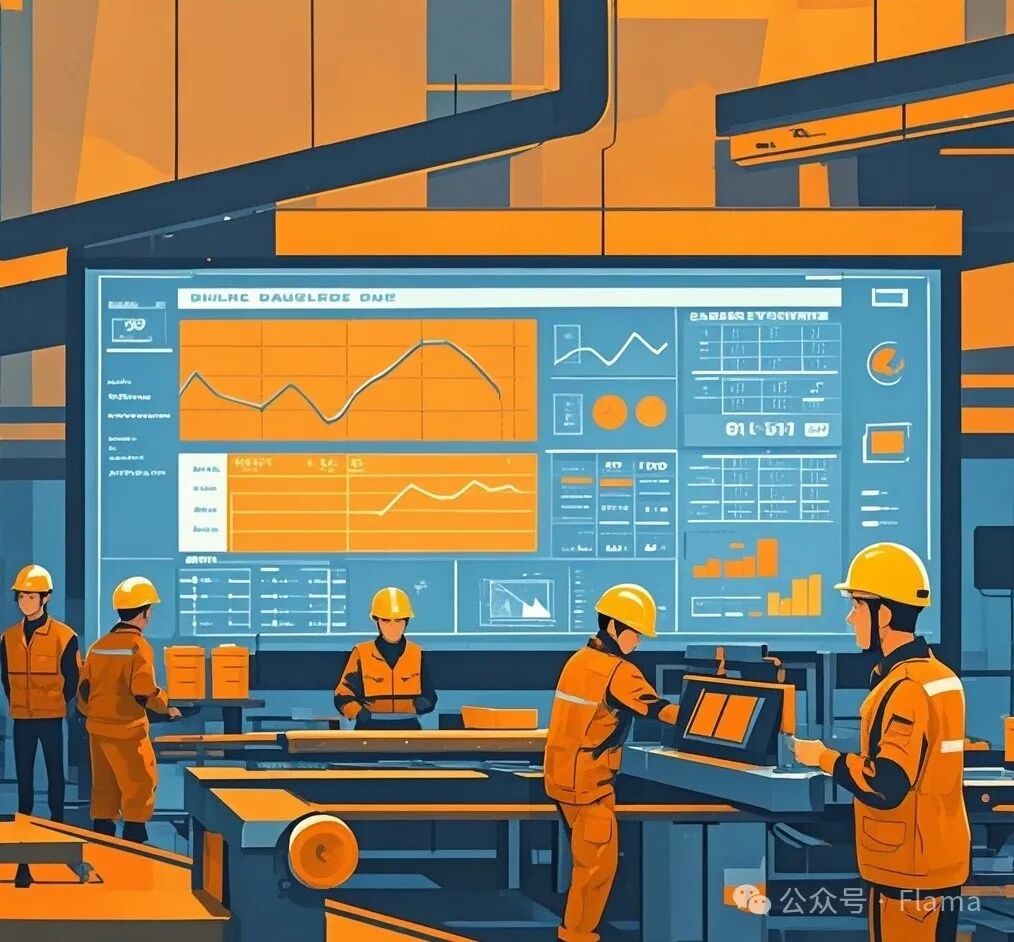
Breaking the Myth: Welding Robots Are Not a “Cure-All”
First, it is essential to recognize that welding robots are a powerful tool that is highly dependent on preconditions, rather than a “cure-all” solution.
It is not “unmanned” black magic: Current technology, even the most advanced “teaching-free” systems, still require human intervention. They still need professional programming, setting of process parameters, daily maintenance, and adjustments for different workpieces. They replace repetitive, high-intensity welding labor, but still require human wisdom to operate.
It cannot solve all process problems: For situations with a wide variety of products, extremely small batches, and highly complex weld locations, a fully automated solution may currently be neither economical nor efficient. Forcing implementation will inevitably lead to debugging time far exceeding welding time, resulting in decreased efficiency.
“Intelligent” does not equal “no debugging”: Visual and AI technologies greatly enhance the adaptability and intelligence of robots, but their role is to “assist” and “enhance”, not to “replace”. They still require algorithm training and parameter optimization based on your workpieces, base materials, and welding wires.
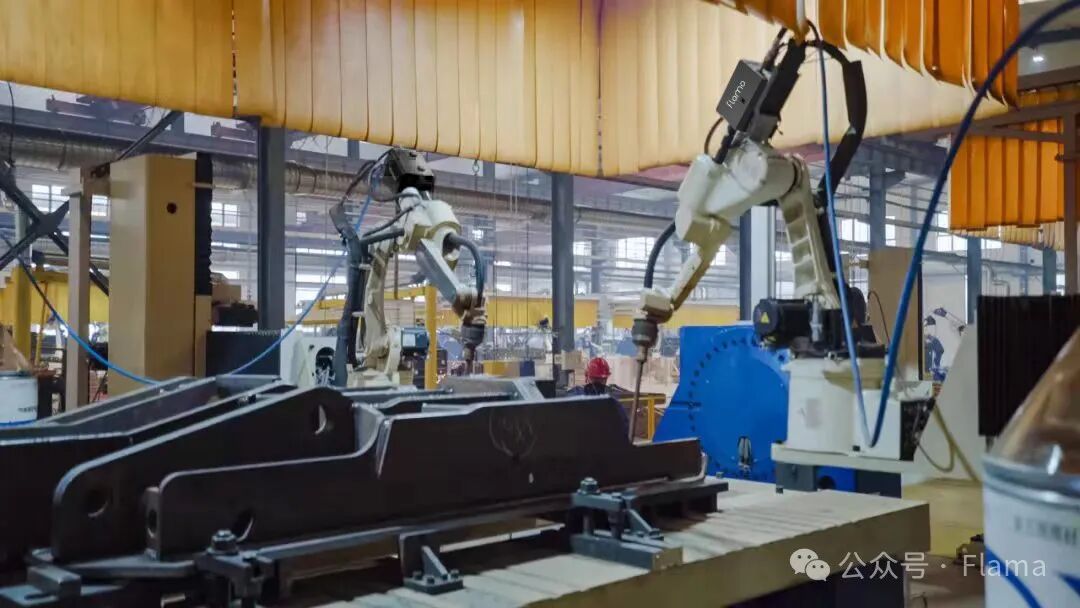
Returning to Rationality: “Three Self-Reflections” Before Implementing Automation
Before deciding to invest, please calmly ask yourself three questions:
-
Is my product suitable?
-
Workpiece consistency: Is your product batch large enough? Is the consistency of the workpieces (size, bevel, assembly accuracy) high? The worse the consistency, the higher the difficulty and cost of implementing automation.
-
Process standardization: Is your welding process mature and stable? If manual welding cannot guarantee quality, it is unrealistic to expect robots to solve it automatically. Robots first need a stable and repeatable process foundation.
Have I laid a solid foundation?
-
Talent preparation: Do you have or are you willing to cultivate composite talents who understand both welding processes and robot operation programming? This is the core of whether robots can be effectively utilized. Otherwise, once a fault occurs or a change is needed, you can only wait for external support, which is passive and undesirable.
-
Management processes: Automated welding is not an isolated workstation; it requires precision assurance from previous processes (such as material feeding, bending, assembly) and close cooperation with subsequent processes. The entire production process needs to be adapted and optimized for automation.
Is my goal clear?
-
What are you pursuing? Is your primary goal in introducing robots to improve efficiency, stabilize quality, reduce reliance on welders, or improve the working environment? Different goals lead to different technical paths and investment return cycles. Avoid blindly choosing the highest configuration for the sake of “comparison” or “concept”.
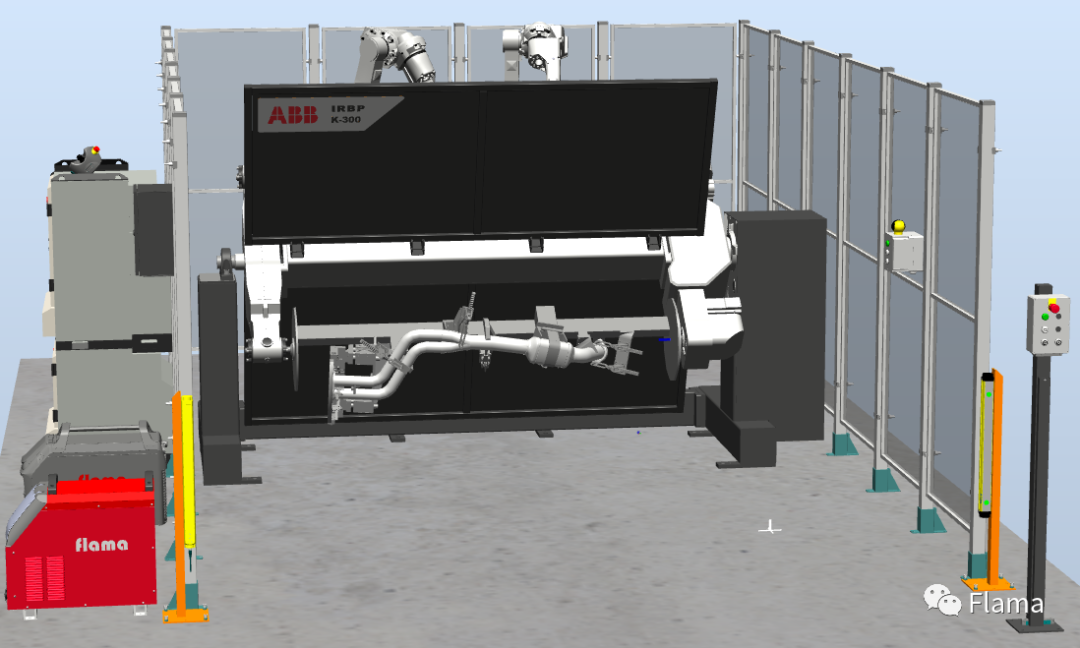
Pragmatic Path: Making Robots “Useful” to “Well-Used”
For most companies, automation upgrades should not be a one-time effort, but rather a gradual and incremental process.
-
Start from the “pain point” workstation: Do not attempt to transform the entire production line at once. You can start with the most repetitive, labor-intensive, quality-stable, or hardest-to-recruit workstation. Use the success of a small project to accumulate experience, validate results, and build confidence.
-
Embrace “collaboration” rather than “replacement”: For small batches and diverse conditions, there is no need to insist on full automation. Collaborative robots (Cobots) are a great compromise. They are flexible to deploy, easy to program (using drag-and-drop teaching), and can work closely with welders, leveraging human flexibility and machine stability to achieve “human-machine collaboration” at a high cost-performance ratio.
-
Choose a “reliable” partner: When selecting a supplier, do not only look at how impressive their technical PPT is, but also assess:
-
Depth of process understanding: Do they understand welding? Can they provide a mature process database?
-
Local service capability: Is their response timely? Is their technical support team professional?
-
Successful cases: Do they have landing cases similar to your industry and products? Visiting the site and talking to real users is far more valuable than listening to sales pitches.
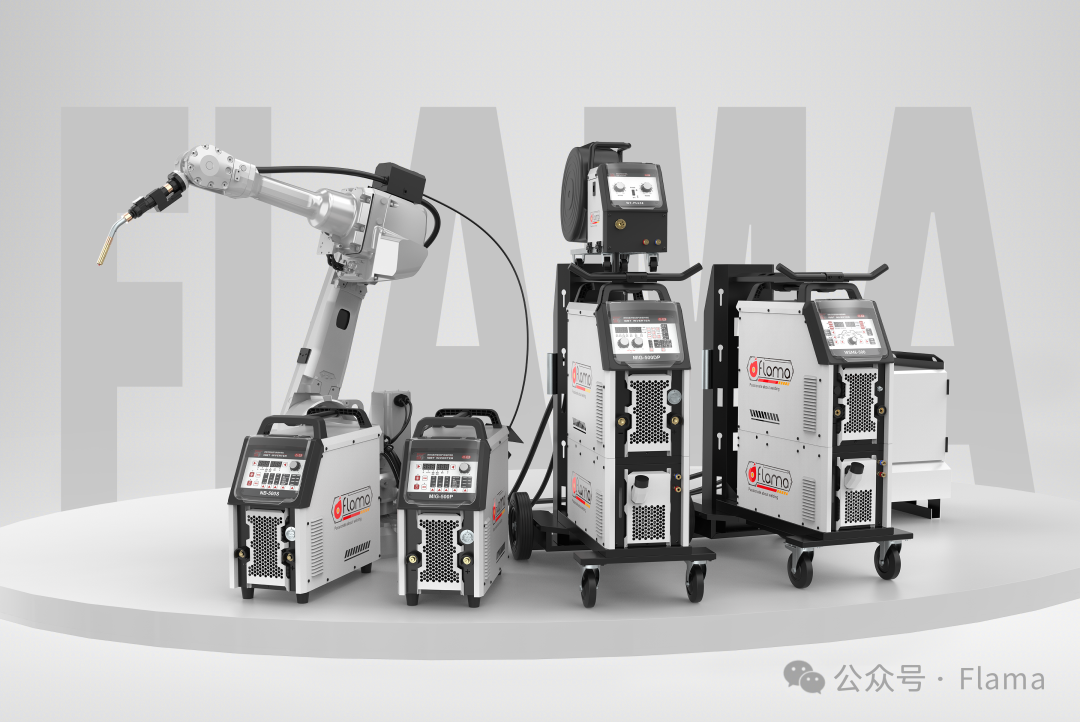
Conclusion
Welding robots are undoubtedly a great technological advancement of this era, but they are not a form of performance art to show off. Their value lies not in whether they are owned, but in whether they are truly and effectively used. For companies, abandoning impatience and returning to the essence of manufacturing, making the most rational choices and plans based on their actual needs, product characteristics, and talent reserves, will allow this cold steel partner to truly come to life, becoming your core tool for improving quality, reducing costs, and increasing efficiency, thus winning market competition.