Click the blue text to follow us for basic knowledge and original content
SUBSCRIBE to US
The 12th lecture of the “Dr. T’s Measurement – Basics and Practical Examples of RF Microwave Measurement” course has been updated. Thus, the oscilloscope section of Chapter 6 has been completely updated. The 12th lecture mainly provides a deeper introduction to oscilloscopes from the perspectives of instrument panel, selection and use of accessories, basic settings and applications, and precautions, based on the theoretical knowledge from the 11th lecture.Chapter 6: Oscilloscope
Lecture 12: Oscilloscope Operation and Application【54 minutes】
6.3. Operation and Application
6.3.1. Introduction to Instrument Panel
6.3.2. Selection and Use of Oscilloscope Accessories
6.3.3. Basic Settings of Oscilloscope
6.3.4. Applications of Oscilloscope
6.4. Precautions for Use
Screenshots of Lecture 12 Content
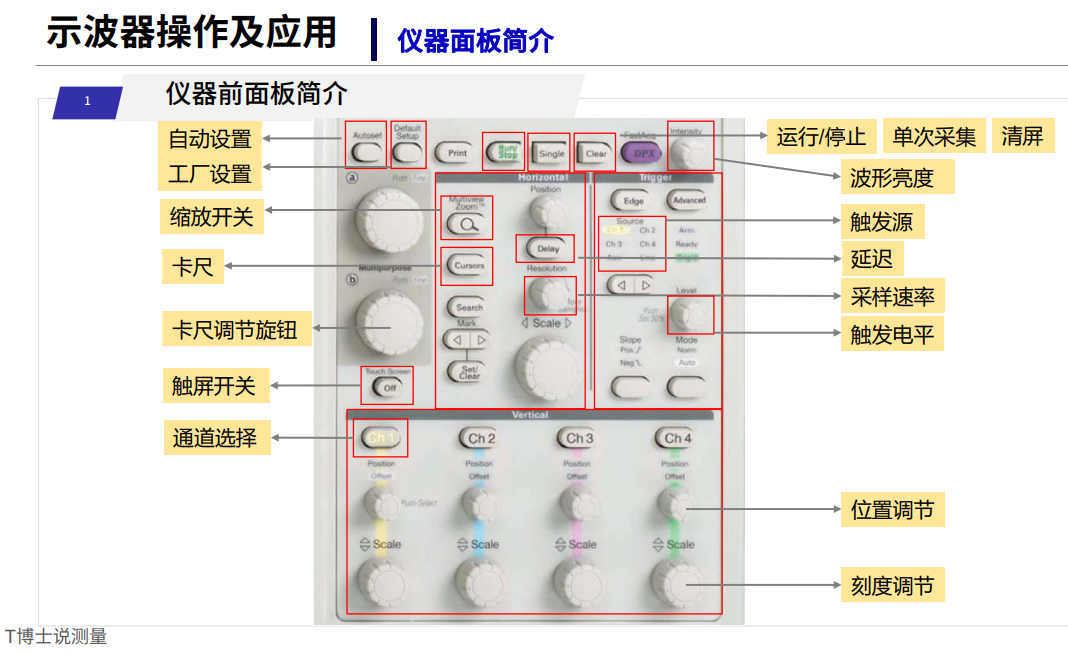
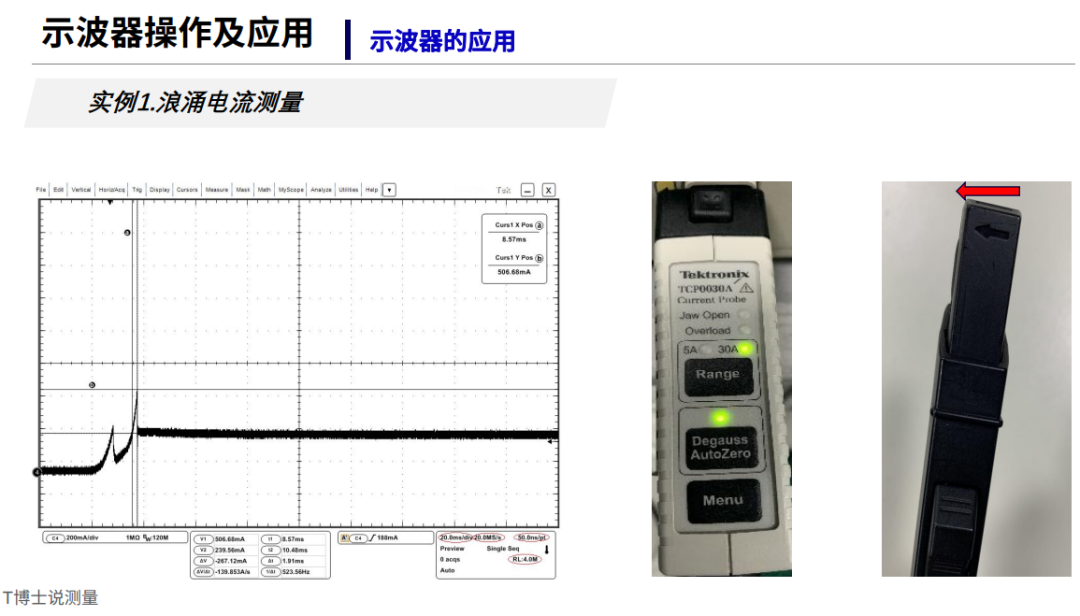
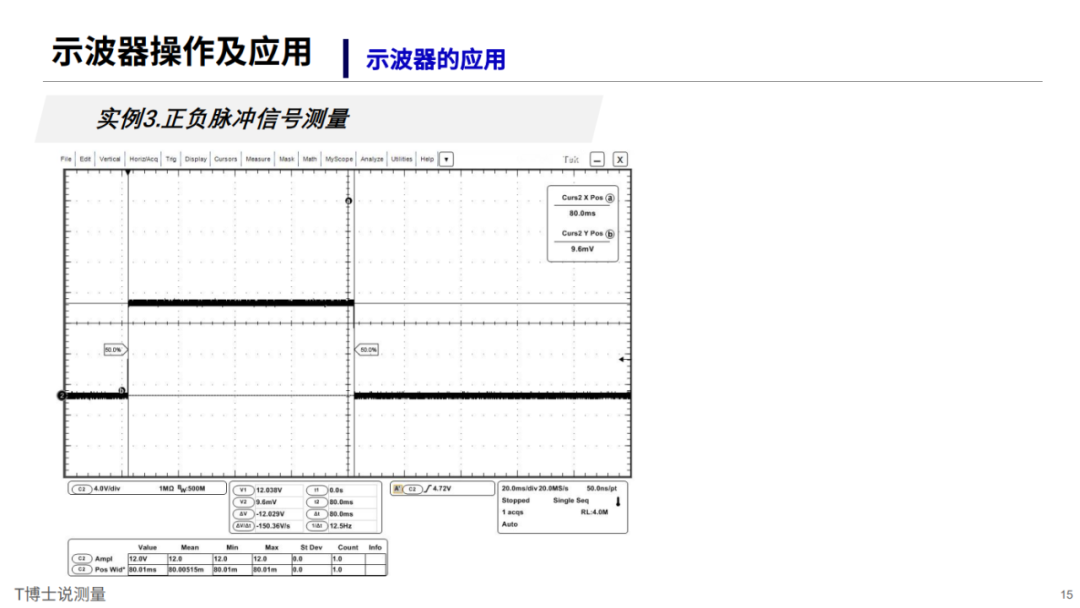
As of now, the content of Chapter 6 of the “Dr. T’s Measurement” course has been updated. From Chapter 2 to Chapter 6, the course instructors have provided detailed introductions to widely used instruments in microwave measurement, such as vector network analyzers, signal generators, spectrum analyzers, power meters, and oscilloscopes. The upcoming Chapter 7 will cover other measuring instruments, such as noise figure testers, digital multimeters, and desktop power supplies. We welcome everyone to join the course for learning!
Identify or scan the QR code to join the course for learning
Meanwhile, in the course discussion group, the discussions among teachers and students from various universities and engineers are very lively, where everyone exchanges testing challenges, shares insights, brainstorms, and progresses together! (Non-course members can also add customer service WeChat to apply to join the group!)
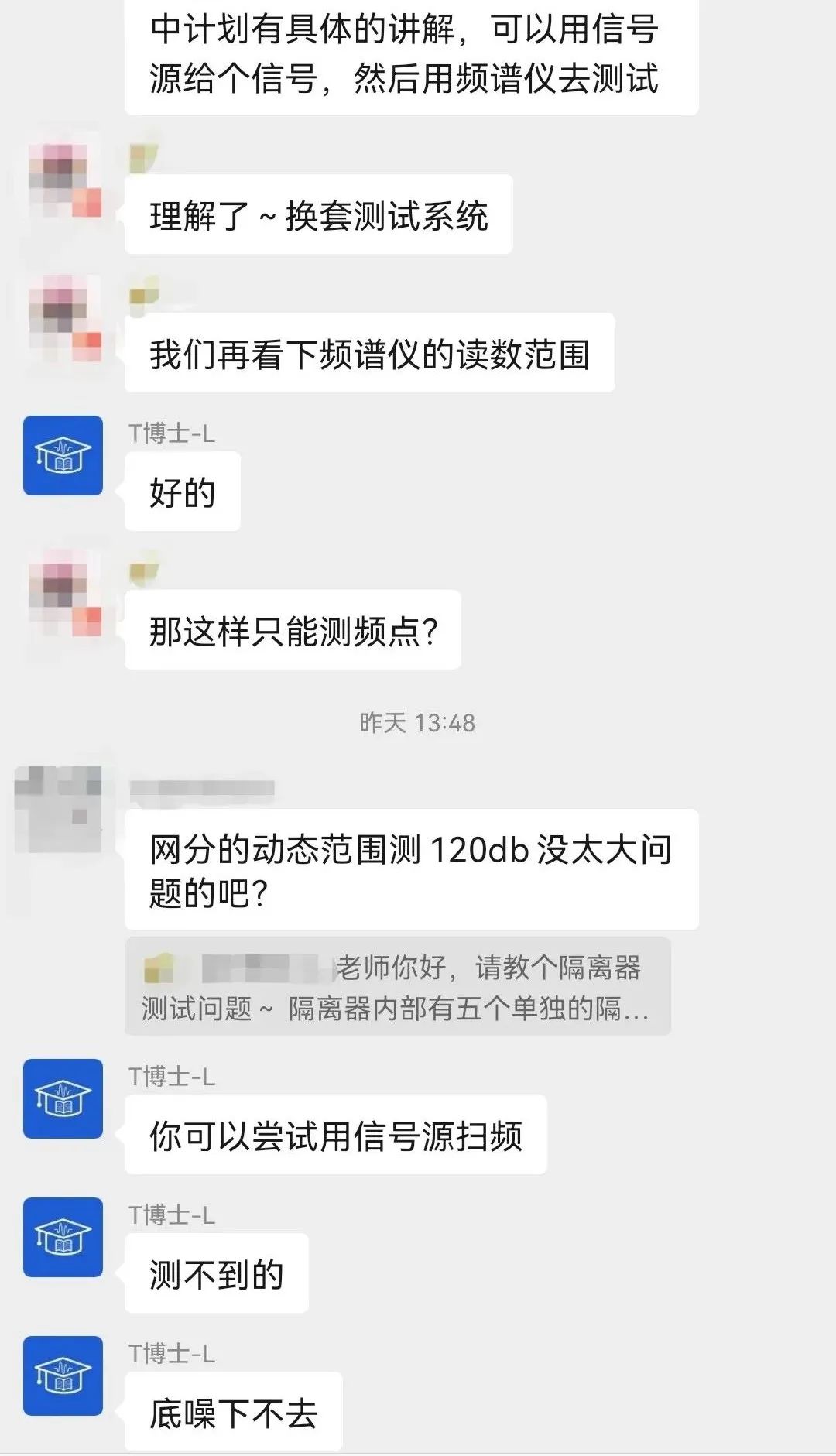
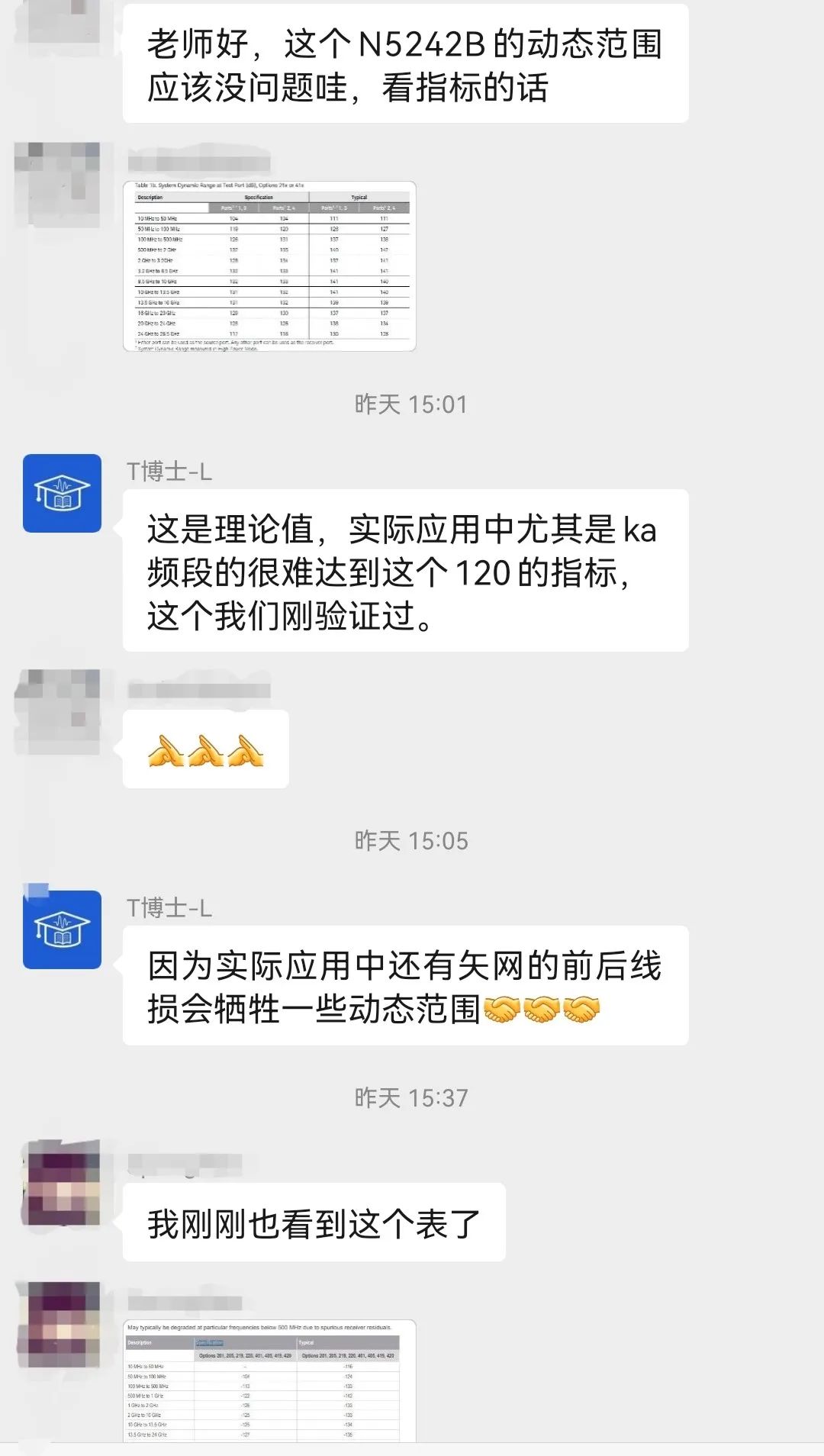
The original price of the course is 519, but currently, there is adiscountprice388 yuan.(Note: Any stage of purchase allows access to all updated courses)
The latest course PPT has also been uploaded and updated. We welcome students who have joined the course to add customer service WeChat to download and study.
RFASK RF Inquiry Course Customer Service
Add customer service corporate WeChat to apply to join the group
Learn more about course information
Course Background Introduction
In recent years, with the rapid development of wireless communication technology in China, wireless communication has become a highly advanced technology industry with a huge output value and a large number of practitioners. Hardware, as an indispensable component in the research, manufacturing, and construction of wireless communication technology, is essential for testing to verify its performance and quality. To meet the needs of personnel involved in the research, debugging, testing, and engineering construction of wireless communication hardware, as well as learners in related fields, the “Dr. T Team”, as a pioneer in the domestic testing field, has specially produced a series of microwave testing technology courses.
Currently, the learning materials for RF microwave measurement found through the Internet are usually provided by instrument manufacturers and are relatively fragmented.“Dr. T’s Measurement” is the first systematic video teaching course in the RF industry created by a front-line engineering team based on practical engineering applications, greatly enriching the learning content in the field of microwave testing and measurement.The video explanation format, combined with supporting course handouts and mutual assistance guidance in WeChat groups, allows users in the RF industry to systematically and efficiently master microwave measurement knowledge and key issues in engineering practice, while also providing a certain knowledge reserve and industry application guidance for users engaged in this industry.
This course is based on our testing team’s years of experience in microwave testing and measurement, taking the engineering application perspective as an opportunity, starting from the basics of microwave measurement, and distilling commonly used foundational content in microwave testing technology in a clear and accessible manner; Chapters 2 to 7 provide detailed explanations of various instruments widely used in microwave measurement, including vector network analyzers, signal generators, spectrum analyzers, power meters, oscilloscopes, noise figure testers, digital multimeters, and desktop power supplies, starting with an overview and combining relevant theories with engineering practice applications, explaining the working principles, usage methods, and precautions of measuring instruments; finally, using examples of passive devices, amplifying devices, and frequency conversion devices, it details the preparatory work before testing, the correct selection of testing methods, operational steps, and the processing of measurement results and uncertainty analysis.
This course is suitable for:
1. Students and teachers in electronic engineering, communication engineering, electronic measurement, and instrumentation at science and engineering universities;
2. Individuals with no background who are about to engage in wireless communication research and development, microwave measurement, microwave debugging, instrument calibration, etc.;
3. Engineers working in microwave testing and measurement-related fields;
What help does this course provide to students:
1. Master the basic knowledge related to testing and measurement;
2. Quickly transform theoretical knowledge into engineering application capabilities, laying a foundation for future work and study;
3. Quickly and proficiently master the basic principles, foundational operations, usage methods, and precautions of various testing instruments, thus facilitating measurement work;
4. Through a series of testing examples, enable students to systematically and effectively characterize the performance characteristics of the tested devices;
5. Paid users can watch the complete video course online, and also receive answers from the instructor (public questions allowed) and download course handouts and materials. Other users can join the discussion group to discuss and learn together.Course Instructor Team Introduction:The Dr. T team consists of three professionals with over ten years of experience in the testing and measurement field; they have long been engaged in the testing and measurement industry, accumulating rich testing experience; they have edited and participated in relevant measurement standards and contributed to the research of some testing methods, filling several gaps in this field; the team is also skilled in writing testing mini-programs and building automated testing systems to improve testing efficiency; the team is committed to researching and developing new technologies and fields in testing to meet the growing testing demands by continuously enhancing the team’s technical capabilities.This course is divided into eight chapters, totaling 20 lectures, and has now been updated to the 12th lecture.
Identify or scan the QR code to join the course for learning
Complete Course DirectoryDr. T’s Measurement
Chapter 1: Basics of Microwave Measurement【Updated】
Lecture 1: Basics of Microwave Measurement (1)【25 minutes】
1.1 Introduction to Wireless Communication
1.1.1. Basic Definitions
1.1.2. Commonly Used Radio Frequency Bands
1.2 RF/Microwave Characteristics
1.2.1. Basic Characteristics
1.2.2. Major Advantages
1.2.3. Disadvantages
1.3 RF Triangle
1.3.1. Frequency
1.3.2. Power
1.3.3. Impedance
1.4 Applications of RF Microwave Circuits
1.4.1. Specific Applications
Lecture 2: Basics of Microwave Measurement (2)【32 minutes】
1.5 Basics of RF/Microwave Engineering
Chapter 2: Vector Network Analyzer【Updated】
Lecture 3: Working Principle of Vector Network Analyzer【23 minutes】
2.1 Overview
2.1.1. Transmission Line Theory
2.1.2. S-Parameters
2.1.3. What is a Network Analyzer?
2.2 Working Principle
2.2.1. Components
2.2.2. Structural Principles
Lecture 4: Vector Network Analyzer Operation and Application【81 minutes】
2.3 Operation and Application
2.3.1. What Accessories are Needed?
2.3.2. Usage Process
2.3.3. Setting Steps
2.3.4. Calibration
2.3.5. Measurable Parameters
2.3.6. Display Settings
2.3.7. Measurement Result Reading
2.3.8. Typical Applications
2.4 Precautions for Use
Chapter 3: Signal Generator【Updated】
Lecture 5: Working Principle of Signal Generator【33 minutes】
3.1 Overview
3.1.1. Basic Concepts
3.1.2. Signal Source Composition Block Diagram
3.1.3. Frequency Synthesis Technology
3.1.4. Classification of Signal Generators
3.2 Four Operating Modes of Signal Sources
3.2.1. CW Continuous Wave Mode
3.2.2. Scanning Signal
3.2.3. Analog Modulation
3.2.4. Digital Modulation
Lecture 6: Signal Generator Operation and Application【33 minutes】
3.3 Operation and Application
3.3.1 Introduction to Instrument Panel
3.3.2 Typical Applications of Signal Source
3.4 Precautions for Use
Chapter 4: Spectrum Analyzer【Updated】
Lecture 7: Working Principle of Spectrum Analyzer【19 minutes】
4.1 Overview
4.1.1. Introduction to Signal Analysis
4.1.2. Common Functions of Spectrum Analyzers
4.2 Working Principle
4.2.1. Role of Devices
4.2.2. Basic Principles
Lecture 8: Spectrum Analyzer Operation and Application【27 minutes】
4.3 Operation and Application
4.3.1 Introduction to Instrument Panel
4.3.2 Basic Measurement Settings
4.3.3 Processing After Measurement
4.4 Precautions for Use
Chapter 5: Power Meter【Updated】
Lecture 9: Working Principle of Power Meter【14 minutes】
5.1 Overview
5.1.1. Definition of Microwave Power
5.1.2. Overview of Power Measurement Methods
5.2 Working Principle
5.2.1. Composition and Classification
5.2.2. Basic Principles
Lecture 10: Power Meter Operation and Application【20 minutes】
5.3 Operation and Application
5.3.1. Instrument Technical Specifications
5.3.2. Basic Measurement Settings
5.4 Precautions for Use
Chapter 6: Oscilloscope【Updated】
【44 minutes】
6.1 Overview
6.1.1. Oscilloscope and Signal Measurement
6.1.2. Analog Oscilloscope vs Digital Oscilloscope
6.2 Working Principle
6.2.1. Basic Principles of Oscilloscope
6.2.2. Introduction to Basic System of Oscilloscope
6.2.3. Indicators of Oscilloscope
Lecture 12: Oscilloscope Operation and Application【54 minutes】
6.3 Operation and Application
6.3.1 Introduction to Instrument Panel
6.3.2 Selection and Use of Oscilloscope Accessories
6.3.3 Basic Settings of Oscilloscope
6.3.4 Applications of Oscilloscope
6.4 Precautions for Use
Chapter 7: Introduction to Other Measuring Instruments【Updating】
Lecture 13: Working Principle and Application of Noise Figure Tester
7.1 Noise Figure Tester
7.1.1 Noise
7.1.2 Definition of Noise Figure
7.1.3 Measurement Methods of Noise Figure
7.1.4 Operation and Application
7.1.5 Precautions for Use
Lecture 14: Working Principle and Application of Digital Multimeter
7.2 Digital Multimeter
7.2.1 Overview
7.2.2 Measurement Items
7.2.3 Operation and Application
7.2.4 Precautions for Use
Lecture 15: Working Principle and Application of Desktop DC Power Supply
7.3 Desktop DC Power Supply
7.3.1 Overview
7.3.2 Classification
7.3.3 Operation and Application
7.3.4 Precautions for Use
Chapter 8: Measurement Examples
Lecture 16: Preparation Before Testing
8.1 Preparation Before Testing
8.1.1 Measurement Files
8.1.2 Selection of Measurement Instruments
8.1.3 Measurement Environment Requirements
8.1.4 Testing Precautions
Lecture 17: Testing of Passive Devices
8.2 Testing of Passive Devices
8.2.1 Testing Items
8.2.2 Testing Methods
8.2.3 Testing Steps
Lecture 18: Testing of Amplifying Devices
8.3 Testing of Amplifying Devices
8.3.1 Testing Items
8.3.2 Testing Instruments
8.3.3 Testing Methods
Lecture 19: Testing of Frequency Conversion Devices
8.4 Testing of Frequency Conversion Devices
8.4.1 Testing Items
8.4.2 Testing Instruments
8.4.3 Testing Methods
Lecture 20: Data Interpretation and Processing and Error Analysis
8.5 Data Interpretation and Processing
8.5.1 Processing Methods
8.5.1.1. Average Method
8.5.1.2. Significant Figures Consideration
8.5.2 Error Analysis
8.5.2.1. Minor Errors
8.5.2.2. Gross Errors
Identify or scan the QR code to join the course for learning
Click the business card to follow us – learn more valuable knowledge
RF Inquiry – Professional Microwave RF Technology Community
Click “Read the original text” to join the course for learning!