Remember to star the official account ⭐️ to receive timely updates without missing out.
In the past two years, many have been pondering whether American chips can still be sold back to China, and the atmosphere has suddenly become tense yet relaxed. What does this mean? The latest rumor is that NVIDIA’s H200 chip may be allowed to enter the Chinese market, as the U.S. government seems to be considering whether to ease restrictions.
The U.S. Department of Commerce is still in a tug-of-war with White House officials. No one has made a direct statement, and it sounds like a “don’t rush me, I’ll think it over” situation. Interestingly, when the news broke, NVIDIA’s stock price surged by 2% that day. But no one is certain—whether the policy can truly change ultimately depends on Trump’s team.
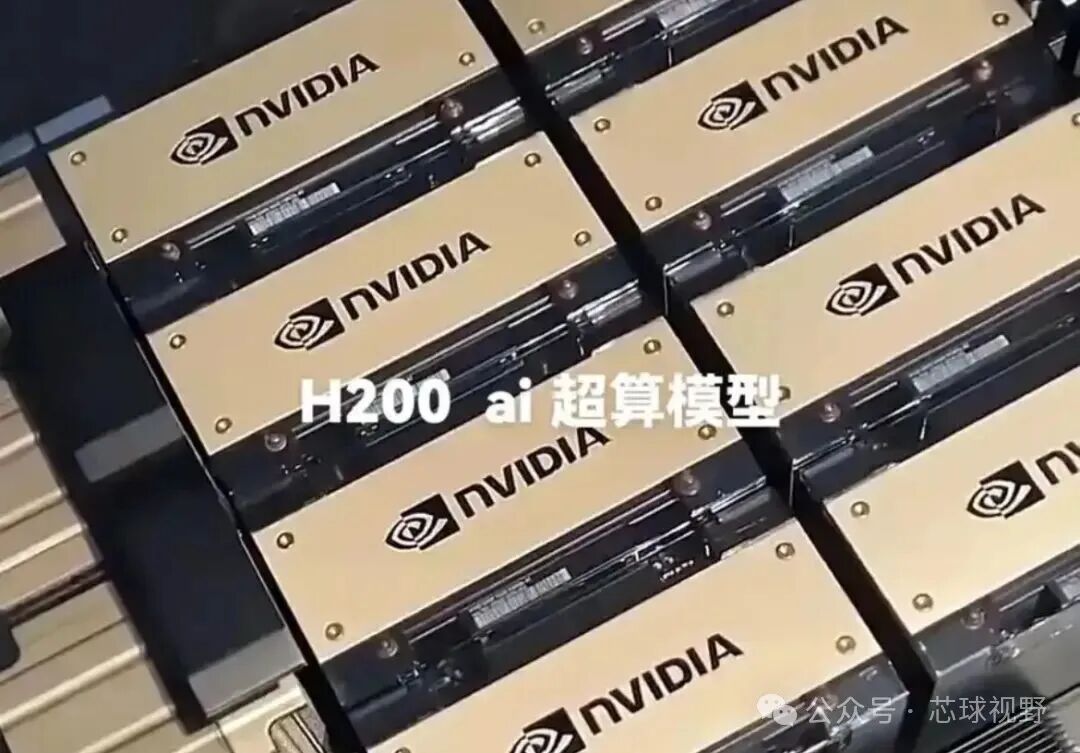
In fact, the debate is quite intense: which chips should be given to China, and how? There are three factions internally; some are firmly opposed, believing that any chip flowing into China is detrimental; others are more moderate, agreeing to some compromise solutions, such as only allowing the H200; and there’s an even bolder faction that wants to open up high-end chips like Blackwell and Hopper.
Why is this trend emerging? One reason is the slight easing of U.S.-China relations, but the hawks in Washington are still closely monitoring AI and military developments. They are more afraid of potential domestic issues than of letting money flow into Chinese companies.
NVIDIA CEO Jensen Huang has not been silent either; for over half a year, he has been anxiously lobbying people around Trump to obtain export licenses. He himself has stated that China can now produce AI chips independently, saying, “We can’t return to the Chinese market, and they don’t care anymore.” His words are laced with anxiety.
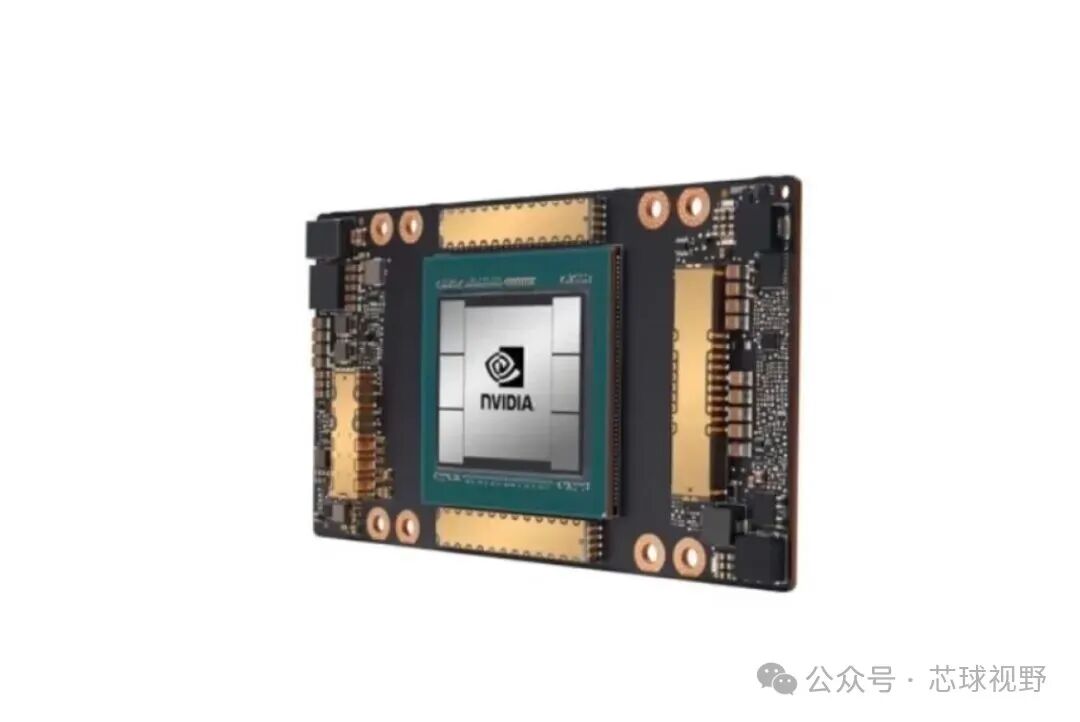
Speaking of Chinese buyers, they are now more inclined to purchase domestic products, especially those referred to as “stripped-down versions” of the H20, which have only half the performance of the H200. No one is truly willing to spend money unnecessarily. All major internet giants are competing for market share; Huawei has already announced its Ascend roadmap, and Alibaba, Tencent, Baidu, and ByteDance are also increasing their investments. In simple terms, China is becoming self-sufficient and can quickly bypass U.S. technology.
NVIDIA faced security vulnerabilities and monopoly investigations last year. In July, the Chinese government spoke with them, demanding a report on backdoor vulnerabilities in their chips; in September, regulatory authorities announced an investigation, citing violations of antitrust laws. From this perspective, even if the U.S. eases some restrictions, NVIDIA will not have an easy time in China.
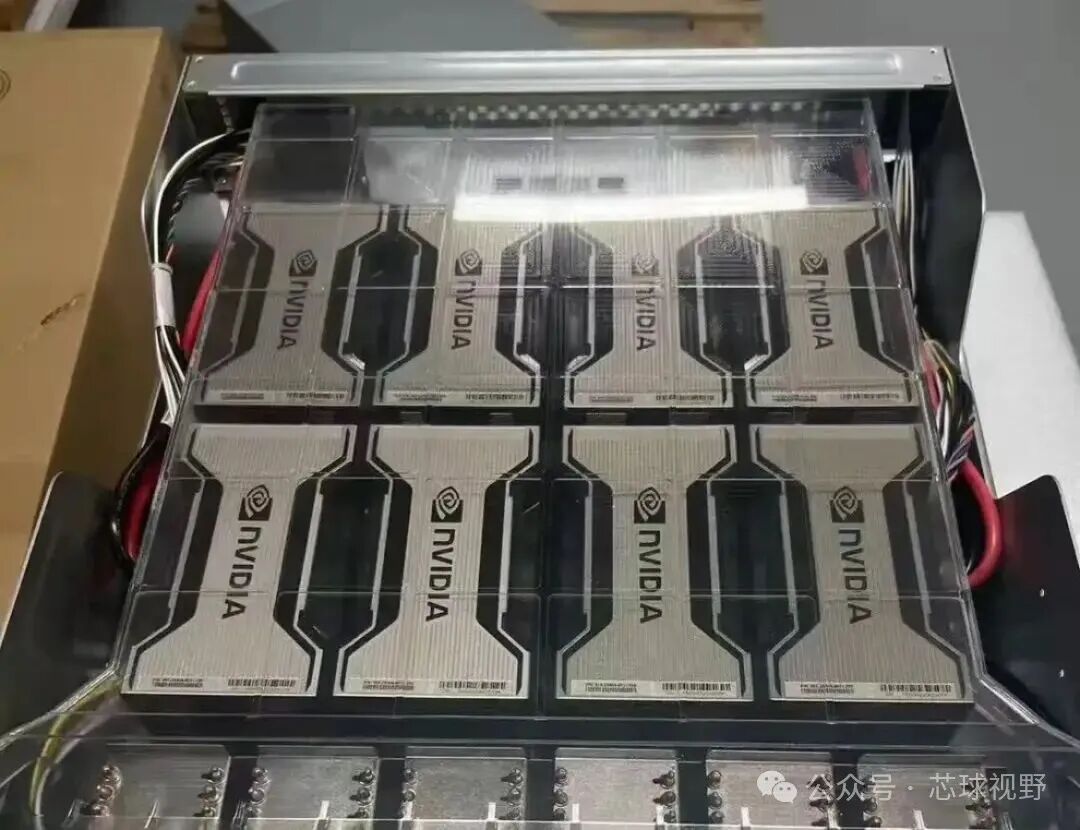
Another small detail is that NVIDIA’s orders from China in the third quarter have not been finalized. During the company’s earnings call, CFO Colette Kress explicitly stated that the main reasons were geopolitical factors and intense competition in the Chinese market, with U.S. controls blocking the most profitable chips, leaving them helpless. NVIDIA’s official statement also expressed frustration, saying that current regulations force them to hand over such a large market to overseas competitors, accelerating their pursuit.
Previously, the U.S. had been adamant about export controls to curb the Chinese chip industry, starting in 2022, banning the sale of several of NVIDIA’s most profitable chips (A100, H100, H200). Even earlier this year, in consideration of cooperation, they initially did not allow the H20 chip to be sold to China, only permitting NVIDIA to agree to pay 15% of sales to the U.S. for the ban to be lifted. Quite harsh, right?
In the end, whether the news will materialize remains uncertain. Whether NVIDIA will enter the Chinese market and whether American-flavored AI chips will truly be opened up is still up in the air. NVIDIA is waiting for news, while local Chinese chips are becoming increasingly competitive. Who will win and who can capture the market will depend on how the next round of this game unfolds.
Writing is not easy; likes are a form of kindness, and appreciation is a form of fate. I take every “view” as a sign of affection~