Abstract:More Important than Chips: China’s Breakthroughs in Three Key Areas, Foreign Media: It’s China’s Turn to ‘Choke’ the West
On the grand stage of global technological competition, in recent years, the United States, in alliance with Japan, the European Union, and other forces, has launched an all-encompassing ‘choke’ action against China’s semiconductor industry. This initiative has been like a sudden storm, posing significant challenges to the development of China’s chip industry. However, China has not retreated in the face of this storm; instead, with unwavering perseverance and forward-looking strategic vision, it has increased investment in the chip sector and accelerated domestic substitution while also focusing on other high-tech fields. Today, significant breakthroughs have been achieved in three critical areas: 3D integrated printing machine tools, aerospace technology, and quantum technology and equipment, marking a powerful turnaround from being ‘choked’ to countering effectively.
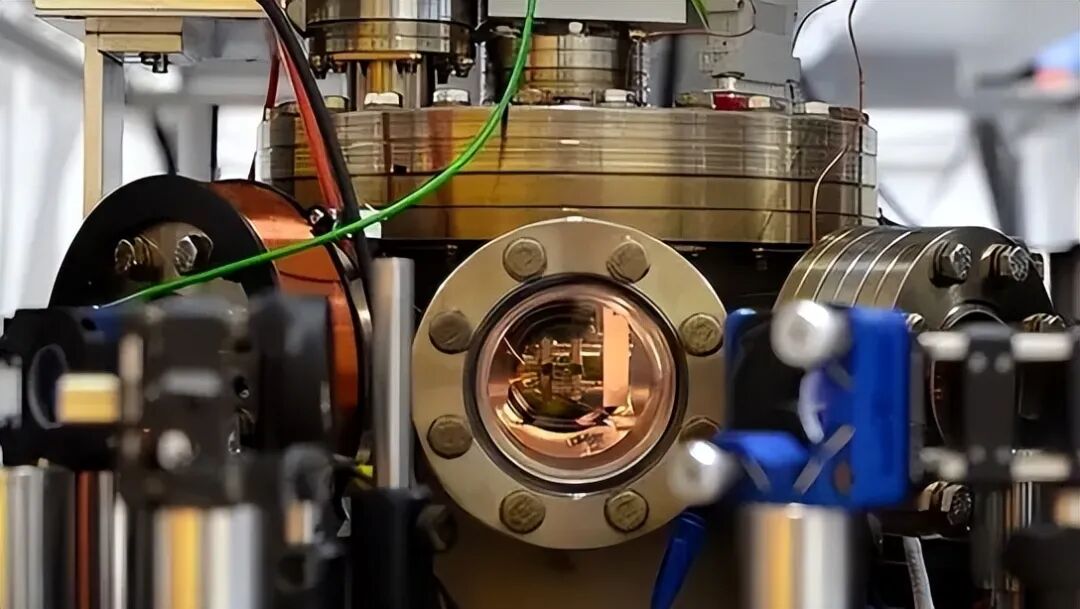
In the field of 3D integrated printing machine tools, China has demonstrated formidable innovative strength. The integration of traditional machine tools with 3D printing technology has birthed this revolutionary technological achievement—the 3D integrated printing machine tool. It enables the integrated operation of casting, forging, and milling, allowing for the efficient production of complex metal parts. The significance of this breakthrough lies not only in the substantial increase in production efficiency but also in breaking the foreign technological monopoly in the high-end machine tool manufacturing sector. In the past, the production of complex metal parts often relied on imported high-end machine tools, which were not only costly but also technically constrained. Now, China’s independently developed 3D integrated printing machine tools, with their unique advantages, provide strong support for the upgrade of domestic manufacturing. Whether in aerospace, automotive manufacturing, or high-end equipment manufacturing, this technology enables more precise and efficient production, thereby enhancing the competitiveness of the entire industrial chain.
Aerospace technology has always been an important symbol of a country’s comprehensive strength. From the successful manned flight of Shenzhou 5 in 2003, which opened a new era for China’s manned spaceflight, to the continuous breakthroughs China has achieved in the aerospace field, it has undoubtedly become a major aerospace power. In satellite launches, China has accurately sent satellites into their designated orbits using its independently developed Long March series of launch vehicles, establishing a global satellite communication, navigation, and remote sensing system. In the field of manned spaceflight, the docking of the Shenzhou series spacecraft with the Tiangong space station has realized the dream of astronauts residing in space for extended periods, accumulating valuable experience for future deep space exploration. Additionally, China has achieved remarkable accomplishments in lunar and Mars exploration, with the Chang’e series of spacecraft successfully achieving soft landings and sample returns from the moon, and the Tianwen-1 probe completing orbiting, landing, and roving tasks on Mars in one go. These achievements not only showcase China’s strong capabilities in aerospace technology but also make significant contributions to humanity’s exploration of the mysteries of the universe.
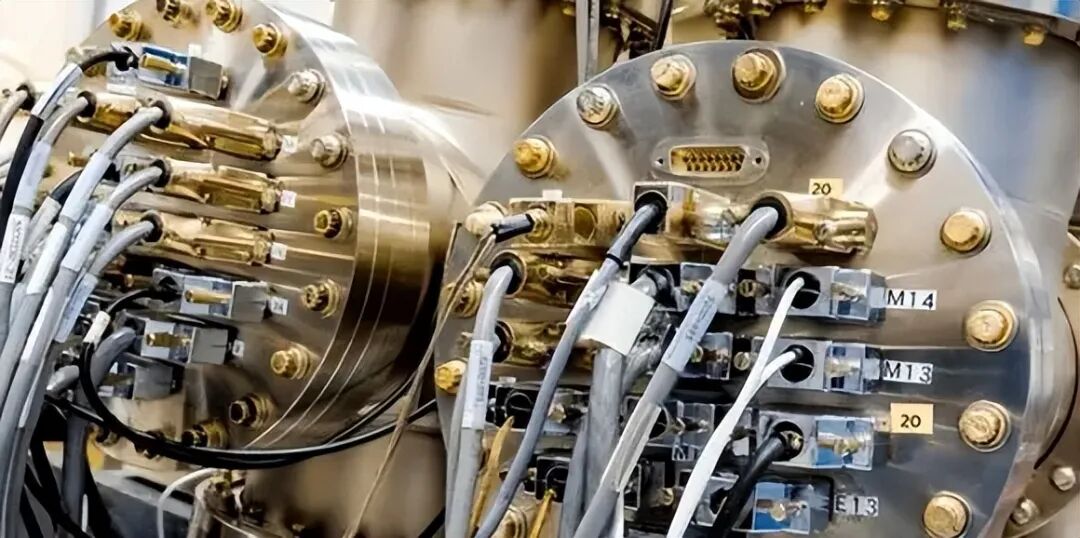
In the field of quantum technology and equipment, China is at the forefront of the world. Based on the principles of quantum mechanics, China has made key breakthroughs in high-speed computing, secure communication, and precision measurement. Quantum computing, with its super strong computing power, provides a new approach for solving complex scientific problems and processing large-scale data. By 2025, the market size of China’s quantum chip industry is expected to reach approximately 596 million yuan, with a year-on-year growth of 39.25%, fully demonstrating the vigorous development trend in this field. Although there are still some fragmentation issues in the upstream environmental systems and measurement and control systems of the quantum computing industry chain, the state has laid out 17 key tasks focusing on quantum computing, communication, and precision measurement, providing clear direction for industrial development. Currently, there are over 800 companies globally engaged in quantum technology, with more than 140 in China, ranking second in the world, only behind the United States. This achievement is attributed to China’s forward-looking layout and continuous investment in the quantum field, which has also secured an advantageous position for China in the global quantum technology competition.
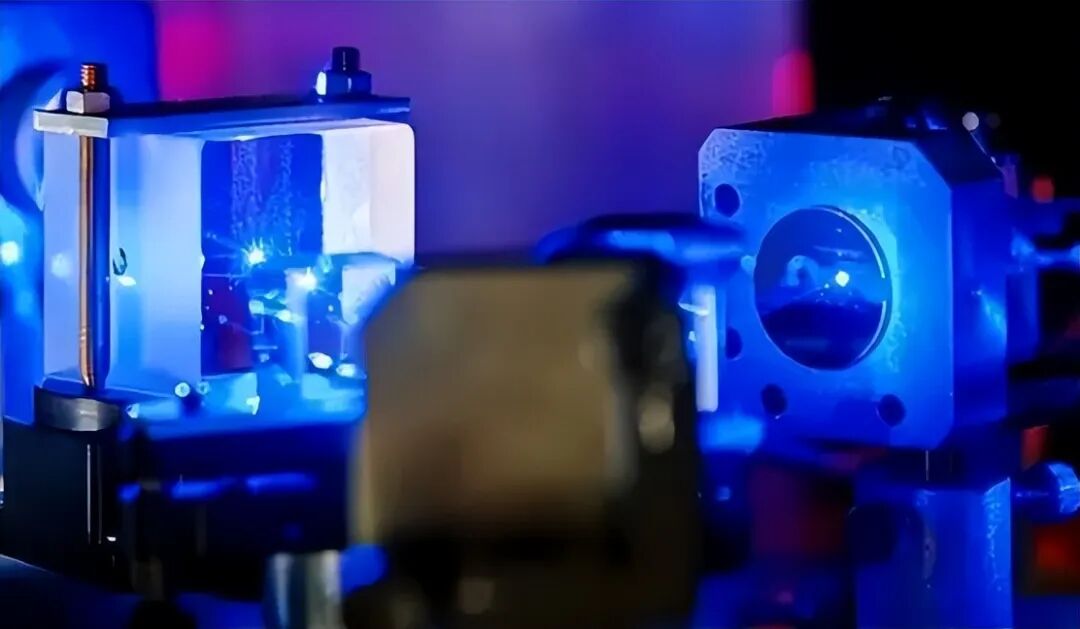
The breakthroughs China has made in these three areas are far more important than chips. They are the foundational support for the upgrade of manufacturing, national security, and future computing development. The 3D integrated printing machine tool provides efficient and precise production tools for the manufacturing industry; aerospace technology safeguards national airspace security and expands human living space; and quantum technology and equipment lead the direction of future technological development, providing strong guarantees for information security and scientific computing. Foreign media have exclaimed that it is now China’s turn to ‘choke’ the West. This is not an attempt by China to emulate Western hegemonic behavior, but rather a necessary choice for China to safeguard its development rights in technological competition and promote fair global technological development. China will adopt a more open stance, sharing the achievements of technological development with countries around the world and jointly advancing the progress of human society.