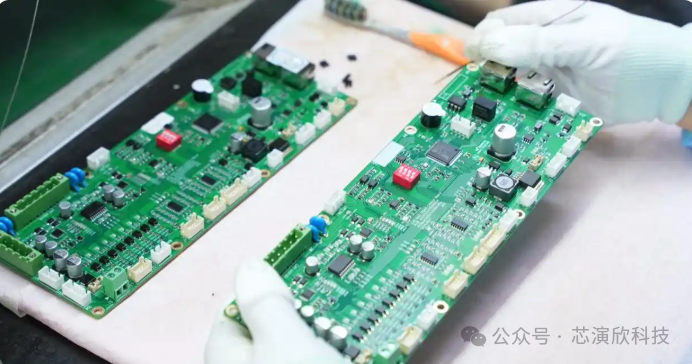
PCBA processing costs directly impact the total cost of products. Understanding the composition of costs and their influencing factors helps companies accurately control budgets and achieve cost reduction and efficiency improvement. Chipone SMT processing factory will deeply analyze the key influencing factors of SMT processing costs to provide reference for procurement decisions.
Basic Composition of PCBA
PCBA processing costs are mainly composed of three core parts. First is the cost of SMD components, which depends on the quantity and unit price of the components. There are a wide variety of SMD components in the market, with price differences reaching hundreds of times, from ordinary resistors and capacitors to high-end BGA chips. Accurately calculating component costs requires comprehensive consideration of procurement channels, brand premiums, and bulk discounts.
Secondly, the mounting cost is calculated based on the number of mounting points and unit price. It is worth noting that mounting points include not only SMD components but may also involve THD through-hole components. The mounting unit price covers comprehensive costs such as equipment depreciation, labor operation, and quality inspection. Finally, the tax portion must be calculated according to current tax policies.
 Five Core Factors Affecting Processing Costs
Component and PCB Costs directly determine material expenditures. The price differences of components of different models and sizes are significant, while the number of layers, type of material, and design complexity of the PCB can also greatly affect costs. For example, high-frequency materials can be 30%-50% more expensive than ordinary FR4, and the cost of a 12-layer board may be more than three times that of a 4-layer board.
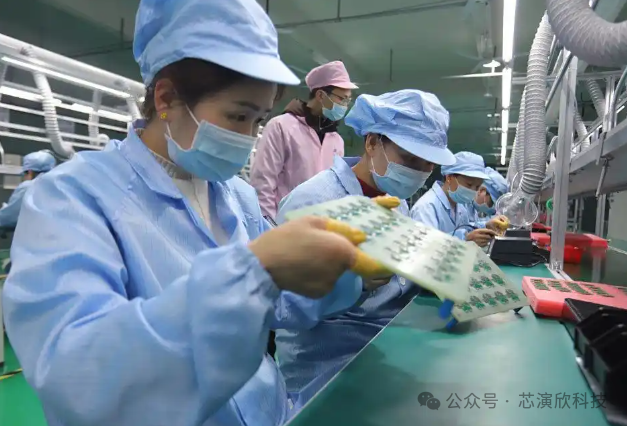
Process Complexity is another key variable. High-density assembly (BGA, QFN, and other precision packages), double-sided mounting, or special soldering processes (such as through-hole reflow soldering) increase technical difficulty. Statistics show that using 01005 ultra-small components can increase processing costs by about 25% compared to conventional 0805 components due to the need for higher precision equipment and stricter process control.
Production Volume significantly affects unit prices. Large batch orders can spread fixed costs, greatly reducing the per-piece processing cost. For example, in one company, the per-piece cost of a 1000-piece order is over 60% lower than that of a 100-piece order, thanks to the dilution of upfront costs such as stencil production and equipment debugging.
Equipment and Labor Costs constitute basic expenditures. The hourly operating cost of high-end pick-and-place machines can reach 300-500 yuan, while labor costs depend on regional differences and skill levels. In East China, the monthly salary of SMT technicians is generally 30%-40% higher than in central and western regions, which directly reflects in the quotes.
Quality Requirements also affect costs. Military-grade products require 100% inspection and stricter process control, and their processing costs may be 50%-80% higher than consumer-grade products. Special requirements such as conformal coating and X-ray inspection as value-added services will also incur additional costs.
 Cost Optimization Strategies for Small Batch Orders
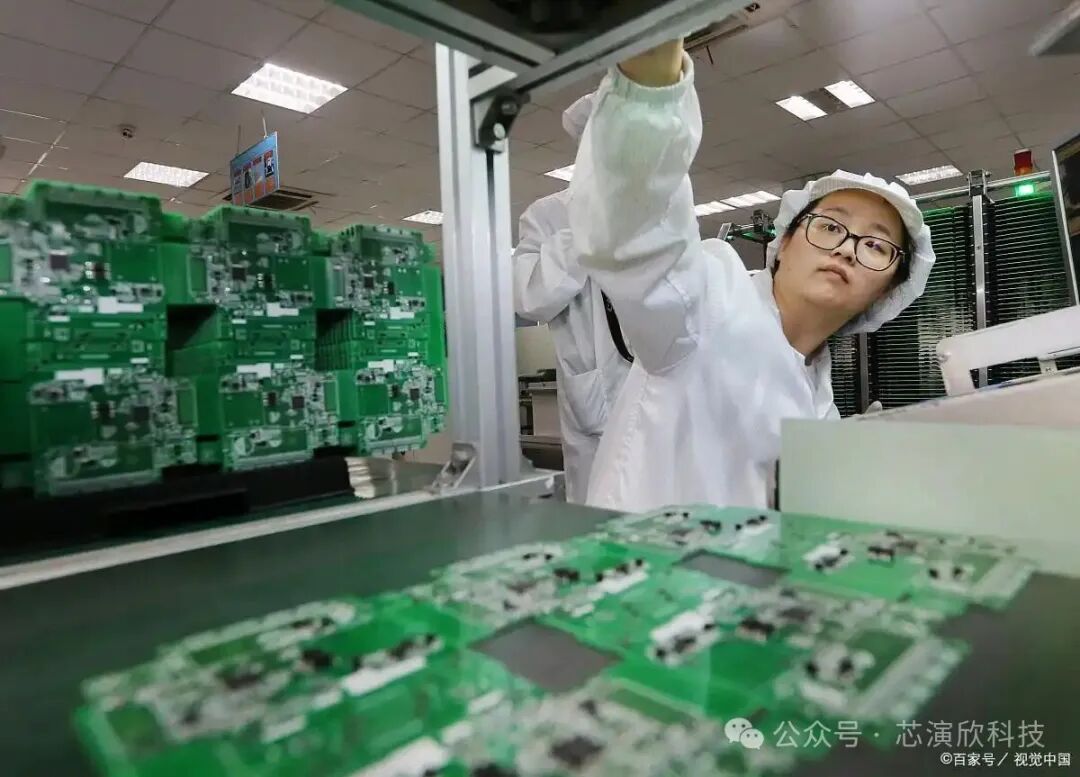
To address the high costs of prototyping and small batch orders, several targeted measures can be taken. It is recommended that customers combine prototyping needs as much as possible, merging multiple single boards into a panel can save 30%-40% on stencil and engineering costs. Using general package components instead of special components can avoid cost increases due to custom materials.
Considering manufacturability (DFM) during the process design phase can effectively reduce subsequent processing difficulties. Establishing long-term cooperative relationships with manufacturers to seek cumulative batch discounts is also a wise move. Some factories offer “package” services, merging multiple customers’ micro-orders for production, which can significantly reduce costs.
By fully understanding the components of PCBA processing costs, companies can more accurately assess the reasonableness of quotes and achieve cost control through design optimization and order strategy adjustments. It is recommended to communicate in-depth with professional PCBA manufacturers to develop the most cost-effective solutions based on specific product characteristics.