
Like it? Please follow us!
According to a recent issue of “Nature Communications”, researchers at Cornell University have developed a “one-step” 3D printing method to create record-breaking superconductors. The printed niobium nitride superconductor, under the influence of a nanoporous structure, has achieved an upper critical magnetic field of 40-50 Tesla, setting the highest record for this compound to date. This breakthrough simplifies the traditionally complex processes and is expected to promote development across various fields, from medical imaging magnets to quantum devices.
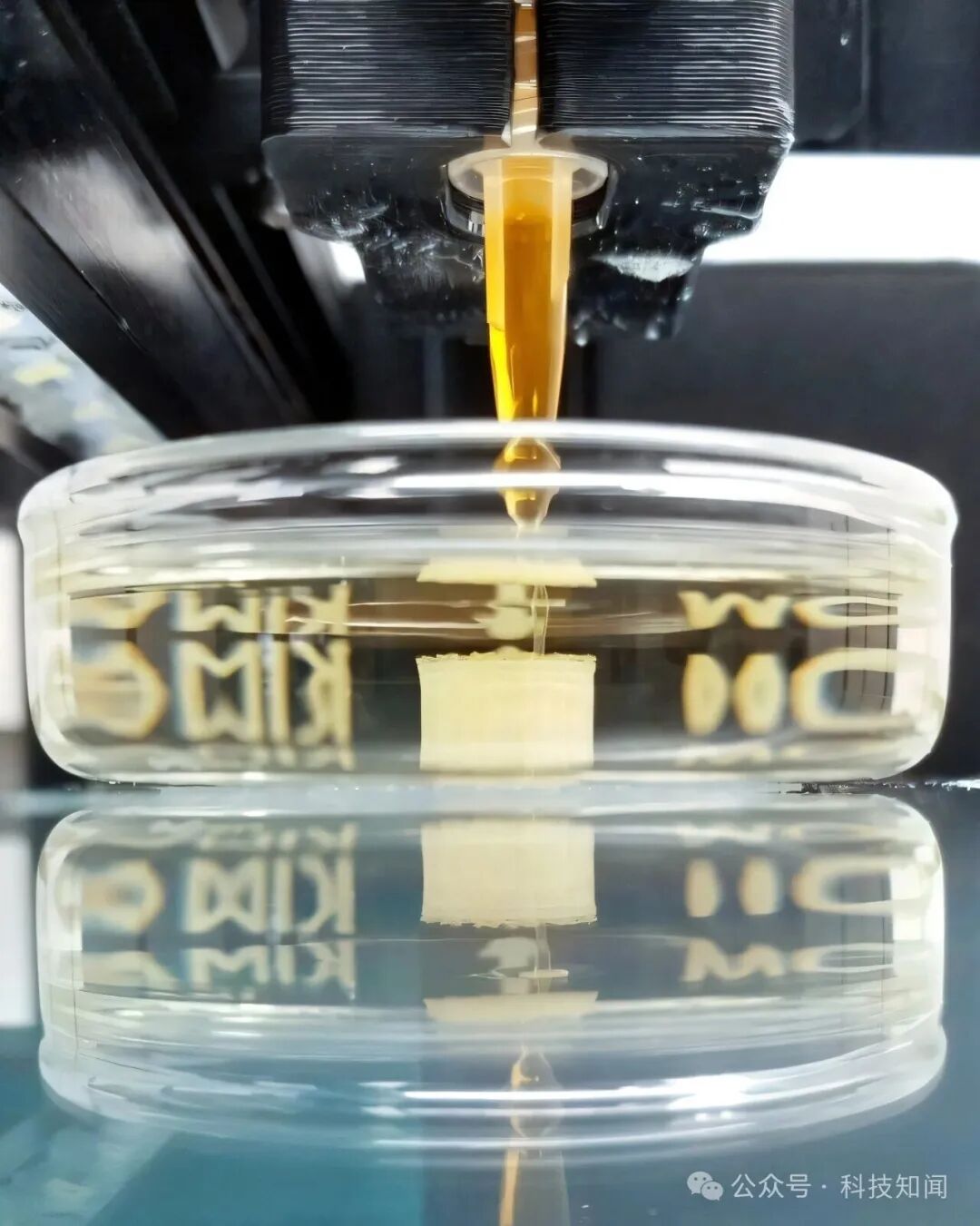
As early as 2016, the team first utilized block copolymers to achieve self-assembled superconductors. These flexible chain-like molecules can spontaneously arrange into ordered, repeating nanoscale structures. By 2021, the team had demonstrated that soft material methods could produce superconductors with performance comparable to traditional methods.
The new method represents a significant advancement. The team used an “ink” composed of block copolymers and inorganic nanoparticles, achieving self-assembly during the 3D printing process, which was then transformed into a porous crystalline superconductor through heat treatment. This “one-step” process eliminates multiple synthesis, powder preparation, binder addition, and multiple heating steps found in traditional methods, greatly improving efficiency.
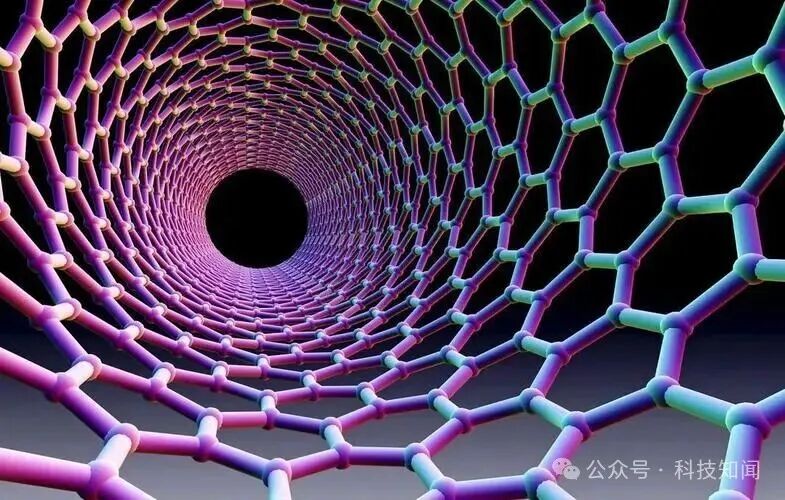
Through this process, the team can directly fabricate superconducting materials with a triple structural hierarchy. At the atomic scale, atoms are arranged in a lattice; at the mesoscopic scale, the self-assembly of block copolymers forms ordered structures; and at the macroscopic scale, 3D printing can create complex shapes such as coils and spirals to meet different application needs.
The most remarkable result of this research comes from the printing experiments of niobium nitride superconductors. Due to the nanoporous nature of the structure, the upper critical magnetic field of this 3D printed superconductor reached 40-50 Tesla, setting the highest “constraint effect induced value” for this type of compound superconductor. This characteristic is crucial for strong superconducting magnets, such as those used in magnetic resonance imaging devices. They also found that the superconducting properties of the material can be directly related to design parameters such as polymer molecular weight, providing a new tool for performance prediction.

The team plans to extend this method to other superconducting materials such as titanium nitride and explore complex 3D geometries that are difficult to achieve with traditional methods. The record-breaking specific surface area brought by the porous architecture also opens new avenues for researching quantum materials and developing the next generation of devices.
To learn more, click the public account below to follow us.