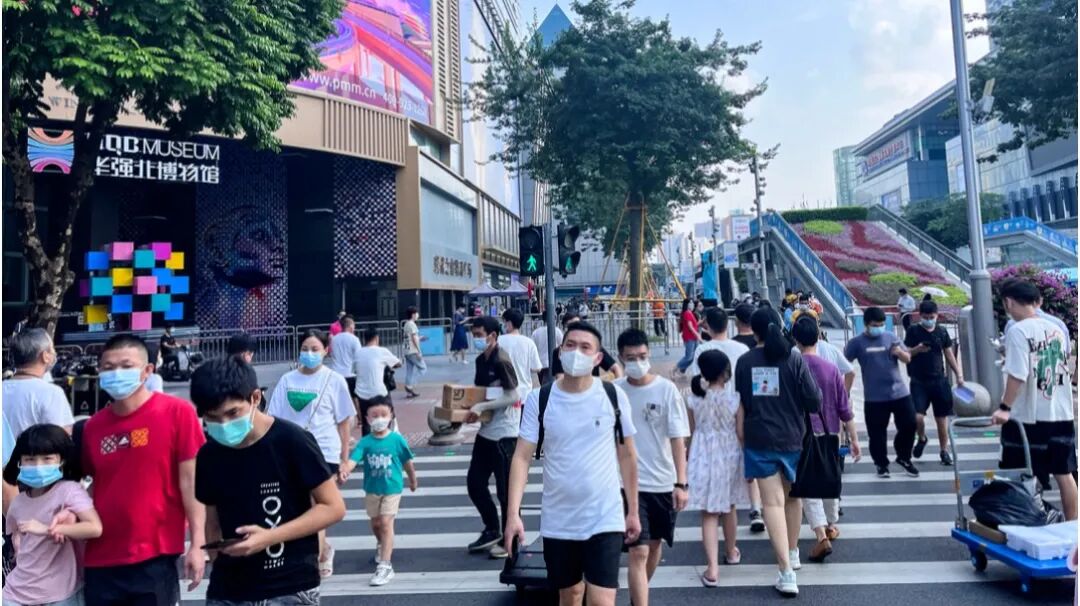
This article is from the WeChat public account:Shenzhen Micro Time (ID: szdays), Author, Images: Huang Xiaoxie, Cover image from: Author’s photography
“The market for imported chips over the past nine months has been like passing the buck, seeing who is the last one to take the fall,” said Li Zheng, who has been in the electronic components business in Huaqiangbei for over 20 years.
Since 2020, the “chip shortage wave” triggered by supply tightness has stirred up a storm in Huaqiangbei. In 2021, as chip prices soared, the chip industry in Huaqiangbei experienced an unprecedented boom, with various myths of fortune unfolding here: post-95 procurement staff made millions after quitting, and post-90 bosses earned tens of millions in just six months…
A large influx of capital and speculators poured into Huaqiangbei from all over the country. Wu Yu, who works in the chip-related industry in Huaqiangbei, heard that a village in South China raised hundreds of billions to sell chips here.
As chip prices gradually fell, speculators watched as their stockpiled chips became liabilities, transitioning from a booming market to one filled with despair in just a few months. Many speculators with limited funds ended up in massive debt after failing to profit from chip speculation.
“A wave of capital swept in, leaving a mess behind, and then they just walked away,” said Li Zheng, describing how the influx of speculators disrupted the normal operation of the market and damaged Huaqiangbei’s credibility among downstream customers.
1. The Gambler’s Bet
Zhang Mingfei came to Huaqiangbei in 2008 and has been an importer of chips for over a decade. The price surge in 2021 was the first he encountered since entering the industry, “a once-in-a-lifetime short-term situation.”
As Asia’s largest electronic component distribution center, the businesspeople in Huaqiangbei primarily act as small agents and distributors. For decades, the profits in this industry have been stable, “three to five points, at most ten points.”
The signs of rising chip prices began in early 2020, starting with a shortage of medical-related chips and spreading to multiple sub-sectors. After trade tensions escalated, imported chips became increasingly scarce in the market, with prices rising significantly.
Some chip models saw prices increase by dozens or even hundreds of times due to market shortages. Wu Yu recalled a chip that normally cost around 10 yuan, which skyrocketed to over 1000 yuan at the peak of the shortage.
The first wave of profit came to those distributors who had stockpiled large quantities of chips before the price increase, “This unexpected market situation created a misconception that this industry was very profitable.”
A large number of gold diggers from various industries across the country began to flock to Huaqiangbei, renting offices, hiring staff, and selling chips.
Wu Yu manages a chip-themed café in Huaqiangbei, established by several veteran businesspeople in the chip industry, primarily serving as a platform for information sharing and experience exchange, frequently hosting various themed chip industry meetings.
During this rollercoaster ride of chip price surges, Wu Yu witnessed the plight of speculators.
No one knows how much capital flowed into the Huaqiangbei chip market this year. Some gold diggers, originally in the restaurant business, found it difficult to operate due to the pandemic and invested their remaining funds into the chip industry.
The most astonishing figure regarding capital came from a village in South China, “the whole village raised hundreds of billions to sell chips in Huaqiangbei; what the situation is now, is hard to say.”
“These people seem like outsiders to us; their speculative mindset combined with a lack of experience makes it easy for them to buy at high prices. After chip prices fell, they suffered the most losses,” Wu Yu said.
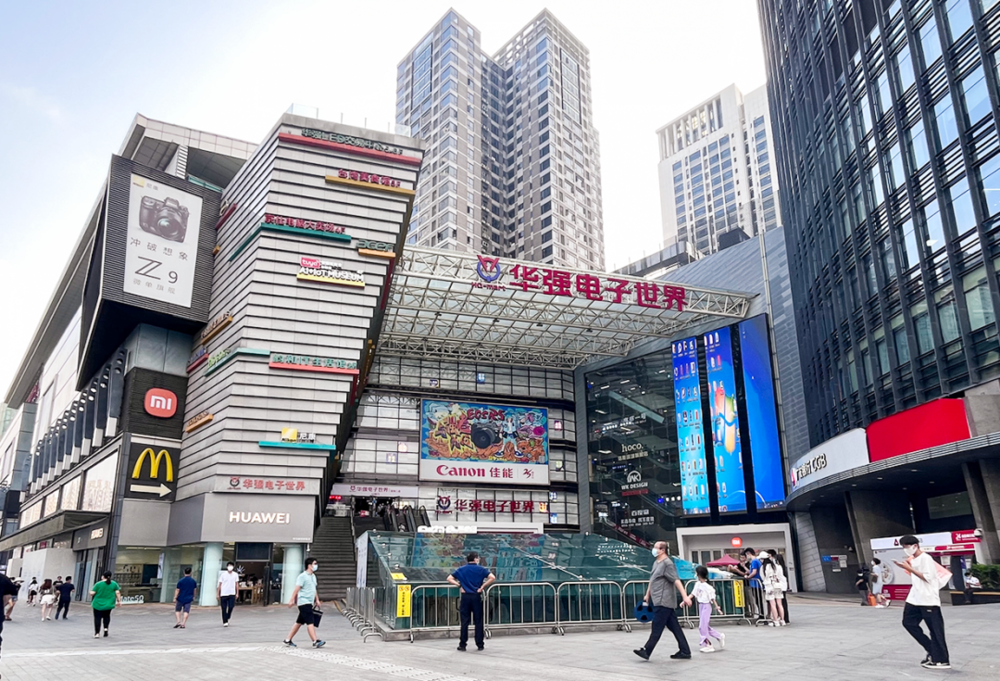
In 2022, as original manufacturers restored production capacity and trade policies relaxed, chip supply gradually entered the market, and prices began to fall. Many speculators lost everything in the process, “They saw chips that sold for 1000 yuan at the peak drop to 300 yuan, and they invested all their money to stock up, only to see the price of that chip plummet to 30 yuan. Once a stockpile becomes a burden, the entire business cannot operate.“
“During a market frenzy, the timeliness and source of information, as well as your market judgment, are crucial; outsiders lack this capability. Very few veterans in the Huaqiangbei chip business participate in such speculation.”
Li Zheng described the market disrupted by speculators as “a mess.” Prices skyrocketed, and end manufacturers faced production halts due to chip shortages, causing significant issues for importers like Zhang Mingfei, “Once customers suffer losses in price or supply cycles, it damages the credibility of us veterans.”
2. Cooking Without Chips
For downstream manufacturers of end products, the chip shortage means “a clever woman cannot cook without rice.”
During this price surge, a number of entrepreneurs and small manufacturers faced severe operational impacts or even bankruptcy due to skyrocketing costs or inability to procure product components.
Wu Yu knows a manufacturer of temperature measurement pens whose product uses a chip that normally costs 0.9 yuan but surged to 8 yuan at the peak; the factory price of this temperature pen is only slightly over 8 yuan, forcing it to halt production.
Some end manufacturers transformed into “speculators.” An electronic product may require dozens or even hundreds of different chips. Some end manufacturers, after halting production due to chip shortages, sold their stockpiled chips in the market for a significant profit.
“In the past two years, I’ve encountered many end factories that registered new trading companies specifically to pivot to selling chips.”
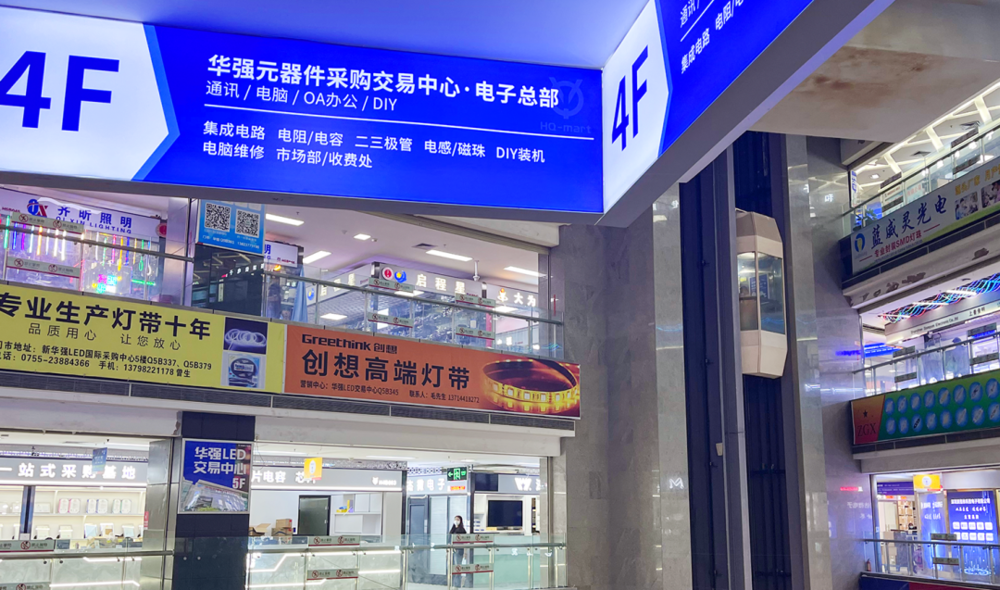
During this price surge, some domestic chips began to emerge. “Domestic substitution for imports developed during this phase,” Wu Yu explained. The technology of domestic chips used in consumer electronics has matured significantly, making it feasible to replace imported products.
China is the world’s largest chip demand country, but from the supply side, the production capacity of chip manufacturers in mainland China is relatively weak. The shortcomings of Chinese chips lie in high-end chip products, advanced processes, semiconductor equipment and materials, and industrial software.
Currently, chips needed for industries such as automotive and military are still in high demand in the Huaqiangbei market, with prices remaining high; these are also areas where domestic technology still needs breakthroughs.
To this day, the impact of chip shortages on the automotive industry remains significant. In September 2022, the automotive industry data forecasting company AFS released data indicating that as of September 25, the global automotive market had reduced production by approximately 3.3768 million vehicles due to chip shortages. In 2021, the global cumulative production reduction reached 8.934 million vehicles.
In the consumer electronics sector, global chip giant Micron Technology revealed in September this year that due to a contraction in the personal consumption market for mobile phones and PCs, related storage chips have entered a downward cycle.
3. The Unchanging Electronics Street
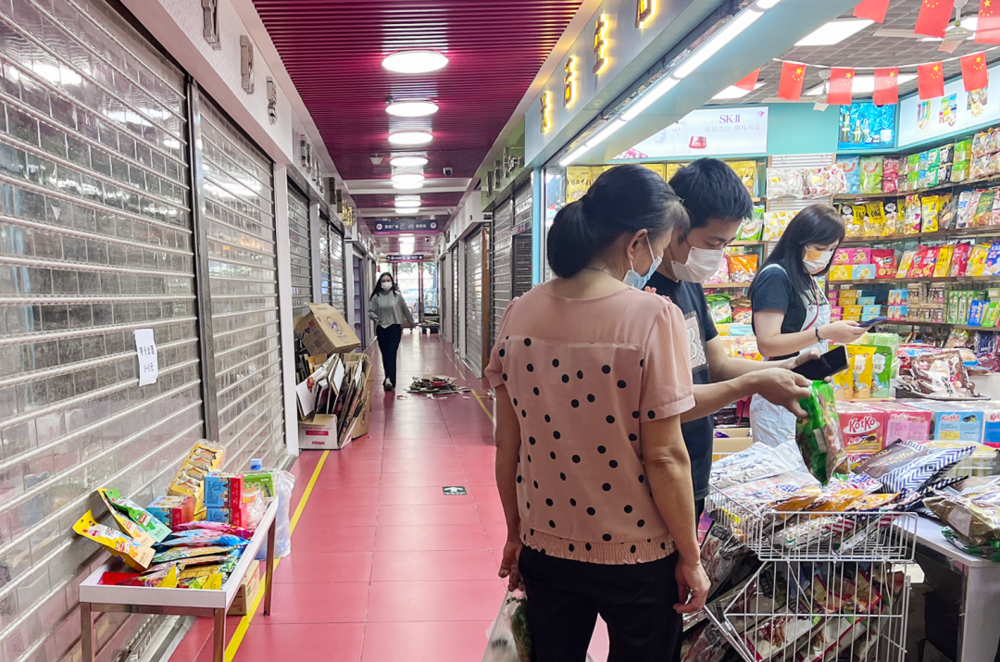
Manha Snack Plaza
Walking through the streets of Huaqiangbei, the once booming beauty and snack markets have now become desolate; in the Mingtong cosmetics market, less than 40% of the first-floor shops are operational, and only a few remain on the second floor. Not far away, the situation at Manha Snack Plaza is similar to that of Mingtong.
Over the past decade, Huaqiangbei has fluctuated in the eyes of outsiders, with businesses like mining machines, beauty products, and snacks taking turns to profit.
Regarding the decline of Huaqiangbei, Wu Yu disagrees. “What is actually declining is the mobile phone market. The electronic components industry in Huaqiangbei has remained very stable over the past few decades; it is still Asia’s largest trade distribution center.”
The change lies in the business model; merchants no longer rely on one-meter counters in the electronic market. “Online trading platforms have matured, and the real transaction volume is reflected in the office buildings of Huaqiangbei.”
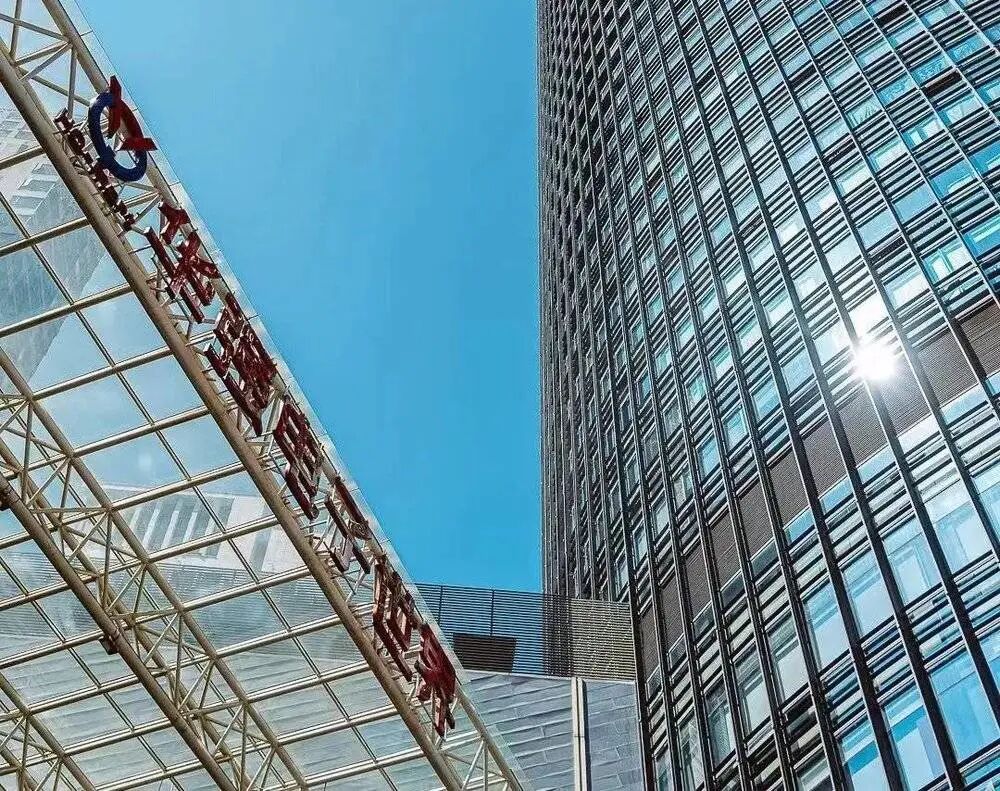
In actual exchanges, Wu Yu has also noticed that in the past year, procurement staff and salespeople flowing out of the beauty and snack businesses in Huaqiangbei have gradually started to enter the chip industry, “The chip distributors who made money last year are also expanding their company sizes, just in time to take in this part of the workforce.”
Due to this price surge, some chip distributors in Huaqiangbei indeed made substantial profits. However, the other side of the price surge is the influx of capital and speculators, which brought many shocks and damages to the market. “Because of this, Huaqiangbei has borne a lot of criticism. But the market is just a barometer; do you think there is something wrong with this barometer? “
Note: The names Li Zheng, Wu Yu, and Zhang Mingfei are pseudonyms. This article is from the WeChat public account:Shenzhen Micro Time (ID: szdays), Author, Images: Huang Xiaoxie
This content represents the author’s independent views and does not reflect the position of Huxiu. Unauthorized reproduction is prohibited; for authorization matters, please contact [email protected]. If you have any objections or complaints regarding this article, please contact [email protected].
End