When it comes to domestic 3D printing brands, Bambu Lab is an unavoidable name. In just a few years, this startup has rapidly swept the global desktop 3D printer market with its high-speed printing, intelligent operation, and disruptive user experience, being dubbed “the player most likely to challenge overseas giants” in China. However, an unavoidable question remains: how far is Bambu Lab from going public?
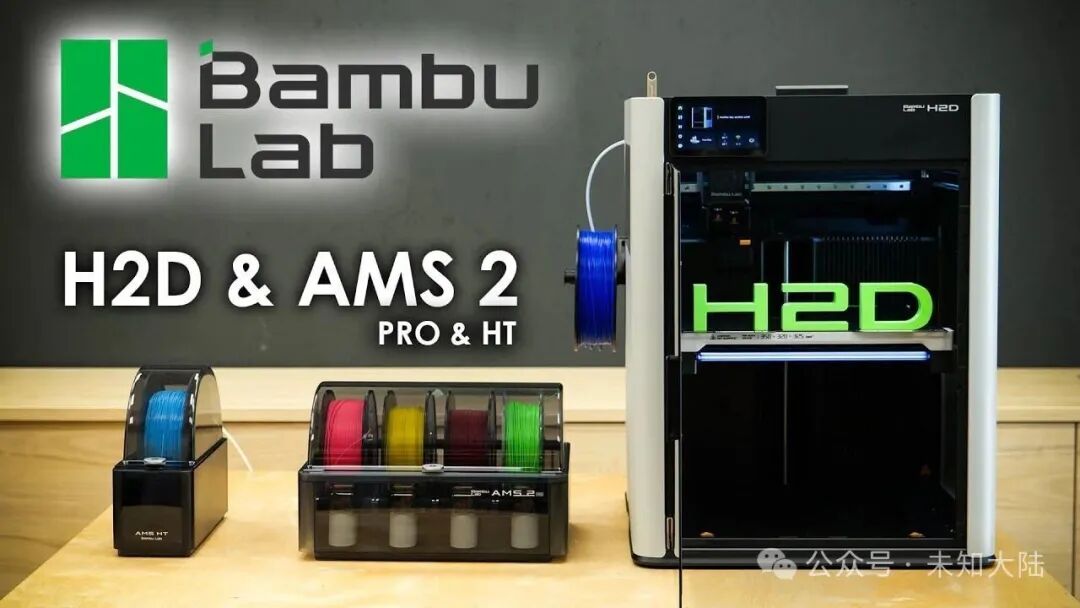
1. Product Strength Establishes the Foundation, but It’s Just the First Step
Bambu’s rise is essentially a technology-driven product breakthrough. Compared to the traditional image of 3D printers as slow and complex “geek toys”, Bambu’s X1 and P1 series allow ordinary people to easily get started, even sparking a “King of Speed” effect in overseas communities. This breakthrough in product strength has led to rapidly growing sales and market reputation, painting an imaginative story for the capital market.
However, going public is not solely reliant on blockbuster products. Capital is more concerned with whether this product advantage can form a long-term barrier. Bambu’s current moat lies in R&D, but in terms of supply chain, channels, and ecosystem, it is still far less stable than consumer electronics giants. Without further industrial chain integration and platform strategies, these advantages may be quickly replicated.
2. The Test of Business Model: Hardware Business or Ecosystem Business?
The old problem in the 3D printing industry still exists with Bambu:Are we selling hardware or selling an ecosystem?
-
If we only sell hardware, even if sales soar, we may fall into the fate of “price wars and cost competition”.
-
If we want to pursue an ecosystem, we must have a comprehensive layout of materials, software, community, and services, even building an “Apple-like” closed loop.
The capital market values not how much a machine sells for, but the repurchase rate and ecosystem stickiness. In this regard, while Bambu has already attempted layouts in consumables, accessories, and software subscriptions, it still has a long way to go to achieve a true business closed loop.
3. Industry Trends: Opportunity or Trap?
3D printing has often been packaged as an opportunity, but ultimately it has always been more noise than substance. The potential of the desktop market is significant, but it still belongs to niche players and is quite far from becoming a household item. In other words, while Bambu’s growth rate is impressive, the industry’s ceiling remains unclear.
Going public means providing the capital market with a long-term, scalable growth curve. If the industry itself lacks a logic for sustained expansion, then even if Bambu is the most outstanding player, it will be difficult to attract investors.
4. The Real Constraints of Regulation and Capital Environment
The Chinese A-share market is not forgiving to emerging hardware companies that are not yet fully mature, while the Hong Kong and US stock markets require companies to have clearer international strategies and financial norms. Currently, although Bambu is very popular overseas, its scale is still insufficient to support the valuation expectations of a “global leader in hard technology”. Capital will pursue innovation, but it values certainty even more.
5. Conclusion: Not Far from Going Public, but Further from Maturity
Bambu Lab indeed has the potential to become one of the few hardware companies in China capable of impacting the international capital market. However, its real challenge lies not in “when to go public”, but in “whether it can sustain its valuation after going public”.
In summary:
-
In terms of products, it has qualified to enter the capital market.
-
In terms of model, it still lacks a compelling story to attract capital.
-
In terms of industry, it needs to prove that it is not just a flash in the pan, but a true long-term value creator.
Therefore, Bambu Lab may only be a round of financing away from going public, but becoming a truly recognized mature enterprise in the capital market may require at least three to five more years of ecosystem refinement and industry validation.