
In today’s rapidly developing manufacturing industry, small and medium-sized enterprises (SMEs) face numerous challenges, including labor shortages, the need for increased production efficiency, and uncertainties in global supply chains. However, with advancements in technology and decreasing costs, robotics technology is becoming a key tool for SMEs to achieve digital transformation and enhance competitiveness.
1
From Hesitation to Breakthrough
The Innovation Path for SMEs?
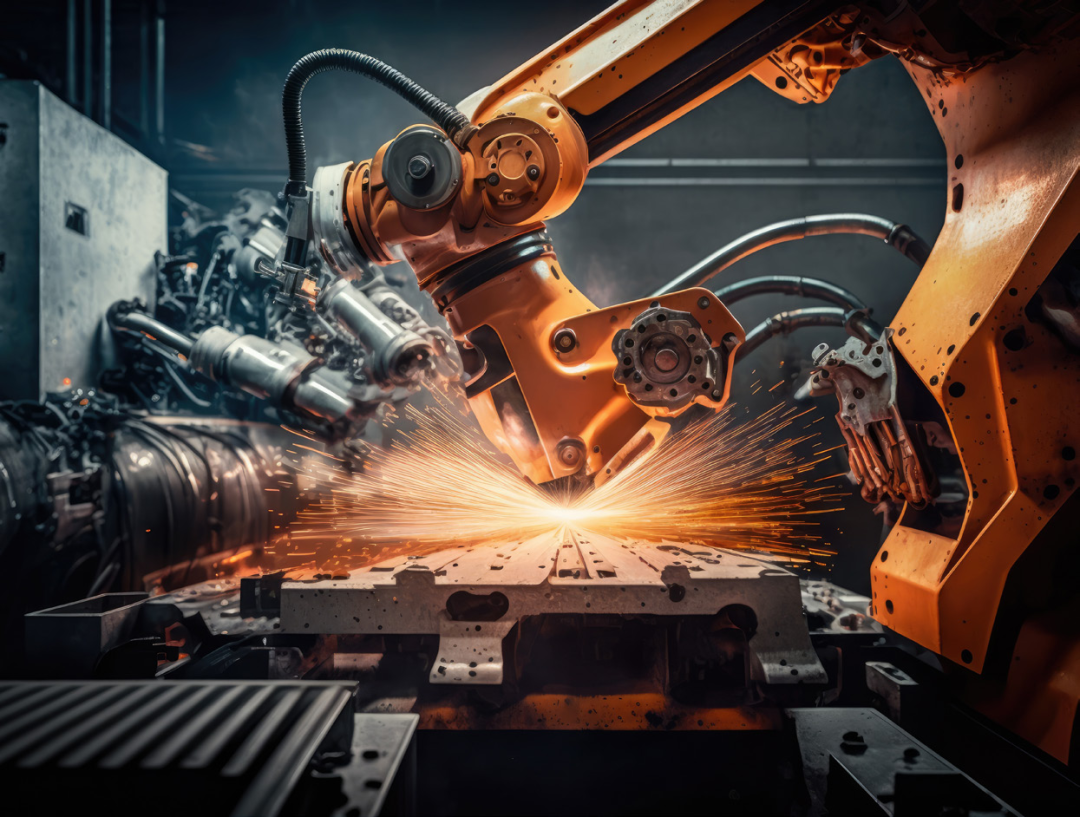
For a long time, robotics technology has primarily been utilized by large enterprises such as Amazon, Ford, and Walmart to achieve higher production efficiency and lower costs. According to a report published by The Manufacturer in 2019, only 16% of small and medium-sized manufacturing enterprises in the UK had adopted robotics technology, while as many as 71% had not considered or were hesitant about adopting robots. Major concerns included insufficient equipment flexibility, high implementation costs, difficulties in product handling, lack of programming and maintenance capabilities, and funding limitations.
However, in recent years, this situation has been changing rapidly. According to a white paper published by ROBO Global, the global robotics market is expected to grow from $65 billion in 2021 to $180 billion by 2027, with a significant portion of this growth coming from the SME sector. As technology advances, robots are becoming increasingly affordable, flexible, and easy to operate, prompting SMEs to accelerate their deployment of robotics.
2
Upgrading Automation Technology
Robots as “Multitaskers”
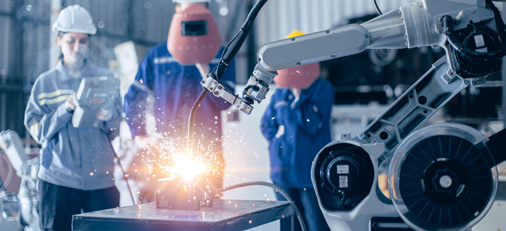
Modern robotic systems and automation solutions are increasingly demonstrating greater adaptability, efficiently handling various product variants. For example, robotic arms equipped with vision recognition systems can automatically identify products of different sizes, shapes, and orientations, accurately locating objects using cameras and sensors to adjust grip strength and operation methods. Collaborative robots (Cobots) can work alongside human employees, featuring easy programming and rapid reconfiguration, making them suitable for production lines requiring small batches of diverse products. Emerging technologies such as modular automation systems, adaptive fixtures, end effectors, and flexible conveyor platforms provide SMEs with greater flexibility and adaptability.
3
Cost Reduction
The Practical Phase of Robotics
In recent years, the barriers to entry for robotics technology have significantly lowered, making it more feasible and practical. Technological advancements, economies of scale, and improvements in integration have collectively driven a substantial decrease in the overall cost of robotics. It is expected that by 2025, the average price of industrial robots will drop to less than $11,000 per unit, nearly a 60% decrease compared to 20 years ago. At the same time, the rise of no-code and low-code programming platforms has made robot programming simpler, allowing SMEs to complete custom development without a professional programming background. Plug-and-play solutions further simplify the deployment process, shortening implementation cycles and helping small manufacturing enterprises achieve automation transformation more quickly.
“Robots as a Service” (RaaS) is gaining attention as a flexible and efficient alternative. This model allows enterprises to call upon robotic functions on demand, avoiding the burden of long-term equipment ownership or infrastructure investment. Through subscription or pay-per-use models, manufacturing enterprises of all sizes can flexibly integrate automation solutions and dynamically scale up or down based on business changes. This model not only reduces the complexity and cost of implementing automation but also helps enterprises more easily access industry knowledge and technical support.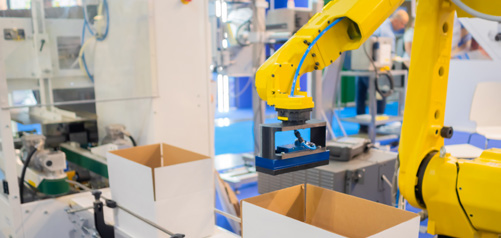
4
Driving Change
The External Forces Behind
To encourage SMEs to actively adopt robotic automation, the U.S. government established the ARM Institute, a joint initiative between the government and the private sector aimed at accelerating the application of robotics technology in manufacturing. The ARM Institute provides funding support, professional technical resources, and assistance with R&D projects to promote technological innovation in the robotics field. Additionally, the U.S. government supports SMEs through the “Manufacturing USA” alliance network, tax incentives, and financial subsidies.
The European Union has also launched similar initiatives, relying on projects such as the “Industry 4.0” strategy, Horizon 2020 program, and “European Digital Innovation Hubs” to provide funding assistance, technical support, and testing platforms for SMEs. These policy measures aim to stimulate innovation, improve production efficiency, and create more business opportunities for SMEs undergoing automation transformation.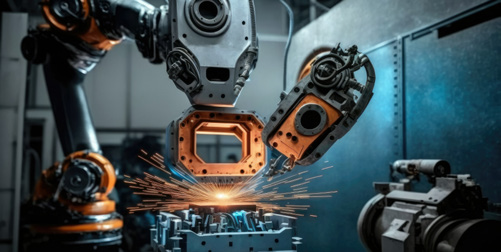
Today, robotics technology has become a core tool for SMEs to embark on digital transformation and enhance market competitiveness. By effectively utilizing robotic means, manufacturing enterprises can improve operational efficiency while steadily advancing their digital processes, ensuring a favorable position in future competition. As technology continues to develop and costs further decrease, the widespread application of robotics technology will become an indispensable choice for SMEs, solidifying their competitive advantage in the market.
Click below to obtain the complete white paper materials