
The global plastics industry is undergoing an unprecedented technological transformation. Recent breakthroughs have established a comprehensive technological system from “waste-chemicals-high-value products,” providing a feasible path to address the plastic waste crisis.
Waste Plastics into Pharmaceuticals, Gene Gold Mining

The research team from the University of Edinburgh and AstraZeneca has successfully genetically modified E. coli to convert the plastic bottle material polyethylene terephthalate (PET) into paracetamol (acetaminophen). This technology utilizes the “Lawsone rearrangement” reaction, under phosphate catalysis, to decompose PET into hydroxyl esters, which are then bioconverted in two steps into a drug precursor, ultimately synthesizing paracetamol with a yield of 92%.

Compared to traditional processes, this method completes fermentation at room temperature with nearly zero carbon emissions, completely eliminating dependence on fossil fuels such as crude oil. Researchers point out that this not only provides a new approach for upgrading plastic waste but also demonstrates that engineering biology can construct “living microbial factories” to convert PET into high-value products in fields such as medicine and chemicals. This achievement has been published in Nature Chemistry and is being commercialized in collaboration with AstraZeneca, supported by the UK Research and Innovation agency.
Breakthroughs in Chemical Recycling Technology
Diverse Pathways of Pyrolysis and Catalytic Reconstruction
1. Novoloop
Thermal Oxidative Decomposition of Polyethylene to Chemicals
California-based Novoloop has developed an accelerated thermal oxidative decomposition technology that can directly convert polyethylene into polyols (used in coatings and foam materials), differing from traditional pyrolysis that produces asphalt-like raw materials. Its pilot plant in Surat, India, has commenced production, and a Series B funding of $21 million will be used to build a commercial plant, aiming to break the technological bottleneck in polyolefin recycling.
2. PureCycle
Supercritical Butane Solvent Technology for Purifying Polypropylene
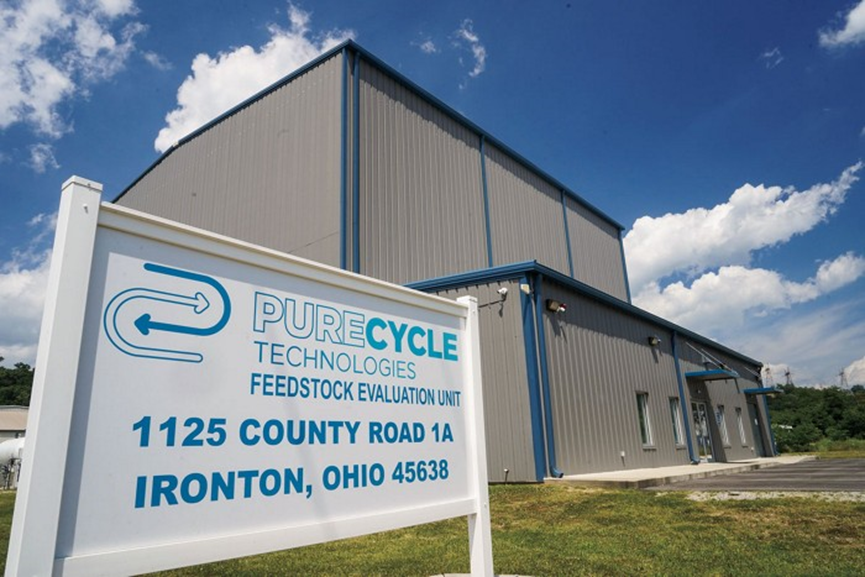
Polypropylene recycling company PureCycle employs Procter & Gamble’s licensed supercritical butane solvent technology to purify post-consumer polypropylene to virgin material levels. Its Ohio plant has achieved a 90% operating rate, with plans to build three new plants in Thailand, Belgium, and the USA between 2027-2029, with a total production capacity of 450,000 tons/year and an expected pre-tax profit of $600 million. The Thai plant leverages local refinery infrastructure, reducing costs by 50% compared to the US, highlighting the advantages of scale and regional synergy.
3. INEOS
Production of Recycled Polymers from Pyrolysis Oil
INEOS Europe has initiated the use of pyrolysis oil feedstock at its Lavera plant in France, transforming post-consumer plastic packaging into recycled ethylene and propylene, producing polyethylene and polypropylene that meet EU food contact standards. Its products are ISCC PLUS certified, utilizing a “mass balance approach” to track renewable raw materials, responding to the EU’s 2030 packaging recycling targets.
Industry Trends:
Technological Iteration Driven by Circular Economy
Currently, the plastic recycling field presents a tripartite structure of “bioconversion + chemical recycling + micro-pollution control”: engineering biology focuses on the synthesis of high-value products, chemical recycling targets the recycling of bulk plastics, and microplastic technology fills the gap in ultra-fine particle management. Bain & Company indicates that the scaling of chemical recycling is inevitable, and companies need to seize key positions in the value chain. Meanwhile, the EU’s Packaging and Packaging Waste Regulation (PPWR) and various national policies are pushing technologies from the laboratory to industrialization—from E. coli “eating” plastics to washing machines “capturing” microfibers, the green revolution in plastic technology is reshaping the entire lifecycle logic of “production-consumption-recycling”.
Editorial Perspective
The plastic circular economy is experiencing three breakthroughs:
① Biotechnology crossover—engineered bacteria achieve the upgrade conversion of waste plastics to pharmaceuticals;
② Chemical process innovation—pyrolysis/solvent methods enhance the purity of recycled materials;
③ Policy-driven implementation—EU regulations accelerate the commercialization of recycled plastics.
The future challenge lies in reducing operational costs and building recycling networks, but the technological explosion period has arrived.
Art by Yang Yuwen
Click below
Follow us