In 2025, major manufacturers have successively developed their own chips, each with its own characteristics. I have ranked them according to their performance as follows:
1st Place: Apple A18 Processor
2nd Place: Snapdragon 8 Gen 2
3rd Place: Dimensity 9400+
4th Place: Xiaomi Xuanjie O1
5th Place: Samsung Exynos 2400
6th Place: Kirin 9020
Below are their detailed specifications:

Xiaomi Xuanjie O1
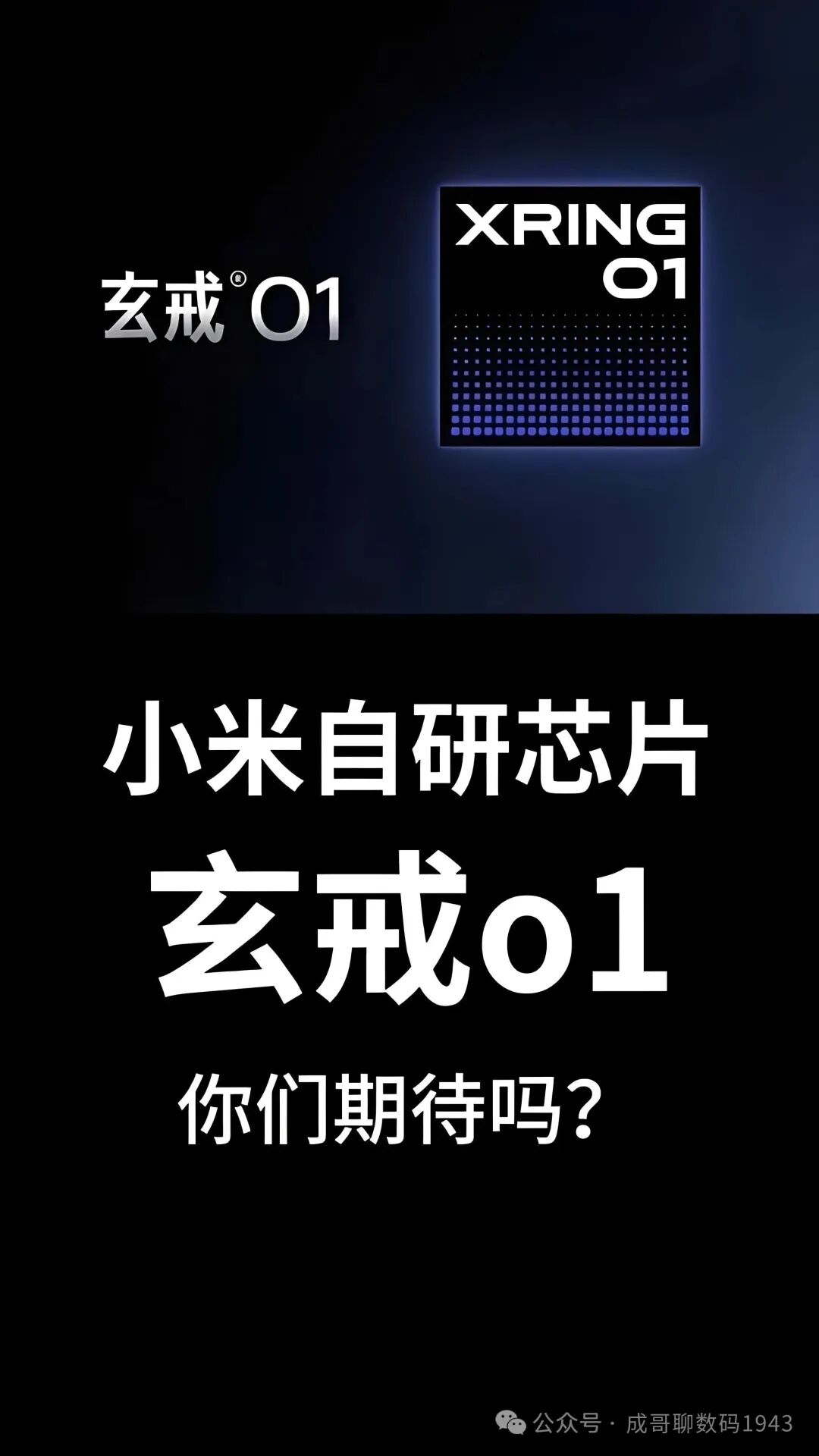
3nm Process Performance Explosion – Utilizing TSMC’s second-generation 3nm (N3E) process, integrating 19 billion transistors, with a maximum frequency of 3.9GHz for the Cortex-X925 super core leading the Android camp. Geekbench 6 single-core score exceeds 3000, multi-core approaches 10,000, nearing the Apple A18 Pro. Self-developed GPU Efficiency Innovation – Equipped with a 16-core Immortalis-G925 GPU, dynamic scheduling technology reduces power consumption by 35% compared to the Apple A18 Pro, with gaming frame rates and thermal control performance surpassing Snapdragon 8 Gen 3. Modular Custom Design – The CPU adopts a “10-core 4-cluster” architecture (2 super cores + 4 large cores + 4 efficiency cores), breaking the traditional 8-core framework; the chip layout features a unique “honeycomb” structure, optimizing heat dissipation and signal integrity by 23%.
Apple A18 Pro
Single-Core Performance Benchmark – Continuing the dual-cluster CPU design, single-core performance remains the industry benchmark, with GPU graphics rendering capabilities leading, especially optimized for iOS system. 3nm Efficiency Advantage – TSMC’s N3E process reduces power consumption at the same frequency, with significant improvements in NPU computing power, providing hardware support for edge AI tasks (such as real-time video processing).
Ecological Synergy Barrier – The chip seamlessly integrates with the iOS/macOS ecosystem, providing a smooth experience with features like cross-device task continuity and energy efficiency management.
Qualcomm Snapdragon 8 Gen 2
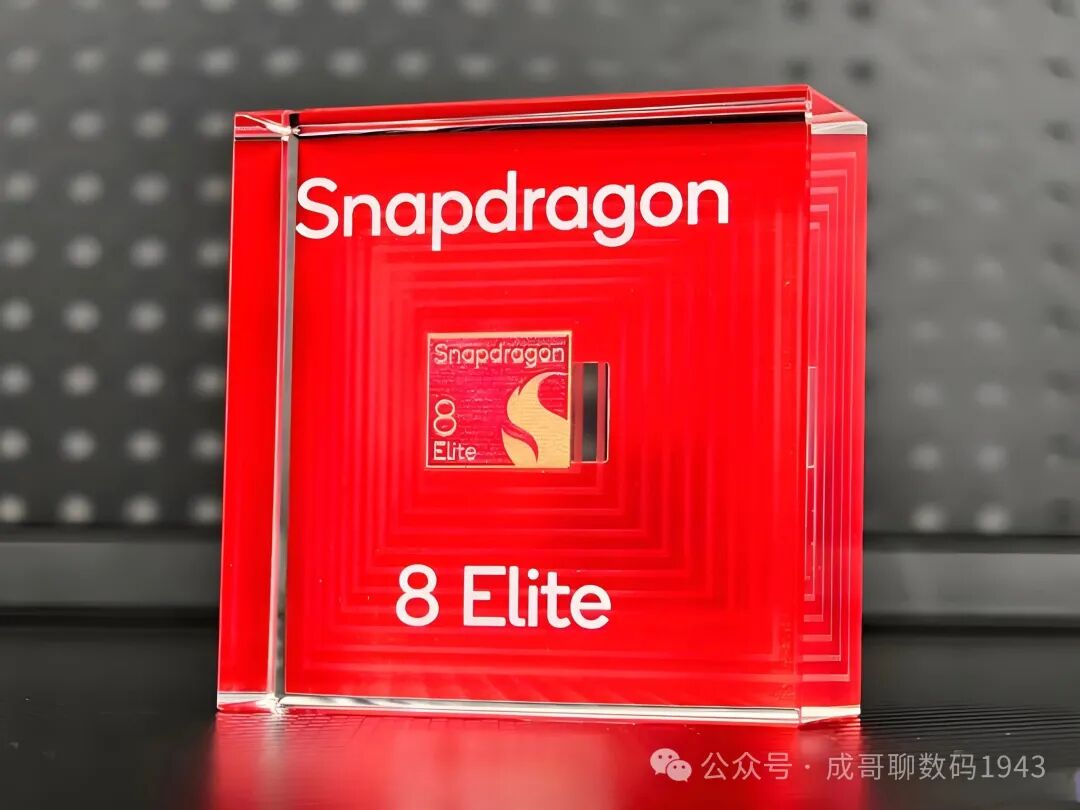
GPU Graphics Performance Dominance – The Adreno GPU has long been ahead of ARM’s public version, supporting 8K video and high frame rate game rendering, with stability superior to competitors. All-Scene Imaging Adaptation

ISP algorithms are compatible with imaging systems from brands like Leica and Zeiss, supporting 200-megapixel sensors and 8K recording, with significant advantages in professional photography. Global Ecosystem Support – Mature baseband and RF solutions provide the best global network compatibility, with over 80% coverage of flagship Android models.
MediaTek Dimensity 9400
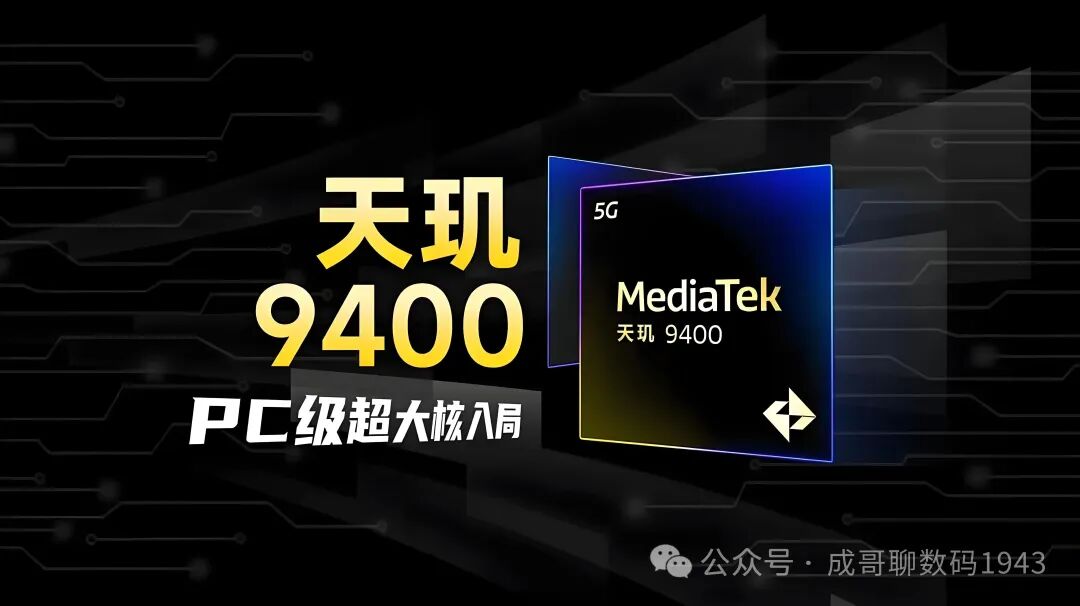
Full Big Core Efficiency Innovation – Adopts a “1+3+4” full big core CPU architecture (no small core design), with a 20% increase in multi-core performance and a 15% reduction in power consumption at the same frequency. 3nm Process Cost-Effectiveness – TSMC’s 3nm process is applied to mid-range models, with performance close to Snapdragon flagships but terminal prices about 20% lower. AI Noise Reduction and Multi-Frame Synthesis – AI algorithms optimize night scene and dynamic shooting, especially well-tuned in OPPO/vivo models.
Huawei Kirin 9020
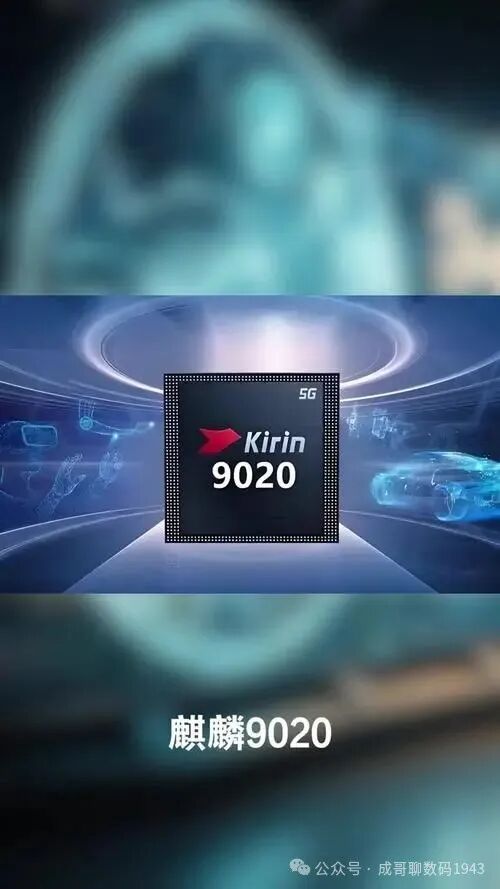
Self-developed Taishan Architecture Breakthrough – Based on SMIC’s 5nm+ process, the Taishan CPU core efficiency is improved, with NPU and baseband collaboration optimizing weak network signal stability.

HarmonyOS Ecological Integration – Chip-level adaptation to HarmonyOS enables multi-device interconnectivity (such as phone-tablet-watch) and distributed computing. AI Imaging Algorithm Advantages – ISP integrates the XD Fusion engine, improving the signal-to-noise ratio in low-light photography by 20 times, compatible with the XMAGE imaging system.
Samsung Exynos 2400
AMD GPU Graphics Breakthrough – Equipped with the Xclipse 940 GPU (AMD RDNA3 architecture), theoretical ray tracing performance is improved by 60% compared to the previous generation.
Multi-Cluster Scheduling Optimization – The “1+2+3+4” four-cluster CPU design flexibly allocates loads, significantly improving energy efficiency for mid-frequency tasks. Utilizing Samsung’s 4LPP+ process, although yield is limited, it promotes the iteration of Korean supply chain technology.
Performance Vanguard: Xuanjie O1 (high-frequency 10-core), A18 Pro (single-core/GPU) Efficiency Leader: Dimensity 9400 (full big core), Xuanjie O1 (3nm custom) Scene Expert: Snapdragon (imaging/gaming), Kirin (HarmonyOS ecosystem), Exynos (ray tracing) Cost-Performance King: Dimensity 9400. The current competition among high-end chips has shifted from pure performance to a comprehensive experience of “efficiency × scene × ecosystem”. The domestic camp is rapidly narrowing the gap with Apple and Qualcomm in terms of process and architecture.
Like 👍 + Follow