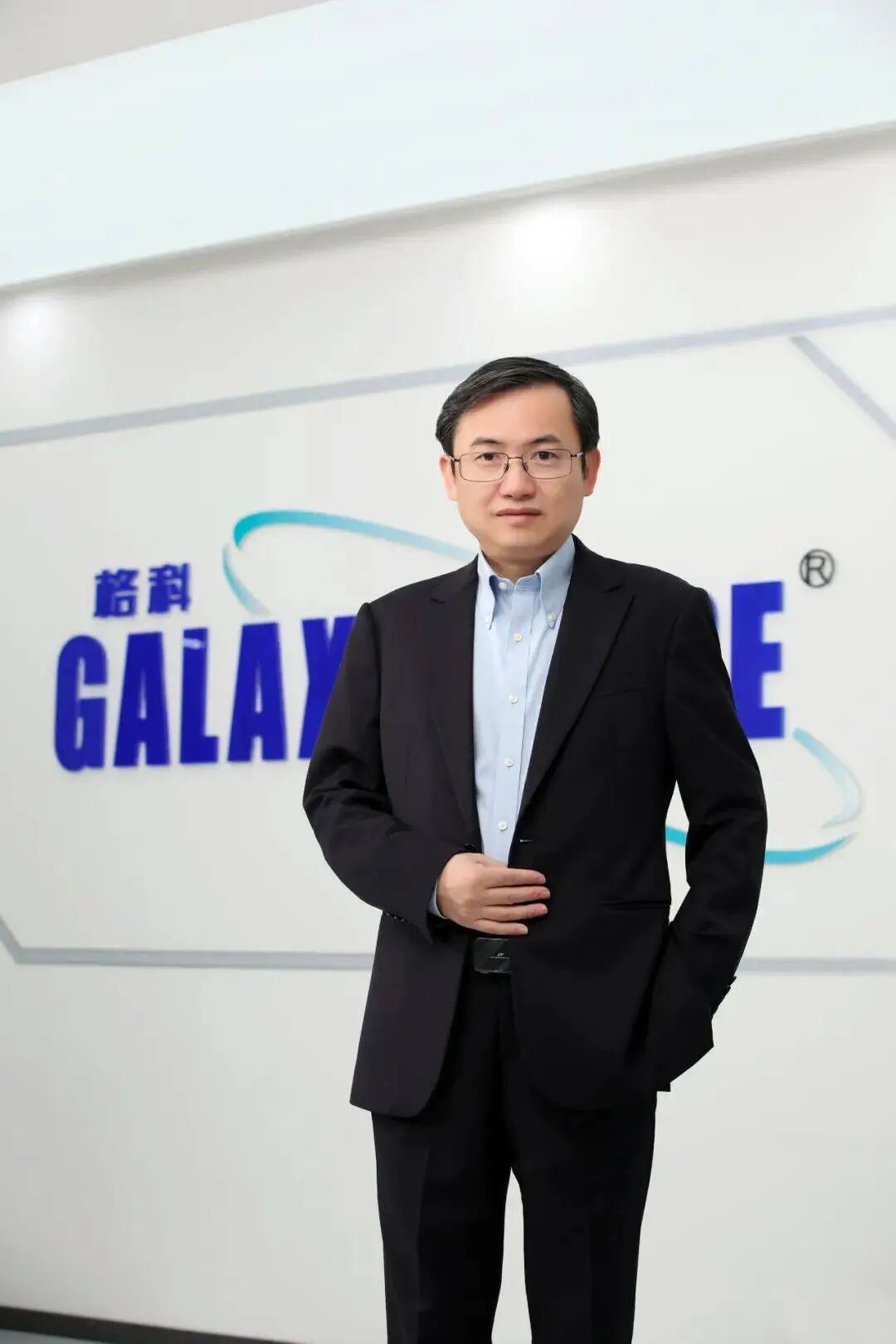
Let the world see China’s innovation.

Top two in the world
Today, everyone relies on their smartphones for photography, which means they rely on CMOS image sensors.
The CMOS image sensor (CIS chip) is to smartphone cameras what the “retina” is to the human eye; its technology and quality directly affect the quality of the photos taken.
For a long time, the Chinese, who produced about half of the world’s smartphones, could not manufacture their own CIS chips, struggling with low-end products and even more so with mid-to-high-end ones.
However, this situation has changed. Chinese companies now dominate the mid-to-low-end CIS chip market and are rapidly advancing into the high-end market.
In March of this year, Transsion, the king of African smartphones, launched the new Infinix Note 50, which features a 50-megapixel image sensor from GalaxyCore; in September, the vivo Y500 was released, also equipped with GalaxyCore’s new generation 50-megapixel image sensor…
While 50 megapixels still have a considerable distance to go, GalaxyCore has fought for over 20 years to achieve this, proving the speed and strength of China’s technological advancement.
Back in 2003, Zhao Lixin, who hails from Yiyang, Hunan, founded GalaxyCore, aiming to make a mark in the CMOS image sensor field.
Zhao, born in the 1960s, grew up in poverty, assembling bicycles with his father at street stalls, a memorable part of his childhood: “30 yuan per bike, and now my skills are quite good.”
Despite working part-time, Zhao excelled academically, often ranking second or third, but his father always said, “If you’re full, how can you not be first?”
His father, who was orphaned but skilled, managed to excel academically even when hungry. At 18, he learned to make electric motors just by observing factories, ensuring his family never went hungry. He taught Zhao two invaluable lessons:
the ability to think and act, and the mindset that one must strive for first place after a meal.
In 1985, Zhao won the National Youth Innovation and Invention Award, which allowed him to be admitted to Tsinghua University, where he could choose any major. He chose the Department of Radio Engineering, which produced many founders and executives of semiconductor companies, including the founder of Weir Co., Ltd.
Before heading to Beijing, his father told him, “I still have a skill I haven’t taught you.” Thus, Zhao had another memorable summer: the two of them handcrafted a set of molds.
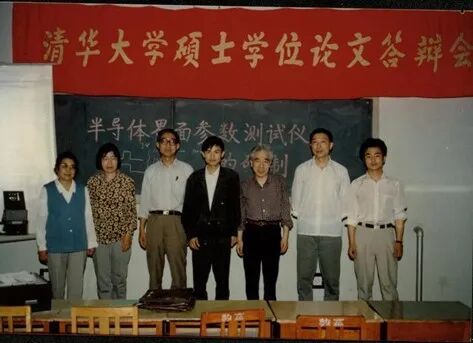
After graduating with a master’s degree from Tsinghua University’s Microelectronics Research Institute, Zhao worked in research and development at Chartered Semiconductor in Singapore, ESS in Silicon Valley, and UTStarcom in the U.S. He carried forward his father’s “skill” spirit, working on etching processes and CMOS image sensor development, software, circuit design, and testing, all of which became his new “skills”.
While inheriting his father’s “skill” spirit, Zhao’s personality in business development was completely different. His father had run many small factories but struggled with business; “He only did low-risk things, which ultimately led to zero risk and zero return.”
To avoid repeating his father’s “zero return,” Zhao pushed himself to take risks, believing that “10 times the risk means 100 times the return.” Thus, he worked low-risk jobs while seeking high-risk, high-reward opportunities.
In 2000, the opportunity arose.
That year, Sharp released the world’s first camera phone, which, despite having only 110,000 pixels, opened a new era of smartphone photography. Zhao immediately saw the enormous potential in the CMOS image sensor field, and with over ten technology patents in this area, he decided to return to China to start a business.
Two high school classmates also came to join him, one investing $1 million. In 2003, 37-year-old Zhao, along with his Tsinghua senior Li Wenqiang and classmate Wei Jun, founded GalaxyCore.
The $2 million from old classmates, $3.4 million from venture capital, and a few hundred thousand dollars of his own made a total of $6 million in initial investment, which was considerable for a pure startup but a drop in the bucket for the chip design industry.
How to leverage this little money to “move the earth”? Zhao’s approach was to continue seeking partnerships, integrating resources, and accelerating progress.
He learned that SMIC was also interested in image sensors, so he approached them with a proposal: GalaxyCore would handle design while SMIC would fund the establishment of a production line, collaborating to break through together.
SMIC, also in its startup phase, agreed.
Thus, Zhao set up the company in SMIC’s temporary office when it was building its factory: a simple shed in the Zhangjiang Hi-Tech Park in Shanghai.
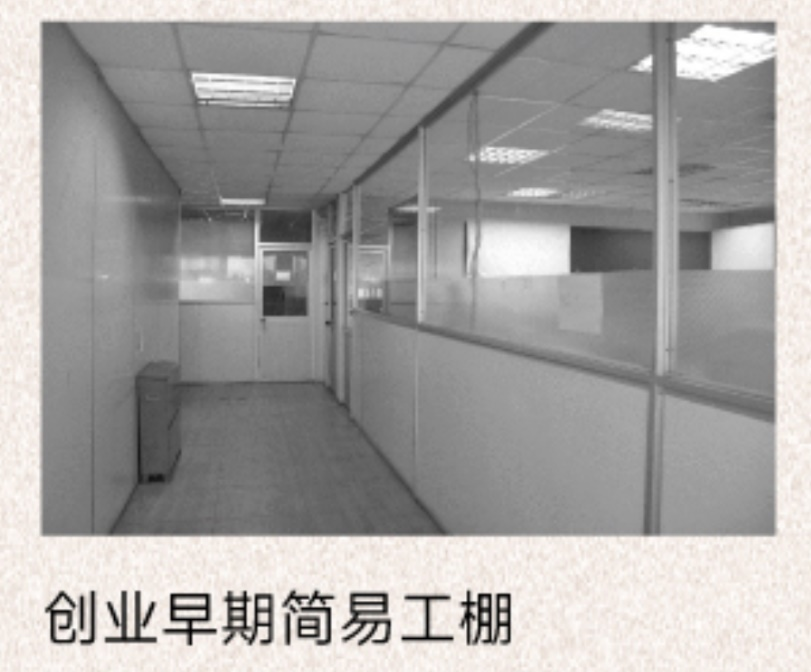 ▲Source: GalaxyCore Official Website
“The shed was very dilapidated, and the tables were full of ants; our first task every day was to deal with the ants.”
Zhao, having risked everything, told his wife:
“If we lose, we won’t play anymore.”

Surviving Against All Odds
At the beginning of his entrepreneurial journey, engineer Zhao Lixin faced the lessons brought by a lack of market and management experience.
With passion, he initially focused on high-end image sensor design, but R&D faced obstacles. Seeing this path was blocked, he shifted to baseband, but continued to struggle.
There were also significant issues in personnel management; the company’s database was taken by an employee who then raised several million dollars and returned as a competitor to GalaxyCore.
Reflecting on the mistakes made at that time, Zhao said, “Heaven did not destroy me; many people fail after one mistake, but we were given a second chance.”
This second chance came from returning to CIS chip R&D, but with a lower profile, starting from easier tasks. While international giants were developing 2-5 million pixel CIS chips, GalaxyCore began with 300,000 pixels.
After over forty trial runs, in 2005, GalaxyCore’s first commercially viable CIS product was successfully produced, marking a milestone for China.
The key technology of this product was the “three-transistor” process, which was already widely used abroad but still in the experimental stage domestically. GalaxyCore was the first to achieve localization and seized a great opportunity: the rise of the domestic camera market, where 300,000 pixels were already sufficient.
Thus, this low-pixel product ultimately yielded significant returns, selling 16 million units in its first year of mass production, generating over $5 million in sales, and dominating the 300,000 pixel market.
In 2007, the iPhone emerged, completely changing the landscape of the mobile phone industry, and the camera function of smartphones advanced rapidly, with pixel counts and camera numbers continuously increasing. GalaxyCore kept pace, developing products with 2-5 million pixels.
This was also a victory against all odds.
First, there were difficulties in R&D. According to the company’s R&D director Li Jie, when GalaxyCore initially produced 2 million pixel products, only one out of 2000 chips on the first wafer met the standards, resulting in a yield of 0.05%.
However, Zhao insisted on increasing R&D efforts, ultimately raising the yield to over 95% through relentless work, and by innovating circuit design and processes, he reduced costs by 35%-50% compared to similar products while improving performance by 40%.
Secondly, there were market and competition challenges. As GalaxyCore gradually broke through, the international giants began to act. They launched a brutal price war, driving GalaxyCore’s products into a situation where selling more meant losing more, attempting to crush GalaxyCore in the process.
“At that time in Shenzhen, they were selling inventory by the pound, and we were left with only 200 yuan in our account,” Zhao recalled.
Fortunately, investors saw the potential in GalaxyCore and decided to continue supporting it financially. With this support, GalaxyCore proactively initiated a counter-offensive, leveraging its low-cost advantage to aggressively lower prices, ultimately dominating the mid-to-low-end product market. Some media described it as “wherever they went, nothing grew; they were the ‘Pinduoduo’ of the image sensor field.”
By 2014, GalaxyCore’s CMOS sensor shipments exceeded 940 million units, with sales surpassing $350 million, making it the top supplier of CMOS image sensor chips in China.
While breaking through in the CIS chip market, GalaxyCore also leveraged its core technology to launch another battle: independently developing LCD driver chips, which are core components of liquid crystal displays.
The domestic display driver chip market had long been dominated by Taiwanese companies like Silan Microelectronics and Himax Technologies. In 2010, GalaxyCore established a display driver product line, and by 2019, its LCD driver chip shipments reached 420 million units, making it the only mainland supplier among the top five LCD driver chip suppliers in China.
With sustained growth from its two flagship products, by 2020, GalaxyCore’s annual revenue approached 6.5 billion yuan, with CMOS image sensor shipments exceeding 2 billion units, ranking first in the world.Although shipments have since declined, it still ranks second globally.

Challenging the High-End Market
Becoming number one did not bring Zhao Lixin much joy, as this number one was based on quantity but lacked quality.
In terms of sales revenue, GalaxyCore, which achieved the highest global shipment volume in 2020, ranked only fourth globally, and was significantly behind the first place.
That year, GalaxyCore’s CIS chip revenue was 5.86 billion yuan, accounting for only 5% of the global market, while Sony’s CMOS business revenue reached $9.4 billion, with a market share of 40%.
The key difference was that Sony held 50% of the high-end market share, with its revenue primarily coming from high-end products with over 13 million pixels, while GalaxyCore’s revenue came from mid-to-low-end products with 2-5 million pixels and 8-13 million pixels, with high-end revenue accounting for less than 1%.
Zhao recalled his father’s words, “If you’re full, how can you not be first?”
Thus, he led the team to continue pushing for high-end challenges: on one hand, seizing the opportunity of national support for technological innovation, especially breakthroughs in core technologies, to promote the company’s IPO and expand its capital strength; on the other hand, optimizing the company’s development model, transitioning from Fabless to Fab-Lite, and setting a goal of achieving $3 billion in revenue.
The term Fabless refers to companies that only handle chip R&D and design, outsourcing manufacturing to foundries. GalaxyCore’s main foundries include Samsung, TSMC, and SMIC.
In contrast to the Fabless model is IDM, which handles the entire process of design, manufacturing, packaging, and sales. Intel, Sony, and Samsung are typical IDM companies.
GalaxyCore’s choice of Fab-Lite is a hybrid between Fabless and IDM, combining self-built wafer fabs with outsourced manufacturing, aiming to take a more proactive approach in mastering high-end product manufacturing capabilities and better responding to market demands.
On August 18, 2021, GalaxyCore was listed on the STAR Market, raising a total of 3.593 billion yuan through its initial public offering, all of which was invested in its core project for transitioning to Fab-Lite: “12-inch CIS integrated circuit specialty process R&D and industrialization project,” which involves building a manufacturing base covering 122,000 square meters in the Lingang New Area of the Shanghai Free Trade Zone, including a wafer fab and power center.
During the construction of the factory, GalaxyCore achieved a breakthrough in the GalaxyCell™ 0.7μm process, which had been independently developed over ten years, allowing for the launch of high-end products such as 32-megapixel and 50-megapixel solutions for high-end smartphones.
In 2023, on the 20th anniversary of GalaxyCore, the Lingang factory was completed and the 12-inch integrated circuit specialty process production line was successfully launched, significantly shortening the mass production cycle for high-end products. Popular domestic smartphones such as OPPO Reno12 overseas version, vivo Y300 Pro, and Huawei Nova 13 series have successively adopted GalaxyCore’s mid-to-high-end products.
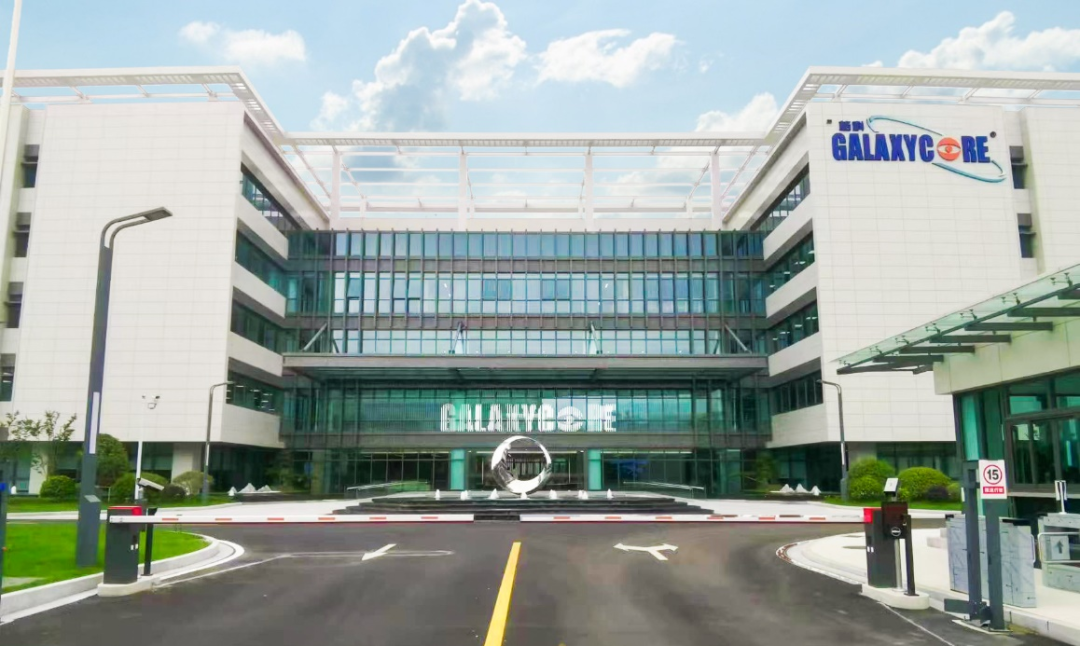 ▲ GalaxyCore Lingang Factory, Source: GalaxyCore Official Website
According to GalaxyCore’s Q3 2025 report, the initial results of the high-end transformation are evident, with revenue of 5.723 billion yuan in the first three quarters, a year-on-year increase of 25.66%, and revenue from products over 13 million pixels reaching 1 billion yuan, with shipments of products over 32 million pixels exceeding 40 million units.
Currently, the Lingang factory is operating at near full capacity, continuously transitioning production from 8 million and 13 million pixel products to high-pixel products such as 32 million and 50 million pixels. Since the second quarter of 2025, the revenue share of high-pixel products has exceeded 40%.
Next, GalaxyCore will develop automotive CMOS image sensor business as a new growth curve, having already made breakthroughs in packaging processes for automotive-grade products. Zhao Lixin stated, “With the mass production of high-end products, the goal of $3 billion in revenue is just around the corner.”
At the inauguration ceremony of the Lingang factory, Zhao recalled the “ant shed” from the early days of entrepreneurship, saying he never expected the company would last this long. His initial vision was, “Either we go public in two or three years, or we get eliminated in two or three years.”
Now, 22 years after its establishment, GalaxyCore is looking forward to the next 20 years, with the original entrepreneurial partners still working together, and everyone’s wish is: “To continue climbing and become one of the top 5 semiconductor companies in the world.”

Disclaimer: The content of this article does not represent the views of this account and remains neutral regarding the opinions expressed, provided solely for the purpose of reference for entrepreneurs.This article has been authorized; if there are any copyright issues, please contact us for resolution.