
Investment bank Bernstein recently released a research report on the lifespan of GPUs, addressing the growing controversy over depreciation and lifespan in the market.
As the AI wave accelerates investment in computing across major enterprises, some investors question whether setting the GPU depreciation period at five to six years is overly optimistic, potentially leading to overestimated profits and sparking market discussions.
Market bears warn that the actual lifespan of GPUs may not be as long as accounting records suggest.
Several large tech companies may underestimate depreciation by extending the lifespan of computing equipment, thereby inflating profits.
The report indicates that these concerns are “exaggerated.”
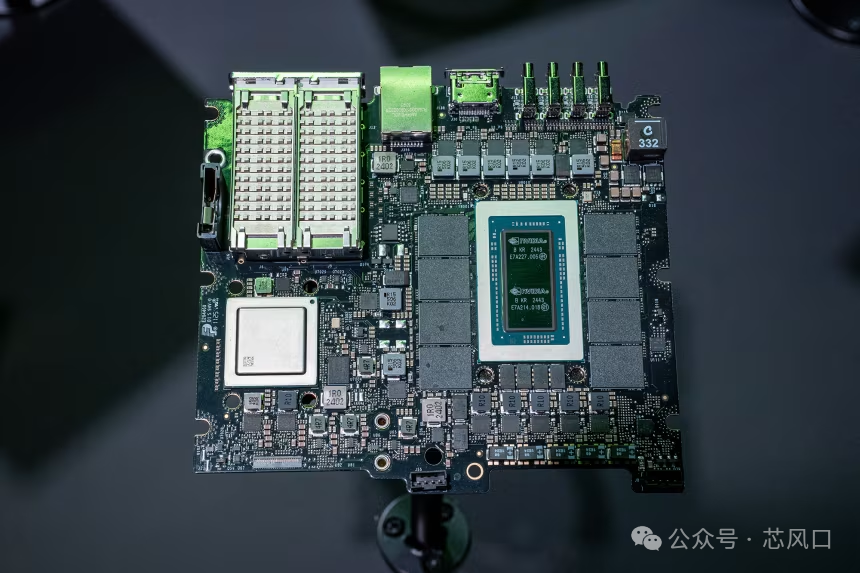
The agency states that major global cloud service providers are generally accurate in their depreciation methods for accelerated computing equipment and have not underestimated the actual lifespan of the hardware.
Research shows that the value of GPUs indeed declines significantly in the first year, primarily due to wear and tear from heavy workloads and the transition of high-performance tasks to new chips. However, after the initial drop, resale prices tend to stabilize, and many older GPUs can still be used for low-intensity computing tasks, making a five to six-year lifespan reasonable and common.
The operating costs of older GPUs remain significantly lower than the market rental prices for similar equipment, allowing suppliers to maintain decent profits even when using hardware from five years ago.
Furthermore, if the depreciation of hardware accelerates faster than expected, the long-term contracts signed between cloud companies and customers can partially transfer the depreciation risk to the users.
The current demand for accelerated computing is substantial, and older hardware continues to be widely used, which does not significantly hinder industry growth.
The debate surrounding GPU depreciation periods is not as severe as claimed by the bears; in terms of the current economic situation in the industry, the current depreciation assumptions remain reasonable, and there has not been a structural decline in replacement demand.