In the field of industrial automation, the journey from an ordinary electrician to a senior PLC engineer is a career path filled with challenges and opportunities. Today, we will analyze the various stages of this promotion path, the required skills, and salary levels, providing a reference guide for those striving on this path.
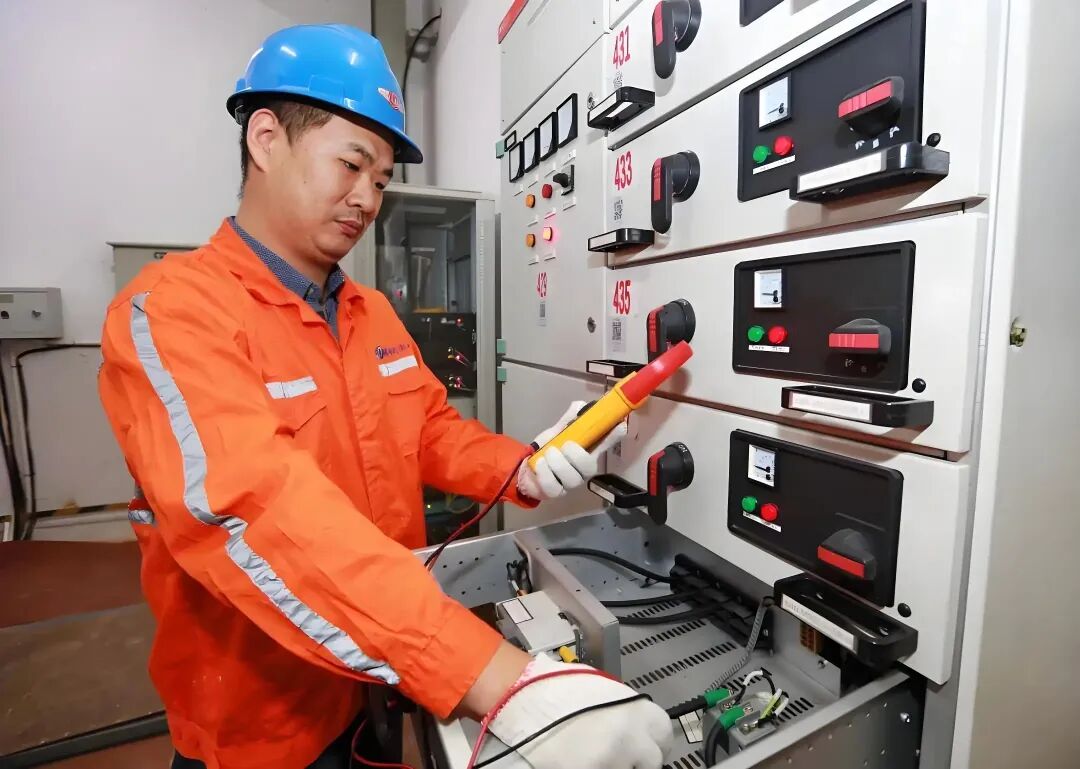
Stage 1: Junior Electrician

Job Responsibilities:
- Responsible for basic electrical equipment installation, wiring, maintenance, and repair
- Execute simple electrical control system wiring tasks
- Assist senior electricians in daily maintenance work
- Comply with safety regulations to ensure safe operations
Skill Requirements:
-
Master basic electrical knowledge and operational skills
-
Ability to read simple electrical schematics
-
Understand the functions and usage of common electrical components
-
Possess safety awareness and basic troubleshooting skills
Salary Range: 3000-5000 RMB/month
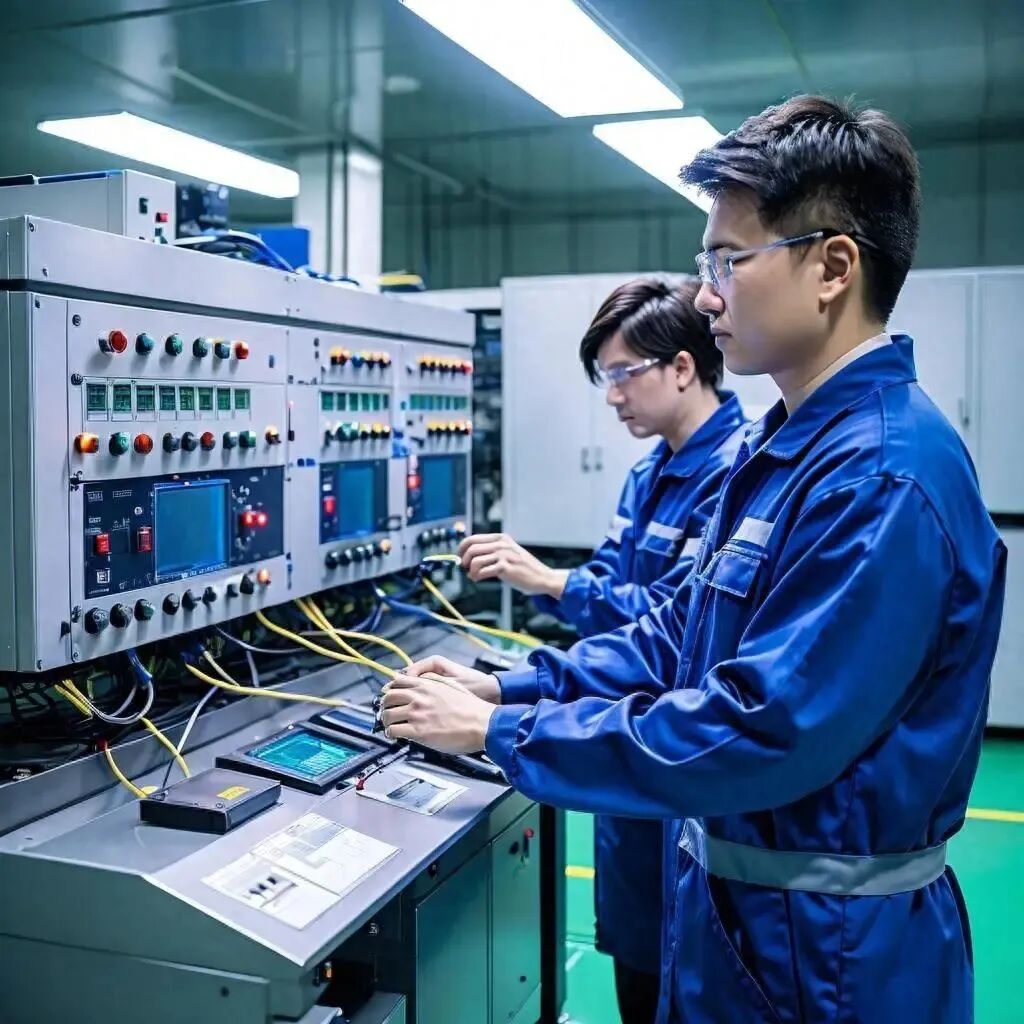
Stage 2: Senior Electrician/Electrical Technician

Job Responsibilities:
-
Independently complete the installation, debugging, and maintenance of electrical systems
-
Handle common electrical fault diagnosis and repair
-
Prepare simple electrical control schemes
-
Guide junior electricians in their work
-
Record and organize technical documentation
Skill Requirements:
-
Proficient in the principles of electrical control systems
-
Able to independently read and understand electrical schematics
-
Familiar with the basic structure and wiring methods of PLCs
-
Possess strong on-site problem-solving skills
-
Basic proficiency in using a PLC programming software
Salary Range: 5000-8000 RMB/month
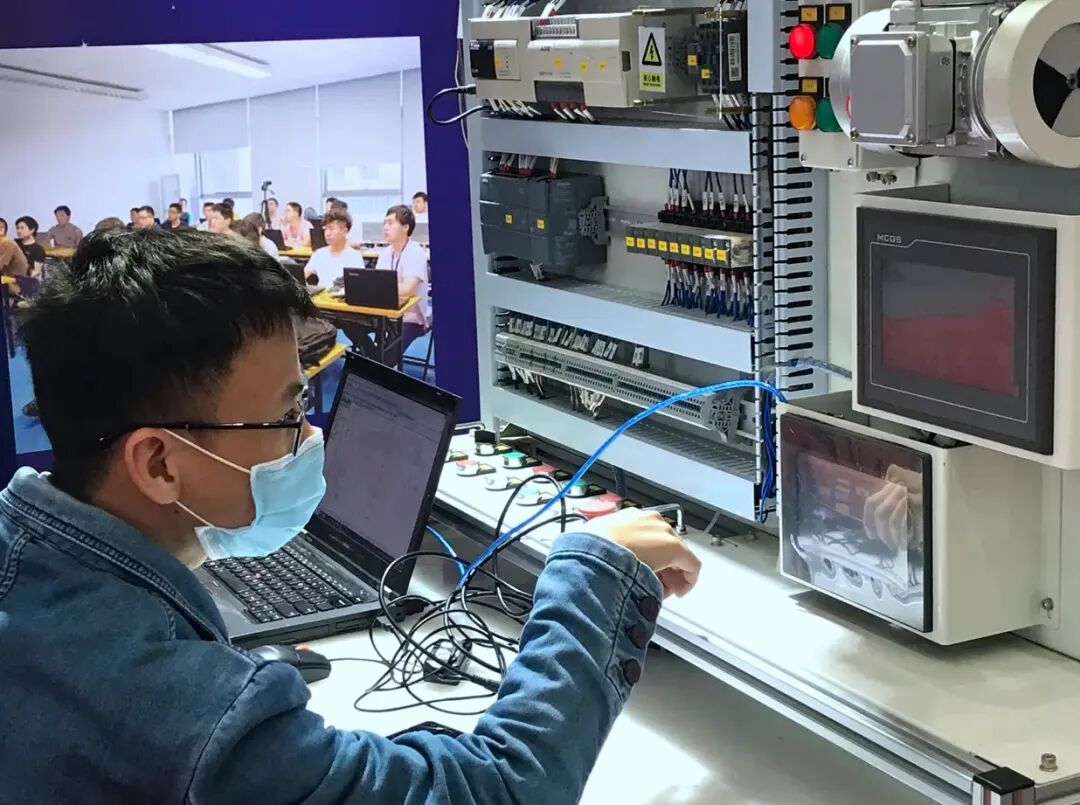
Stage 3: PLC Programmer

Job Responsibilities:
-
Responsible for writing, debugging, and optimizing PLC programs
-
Conduct on-site debugging of automation equipment
-
Participate in discussions and formulation of control system plans
-
Handle complex faults during system operation
-
Provide technical support and training to clients
Skill Requirements:
-
Proficient in programming at least two mainstream PLCs (such as Siemens, Mitsubishi, Omron, etc.)
-
Familiar with various industrial communication protocols (Profinet, Modbus, CANopen, etc.)
-
Master the configuration and design of Human-Machine Interfaces (HMI)
-
Understand the design specifications of electrical control cabinets
-
Possess good logical thinking and problem-solving abilities
Salary Range: 8000-15000 RMB/month
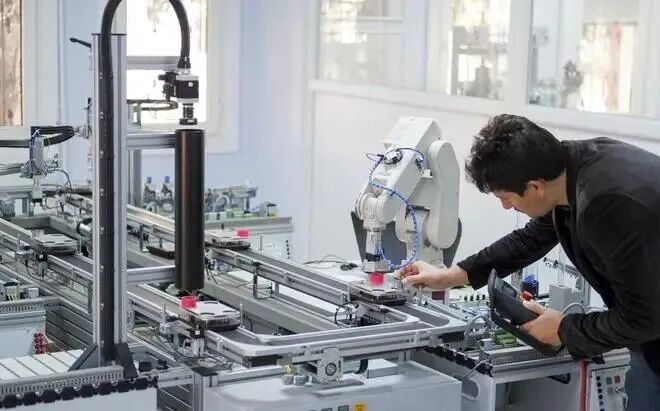
Stage 4: Automation Engineer

Job Responsibilities:
-
Design complete automation control system solutions
-
Responsible for the electrical design and implementation of projects
-
Coordinate collaboration among different disciplines such as mechanical and software
-
Manage project progress and quality control
-
Resolve major technical issues in projects
Skill Requirements:
-
Possess complete automation system design capabilities
-
Familiar with the selection of various brands of PLCs, sensors, actuators, etc.
-
Master the development and application of SCADA systems
-
Understand machine vision and robotic integration applications
-
Possess project management and team collaboration skills
Salary Range: 15000-25000 RMB/month
Stage 5: Senior PLC Engineer/Technical Expert

Job Responsibilities:
-
Develop technical solutions for complex automation systems
-
Lead the resolution of key technical challenges
-
Research and develop new technologies and processes for automation applications
-
Train technical teams to enhance overall team capabilities
-
Participate in industry technical exchanges and standard formulation
Skill Requirements:
-
Deep professional knowledge accumulation in specific industry fields
-
Proficient in the integration and optimization of various control systems
-
Master advanced control algorithms and optimization strategies
-
Possess technical innovation and research capabilities
-
Exhibit excellent technical leadership and decision-making abilities
Salary Range: 25000-40000+ RMB/month
Growth Suggestions
-
Continuous Learning: Automation technology updates rapidly, requiring constant learning of new knowledge and technologies
-
Project Practice: Participate in various types of projects to accumulate practical experience
-
Professional Certification: Obtain relevant professional certificates to enhance career competitiveness
-
Cross-Disciplinary Knowledge: Learn related knowledge in mechanics and software to cultivate system thinking
-
English Proficiency: Improve English skills for reading technical documents and international communication
The path from electrician to senior PLC engineer requires continuous learning and practical accumulation, but the rewards are also considerable. Not only is there a significant increase in salary levels, but the career development space is also much broader. I hope this article can provide a reference for your career planning and help you carve out your own space in the field of automation!