



Ultimate Efficiency Creation
Ultimate Efficiency Creation
Hebei Xinda Steel Group Co., Ltd.



In the digital age, servers serve as the core carrier of information systems, and their operational efficiency, stability, and cost consumption are directly related to the quality of enterprise operations and market competitiveness. Self-improvement of servers to achieve cost reduction and efficiency enhancement has become an indispensable part of the digital transformation process for enterprises.


Focusing on Server Improvement

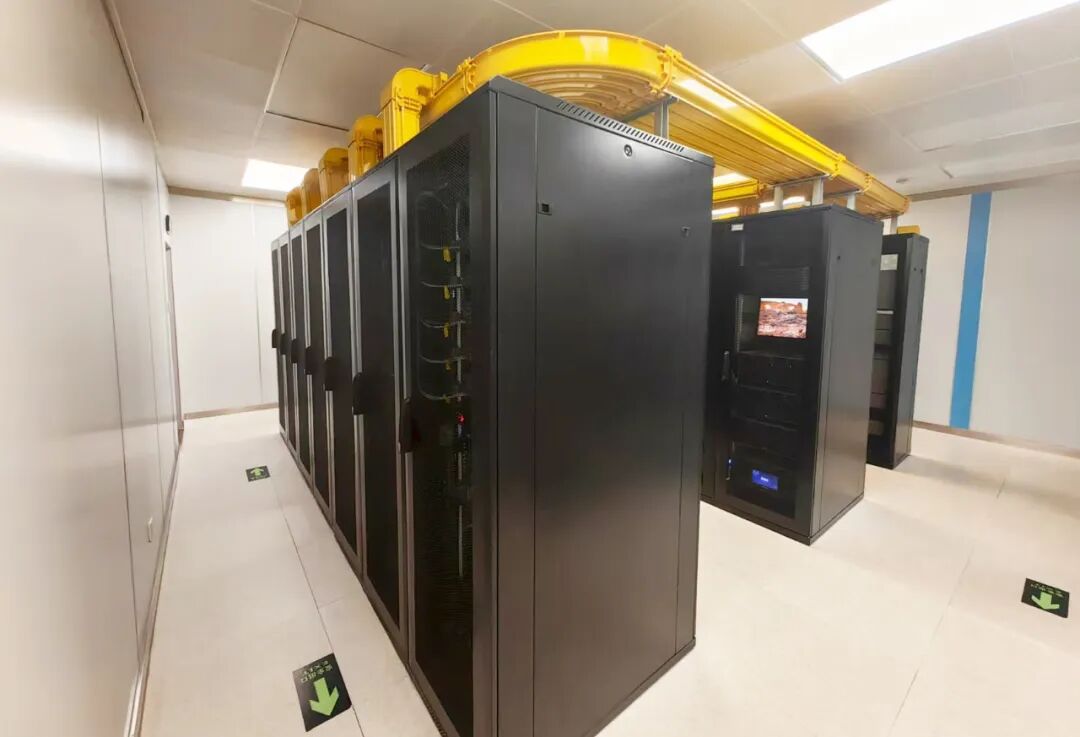
Hebei Xinda Steel Group Co., Ltd. has a phenomenon of “over-specification for low-load applications” in its servers. Some servers are over-configured but only run a few simple applications, leading to CPU, memory, storage, and other hardware resources being idle for long periods, with utilization rates below 30%. This waste of resources not only increases procurement costs but also incurs additional electricity consumption and maintenance costs. Traditional physical servers generate a lot of energy consumption during operation, with the annual electricity costs for an ordinary physical server reaching thousands of yuan, which is undoubtedly a huge expense for companies with hundreds of business hosts. High energy consumption also contradicts the goals of green development and low-carbon operations for enterprises.
Virtualization technology is an effective means to improve server resource utilization. By virtualizing physical servers into multiple independent virtual servers, dynamic allocation and sharing of hardware resources can be achieved, allowing a single physical server to run multiple application systems simultaneously, significantly increasing the utilization of CPU, memory, and other resources. After virtualizing and consolidating 13 physical servers with utilization rates below 25%, the company now meets its original business needs with just 3 physical servers, increasing resource utilization to over 70%, which not only reduces server procurement costs but also lowers electricity and data center space consumption.
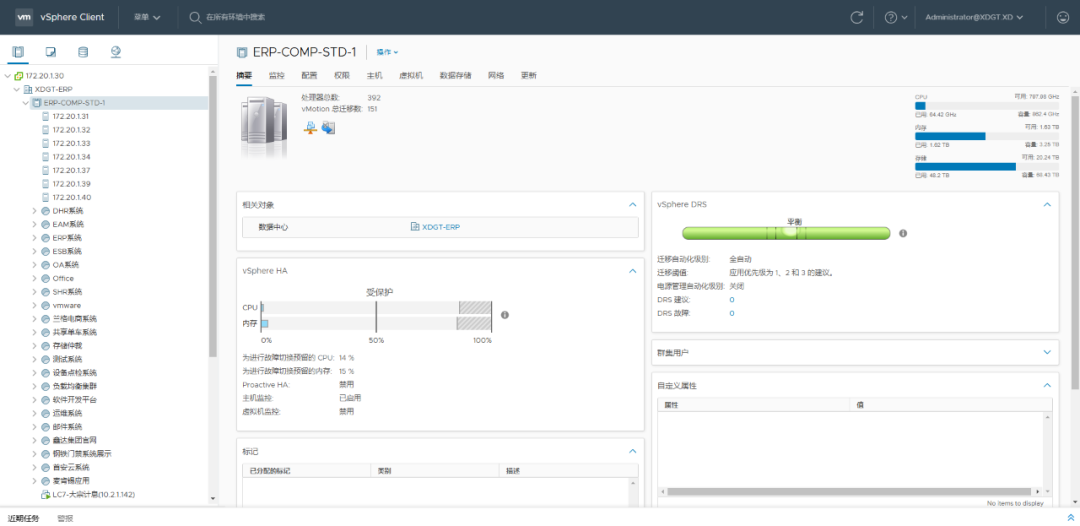
For scenarios with significant fluctuations in business load, building a server cluster combined with load balancing technology is an important way to improve performance and reduce costs. A server cluster integrates multiple servers into a whole, and through load balancing devices or software, user requests are evenly distributed across the servers in the cluster, avoiding performance bottlenecks caused by excessive load on a single server.
Through virtualization consolidation, the company reduced the number of physical servers purchased, lowering costs by 30%-60%, with a capital investment reduction of 1.35 to 2.55 million yuan; the increase in resource utilization and energy consumption optimization led to a decrease in electricity costs by 80,000 to 100,000 yuan. Overall, the total costs related to servers can be reduced by over 1.43 million yuan, with system availability improved to over 99%, enhancing resource utilization efficiency.

In the future, the Information Automation Department of Hebei Xinda Steel Group Co., Ltd. will develop scientific and reasonable improvement strategies based on the company’s business characteristics and actual needs, continuously optimizing server operation and management, and striving for more significant cost reduction and efficiency enhancement, while laying a solid foundation for the company’s digital transformation.

About This Article
Author: Yue Da
Reviewed by: Wang Song
Edited by: Liu Shanshan