Overview
The POLE gene belongs to the DNA polymerase B family and is a catalytic subunit of DNA polymerase ε, possessing 5’→3’ DNA polymerase activity and 3’→5’ exonuclease activity, which play a crucial role in DNA replication and proofreading. Mutations in the exonuclease domain of this gene, which includes exons 9 to 14, can lead to new mutations during DNA synthesis that are not corrected, potentially resulting in tumorigenesis. Whole exome and whole genome sequencing studies have confirmed that approximately 600 types of tumors in humans are associated with mutations in the POLE gene, with the highest mutation rate found in endometrial cancer at 10%, followed by colorectal cancer.
Guidelines such as the “Endometrial Cancer Diagnosis and Treatment Guidelines (2021 Edition)”, “NCCN Clinical Practice Guidelines for Uterine Tumors (2022 V1)”, and the “Chinese Expert Consensus on Molecular Testing for Endometrial Cancer (2021 Edition)” recommend POLE gene testing for patients with endometrioid adenocarcinoma of the endometrium, suggesting molecular subtyping of endometrial cancer in conjunction with MMR/MSI status and p53 status: POLE ultramutated (POLEmut), mismatch repair deficient (MMRd), non-specific molecular profile (NSMP), and p53 mutated (p53abn).

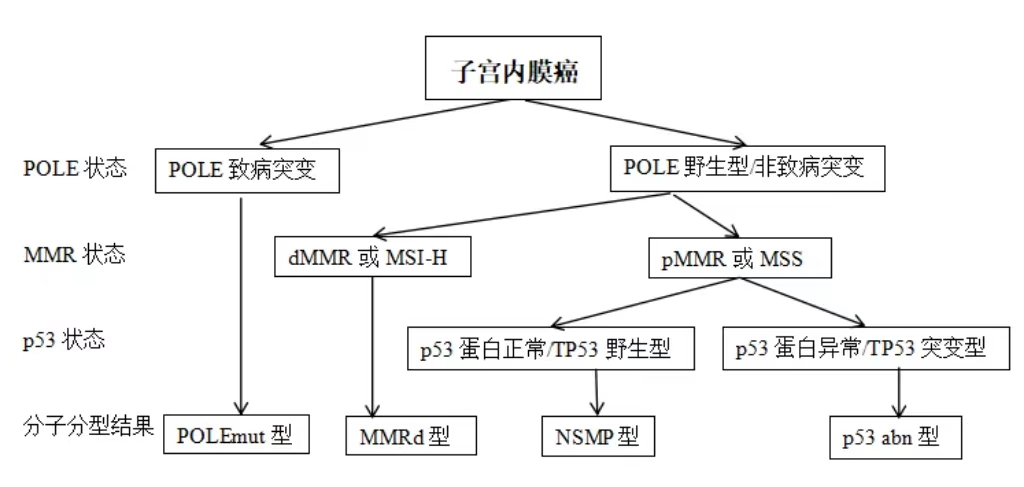
Figure1Consensus RecommendedInterpretation Order for Molecular Subtyping of Endometrial CancerFigure
The molecular subtyping of endometrial cancer contributes significantly to its diagnosis and treatment. Firstly, it guides prognosis: based on the molecular subtype of endometrial cancer, the prognosis for patients can be predicted, with POLE ultramutated patients having the best prognosis and very few recurrences or deaths. However, POLEmut cases are often found in high-grade endometrioid carcinoma (EEC), accounting for 6% to 8% of all endometrial cancer cases, and up to 15% in high-grade EEC. The prognosis for p53 mutated patients is the worst, while MMR deficient and non-specific molecular profile patients have moderate prognosis. Secondly, it guides adjuvant therapy: currently, there is a lack of prospective research results for the clinical application of molecular subtype-guided adjuvant therapy for endometrial cancer, but the European Society of Gynaecological Oncology (ESGO), European Society for Radiotherapy and Oncology (ESTRO), and European Society of Pathology (BSP) jointly developed management guidelines for endometrial cancer, recommending the integration of molecular subtype results with clinical and pathological features to stratify patients’ recurrence risk for guiding adjuvant therapy.
Moreover, POLE mutated endometrial cancer has a high tumor mutational burden (>100 mut/Mb), making it a potential beneficiary group for PD-1/PD-L1 immunotherapy. To avoid overtreatment and improve patients’ quality of life, and to explore the possibility of immunosuppressant therapy, POLE mutation testing should be conducted.
Currently, our laboratory employs qPCR + Sanger sequencing method for POLE gene testing. Specific detection primers and probes are designed for exons 9 to 14 of the human POLE gene, and the amplified qPCR products are sequenced for analysis. The sequencing results are imported into the nucleic acid sequence analysis software Sequencing Analysis 5.2, comparing the detection results of each sample at each site with the standard sequence (wild type) to interpret the POLE gene status.

Figure2Example of Test Results
Target Population
Patients with endometrial cancer and colorectal cancer.
Testing Indicators
Exons 9 to 14 of the POLE gene.
Sample Submission Requirements
(1) Both outpatient and inpatient patients can apply, project medical advice: POLE gene testing.
(2) Sample requirements: paraffin-embedded tissue samples (tumor cell content >70%, storage time not exceeding 5 years);
(3) Reporting time: 1-7 working days, testing is conducted every Monday, and reports are issued before 8 PM.
Biotechnology Chip Center
The Biotechnology Chip Center can conduct genetic testing (hearing loss genes, neonatal early screening, etc.), pathogen detection (respiratory pathogens, respiratory viruses, COVID-19 virus nucleic acid testing, etc.), tumor gene testing (ALK, ROS1, NRAS, HRAS, PIK3CA, MET, RET, HER-2, etc.), and pharmacogenomics (guidance for clopidogrel, warfarin, statin, proton pump inhibitors, and hypertension-related gene testing, etc.).

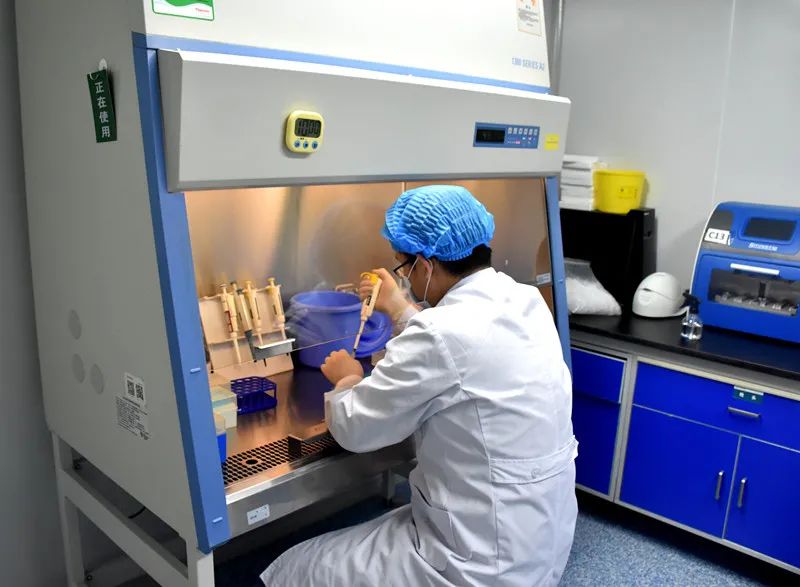
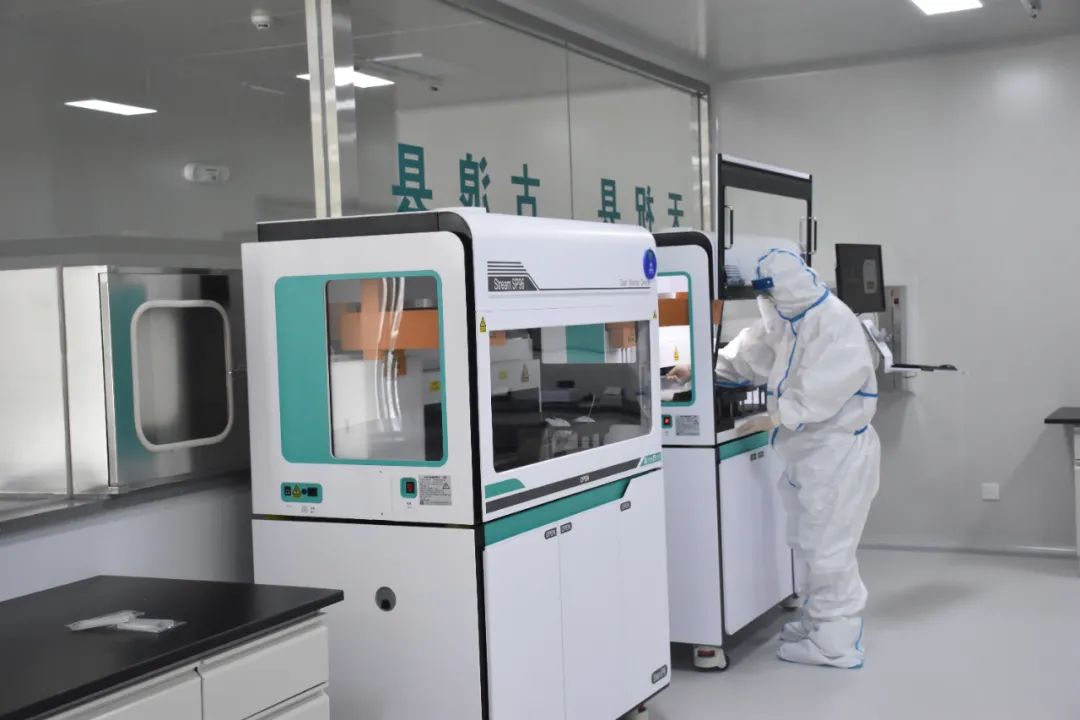
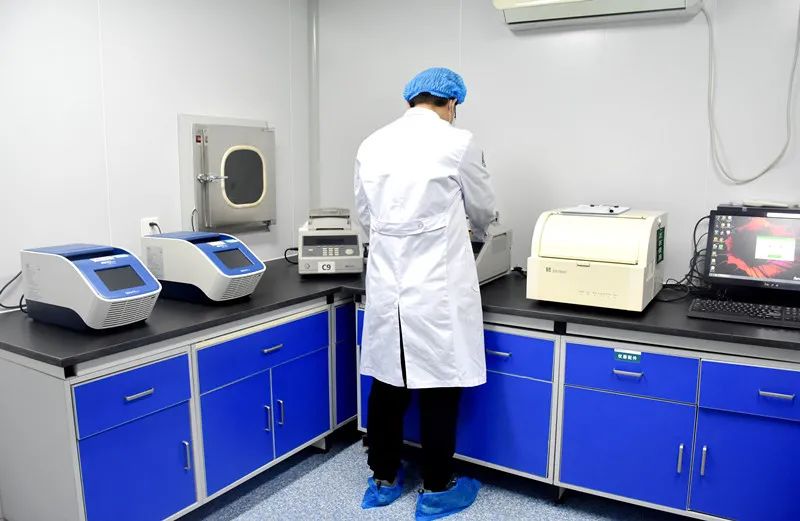
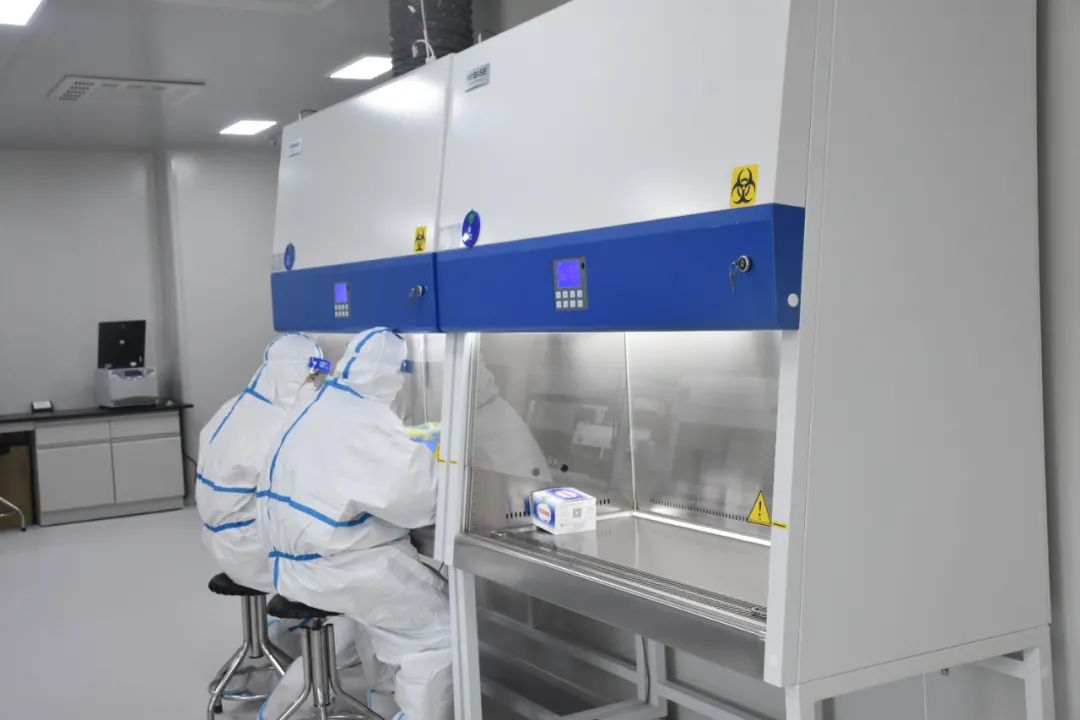
Snapshots of the Gene Biotechnology Chip Room and Biological Immune Cell Therapy Room
The Biological Immune Therapy Room conducts cutting-edge high-tech tumor cell immune therapy techniques, currently carrying out clinical research on CIK cells, NK cells, DC-CIK, umbilical cord mesenchymal stem cells, etc., with plans to conduct CAR-T cell therapy clinical trials in the future.

Scan to Follow