Hello everyone, today I would like to share an important research achievement published by Professors Li Jingying and Yang Huanghao from Fuzhou University in the Journal of the American Chemical Society (JACS). The paper is titled: “Breaking Endosomal Barriers: Thiol-Mediated Uptake Lipid Nanoparticles for Efficient mRNA Vaccine Delivery”. This work focuses on the current core bottleneck in mRNA vaccine delivery—extremely low endosomal escape efficiency (only 1-2%). It innovatively designs a new class of lipid nanoparticles platform with “thiol-mediated uptake” characteristics, referred to as SLNP (S-DOPE LNP). Traditional LNPs primarily rely on clathrin-mediated or caveolin-mediated endocytosis to enter cells, but the vast majority of carriers get trapped in endosomes or are engulfed by lysosomes, leading to limited mRNA translation efficiency, which necessitates high-dose administration, resulting in safety, cost, and supply chain pressures. To overcome this limitation, the research team introduced a lipid containing a cyclic disulfide structure, S-DOPE, utilizing its dynamic exchange reaction with cell surface thiols to achieve a chemically driven, endocytosis-evading transmembrane entry mechanism for the first time in LNP systems. Based on this concept, the researchers constructed various SLNP formulations with different S-DOPE contents and systematically screened to identify the best-performing SLNP4. In vitro experiments showed that SLNP significantly enhanced cellular uptake (4.4-fold increase within 1 hour) and reduced colocalization with lysosomes, thereby facilitating more efficient mRNA entry into the cytoplasm for translation. Furthermore, the study utilized various endocytosis inhibitors to further demonstrate that, unlike traditional LNPs that rely on endocytosis, the primary entry pathway for SLNP indeed comes from thiol-mediated transmembrane reactions. In in vivo experiments, the advantages of SLNP were even more pronounced. After intramuscular injection in mice, the luciferase mRNA expression level of SLNP reached 4.5 times that of traditional LNPs and predominantly accumulated in lymph nodes, achieving enhanced local antigen expression and immunogenicity. More importantly, when used as an mRNA vaccine for the SARS-CoV-2 spike protein, SLNP could induce neutralizing antibody levels comparable to 10 μg of traditional LNPs at an ultra-low dose of only 0.5 μg, demonstrating significant dose savings (20-fold) and a strong Th1 biased immune response. In terms of safety, neither high-dose mRNA-SLNP nor empty SLNP showed significant organ toxicity or weight changes, and serum biochemical indicators were normal, indicating good biocompatibility and clinical translation prospects. This study successfully engineered the “thiol-mediated transmembrane entry” mechanism into the LNP platform, creating a novel SLNP system that significantly enhances cytoplasmic delivery efficiency without relying on traditional endocytosis pathways. This strategy not only provides a new approach for the development of next-generation efficient mRNA vaccines and nucleic acid drugs but also offers a breakthrough solution to the endosomal bottleneck problem of existing LNPs.
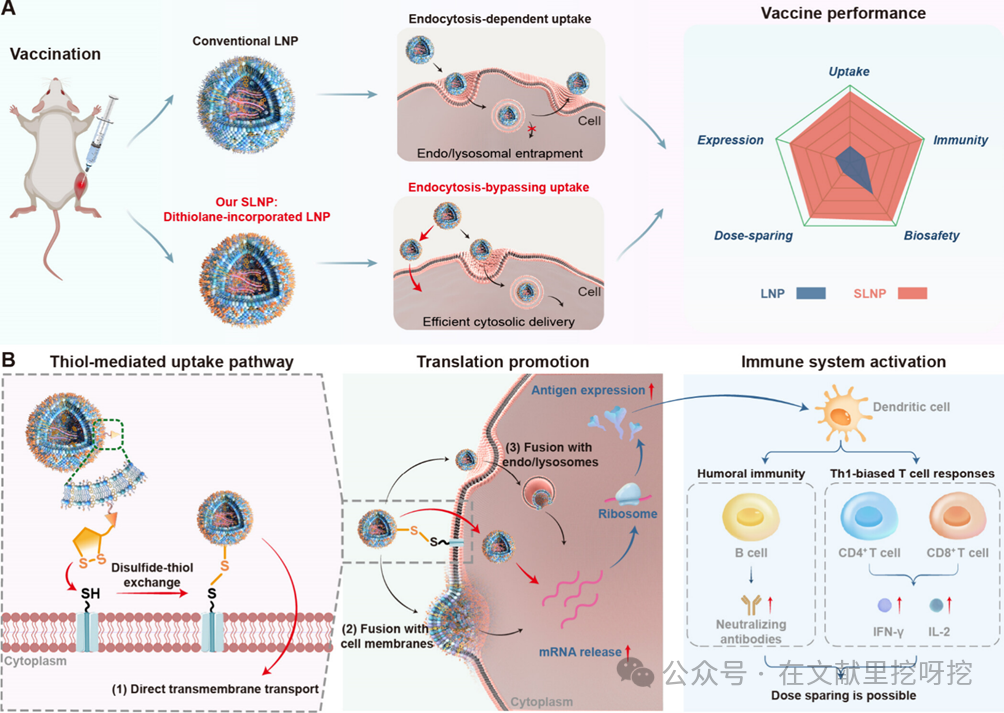
Figure 1. Schematic diagram of SLNP-mRNA vaccine delivery and immune activation mechanism
Research Background
In recent years, mRNA vaccine technology has shown unprecedented potential in infectious disease prevention and tumor immunotherapy. However, as a large anionic biomolecule, mRNA cannot freely cross membranes and must rely on delivery carriers to enter the cytoplasm for translation into antigen proteins. Lipid nanoparticles (LNPs) have become the most mature and widely used mRNA delivery platform, achieving significant success in SARS-CoV-2 vaccines. Nevertheless, mRNA delivery still faces critical limitations that are difficult to overcome.
Firstly, endocytosis-endosomal entrapment remains a core bottleneck hindering mRNA delivery efficiency. Traditional LNPs primarily enter cells through classical endocytosis pathways, with over 95% of particles ultimately trapped in endosomes or lysosomes, where they are rapidly degraded by acidic environments and nucleases, severely diminishing mRNA’s protein translation efficiency. Due to the typically insufficient endosomal escape efficiency of less than 1-2%, achieving adequate in vivo antigen expression often requires increased vaccine doses, leading to higher risks of side effects and production costs.
Secondly, structural optimization of traditional LNPs has reached a bottleneck. Previous methods of improving certain characteristics by adjusting the pKa of ionizable lipids, hydrophobic chain lengths, or the ratio of helper lipids cannot fundamentally eliminate dependence on cellular endocytic pathways or significantly enhance cytoplasmic delivery ratios. Additionally, efficient endosomal escape often accompanies increased membrane disruptive effects, which may lead to cytotoxicity and increased inflammatory responses, thus limiting the safety of clinical applications.
Thirdly, the efficacy of mRNA vaccines is highly dose-dependent. Due to low delivery efficiency, traditional LNPs often require high doses to induce robust humoral and cellular immune responses. This not only increases costs but also imposes usage restrictions. For example, in current mRNA vaccine systems, only a few materials can achieve high antigen expression, while more efficient and safer delivery strategies remain scarce. Therefore, there is an urgent need for a novel delivery strategy that can “bypass the endocytic trap” and directly or more efficiently enter the cytoplasmic space to achieve high mRNA expression and stronger immune effects.
Based on this background, this study proposes an innovative concept: utilizing thiol-mediated uptake to break through endosomal barriers. The article designs a lipid containing a disulfide structure, S-DOPE, and incorporates it into lipid nanoparticles to construct a new SLNP (dithiolane-incorporated Lipid Nanoparticle). This dynamic thiol-disulfide exchange mechanism can undergo reversible reactions with cell membrane surface thiols, enabling chemically driven transmembrane entry without relying on classical endocytosis pathways, significantly reducing endosomal retention. This delivery mechanism provides a new approach to enhance cytoplasmic delivery efficiency, improve antigen expression, and reduce vaccine dosage.
Furthermore, the study further validated the superior performance of SLNP in both in vitro and in vivo systems, including enhanced cellular uptake, significantly improved mRNA translation capability, efficient expression at the injection site and in lymph nodes, and the induction of strong humoral and cellular immune responses in the SARS-CoV-2 mRNA vaccine model.
This research addresses the long-standing bottleneck of low mRNA delivery efficiency caused by endosomal entrapment by introducing a new chemical strategy of thiol-mediated uptake, providing an important breakthrough for constructing a more efficient, safer, and clinically promising mRNA vaccine delivery platform, and laying a material and theoretical foundation for the development of future infectious disease vaccines and tumor vaccines.
Problems Addressed by the Article and Research Methods
This study focuses on the most core, critical, and currently most challenging bottleneck in mRNA vaccine delivery: the extremely low cytoplasmic delivery efficiency caused by endocytosis-endosomal entrapment. Although lipid nanoparticles (LNPs) have become the most successful mRNA vaccine delivery platform, their passive reliance on endocytic pathways results in the vast majority of mRNA being trapped in endosomes/lysosomes, with the proportion successfully escaping to the cytoplasm often being less than 1-2%. This fundamental limitation leads to:
1. High demand for large doses and high costs: Since mRNA cannot effectively enter the cytoplasm, higher doses must be administered to achieve effective antigen expression, resulting in vaccine costs, cold chain pressures, and side effect risks.
2. Endosomal degradation leading to low translation efficiency: mRNA trapped in endosomes is easily degraded by lysosomal enzymes and cannot enter ribosomes for protein translation.
3. Difficulty in controlling the endocytic pathways of traditional LNPs: Ordinary LNPs can only enter cells via clathrin-mediated or macropinocytosis endocytic mechanisms, severely relying on the cell’s own pathways and lacking chemical controllability.
4. Existing structural optimization strategies are still limited at the chemical level: For example, adjusting pKa, lipid tail chain unsaturation, membrane fluidity, etc., still cannot fundamentally break through the endosomal escape bottleneck. Therefore, the overall goal of this study is to construct a “chemically driven” new LNP system (SLNP) that can bypass classical endocytic pathways, actively enter the cytoplasm, and efficiently release mRNA, fundamentally enhancing mRNA delivery efficiency and vaccine immunogenicity.
1. Research Objectives and Core Scientific Questions
This study aims to solve the core problem that has long existed in mRNA delivery but has not been effectively cracked.
(1) How to break through endosomal entrapment and improve the efficiency of mRNA direct delivery to the cytoplasm?
Traditional LNPs >90% enter endosomes and get trapped; this study aims to design LNPs that can actively cross membranes and bypass endocytosis.
(2) How to utilize chemical reactions to drive cellular uptake without relying on the cell’s endocytic machinery?
The goal is to use the “thiol-disulfide exchange reaction” as an active transmembrane mechanism, allowing nanoparticles to undergo dynamic covalent reactions with cell surface thiols to achieve chemically driven entry.
(3) How to construct a universal structure compatible with commercial LNP systems?
This not only needs to enhance laboratory formulation performance but also to be compatible with Moderna and Pfizer/BioNTech systems, possessing clinical translational value.
(4) How to maintain safety while ensuring efficient delivery?
Excessive membrane disruption can lead to cytotoxicity, so a controllable, mild, and reversible membrane fusion mechanism needs to be designed.
2. Research Strategy and Overall Design
The research adopts a multi-layered research framework of “chemical reaction-driven uptake + membrane fusion enhancing endosomal escape + vaccine immune evaluation + systematic safety verification,” comprehensively unfolding from material chemistry to immunology.
(1) Chemical design of LNP based on thiol-mediated uptake mechanism (Thiol-mediated Uptake Lipid Engineering)
The research team designed and synthesized a novel lipid material containing a disulfide structure, S-DOPE, whose core mechanism is: the cyclic disulfide bond on the epitope undergoes dynamic reversible covalent exchange with cell membrane surface thiols, promoting nanoparticles to directly cross membranes into the cytoplasm, bypassing traditional endocytic pathways. Subsequently, the researchers incorporated S-DOPE into classic LNP systems, constructing a series of dithiolane-incorporated LNPs (SLNPs). Systematic characterization showed that SLNPs have a particle size of 120-140 nm, PDI < 0.1, mRNA encapsulation efficiency of 60-70%, and strong storage stability. In in vitro screening, the SLNP4 formulation with the optimal S-DOPE ratio was identified as the best formulation.
(2) Study of intracellular uptake mechanisms and delivery mechanisms (Mechanistic Dissection of Cytosolic Delivery)
The research utilized flow cytometry, confocal imaging, and cellular inhibitor experiments to elucidate the delivery mechanism of SLNP: SLNP’s cellular uptake efficiency was 2-4 times higher than that of traditional LNPs, with significantly reduced colocalization with lysosomes. DTNB inhibition experiments indicated that thiol-mediated uptake was the dominant mechanism, while FRET membrane fusion experiments showed that SLNP exhibited stronger membrane fusion capabilities under both pH 7 and pH 5 conditions. This part confirmed that SLNP achieved high cytoplasmic delivery efficiency through the dual pathways of “thiol-driven uptake + enhanced membrane fusion,” which traditional LNPs could not achieve.
(3) In vivo mRNA expression and humoral immunity evaluation (In Vivo Transfection & Humoral Immunity)
The researchers encapsulated Fluc-mRNA in SLNP for in vivo testing: after intramuscular injection, the mRNA expression level of SLNP was 4.5 times that of LNPs at 3 hours, with fluorescence primarily distributed at the injection site and draining lymph nodes, avoiding systemic diffusion. Subsequently, they constructed a SARS-CoV-2 Spike mRNA vaccine: a low dose (0.5 μg) of SLNP could produce neutralizing antibody titers comparable to 10 μg of traditional LNPs, significantly demonstrating the potential for dose savings (20-fold).
(4) Cellular immune response verification (Cellular Immunity Evaluation)
ELISpot and ICS analyses showed that SLNP could induce strong IFN-γ secretion, with T cell responses exhibiting a Th1 bias. Compared to traditional LNPs, SLNP significantly enhanced the expression of IFN-γ and IL-2 in CD4⁺ and CD8⁺ T cells at a dose of 10 μg, indicating that SLNP not only enhances humoral immunity but also effectively activates cellular immunity, making it a high-quality vaccine delivery system.
(5) System safety evaluation (Biocompatibility and Biosafety)
Tissue pathology and blood biochemical tests were conducted in mice: no significant tissue damage or inflammation was observed, liver and kidney functions were normal, and only slight temporary weight loss occurred, which quickly recovered. Both empty SLNP and mRNA-SLNP were safe after multiple injections, proving that SLNP has good biocompatibility and is suitable for clinical translation.
Innovations
1. The first introduction of the “thiol-mediated uptake mechanism” into the LNP delivery system, achieving a chemically driven mode of active transmembrane delivery.
Traditional LNPs rely on endocytosis to enter cells, resulting in the vast majority of mRNA being trapped in endosomes. This article innovatively introduces a cyclic disulfide structure (S-DOPE) into LNPs, utilizing dynamic exchange with cell membrane surface thiols to achieve active transmembrane entry without relying on endocytosis. This represents a significant paradigm shift from “passive endocytosis” to “chemically driven active delivery.”
2. Construction of a novel SLNP (S-DOPE–LNP) platform, significantly enhancing mRNA cytoplasmic delivery and protein expression efficiency.
The article demonstrates that SLNP can increase mRNA expression in cells by over 4-11 times and significantly reduce colocalization with lysosomes, proving its unique ability to break through the endosomal bottleneck. This is the first demonstration that disulfide structures can systematically enhance the cellular uptake and cytoplasmic release efficiency of mRNA nanoparticles.
3. A generalized delivery strategy with platform compatibility that can enhance the delivery effects of multiple commercial LNPs.
The research shows that introducing S-DOPE into the commercial LNP formulations of Moderna and Pfizer significantly improves their mRNA expression levels. This indicates that SLNP is a highly versatile and easily integrated delivery enhancement module with direct industrial translation value.
4. Significant improvement in in vivo delivery efficiency, achieving strong antigen expression and significant dose savings.
In mouse intramuscular models: SLNP’s in vivo fluorescence expression was 4.5 times that of traditional LNPs, and in the SARS-CoV-2 mRNA vaccine, 0.5 μg SLNP ≈ 10 μg LNP in terms of antibody levels, achieving a 20-fold dose saving, far exceeding traditional structural optimization strategies. This has extremely high application value in the current context of high mRNA vaccine costs and cold chain requirements.
5. Simultaneous enhancement of humoral and cellular immunity, with both types of immune responses significantly improved.
SLNP not only enhances antibody titers but also significantly boosts: IFN-γ secretion, Spike-specific CD4⁺/CD8⁺ T cell activation, and Th1 biased immunity (reducing IL-4), making it one of the few LNPs that simultaneously strengthen both humoral and cellular immunity.
6. Simple chemical configuration, feasible synthesis, high safety, and excellent clinical translation potential.
The research shows that SLNP does not cause organ damage after multiple injections, liver and kidney indicators are normal, cytotoxicity is low, and the structure is modular and scalable for preparation. As a new type of LNP, it combines the advantages of “innovative mechanism + simple structure,” facilitating future industrialization.
Research Content
The researchers first designed a novel sulfur-containing lipid, S-DOPE, based on the disulfide structure, and incorporated it into traditional LNP systems through a microfluidic mixing strategy, constructing SLNPs with thiol-mediated uptake characteristics. SLNPs exhibit a uniform spherical structure, with a hydrodynamic diameter of approximately 120-140 nm, PDI < 0.1, mRNA encapsulation rates of 60-70%, and can be stably stored for at least two months at 4°C. Different SLNPs with varying S-DOPE ratios showed no cytotoxicity. In HEK293T cells, SLNP significantly improved the transfection efficiency of GFP-mRNA compared to conventional LNPs, with the SLNP4 group showing a GFP expression enhancement of up to 11 times. Additionally, introducing S-DOPE into the commercial LNP systems of Moderna and Pfizer also significantly improved mRNA translation levels, indicating that this thioether structure has good platform compatibility and can widely enhance mRNA delivery capabilities.
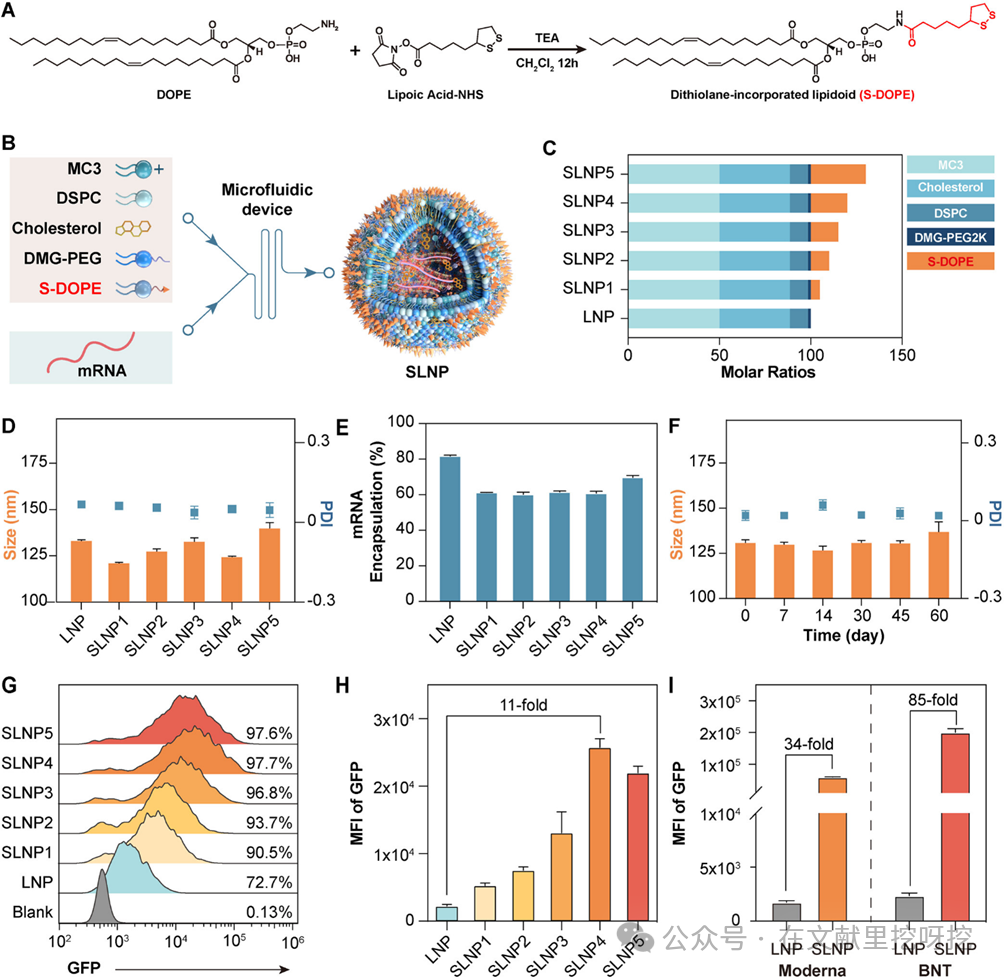
Figure 2. Design, characterization, and in vitro mRNA delivery capability of SLNP
To elucidate the mechanism of SLNP’s efficient delivery, the researchers used Cy5-mRNA to analyze cellular uptake. Flow cytometry and confocal results indicated that SLNP entered cells 2-4 times more efficiently than traditional LNPs within 1-2 hours, with significantly reduced colocalization with lysosomes, suggesting its ability to avoid endosomal entrapment. Further uptake inhibition experiments showed that the thiol blocker DTNB could reduce SLNP-mediated mRNA expression by about 55%, confirming its primary reliance on thiol-mediated uptake pathways, while having little effect on classical endocytic pathways. Membrane fusion FRET experiments indicated that SLNP exhibited stronger membrane fusion capabilities under both neutral and acidic conditions, facilitating transmembrane entry and endosomal escape. This series of results demonstrates that SLNP achieves superior cytoplasmic delivery compared to traditional LNPs through the dual mechanisms of thiol-mediated uptake and enhanced membrane fusion.
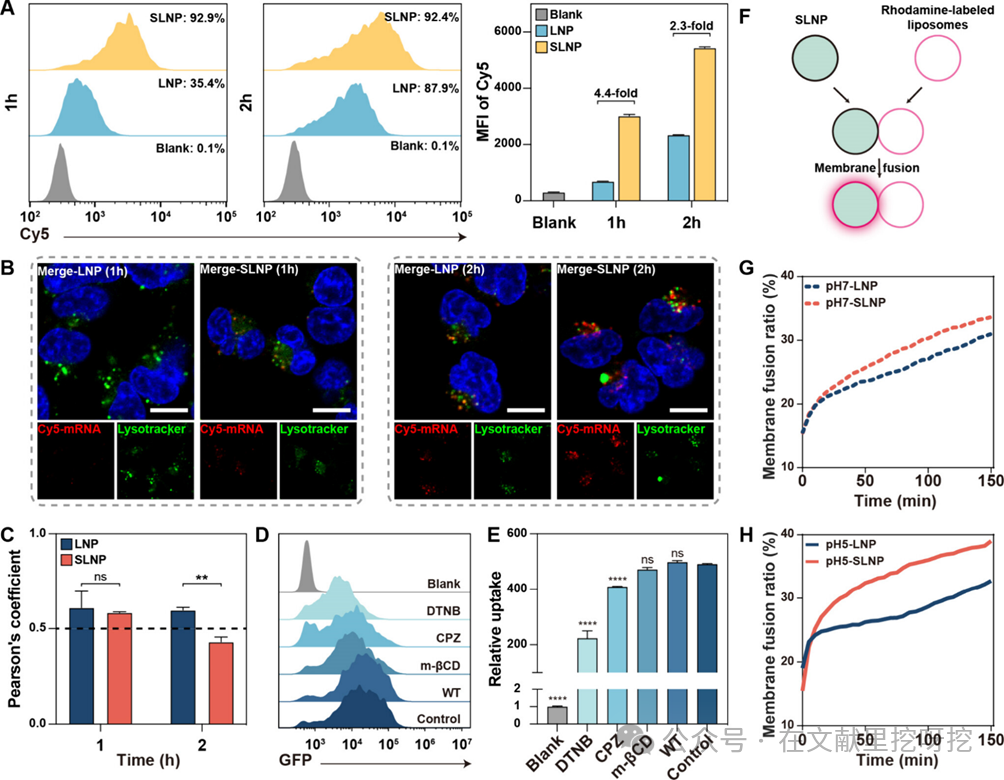
Figure 3. In vitro cellular uptake mechanism of SLNP
After intramuscular injection in mice, Fluc-mRNA-SLNP showed a 4.5-fold increase in in vivo fluorescence intensity compared to traditional LNPs at 3 hours, indicating significantly enhanced mRNA expression efficiency. Tissue distribution showed that SLNP primarily localized at the injection site and draining lymph nodes, with weak signals in distal organs, favoring local antigen expression and immune activation. Further immunization with SARS-CoV-2 Spike-mRNA encapsulated in SLNP showed that a low dose (0.5 μg) of SLNP could induce significant Spike-IgG titers, which further increased after booster immunization. Notably, the neutralizing antibody titers induced by the 0.5 μg dose of SLNP were comparable to those of 10 μg of traditional LNPs, indicating significant dose-saving advantages.
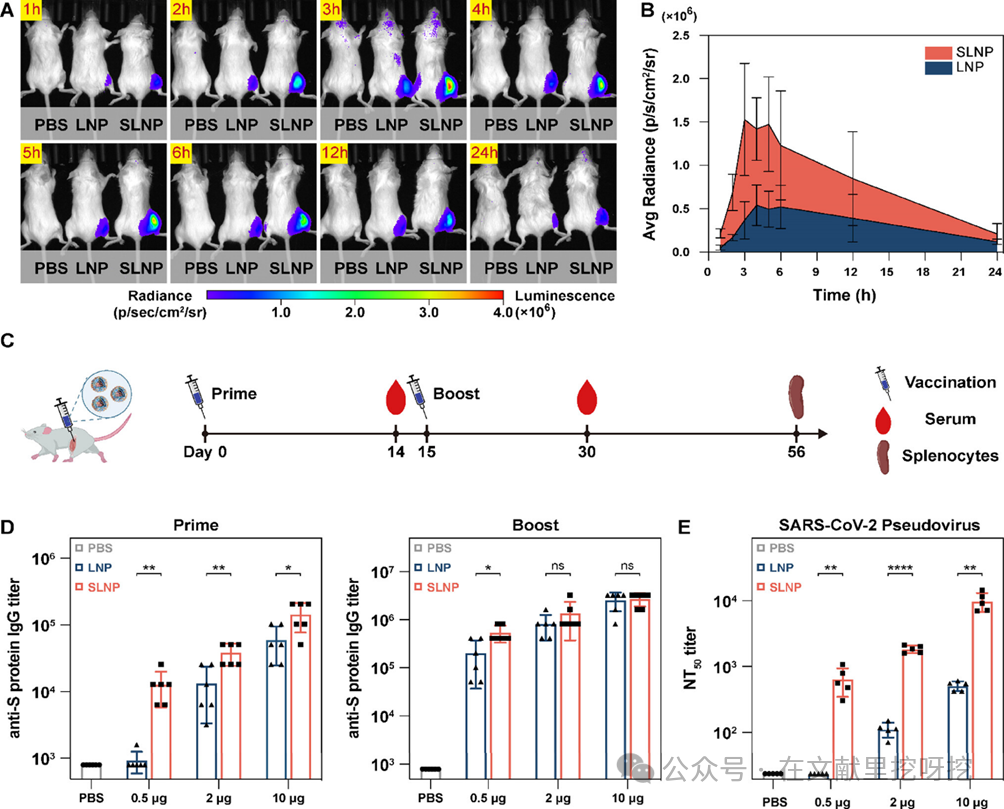
Figure 4. In vivo expression efficiency and humoral immune response of SLNP
ELISpot results indicated that SLNP vaccines could induce high levels of Spike-specific IFN-γ secretion, while IL-4 levels were low, presenting a typical Th1 biased immune phenotype. ICS analysis further showed that in the SLNP treatment group, both CD4⁺ and CD8⁺ T cells produced higher levels of IFN-γ and IL-2, while IL-4 remained at low expression, confirming its ability to enhance antiviral-related cellular immune responses. Compared to conventional LNPs, SLNP exhibited stronger T cell activation capabilities at a dose of 10 μg, suggesting that SLNP not only enhances humoral immunity but also promotes robust cellular immune responses.
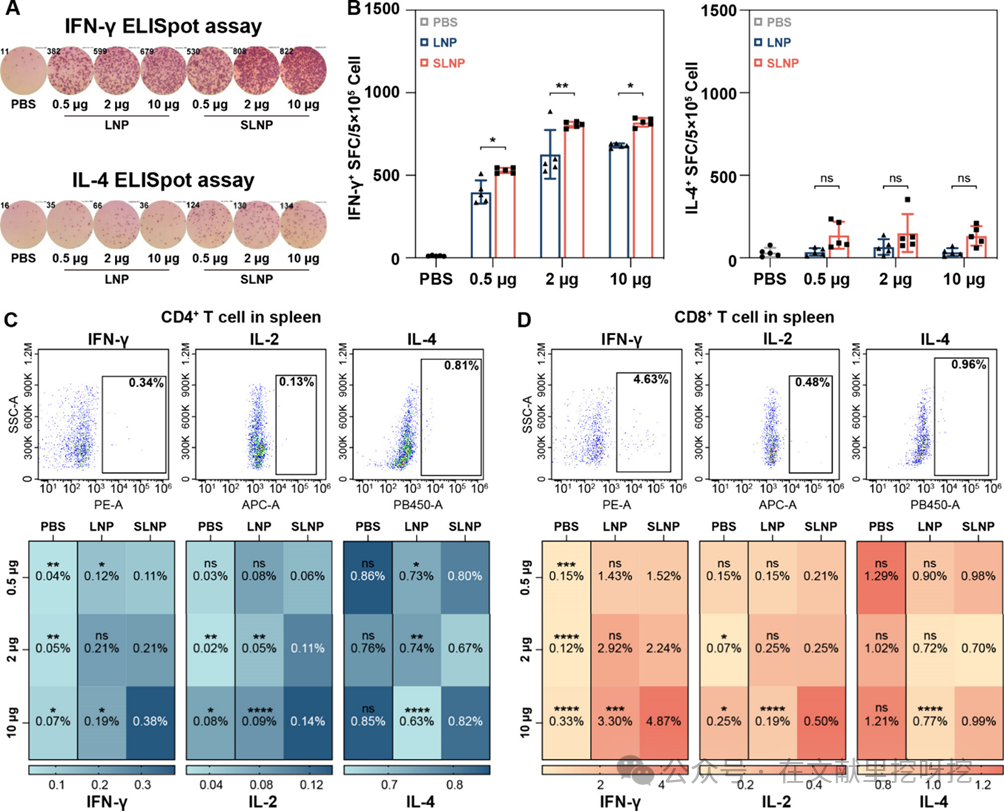
Figure 5. Cellular immune response induced by SARS-CoV-2-mRNA-SLNP vaccination
The researchers evaluated the overall safety of SLNP through tissue pathology and blood biochemical analysis. After intramuscular injection of 10 μg SARS-CoV-2-mRNA-SLNP, no tissue damage or inflammatory responses were observed in major organ tissues 24 hours later. Liver and kidney function-related indicators (ALT, AST, ALP, CREA, UREA, etc.) were similar to those of the PBS control group, with no abnormal fluctuations. Weight monitoring showed only slight temporary weight loss after vaccination, which quickly recovered. Both empty SLNP and mRNA-SLNP showed no organ toxicity after multiple injections, proving that the SLNP lipid system itself has good biocompatibility and can be safely used for multiple-dose immunization.
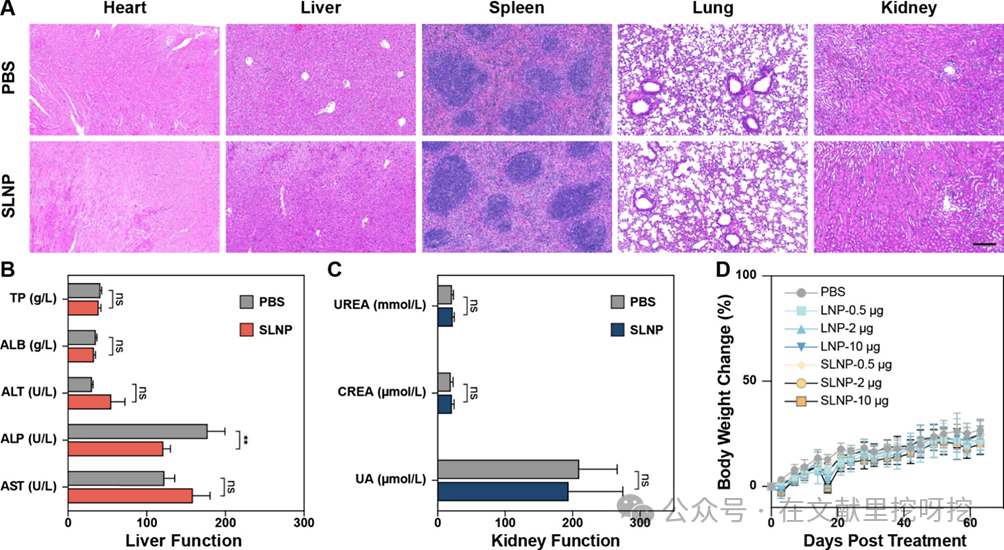
Figure 6. Safety evaluation of SLNP in C57BL/6J mice
Article Information
DOI:https://doi.org/10.1021/jacs.5c05367
Article URL:https://pubs.acs.org/doi/10.1021/jacs.5c05367