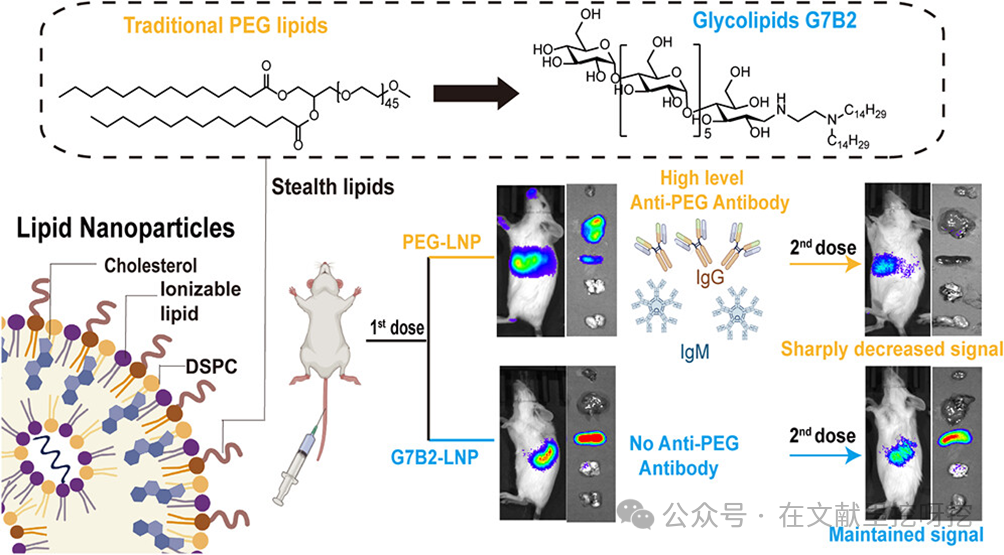
Hello everyone, today I would like to share an important research achievement from the team of Professors Zeng Chen and Wang Peng at Southern University of Science and Technology, in collaboration with Dr. Cheng Hanchao from Shenzhen Polytechnic University. The paper is titled:“Glycolipids Substitute PEG Lipids in Lipid Nanoparticles for mRNA Delivery”, published in the Journal of the American Chemical Society (JACS). This study presents an innovative LNP system (Glycolipid-LNP) that completely replaces PEG lipids with natural glycolipids, which has significant breakthroughs in the field of mRNA therapy and vaccine delivery. Unlike traditional PEG-LNPs, the glycolipid-based LNPs constructed in this study utilize maltotriose (G1-G8) as a hydrophilic head group connected to fatty amines of varying chain lengths, resulting in 11 types of structurally tunable glycolipid materials integrated into standard LNP formulations. The study found that the G7B2 formulation exhibited optimal performance in terms of particle size uniformity, encapsulation efficiency, colloidal stability, and in vivo distribution, completely replacing PEG lipids without affecting the structure and delivery performance of LNPs. More importantly, compared to PEG-LNPs, which induce a large amount of anti-PEG IgM/IgG after repeated injections and lead to the Accelerated Blood Clearance (ABC) effect, glycolipid LNPs maintain extremely low immunogenicity and plasma antibody levels remain almost unchanged after multiple administrations, providing a natural advantage for long-term, stable, multi-dose delivery.. In in vivo experiments, researchers found that G7B2-LNP exhibited unique splenic targeting characteristics, efficiently transfecting splenic macrophages, B cells, and T cells, unlike PEG-LNPs, which primarily distribute in the liver, providing a biological basis for its use as a vaccine carrier. In multi-model validations, including luciferase mRNA, Cre mRNA, and secretory hEPO mRNA, G7B2-LNP demonstrated robust, efficient, and reproducible expression capabilities, significantly outperforming PEG-LNPs, especially achieving remarkable dose retention effects in repeated administration experiments. Furthermore, the research team constructed an mRNA tumor vaccine encoding the OVA antigen based on G7B2-LNP and validated its significant tumor suppression and survival benefits in the B16F10-OVA melanoma model. The G7B2-OVA vaccine not only effectively limited tumor growth but also significantly extended the survival of mice, with no obvious toxic side effects, fully demonstrating its clinical potential as a new generation of low-immunogenicity vaccine platform. This study systematically proves for the first time the feasibility and advantages of constructing LNPs with glycolipids replacing PEG, breaking through the long-standing bottleneck of PEG-induced immunogenicity and delivery attenuation, paving a new technical route for multi-dose treatment of mRNA vaccines and mRNA drugs. Glycolipid-LNPs possess key features such as strong immunological inertness, high delivery stability, significant splenic targeting, and long-term safe use, laying the material and engineering foundation for future personalized vaccines, gene drug delivery, and mRNA therapy for chronic diseases, demonstrating high clinical translation potential.
Research Background
In recent years, mRNA technology has shown great potential in vaccines, protein replacement therapies, and gene editing, gradually becoming a core direction for the development of nucleic acid drugs. mRNA drugs can achieve controllable and reversible protein expression in vivo, with advantages such as rapid production, high safety, and no need to enter the cell nucleus, showing unprecedented application prospects in infectious disease prevention, cancer immunotherapy, and genetic disease treatment. However, mRNA molecules are easily degraded and difficult to cross cell membranes, making efficient, stable, and safe in vivo delivery systems a key bottleneck for mRNA drugs to exert therapeutic effects.
Lipid nanoparticles (LNPs) are currently the most mature and reliable mRNA delivery platform. Centered around ionizable lipids, LNP formulations typically consist of cholesterol, structural lipids, and PEG lipids. In particular, PEG lipids form a hydrophilic protective layer on the particle surface, significantly enhancing the stability and circulation time of LNPs. However, with the widespread application of LNPs in vaccines and therapeutic mRNA, a series of inherent problems with PEG have become increasingly prominent:First, PEG can induce the production of anti-PEG IgM and IgG in vivo, leading to complement activation-related pseudoallergic reactions (CARPA) and causing accelerated blood clearance effects (ABC) during multiple administrations, significantly reducing the effectiveness of subsequent doses; second, the immunogenicity of PEG is highly influenced by the in vivo environment, which may lead to significant individual differences and uncontrollable toxicity; third, in many immunotherapy scenarios, PEG-LNPs primarily accumulate in the liver rather than in immune organs, limiting their role in vaccines and immune regulation.
Therefore, how to replace PEG and construct new LNP materials with low immunogenicity that can adapt to multiple administrations has become a key scientific issue that urgently needs to be addressed in the field of mRNA drugs. In recent years, some studies have attempted to use novel polymers, degradable lipids, or natural macromolecules to replace PEG, but still face challenges such as unknown immunogenicity, complex structures, cumbersome preparation, and poor performance in repeated administration. At the same time, the vast majority of alternative materials cannot simultaneously meet three conditions:1) Maintain the stability and encapsulation capacity of PEG-LNPs; 2) Avoid anti-PEG-like immune responses during repeated injections; 3) Achieve effective delivery to immune organs (such as the spleen). In this context, utilizing natural oligosaccharides as hydrophilic head groups to construct “glycolipids” has become a highly regarded new direction. Oligosaccharides have good biocompatibility, immunological inertness, and tunable hydration properties, theoretically capable of replacing PEG to form stable hydrophilic layers and are expected to improve in vivo distribution. However, whether glycolipids can truly support the structural stability of LNPs, maintain low immunogenicity in multi-dose administration, and achieve superior organ targeting in vivo still lacks systematic research and experimental evidence.
Based on this, the research team proposed to use maltotriose as a hydrophilic structure and fatty amines as hydrophobic tail groups to completely replace PEG lipids through a structurally controllable “glycolipid-LNP” system. The researchers systematically constructed a series of glycolipid molecules and integrated them with standard LNP structures, aiming to achieve the following breakthroughs:(1) Construct a highly hydrophilic and sterically hindered oligosaccharide protective layer to achieve nanoparticle stability equivalent to or better than that of PEG; (2) Significantly reduce immunogenicity, avoiding the production of anti-PEG antibodies and the ABC effect, thus achieving safe multi-dose administration; (3) Optimize in vivo distribution, shifting LNP delivery from traditional liver accumulation to immune-related organs (such as the spleen), providing advantages for vaccine and immunotherapy applications; (4) Fully validate whether glycolipid-LNPs are suitable for various mRNAs, including expression-type (Luc, Cre) and therapeutic-type (hEPO) payloads; (5) Explore their application potential in mRNA tumor vaccines and evaluate their anti-tumor effects and safety.
This research not only addresses the long-standing pain point of decreasing efficiency in repeated administration of PEG-LNPs but also provides a new material solution for the sustainable and safe delivery of mRNA drugs. The strategy of replacing PEG with glycolipids has clear scientific significance and potential clinical translational value, opening a new development direction for RNA drug delivery systems from “empirical stacking” to “molecular engineering design”.
Problems to be Addressed and Research Methods
This study focuses on the long-standing technical bottleneck of high immunogenicity of PEG lipids and decreased efficiency of repeated administration in the field of mRNA delivery. As the clinical application of mRNA vaccines and mRNA drugs rapidly expands,the traditional LNPs using PEG lipids are increasingly exposed to two core issues: (1) The adaptive immune response induced by PEG leads to a rapid increase in anti-PEG antibodies, triggering complement activation-related pseudoallergic reactions (CARPA) and accelerated blood clearance effects (ABC), significantly reducing the effectiveness of repeated administration; (2) Although the shielding layer of PEG can provide stability, its immunogenicity and persistence in vivo limit the use of LNPs in long-term treatments (such as protein replacement therapies and chronic diseases). Therefore, constructing new LNP material systems that completely replace PEG, have low immunogenicity, and possess stable delivery capabilities has become an urgent research demand. The overall goal of this study is todevelop a novel LNP system that replaces PEG lipids with glycolipids, constructing glycolipid-based LNPs (Glycolipid-LNP) with high hydrophilicity, strong stability, and extremely low immunogenicity through molecular engineering, to achieve an efficient, reproducible, and spleen-targeted enhanced mRNA drug delivery platform.
1. Research Objectives and Core Scientific Issues
The study aims to systematically address the key defects of PEG-LNPs in immunogenicity and delivery performance, specifically focusing on the following scientific questions:
(1) How to find surface modification materials that can completely replace PEG and have better biocompatibility?
The high hydrophilicity of PEG is difficult to replace directly, and researchers propose to use natural oligosaccharide chains to construct glycolipid structures to simulate the hydration layer and steric hindrance functions of PEG while avoiding immune recognition.
(2) How to avoid anti-PEG IgM/IgG induced by PEG?
Research needs to verify whether glycolipids truly possess “immunological inertness” and observe whether they can avoid the ABC effect after repeated injections, maintaining stable expression in multiple administrations.
(3) How to enhance the organ-selective delivery capability of LNPs?
Traditional PEG-LNPs primarily accumulate in the liver, while many vaccines or immunotherapies rely more on immune organs such as the spleen, thus the research focus is on:
Utilizing the surface structure of glycolipids to regulate the organ distribution of LNPs, achieving splenic delivery.
(4) Can the new glycolipid-constructed LNPs be compatible with various mRNA drugs and maintain delivery efficacy?
The research team needs to evaluate their delivery performance for various payloads, including luciferase mRNA, Cre mRNA (gene editing model), and hEPO mRNA (secretory protein model).
(5) Can the immunotherapeutic value of glycolipid-LNPs be validated in tumor vaccines?
Using the OVA mRNA vaccine model, investigate whether the new materials can support effective tumor control and survival benefits.
2. Research Strategy and Overall Design
This study adopts an overall strategic framework of “glycolipid molecular design → LNP structural optimization → immunogenicity assessment → multi-model in vivo validation”, combining material chemistry, nano-drug engineering, and immunological methods to establish a new PEG replacement system.
(1) Glycolipid Molecular Design and LNP Construction (Glycolipid Molecular Engineering)
The research uses a “one-pot Borch reduction amination” method to couple maltotriose (G1-G8) with different chain-length diamines (C12-C18), constructing 11 types of glycolipids (GxBy). Through structural screening, it was found that head groups containing six to eight sugars (G6-G8) can form stable LNPs with a particle size of 160-180 nm and PDI<0.2; encapsulation efficiency>90%, equivalent to replacing DMG-PEG2000; with a more negative ζ-potential and better colloidal stability; based on particle size, potential, and encapsulation efficiency, G7B2 was identified as the optimal glycolipid candidate. These results indicate that glycolipids can completely replace PEG lipids while maintaining the stable structure and high encapsulation capacity of LNPs.
(2) Delivery Mechanism Analysis and Cellular Level Evaluation (Mechanistic Evaluation of mRNA Delivery)
The research team used Cy5-labeled mRNA, mCherry/EGFP reporters, and other models to evaluate the delivery effect of G7B2-LNP in various cells. The results showed that efficient cytoplasmic localization was observed, with expression levels increasing in a dose-dependent manner, and transfection efficiency reaching 95%. In the Ai9-Cre system, G7B2-LNP induced about 7% of macrophages to produce functional gene editing signals, proving its delivery effectiveness and biological activity.
(3) In Vivo Biodistribution and Organ Targeting (In Vivo Biodistribution and Organ Targeting)
After intravenous injection, G7B2-LNP exhibited unique splenic targeting capabilities: splenic signals were stronger than those in the liver, effectively transfecting macrophages, B cells, and T cells, maintaining stable splenic enrichment within 6-24 hours. This sharply contrasts with PEG-LNPs (which primarily accumulate in the liver), demonstrating that the glycolipid surface structure significantly alters the in vivo distribution trajectory.
(4) Immunogenicity & Repeat Dosing Performance
To address the immunogenicity issue of PEG, the researchers conducted systematic immunological assessments on G7B2 LNPs: PEG-LNPs: After 1-2 injections, anti-PEG IgM/IgG rapidly increased, with expression dropping by over 93% after the second injection. G7B2-LNP: The levels of anti-PEG and anti-G7B2 antibodies remained stable without increase, with expression only decreasing by 20%, 38%, and 46% after the second, third, and fourth deliveries, respectively, indicating that it can completely avoid the ABC effect induced by PEG. Further validation using hEPO mRNA showed that G7B2’s expression decline after multiple injections was significantly less than that of PEG (11% vs 50%). These results demonstrate that glycolipids significantly enhance the repeat dosing capability of LNPs.
(5) Tumor Treatment Validation Based on OVA mRNA Vaccine (mRNA Cancer Vaccination)
To confirm the application potential of glycolipid-LNPs in immunotherapy, the researchers constructed the G7B2-OVA vaccine and used it in the B16F10-OVA melanoma model. The main results include: G7B2-OVA significantly inhibited tumor growth, markedly extended animal survival, and showed no significant weight or tissue toxicity. This proves that glycolipid-LNPs can not only replace PEG but also serve as an efficient and safe mRNA vaccine platform.
Innovations
1. Proposed the construction of a “glycolipid-LNP” system using natural oligosaccharides as hydrophilic head groups, serving as a comprehensive alternative to PEG.
The research team systematically constructed 11 types of glycolipid molecules through structurally controllable combinations of maltotriose head groups and fatty amine tail groups, achieving steric hindrance and hydration protection functions similar to PEG lipids. This is the first complete strategy proposed from the perspective of material molecular engineering to “replace PEG with natural glycolipids”, providing a new path to address the immunogenicity issues of PEG.
2. Glycolipid-LNPs exhibit extremely low immunogenicity, completely avoiding the anti-PEG antibody and ABC effects induced by PEG.
In stark contrast to the strong immunogenicity of PEG-LNPs, glycolipid-LNPs do not induce antibody production, do not trigger complement activation, and almost do not produce accelerated blood clearance effects after multiple injections. This is the most critical and challenging validation for PEG-replacement materials, providing realistic possibilities for multi-dose mRNA therapies.
3. Discovered that glycolipids can significantly alter the in vivo distribution of LNPs, achieving a unique “spleen-targeting” effect.
Unlike traditional PEG-LNPs, which primarily accumulate in the liver, G7B2-LNP shows significant splenic distribution enhancement in vivo, efficiently transfecting macrophages, B cells, and T cells. This provides natural advantages for vaccines, immunotherapy, and gene regulation drugs.
4. Constructed a structurally controllable glycolipid-LNP library and screened the optimal formulation G7B2, achieving high stability and high encapsulation efficiency.
Systematically compared the effects of different sugar chain lengths and hydrophobic tail combinations on LNP structural stability, particle size, ζ-potential, and encapsulation efficiency, ultimately determining G7B2 as the optimal structure, characterized by: particle size of 160-180 nm, PDI<0.2, encapsulation efficiency>90%, superior to the colloidal stability of PEG.
5. Glycolipid-LNPs support efficient delivery of various types of mRNA, including luciferase, Cre, and secretory hEPO.
The research shows that glycolipid-LNPs not only efficiently express reporter mRNA but also achieve functional Cre transfection and stable secretion of hEPO, with repeat dosing expression stability far exceeding that of PEG-LNPs (PEG’s second injection expression dropped by 93%, while glycolipid only dropped by 20%).
6. The OVA mRNA tumor vaccine based on glycolipid-LNPs significantly inhibits tumors and extends survival, validating its immunotherapeutic potential.
As a PEG-free LNP vaccine platform, G7B2-OVA achieved significant tumor growth inhibition and extended survival in the B16F10-OVA melanoma model, with no significant toxic side effects, demonstrating its clinical potential as a next-generation mRNA vaccine carrier.
7. The groundbreaking concept of a “PEG-free LNP platform” provides a sustainable and repeatable material basis for future RNA drugs.
This research not only replaces PEG but also fundamentally addresses the most critical obstacles of PEG-LNPs in mRNA therapy—immunogenicity and repeat dosing failure, which has revolutionary significance for chronic diseases, long-term protein expression, and phased therapies.
Research Content
The researchers first constructed a glycolipid-based LNP platform for mRNA delivery based on the strategy of replacing PEG lipids. The team successfully prepared 11 types of structurally tunable glycolipid molecules by coupling maltotriose (G1-G8) with diamines of different alkyl chain lengths (C12-C18) using a one-pot Borch reduction amination reaction. The glycolipid represented by G7B2 can efficiently self-assemble into stable LNPs, completely replacing 1.5 mol% PEG lipids while maintaining the proportions of ionizable lipids, cholesterol, and DSPC in the Moderna standard LNP formulation. Particle size characterization showed that glycolipids with six sugars and above (G6-G8) can form uniform nanoparticles of 160-180 nm and PDI<0.2, while G1-G5 exhibited particle sizes of >200 nm and PDI>0.3. Encapsulation experiments indicated that G6-G8 LNPs can achieve >90% mRNA encapsulation efficiency, consistent with the standard DMG-PEG2000. The more negative ζ-potential of G7B2 LNP further demonstrates that the sugar head group provides effective steric shielding and colloidal stability. The above results indicate that glycolipids can serve as ideal replacements for PEG, achieving comprehensive reconstruction of LNP structural stability and hydrophilic protective layers.
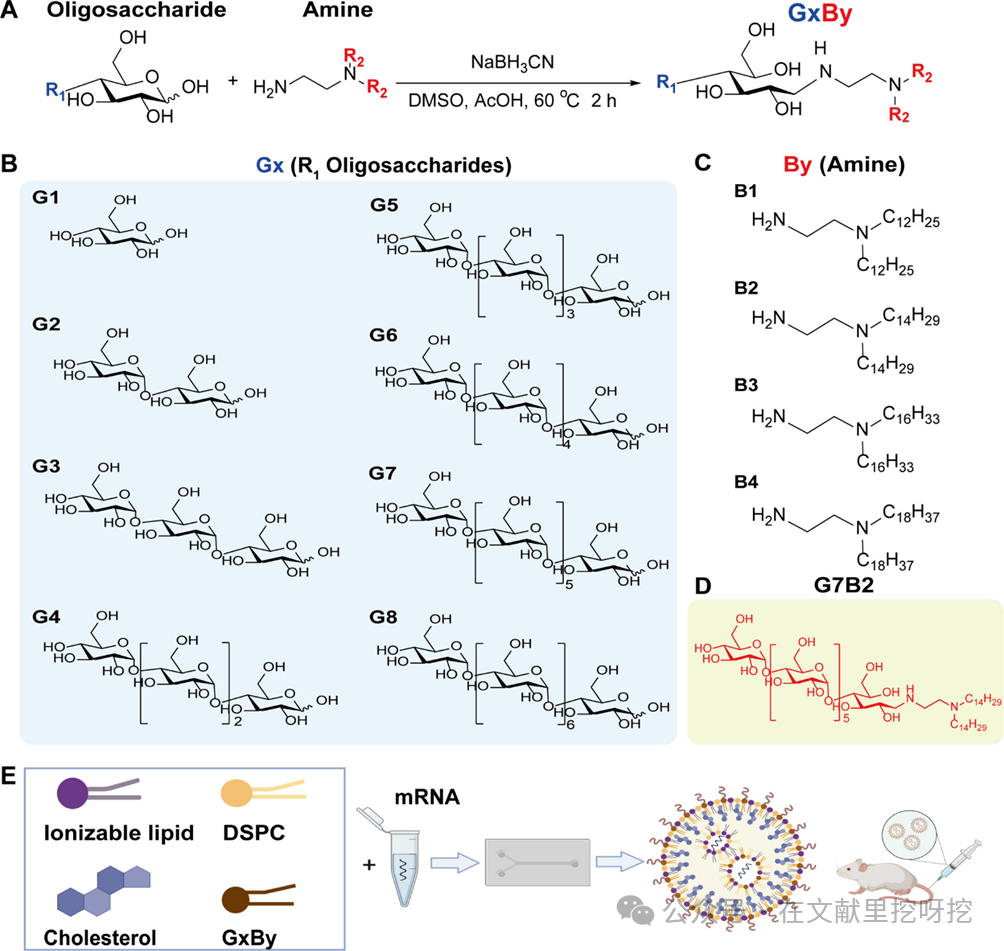
Figure 1. Synthesis and structural overview of glycolipid-based LNPs for mRNA delivery.
When validating in vivo delivery effects, the researchers encapsulated luciferase-encoding mRNA in different glycolipid LNPs and administered them to mice via intravenous injection. The results showed that G6B2, G7B2, and G8B2 LNPs achieved significant in vivo expression. Notably, G7B2 LNP exhibited strong luciferase signals in the spleen, while traditional PEG LNPs primarily distributed in the liver, indicating that glycolipid modifications impart unique splenic targeting to LNPs. Further changes in the hydrophobic tail length (G7B1, G7B3, G7B4) still showed G7B2 with the best delivery efficiency. Pharmacokinetic results indicated that G7B2 maintained significant splenic enrichment within 6-24 hours post-injection. Flow cytometry analysis confirmed that G7B2 primarily transfected splenic macrophages (about 19.9%), followed by B cells (11.37%) and T cells (2.85%). In Ai9 mice, G7B2 LNP encapsulating Cre mRNA induced about 7% of macrophages to express tdTomato, proving its high cellular delivery and functional expression capabilities. These results indicate that G7B2 LNP has unique splenic delivery advantages, providing potential application value for vaccines and immunotherapy.
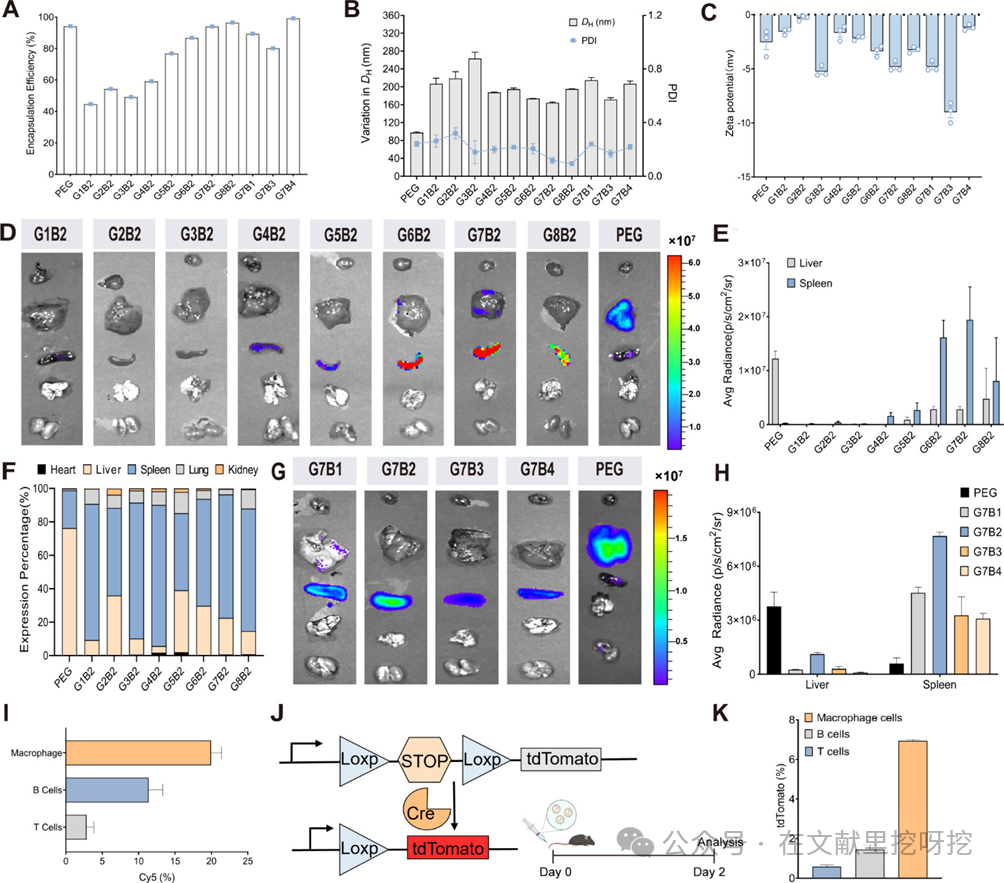
Figure 2. In vivo efficacy of glycolipid-incorporated LNPs for mRNA delivery.
To assess the impact of replacing PEG on immunogenicity, the researchers conducted multiple intravenous injections in mice and monitored anti-PEG antibody levels in ELISA. The PEG LNP treatment group showed significant increases in anti-PEG IgM and IgG after 2 injections, persisting for at least 4 weeks; whereas the levels of anti-PEG and anti-G7B2 IgM/IgG in G7B2 LNPs remained unchanged, demonstrating extremely low immunogenicity. To further investigate whether immune responses affect delivery efficiency, the researchers repeated injections of luciferase mRNA. After the second injection, the in vivo expression of PEG LNPs dropped by 93%, while G7B2 LNPs only dropped by 20%, with the third and fourth injections showing declines of 38% and 46%, respectively, indicating significantly more durable delivery capabilities. Further validation using secretory hEPO mRNA showed that G7B2 LNP’s expression decline after the second and fourth doses was only 11% and 43%, while PEG LNPs dropped by 50% and 87%, respectively. The above results clearly demonstrate that glycolipid modifications can completely avoid PEG-related accelerated clearance effects (ABC), significantly enhancing stable expression during repeated dosing.
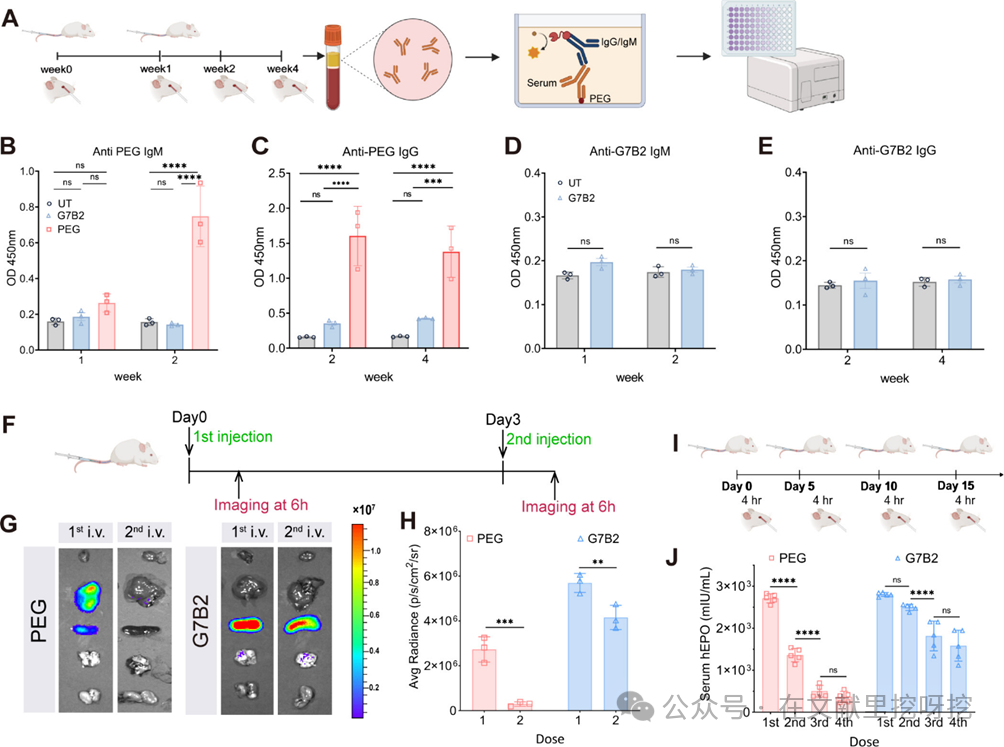
Figure 3. Evaluation of anti-PEG antibody levels and in vivo efficacy of hEPO or luciferase mRNA encapsulated in LNPs after repeated intravenous dosing.
When validating its potential as a vaccine carrier, the research team constructed the G7B2-OVA mRNA vaccine encoding the OVA antigen and used it in the B16F10-OVA melanoma model. After three vaccine injections on days 6, 9, and 12 of treatment, the G7B2-OVA group showed significantly controlled tumor growth, with tumor volumes significantly reduced compared to PBS and G7B2-Luc control groups, comparable to the effects of the PEG-OVA group. Endpoint tumor weights further confirmed its inhibitory effects, with mice maintaining stable body weight and no significant toxicity observed. Additionally, G7B2-OVA significantly extended the survival of mice, reflecting its effectiveness and safety as a PEG-replacement LNP vaccine platform.
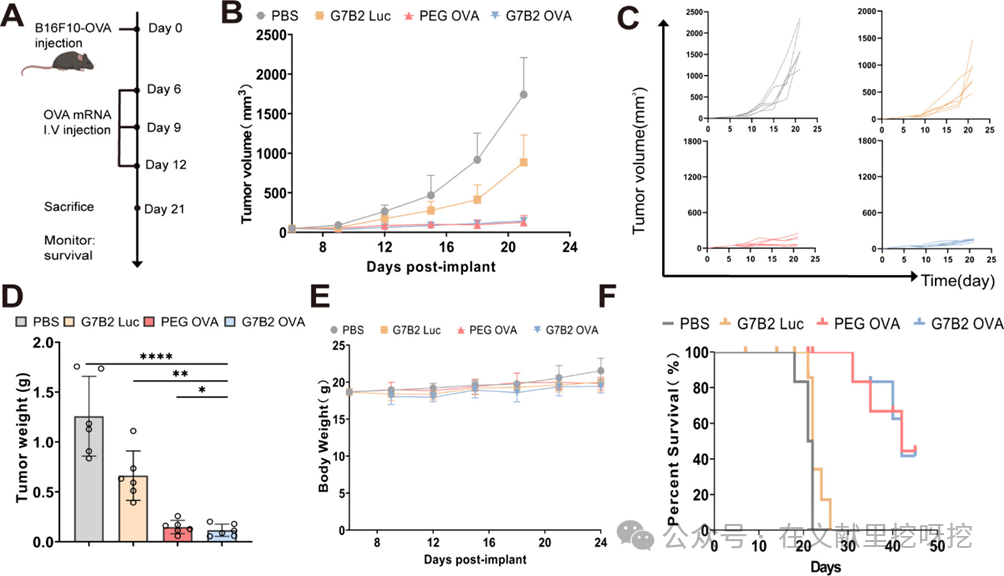
Figure 4. Evaluation of the anti-tumor efficacy of the G7B2 LNP delivering the OVA mRNA vaccine.
Article Information
DOI: https://doi.org/10.1021/jacs.5c16448
Article URL: https://pubs.acs.org/doi/10.1021/jacs.5c16448