In today’s era, energy issues have become a key topic for global development. With global energy consumption expected to increase by 40% over the next 25 years, the demand for smart energy solutions has reached unprecedented heights. In this context, smart energy has emerged, transforming existing energy sources such as electricity, water, heat, and gas from a unidirectional operation to a more efficient working model, primarily managed through Internet + energy services, characterized by intelligence, efficiency, extensive interconnectivity, and low carbon emissions. The rapid development of IoT technology has injected strong momentum into the smart energy sector, bringing about numerous transformations.
IoT Technology: The Core Driving Force of Smart Energy
Real-time Accurate Monitoring, Insight into the Energy System
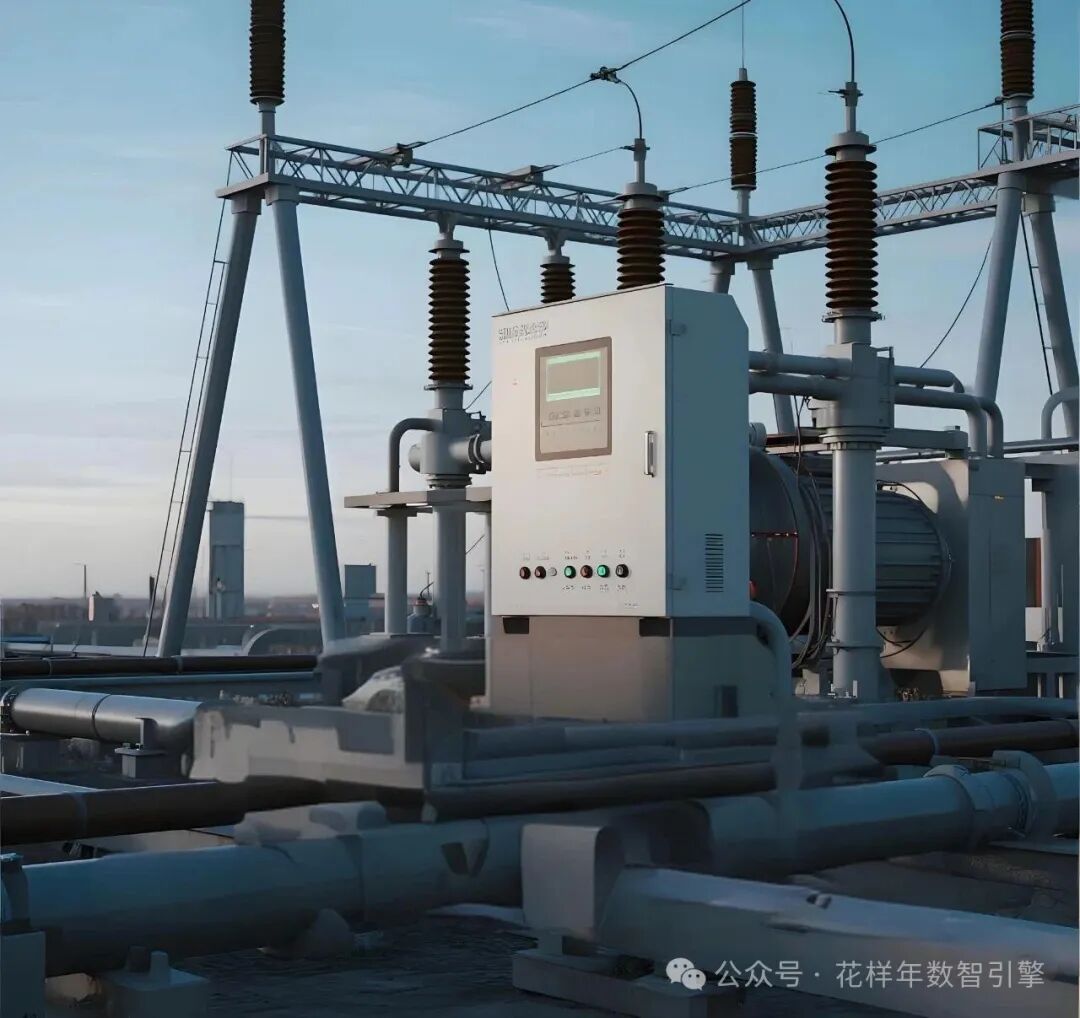
IoT technology equips smart energy systems with a keen “perceptive nerve.” A large number of sensors are deployed across various stages of energy production, transmission, storage, and consumption. For instance, in power plants, sensors monitor operational parameters such as temperature, pressure, and vibration in real-time. If any data anomalies occur, the system can immediately issue alerts to notify maintenance personnel for timely intervention, effectively avoiding downtime caused by equipment failures and significantly enhancing the stability of energy production. According to relevant data, real-time monitoring through IoT can achieve a fault warning accuracy rate of over 90%, reducing unplanned downtime by 60%.
In power transmission networks, IoT technology also plays a crucial role. Smart meters utilize NB-IoT narrowband wide area network communication technology and cloud platforms to enable remote meter reading, allowing power companies to grasp users’ electricity consumption in real-time. Moreover, by analyzing massive amounts of electricity consumption data, patterns can be identified, predicting peak and low electricity usage, providing strong support for power dispatching. The application of this technology enables power companies to allocate electricity more accurately, reducing line losses and improving power transmission efficiency.
Intelligent Optimization Scheduling, Enhancing Energy Utilization Efficiency
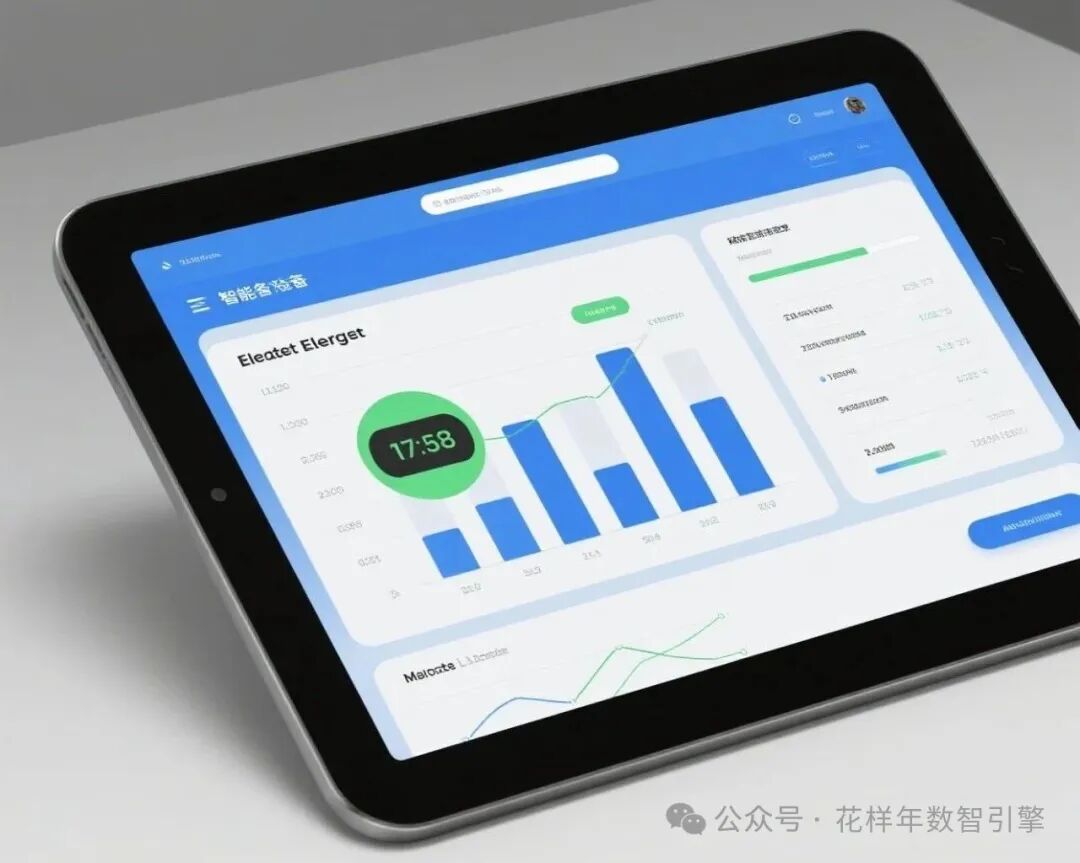
IoT technology enables intelligent optimization scheduling of energy systems. By deeply connecting energy systems with IoT systems, the system can automatically adjust energy production and distribution strategies based on real-time energy supply and demand. For example, in smart grids, when electricity demand in a certain area suddenly increases, the system can quickly sense this and automatically allocate power from nearby power plants or release energy from storage devices to meet the demand. Additionally, the system can guide users to adjust their electricity usage behavior based on price differences at different times, achieving peak shaving and valley filling, thereby improving the overall operational efficiency of the grid. It is predicted that by 2030, smart grids could reduce air pollution by 30%, effectively contributing to environmental protection.
In the industrial sector, IoT technology assists enterprises in achieving refined energy management. Companies can monitor energy consumption in real-time across various production stages through energy management systems, utilizing advanced algorithms to analyze data and identify key areas of energy consumption and optimization potential. For instance, a steel company introduced an IoT energy management system to analyze and optimize the operational data of critical equipment such as blast furnaces, adjusting production process parameters, resulting in a 12% reduction in energy costs.
In-depth Data Analysis, Uncovering Energy Management Potential
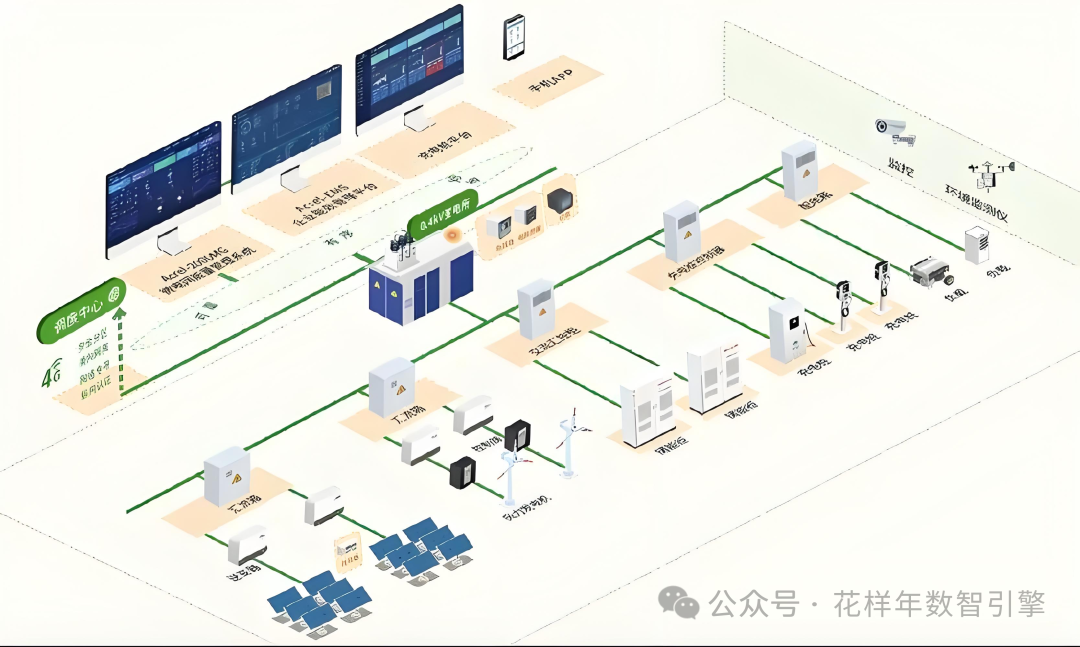
IoT technology makes the collection and analysis of energy data more efficient and in-depth. Energy equipment generates massive amounts of data during operation, and through IoT technology, this data can be collected and transmitted to the cloud for storage and analysis in real-time. By mining this data, energy companies can gain valuable insights. For example, by analyzing operational data from equipment, companies can predict maintenance cycles, schedule maintenance in advance, reduce equipment failure rates, and lower maintenance costs. Additionally, by analyzing energy consumption data, companies can identify wasteful practices and develop targeted energy-saving measures.
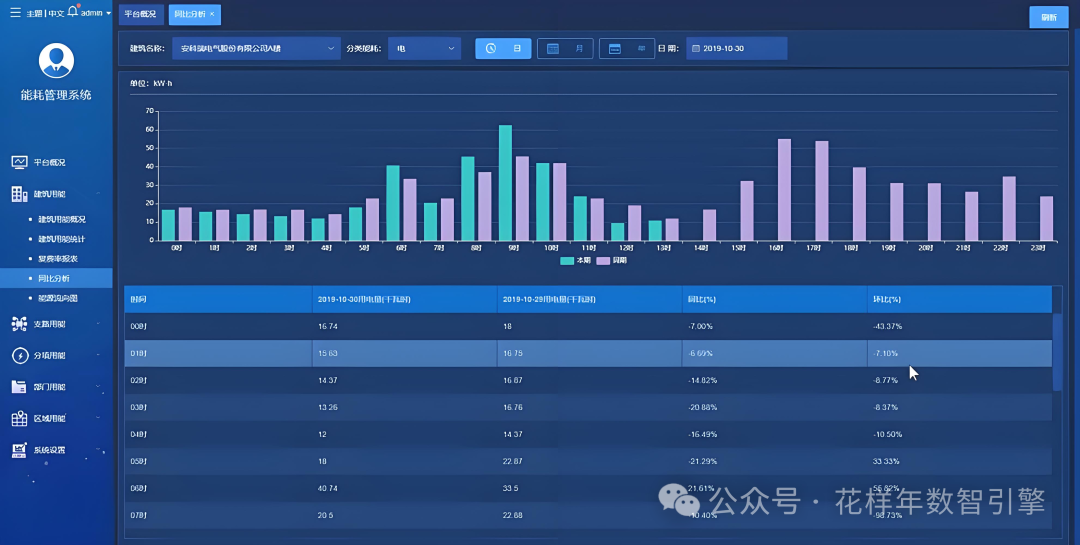
In the building sector, IoT energy management systems can collect real-time energy consumption data from lighting, air conditioning, elevators, and other equipment within buildings. Through data analysis, high energy consumption areas and devices can be identified, providing a basis for energy-saving renovations. For instance, a commercial complex discovered that air conditioning accounted for over 40% of total energy consumption during summer through its IoT energy management system. By optimizing control of the air conditioning system, such as adjusting temperature settings and optimizing fan speeds, annual electricity costs were reduced by over 15%.
Successful Cases of IoT and Smart Energy Integration
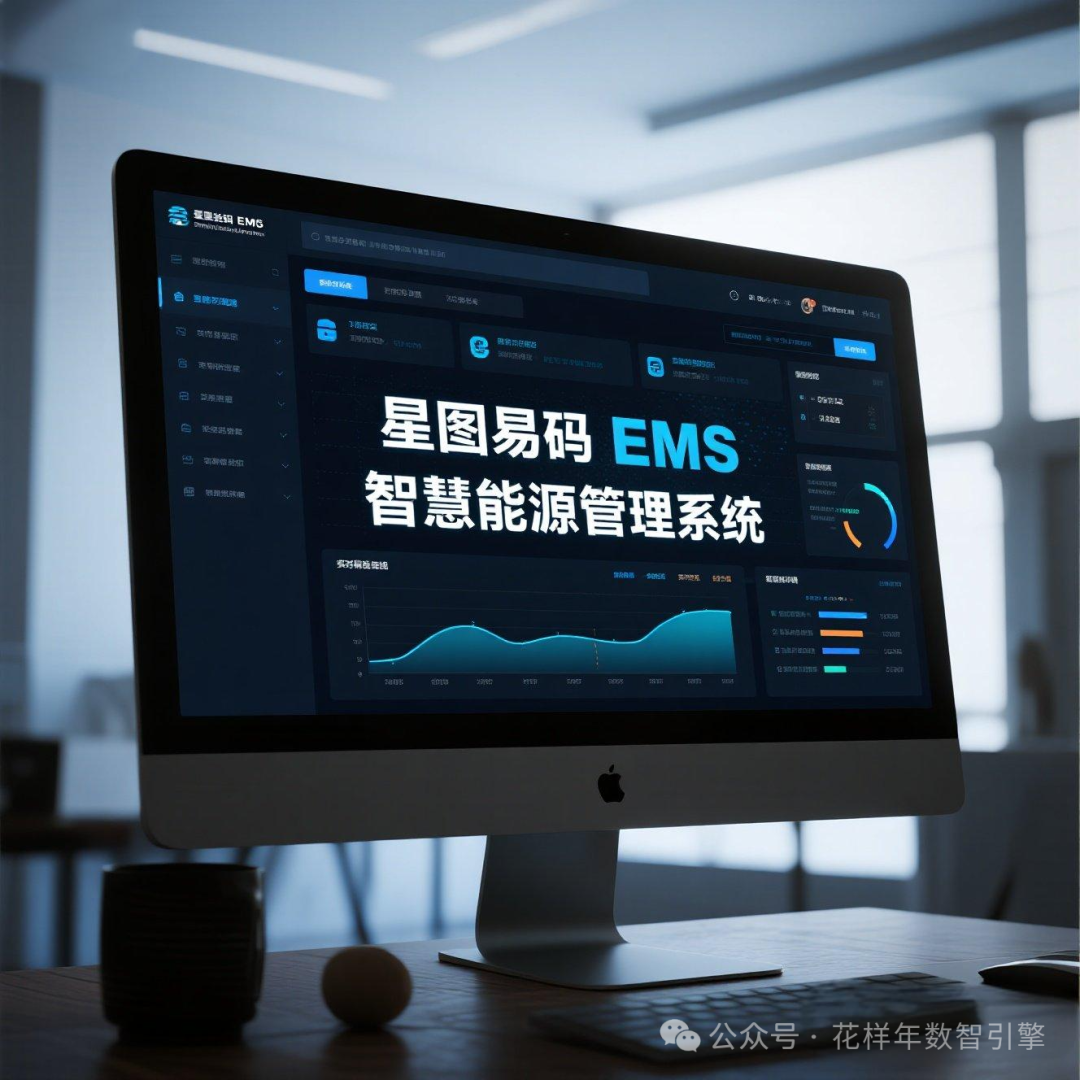
StarMap Easy Code EMS Smart Energy Management System
Driven by the dual goals of “dual carbon” and digital transformation, enterprise energy management faces numerous challenges. The StarMap Easy Code DevMate.EMS energy management system has emerged, built on a standard IoT platform, integrating data collection, real-time monitoring, energy consumption statistics, optimization control, and comprehensive analysis. By monitoring and statistically analyzing energy consumption of water, electricity, gas, cooling, and heating in real-time, enterprises can clearly understand their energy usage and the operational status of equipment efficiency. With efficient model algorithms and good control strategies, the system can identify points for improving energy efficiency, optimizing energy distribution and consumption, helping enterprises reduce operational costs and enhance energy utilization efficiency. Currently, this system has been applied in various fields such as industrial factories, buildings and parks, power and new energy, and smart hospitals, achieving significant results.
Yunling Intelligent Satellite IoT Applications in the Energy Sector
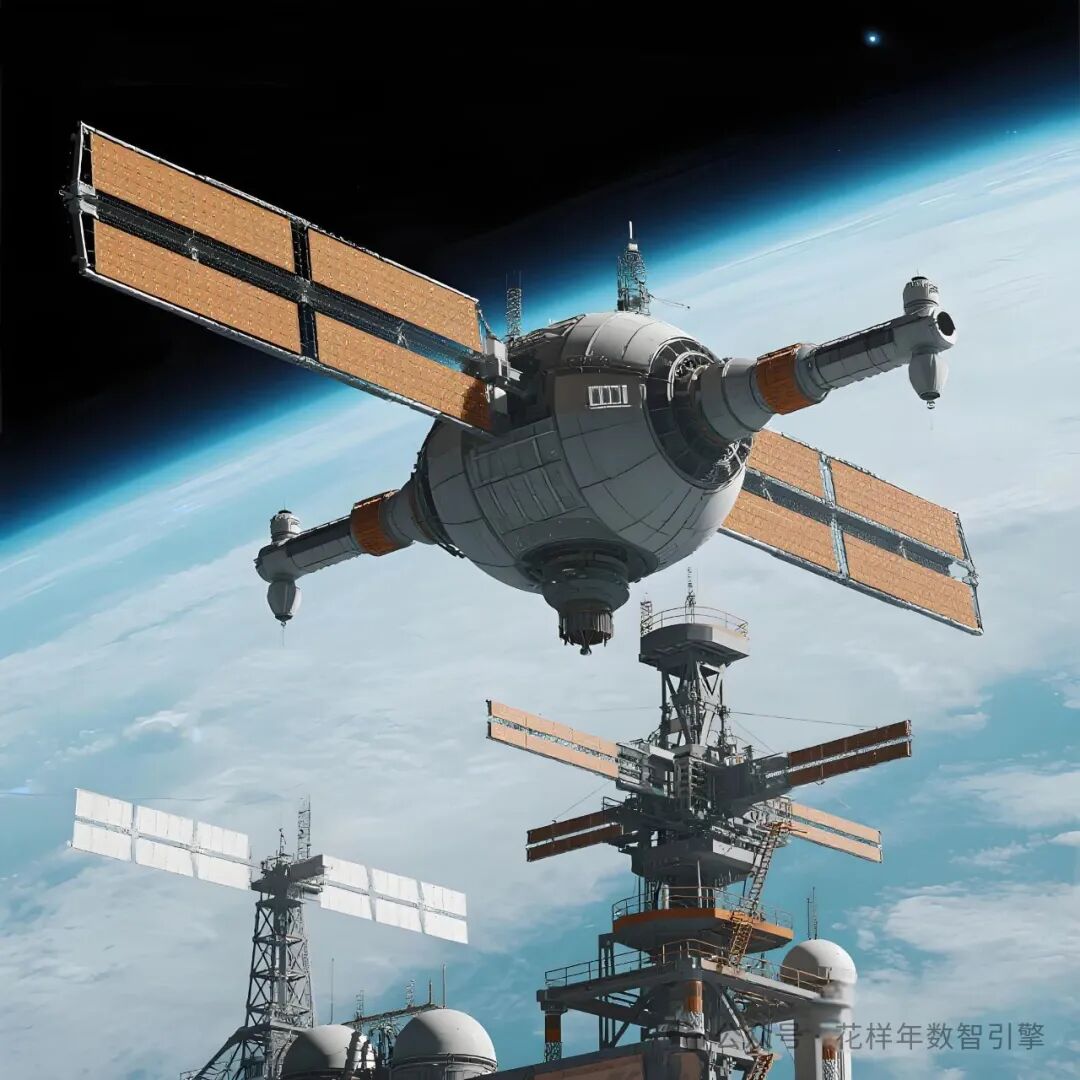
The Yunling Intelligent Satellite IoT, based on a “low-orbit satellite + AIoT” technology architecture, brings new solutions for remote monitoring and intelligent management in the energy sector. In power inspection scenarios, its high-precision positioning and hazard warning functions perform excellently. In border patrols in Tibetan areas, the equipment continuously transmitted 4K video for 72 hours with a trajectory error of less than 0.5 meters; through Beidou short messages, it can also achieve second-level emergency signal return, improving flood rescue response speed by 30%. In oil and gas pipeline monitoring, this technology covers desert areas, with long-distance pipeline inspection data automatically returned daily via short messages, reducing manual verification costs by 40%; combined with gas sensors and thermal imaging, it can detect leaks in real-time, synchronously returning abnormal event locations and environmental data, improving disposal efficiency by 50%. In new energy station management, Beidou grid positioning quickly marks faulty panels or wind turbines, improving maintenance efficiency by 30%; using 5G network slicing technology, independent bandwidth is allocated for critical commands, compressing transmission delays to under 20ms. The application of Yunling Intelligent Satellite IoT significantly enhances operational efficiency in the energy sector and reduces safety risks.
Future Outlook: The Infinite Possibilities of IoT and Smart Energy
Looking ahead, the integration of IoT and smart energy will showcase broader prospects. With continuous technological advancements, IoT devices will become more intelligent, compact, and low-power, and costs will further decrease, making the application of IoT technology in the smart energy sector more widespread and in-depth.
In the energy production stage, IoT technology will assist in the development and utilization of new energy. For example, in wind farms and solar power plants, IoT technology can monitor changes in natural conditions such as wind and sunlight in real-time, as well as the operational status of power generation equipment, optimizing control strategies to improve the efficiency and stability of new energy generation. Additionally, IoT technology can enable remote operation and maintenance of energy production equipment, reducing operational costs and enhancing equipment reliability.
In the energy consumption stage, IoT technology will promote the development of smart homes, smart buildings, and smart transportation. Smart home systems can automatically control the operation of household appliances based on users’ living habits and real-time needs, achieving rational energy utilization. Smart buildings can utilize IoT technology to intelligently control lighting, air conditioning, and ventilation systems within buildings, reducing energy consumption. In the smart transportation sector, IoT technology will enable bidirectional interaction between electric vehicles and the grid, optimizing charging strategies to enhance grid stability while reducing users’ charging costs.
Furthermore, the integration of IoT and smart energy will also promote innovative development in the energy market. Through IoT technology, energy suppliers can gain a more precise understanding of users’ energy needs, providing personalized energy services and packages. At the same time, energy trading platforms will become more intelligent, enabling real-time trading and optimized allocation of energy.
IoT technology has brought revolutionary changes to the smart energy sector, significantly improving energy utilization efficiency, reducing energy consumption and environmental pollution, and making important contributions to sustainable development. As the integration of the two deepens, we have reason to believe that smart energy will dominate the energy sector in the future, creating a better living environment for humanity. Let us look forward to the collaboration between IoT and smart energy, opening a new chapter in the energy field.