Recently, my friend Xiao Wang almost had a serious accident: while driving on the highway in the rain, he noticed a “slip control” button near the steering wheel and pressed it out of curiosity. As a result, when he changed lanes, the car suddenly skidded sideways, almost crashing into the guardrail. Fortunately, he reacted quickly and hit the brakes. After getting out of the car, he realized that it was the “ESP Off” button, which disabled the vehicle’s stability control system. Another colleague, Xiao Li, saw the tire pressure warning light on but didn’t check the tires. Instead, he pressed the “TPMS Reset” button, and after driving 50 kilometers, the right rear tire blew out due to being flat, costing him 2000 for repairs.
Data from a chain auto repair shop in 2025 is even more alarming: in the first half of the year, 35% of faults were caused by “pressing the wrong key”, with 48% due to accidentally turning off the ESP and 32% due to mistakenly pressing the tire pressure reset. The average repair cost exceeded 1500 yuan per incident. Many people, upon seeing unfamiliar buttons in the car, are curious and press them without realizing that these two buttons are “critical safety keys”. Randomly pressing them not only costs money but can also put oneself in danger—these buttons are not just decorations, nor are they “toys to press at will”!
Honestly, every time I hear about someone suffering because they pressed these two buttons randomly, I feel both angry and anxious! Have you ever been in a situation where you got into the car, stared at the buttons on the center console and steering wheel, and thought, “I wonder what happens if I press this?” But do you know that pressing the ESP button incorrectly can make driving in rain or snow feel like “ice skating”? Pressing the tire pressure reset button incorrectly can mean you won’t even know your tire is flat, doubling the risk of a blowout on the highway!
Xiao Wang later told me, “At that moment, I thought the icon looked fun, and shortly after pressing it, the car started skidding. I still feel scared thinking about it!” Xiao Li regretted even more: “If I hadn’t pressed the reset button and had checked the tires when the warning light came on, I wouldn’t have had a blowout and spent 2000 on repairs.” Today, I will break down these two “buttons you must not press randomly”, explaining what they are, the consequences of pressing them incorrectly, and when you should actually press them. Remember, don’t create trouble for yourself out of curiosity or carelessness!
ESP Off Button — Don’t Press Randomly! Pressing it is like losing your “stability shield”! First, let me help you recognize this button: it is usually located on the left side of the steering wheel or on the center console, with an icon of “a small car with curves next to the wheels” (like the car is skidding). Some cars label it as “ESP OFF”. ESP stands for “Electronic Stability Program”, which simply means that “when the car is about to skid, it helps you maintain control”—for example, when changing lanes in the rain or starting on snow, if the wheels are about to skid, ESP will automatically brake and adjust power to prevent the car from veering off course.
However, if you press this button randomly and turn off the ESP (the button light will be on when it’s off), the car loses its “stability shield”! This is exactly what happened to Xiao Wang; he turned off the ESP on the highway in the rain, and when he changed lanes, the wheels skidded, causing the car to drift towards the guardrail. Fortunately, he didn’t jerk the steering wheel, or he would have crashed. There was an even worse case: someone turned off the ESP in winter, and when starting, the wheels skidded, causing the car to crash into the curb, damaging the wheel and costing 3000 for repairs!
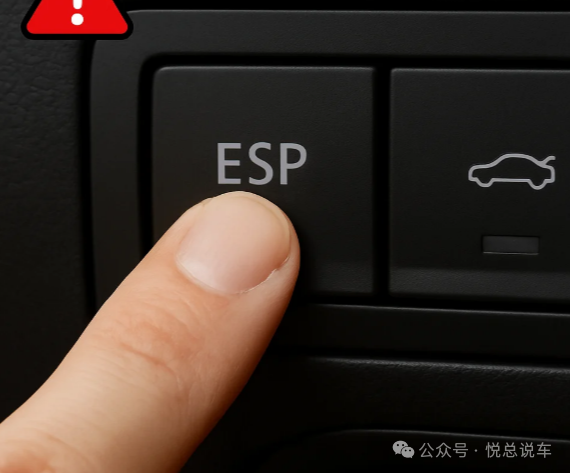
So when should you press the ESP Off button? Only in one situation: when the car is stuck in mud or snow and the wheels are spinning without getting out, turning off the ESP can give the wheels more power to help you get unstuck. Other than that, whether it’s rainy, snowy, or sunny, keep the ESP on (the button light should not be on to indicate it’s on)! Remember: if you see this button, don’t touch it! If you accidentally turn it off, quickly press it again to turn it back on, and only feel relieved when the light goes out.
Tire Pressure Monitoring Reset Button — Don’t Press Randomly! Pressing it may mean you “won’t even know your tire is flat”! This button is also easy to recognize: the icon is “a tire with an exclamation mark inside”, and some cars label it as “TPMS RESET”. It is usually found in the multifunction button on the steering wheel, on the center console, or in the glove compartment. Tire pressure monitoring is used to “monitor tire pressure”; if a tire is flat or the pressure is too low, the dashboard will light up with a warning light, reminding you to “check the tires immediately”.
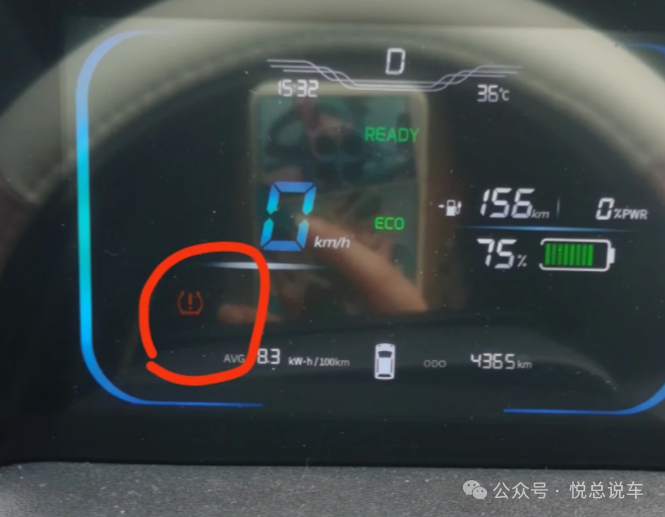
But what happens if you see the warning light, don’t check the tires, and instead press the “reset button” randomly? The purpose of the reset button is to “turn off the warning light after the tire pressure is normal”. If the tire is flat and you press reset, the system will mistakenly think “the pressure is normal”, and the warning light will go out, but the tire is still flat—this is exactly what happened to Xiao Li. He pressed reset when the warning light was on, drove 50 kilometers, and the tire blew out. If that had happened on the highway, the consequences would be unimaginable!
The correct approach is: when you see the tire pressure warning light, first find a safe place to stop, check all four tires (to see if any are flat or punctured), and if any tire is flat, either change to a spare tire or get it repaired or inflated. After the tire pressure is normal, then press the reset button to turn off the warning light. Never press reset just because the light is on; otherwise, you are just “deceiving yourself”, and if there is a real problem with the tire, you won’t get a warning!
My neighbor also made a similar mistake before: when the tire pressure warning light was on, he pressed reset, and later when he went to wash the car, the mechanic said, “Your left front tire has a nail in it and is almost flat.” He was scared and said, “Fortunately, I didn’t go on the highway; otherwise, I wouldn’t have known if the tire blew out!” Remember: the reset button is for “use after the pressure is normal”, not a “tool to turn off the warning light”; don’t get them mixed up!
Some may ask: “What if I can’t tell the difference between these two buttons?” Here’s a simple trick: after getting in the car, first look at the user manual, note the positions and icons of these two buttons, and tell yourself, “I absolutely won’t touch these two buttons except in specific situations”; if you accidentally press them, first check the dashboard—if the ESP is off, the “ESP OFF” light will be on, and if the tire pressure reset is pressed, the warning light will go out, but you must quickly check the tires.
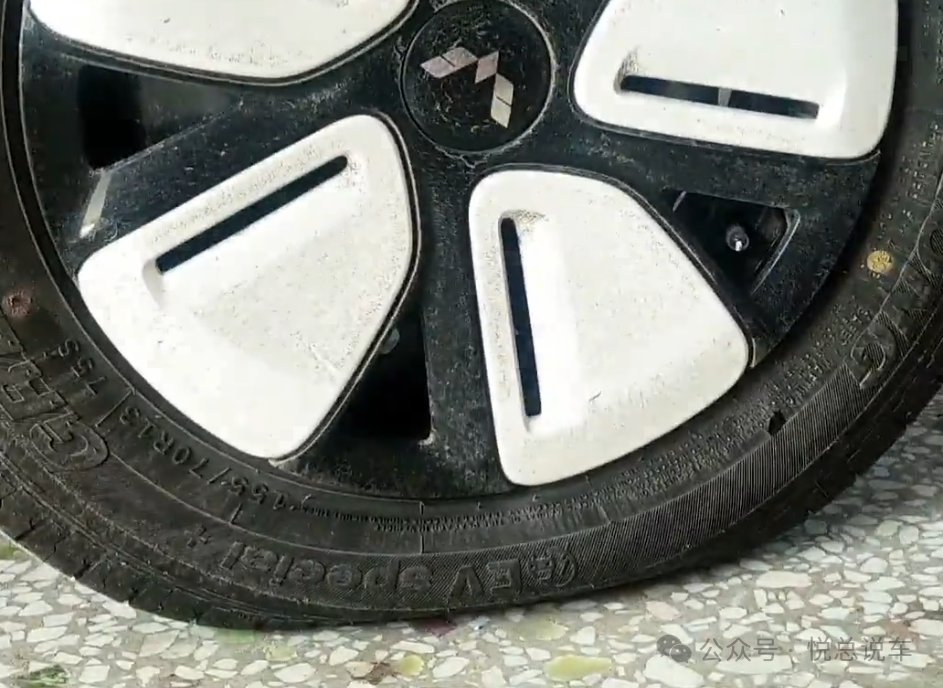
In contrast, some car owners either press buttons out of curiosity or don’t realize they pressed the wrong one, resulting in either spending thousands on repairs or almost having an accident. In fact, the usage of these two buttons is very simple: the ESP button should be “on during normal driving, and only turned off when stuck in mud or snow”; the tire pressure reset button should be “pressed only after repairing or inflating the tires, and check the tires when the warning light is on”. Just remember these two sentences, and you can avoid pitfalls; don’t take risks out of “ignorance” or “curiosity”!
Ultimately, these two buttons in the car are not “insignificant buttons” but rather “key buttons for safety”—the ESP button helps you maintain control, and the tire pressure reset button helps you monitor tire pressure. Pressing them randomly is like joking with your own safety. Don’t think that “pressing once is harmless”; if something goes wrong, it will be too late to regret.
Have you ever pressed these two buttons by mistake? Or are there other buttons in the car that you often confuse? Feel free to share in the comments, and also share this article with your fellow drivers so that everyone avoids pressing randomly and drives safely!
#Automobile #Automotive Knowledge #Understanding Cars #Daily Automotive Knowledge Sharing