Recommended public account to follow ↓
Have you ever seen a computer the size of a credit card? It can transform into a retro gaming console to relive childhood memories, set up smart surveillance to protect your home, and serve as an entry-level tool for learning programming. This globally popular “pocket black technology” is the Raspberry Pi. As of now, it has sold over 46 million units, surpassing the sales of many well-known brand computers. Today, let’s unveil the mystery of the Raspberry Pi and see what makes it conquer the global maker community.
The birth of the Raspberry Pi originated from an educational mission. In 2006, Eben Upton from the University of Cambridge discovered that students applying for computer science were increasingly lacking in practical skills. Inspired by the BBC Micro computer of that time, he conceived the idea of creating a low-cost programmable computer, aiming to make it affordable for students at the price of a textbook. This initial personal project gradually formed a team of professors, engineers, and entrepreneurs.
There is an interesting story behind the name “Raspberry Pi.” At that time, it was popular in the tech circle to name products after fruits, and the team continued this playful tradition. “Raspberry” is a playful reference to the phrase “blowing a raspberry,” while “Pi” pays homage to the mathematical constant π and also hints at the commonly used programming language Python, achieving multiple meanings in one go. The first Raspberry Pi Model B was released on February 29, 2012, with plans to sell only a few thousand units, but the two online stores selling it were quickly overwhelmed, and the first batch of system images was downloaded by 50,000 people in advance.
Essentially, the Raspberry Pi is a single-board computer that integrates core components. It does not come with a built-in screen or keyboard but condenses the core functions of a computer. Its soul lies in the general-purpose input/output pins, which can connect to hardware such as LED lights, sensors, and motors, allowing digital signals to control physical devices. It runs a Linux-based proprietary system, supports multitasking, and the entry-level model costs only a few dozen yuan, while the flagship model is just a few hundred yuan, offering excellent cost performance.
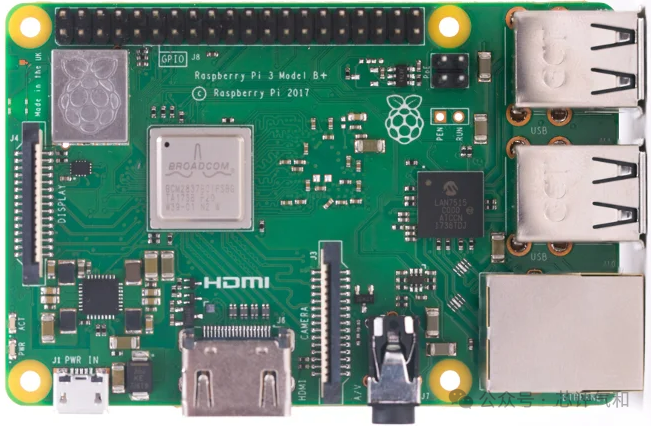
Today, the Raspberry Pi family has grown significantly. The flagship Raspberry Pi 4 Model B features a quad-core processor, up to 8GB of RAM, supports dual 4K displays, and gigabit networking, making it sufficient for lightweight office work or as a home media center. The Raspberry Pi 400 is even more user-friendly, integrating the main unit into the keyboard, allowing it to be used simply by connecting it to a display, making it particularly suitable for students. The ultra-compact Zero 2 W comes with wireless capabilities, making it an excellent choice for security cameras and mini robots. The Pico, priced at just a few dozen yuan, serves as a microcontroller focused on real-time control, commonly used to drive motors and collect sensor data.
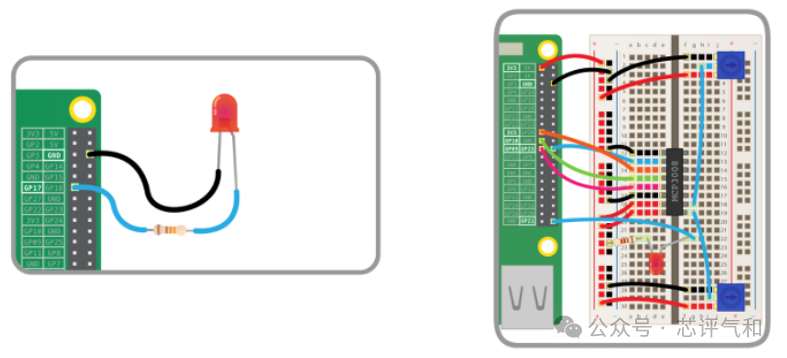
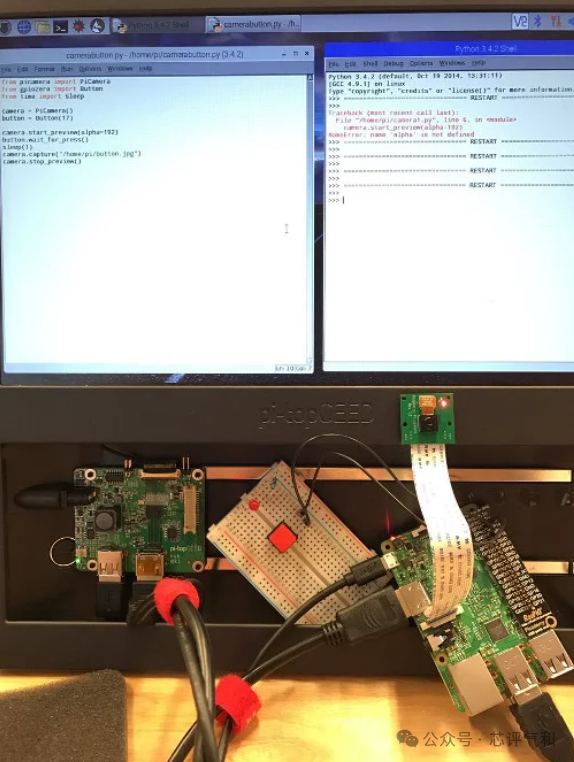
Its applications are far more diverse than you might imagine. Beginners can start learning Python from scratch, with the built-in Thonny IDE being particularly user-friendly. In home scenarios, it can turn an old hard drive into personal cloud storage, enable wireless printing for regular printers, and even create an automatic watering system using soil sensors. Gamers can install RetroPie software to enjoy classic games from the NES and Sega. Advanced users can build robotic cars, robotic arms, and even control automated farming equipment.
Many people often confuse the Raspberry Pi with Arduino, but the two serve completely different purposes. The Raspberry Pi is a complete computer capable of multitasking and suitable for complex calculations, but it has a higher power consumption and requires an external power supply. Arduino, on the other hand, is a microcontroller without an operating system, focused on single tasks, with low power consumption that can be powered by batteries, excelling in precise control. Many enthusiasts use both together, with the Raspberry Pi handling tasks like image recognition and decision-making, while Arduino executes specific actions like motor steering.
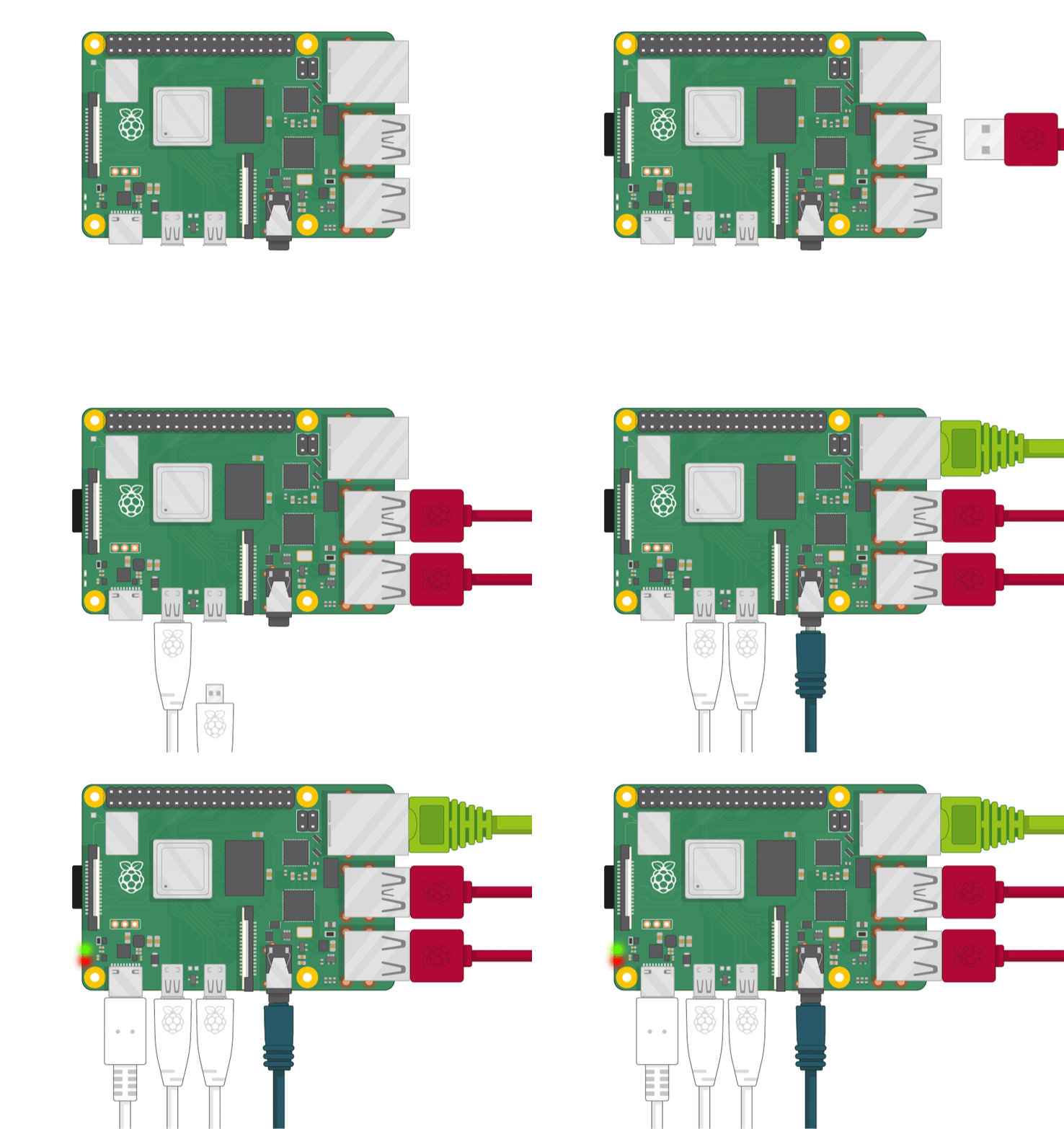
The entry barrier for the Raspberry Pi is very low. The core components only require a Class 10 or higher microSD card with a capacity of at least 16GB to install the system. The power supply must be an official or compliant product, as poor-quality chargers are a major cause of device failures. Initially, a keyboard, mouse, and display are needed, and remember to get a micro-HDMI adapter for the Raspberry Pi 4. During setup, use the Raspberry Pi Imager tool to write the system, pre-configure Wi-Fi and passwords, and it can be powered on once the card is inserted.
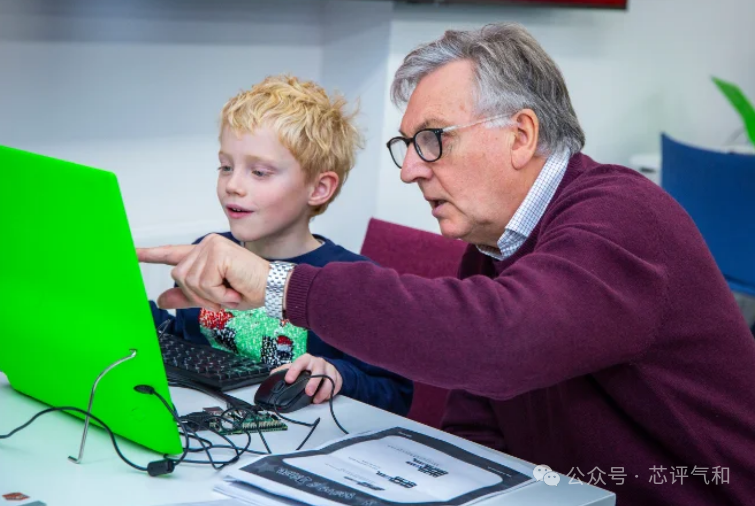
Most impressively, the original Raspberry Pi from 2012 can still run the latest systems, and the official support has remained consistent for a decade, ensuring that older devices do not fall behind. The vast global community is also a strong support, with official documentation, forum Q&A, and video tutorials available, so beginners need not worry about finding solutions to their problems.
From its educational origins to a global phenomenon, the Raspberry Pi has broken down the barriers to technological exploration with its low cost. It may not be a performance monster, but it allows everyone to experience the joy of creation. Whether you are a student wanting to learn programming, a maker who loves tinkering, or an ordinary person looking to improve your life, this small square can become your powerful assistant.
Add the assistant below to join the group, just note to add to the discussion group or for business cooperation!
 Having read this, do you have many opinions to share? Feel free to leave a comment~~
 END
END