

1. Background of Treatment
Degenerative diseases of the lumbar intervertebral disc (such as lumbar disc herniation, lumbar spinal stenosis, and disc degeneration) are the main causes of chronic low back pain and lower limb neurological symptoms. Traditional treatment strategies mainly include:
• Conservative treatment: medications, physical therapy, rehabilitation training, which often only relieve symptoms and are difficult to halt disease progression;
• Surgical treatment: such as discectomy, laminectomy, or spinal fusion, which can relieve pressure but come with issues of tissue damage, complications, and long-term functional limitations.
In the context of the development of regenerative medicine, DRT (Disc Regenerative Treatment) is emerging as a low-invasive, biologically repair-oriented treatment method and is becoming a new exploration direction in clinical practice.

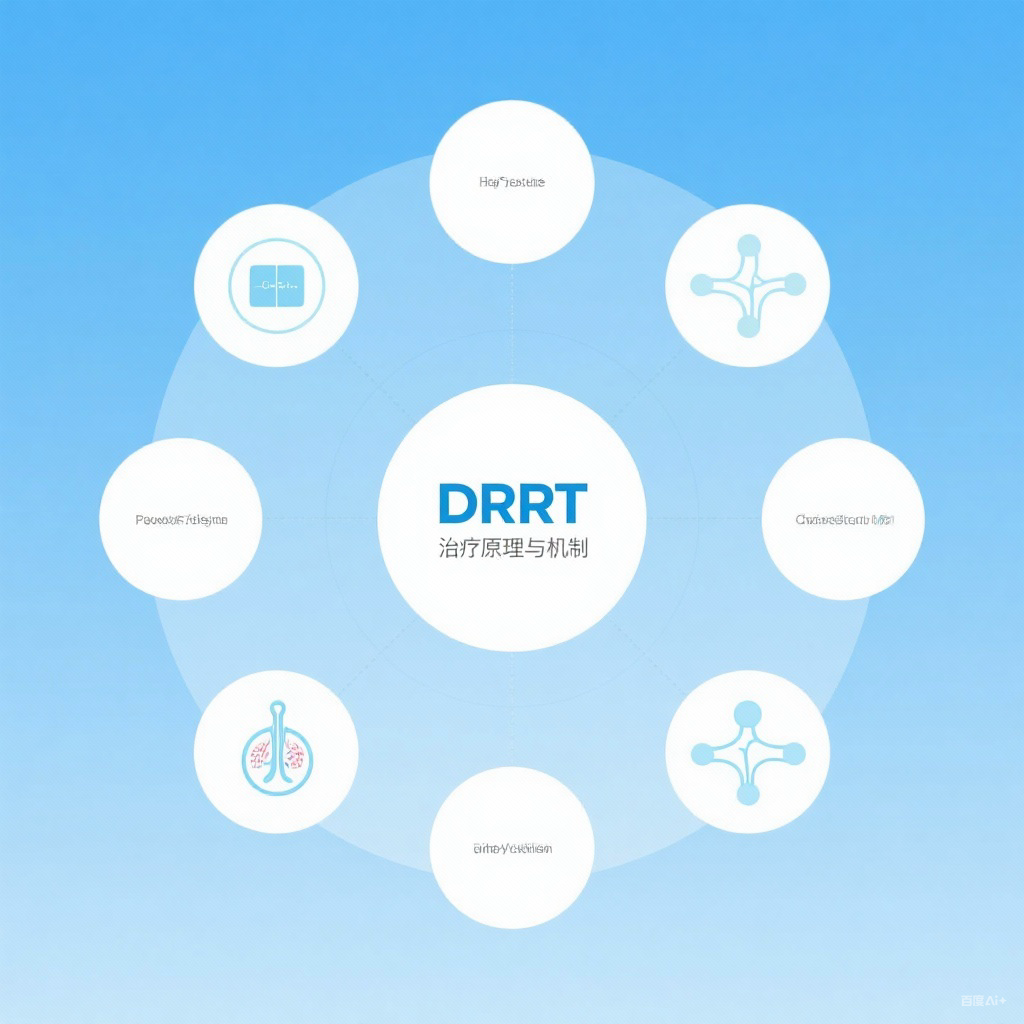
2. Treatment Principles and Mechanisms
DRT therapy aims to restore the biological function of intervertebral disc tissue through the combined injection of concentrated platelet growth factors (CPG factors) derived from autologous blood and biological agents.
1. CPG Factors (Concentrated Platelet Growth factors)
• Source: Patient’s own venous blood, concentrated and extracted through high-speed centrifugation
• Mechanism of action:
• Inhibition of local inflammatory responses (inhibiting inflammatory factors such as IL-1, TNF-α)
• Activation of fibroblasts and mesenchymal stem cells, promoting extracellular matrix synthesis
• Promoting the survival of disc chondrocytes and delaying degeneration
2. Biological Agents
• Composed of active cells or specific protein components
• Main function: improving the local microenvironment of the intervertebral disc, promoting cell regeneration under ischemic and hypoxic conditions; enhancing the structural stability of the intervertebral disc
The dual mechanism of action: while inhibiting inflammation and alleviating pain, it achieves structural repair of intervertebral disc tissue, thereby restoring function.
3. Clinical Indications
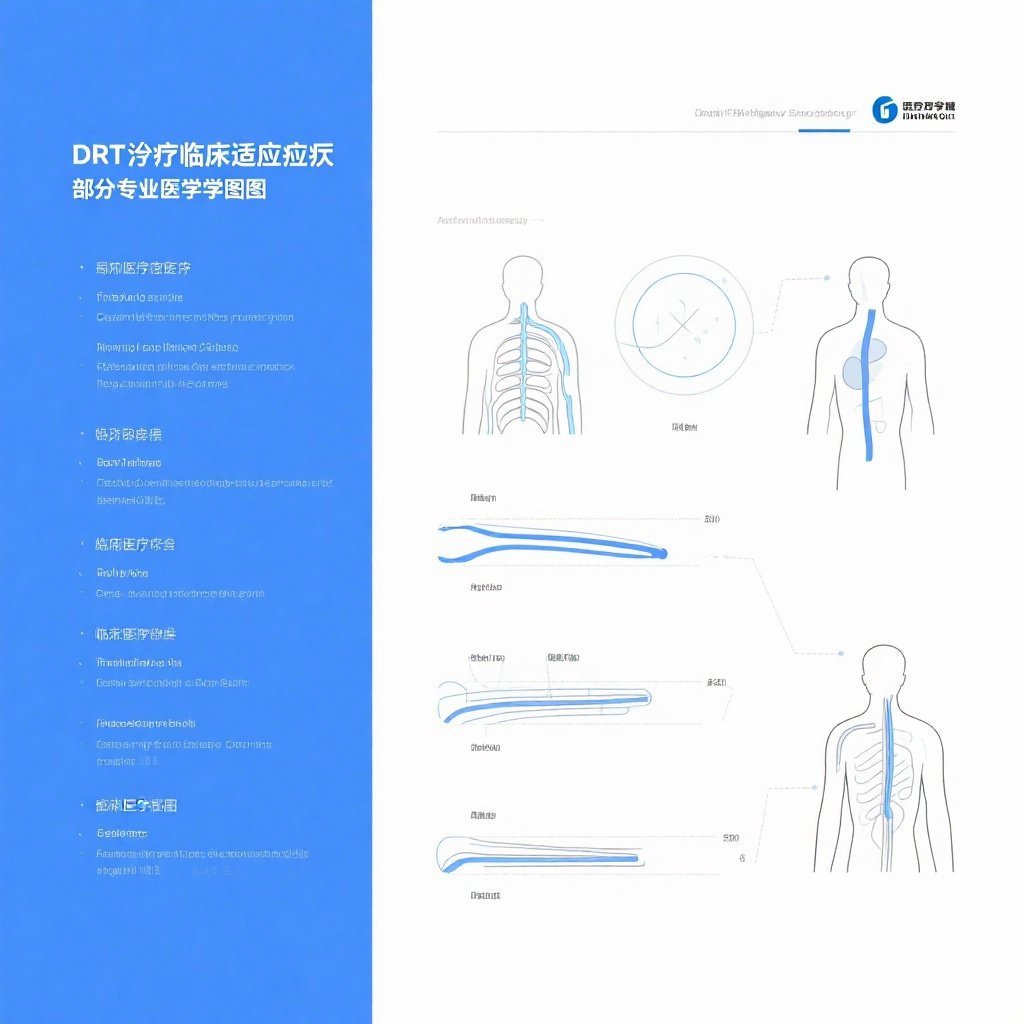
DRT therapy is mainly suitable for:
• Lumbar disc herniation (including recurrent cases)
• Lumbar spinal stenosis
• Disc degeneration (degenerative disc disease)
• Lumbar spondylolisthesis, isthmic spondylolisthesis
• Lumbar instability
• Degenerative scoliosis of the lumbar spine
• Chronic low back pain or sciatica, ineffective with conventional conservative treatment
• Patients who cannot tolerate surgery due to advanced age or underlying diseases
4. Treatment Process and Safety
• Procedure: Under imaging guidance, percutaneous injection of CPG factors and biological agents into the target intervertebral disc area
• Anesthesia method: local anesthesia
• Treatment duration: approximately 20–30 minutes
• Postoperative management: can be discharged on the same day after a short observation, usually does not require hospitalization
• Safety:
• The use of autologous blood components reduces the risk of immune rejection
• Biological agents comply with the regulatory laws and regulations of regenerative medicine
• The incidence of complications is lower than that of traditional surgical procedures
5. Academic Value and Clinical Significance
• Breaking the traditional understanding of “irreversible degeneration”: DRT therapy, through the action of cytokines and biological agents, is expected to delay or even reverse degenerative changes in the intervertebral disc
• Reducing the need for surgery: some moderate patients can avoid or postpone surgery
• Wide applicability: especially provides a safe and effective alternative for elderly patients and those with underlying diseases
• Improvement in quality of life: alleviating pain, improving mobility, and reducing dependence on medications
6. Conclusion
DRT therapy, as an emerging intervention in regenerative medicine, combines advantages of low invasiveness, functional repair, and wide clinical applicability. In China, treatment for lumbar diseases is often constrained by the dilemma between surgery and conservative treatment; in Japan, even with advanced minimally invasive surgical techniques, surgery still carries risks and limitations.
DRT therapy provides a new pathway for the treatment of degenerative spinal diseases: not only alleviating symptoms but also emphasizing the repair of tissue structure and functional reconstruction. In the future, with the accumulation of more clinical research and long-term follow-up data, its position in international spinal regenerative medicine will become increasingly prominent.