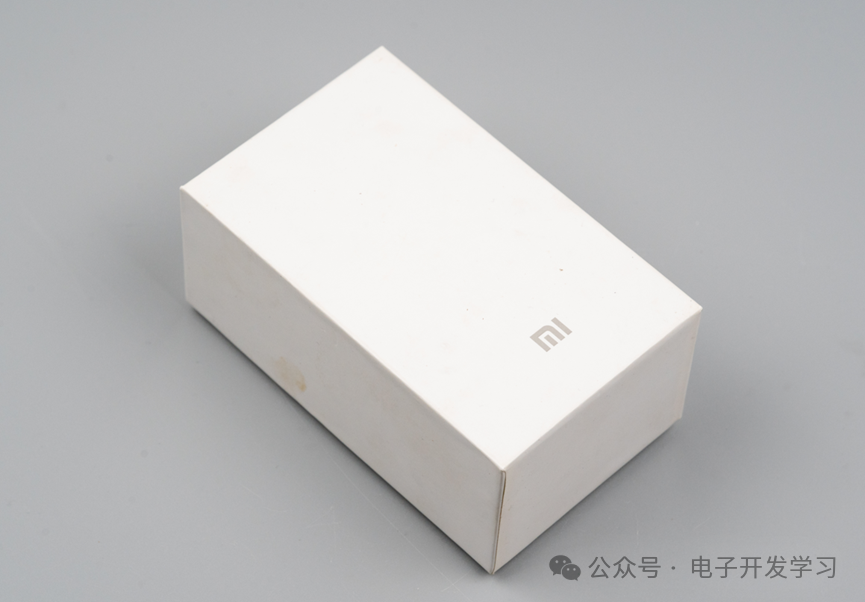
A fan sent me a first-generation Xiaomi Bluetooth headset. When I opened the package, I found that the box was intact; my friend really took good care of it. However, I suspect he will be quite devastated by the end of this article because I have dismantled it to pieces.
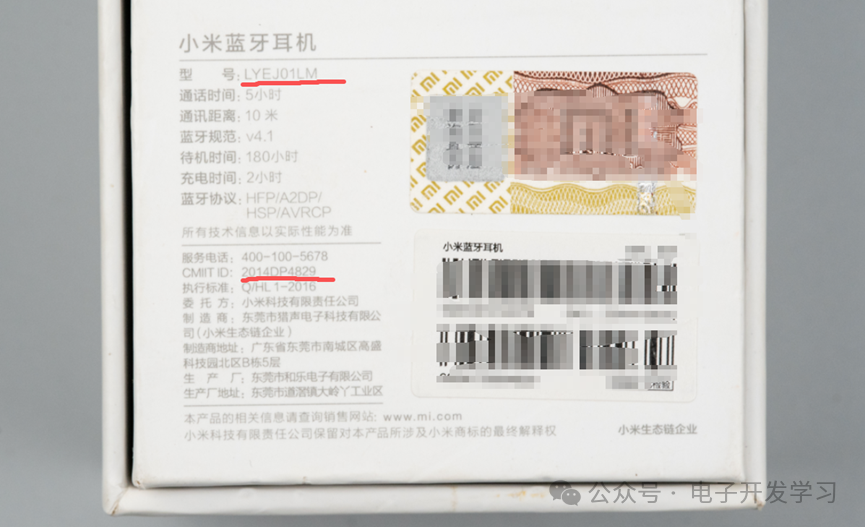
The model on the packaging box isLYEJ01LM. According to theCMIIT ID, this is likely a product from2014, which means it has been11 years already. It truly is a nostalgic old item!
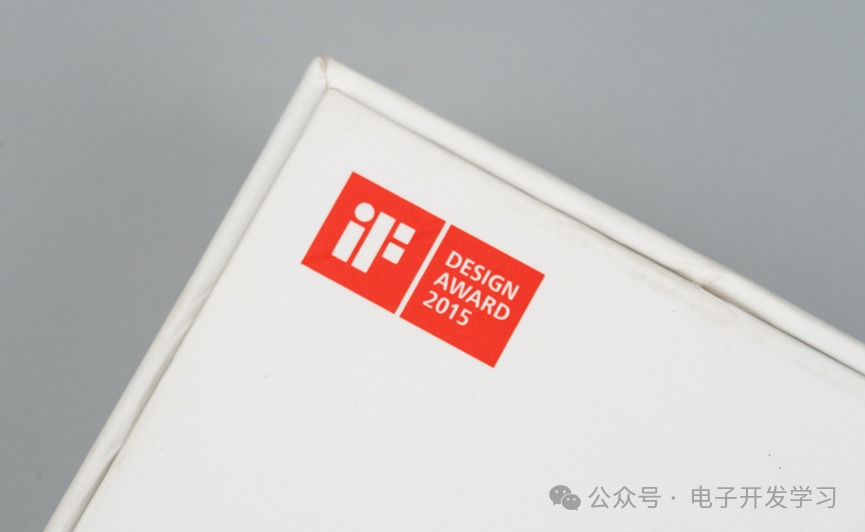
There is also a Red Dot Award logo on the box.
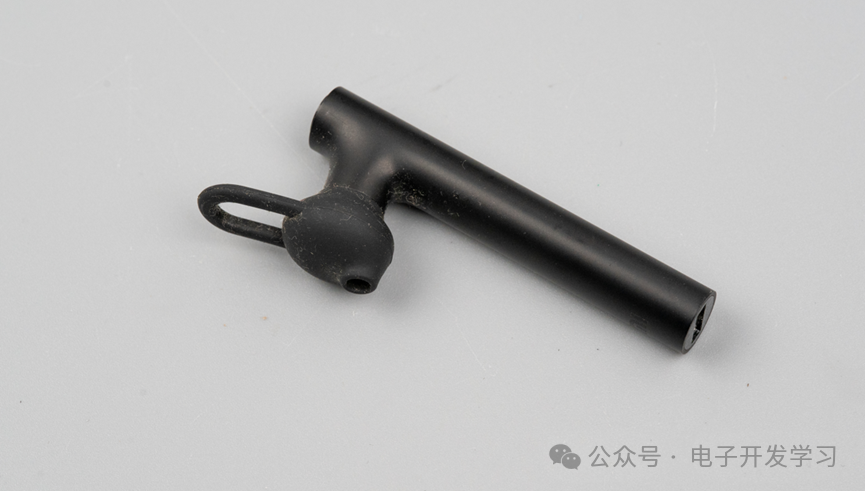
This is the headset inside. Bluetooth headsets looked like this back then.
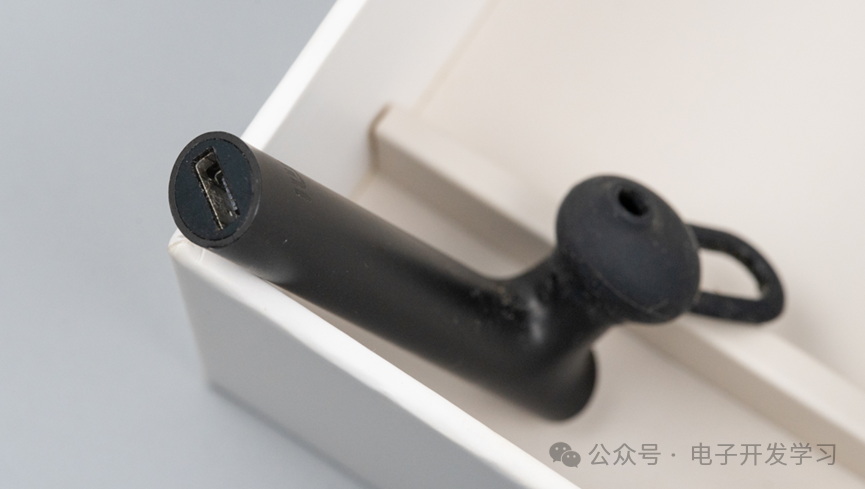
The bottom has aMicro-USB charging port.
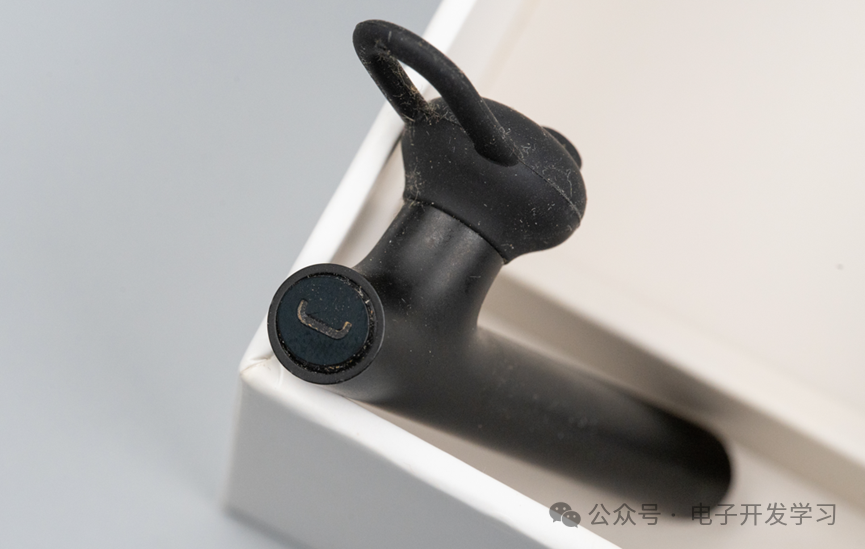
There is a button on the top.
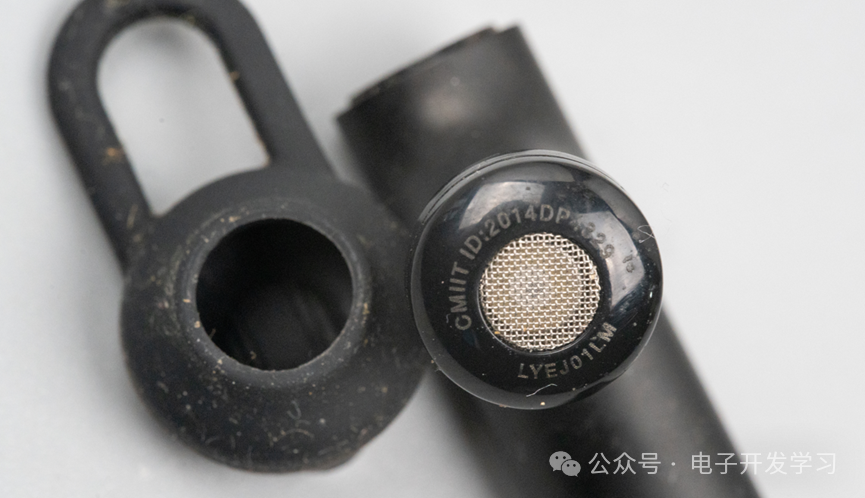
Removing the silicone ear tips, the speaker of the earbud is printed withCMIIT ID and the product model.
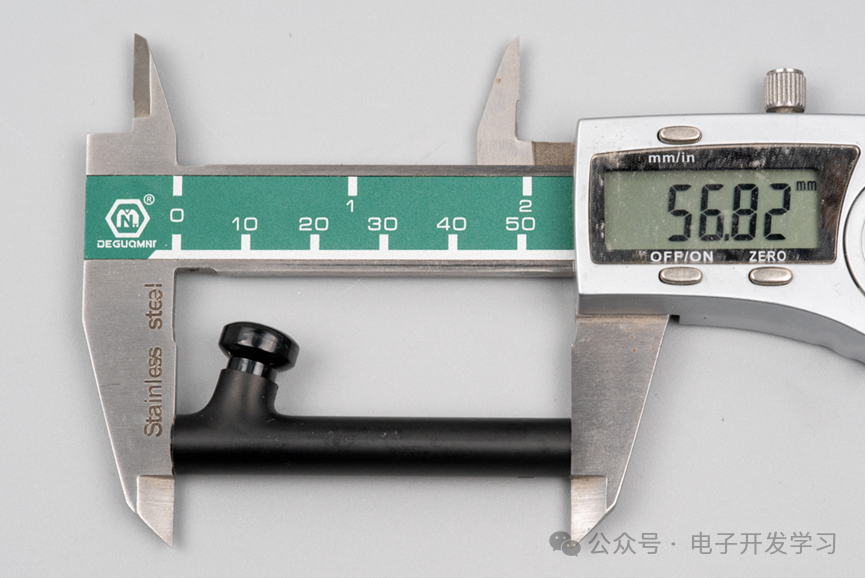
The length of this earbud is56.8mm, which gives it a bit of a decorative effect when worn.
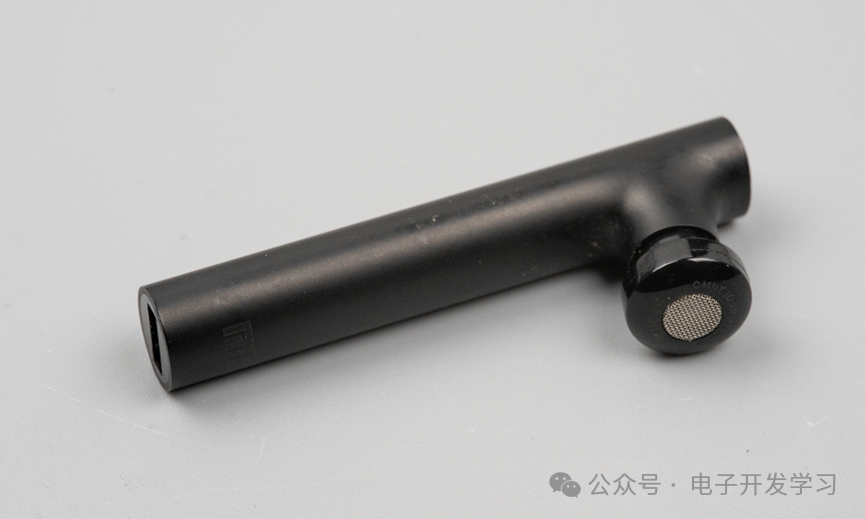
I spent a long time figuring out how to disassemble it, and ultimately found it really difficult to do so without damage.
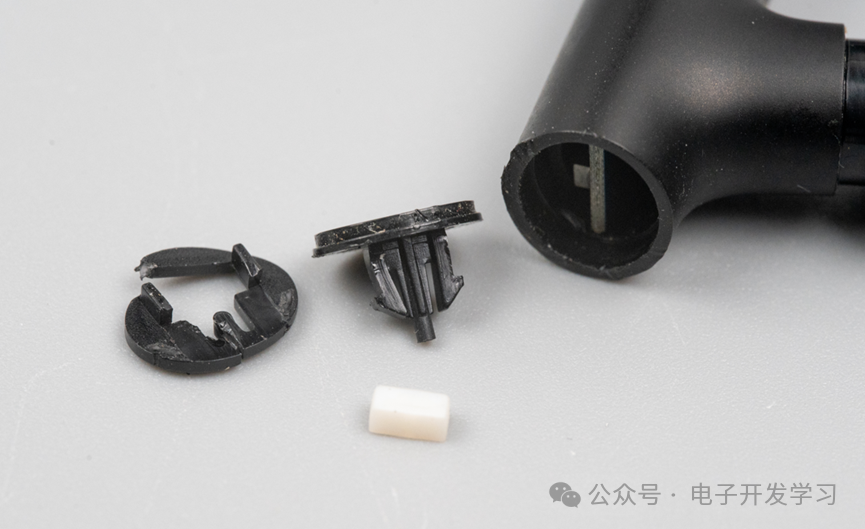
So I decided to start from the button, prying out the button cap, which is of course a destructive method. After prying out the button cap, I could see the edges of the circuit board inside. Next, I used a pair of water pump pliers to get the job done.
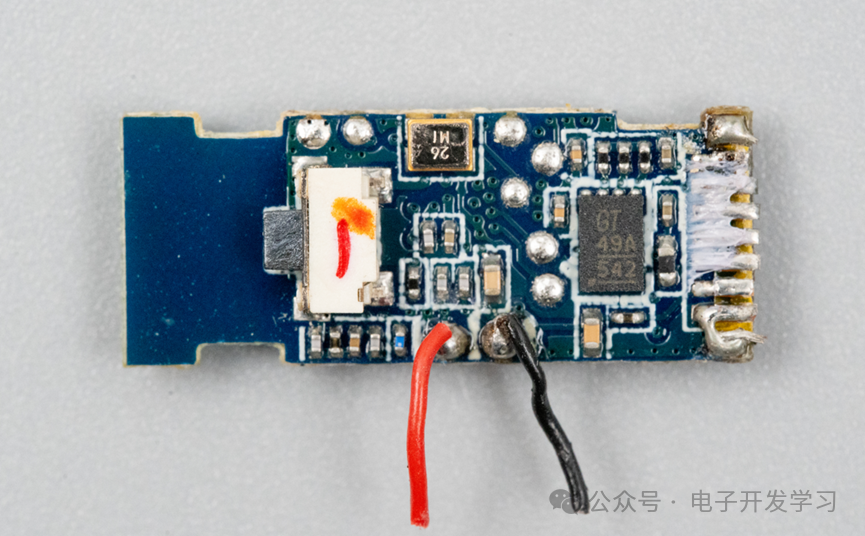
This is the circuit board. On this side, there is a button, a crystal oscillator, and another component markedGT49A, which I checked and should be anEEPROM.
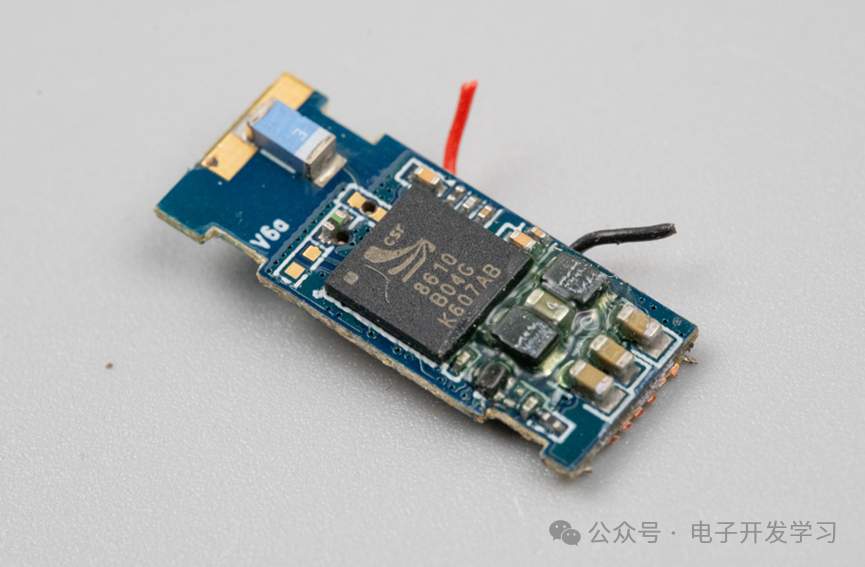
The front of the circuit board has aCSR8610, which is the main chip of this Bluetooth headset, packaged inBGA format, mono, singleMIC, and singlewire. The Bluetooth antenna on top uses a1206 packaged ceramic antenna.
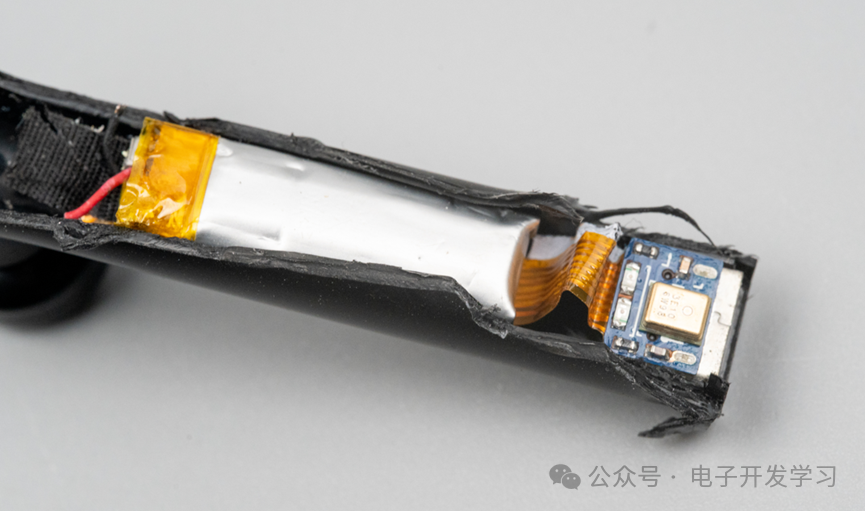
This headset has a long body, inside it is a lithium battery and a smallUSB board.
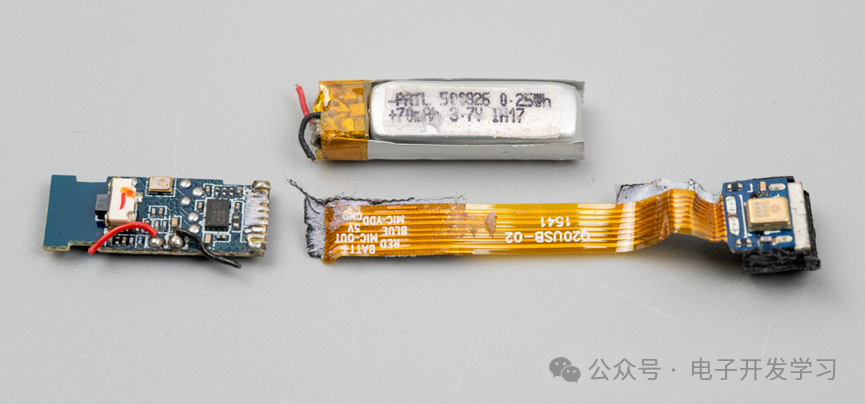
These components look like this when taken out together.
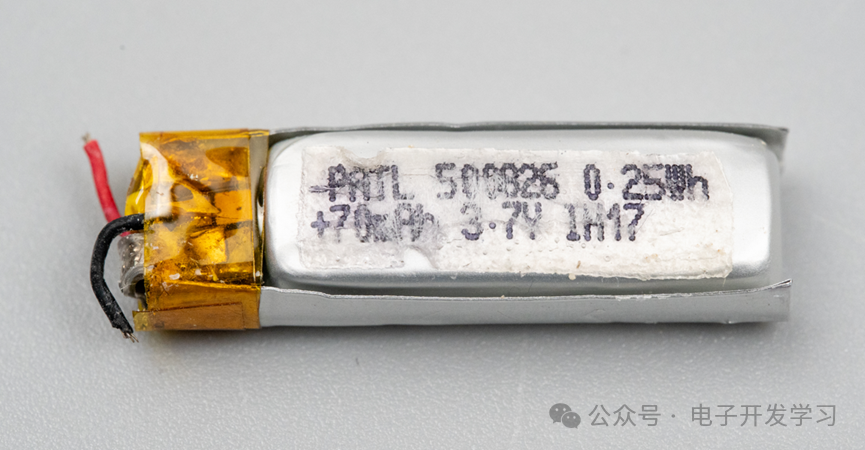
The capacity of the lithium battery is70mAh.
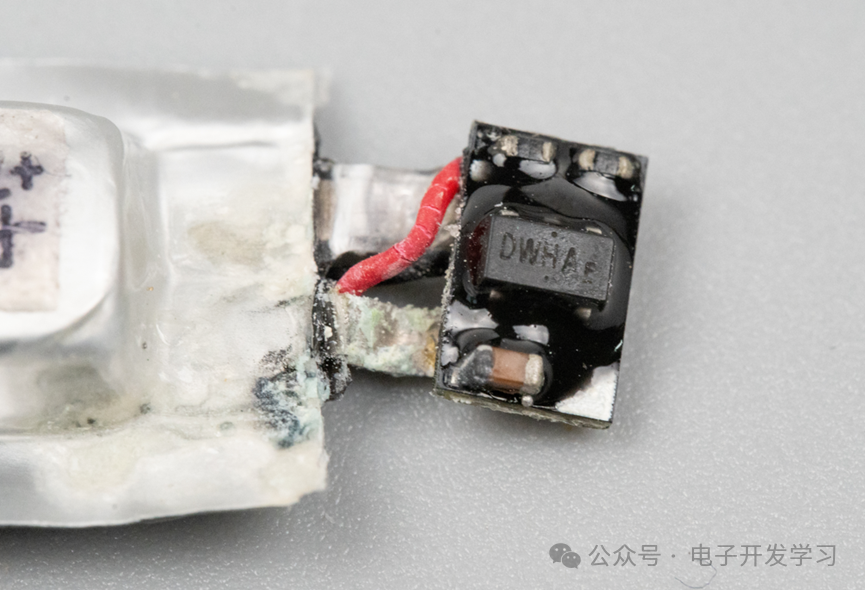
Although the lithium battery is small, a protection board is still necessary; this lithium battery protection chip is surrounded by glue.
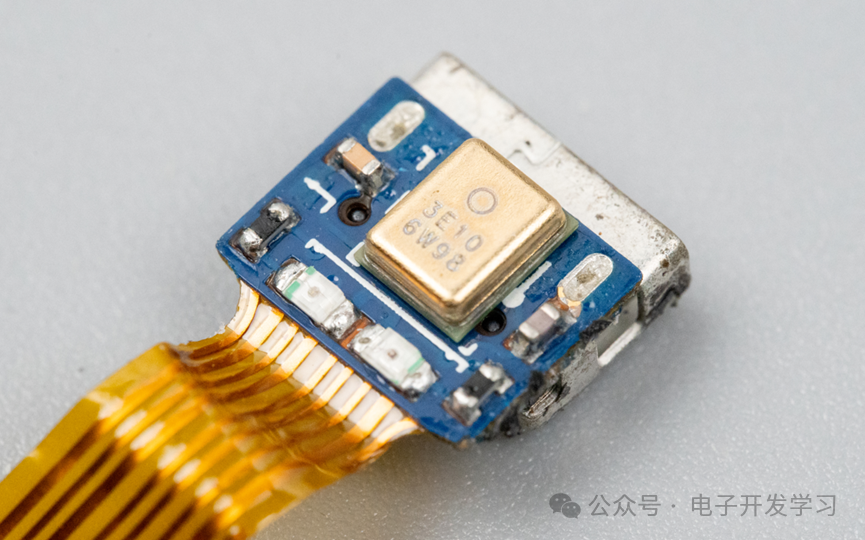
The distance from theUSB small board to the main board is relatively far, so anFPC ribbon cable connection method is used. I noticed that there is also a microphone on the USB small board, as well as twoLED indicator lights.
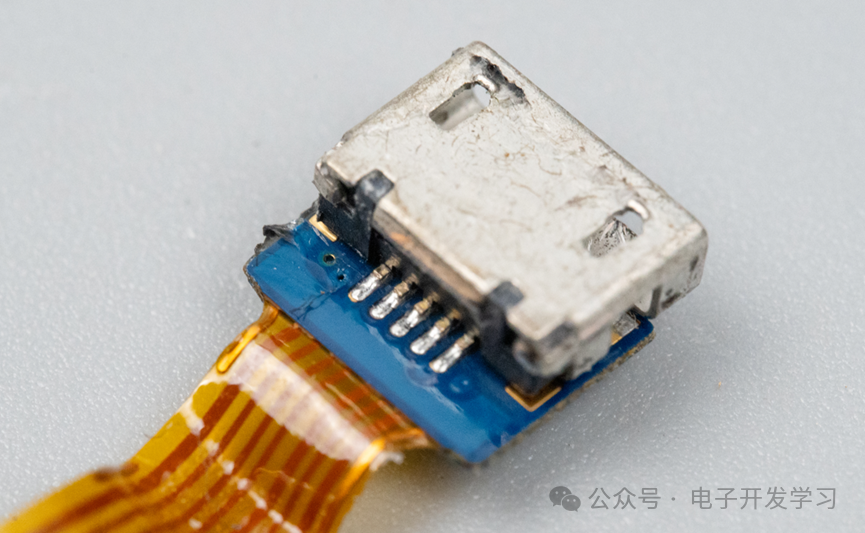
This small board and theFPC ribbon cable are integrated, meaning it is a soft and hard combined board.
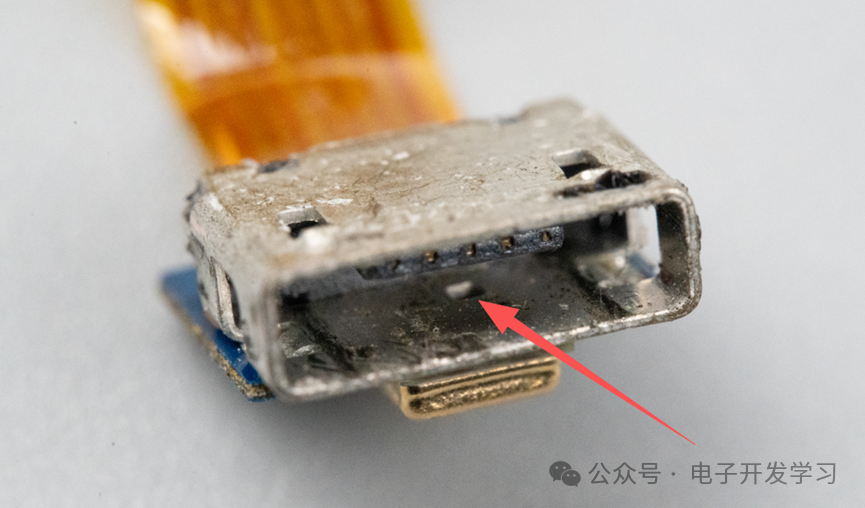
Additionally, the microphone’s sound hole is located at the bottom of the body, which should have been opened on the circuit board, but this side of the circuit board has aUSB connector. So I noticed that a corresponding hole was also made on the inner wall of the connector.
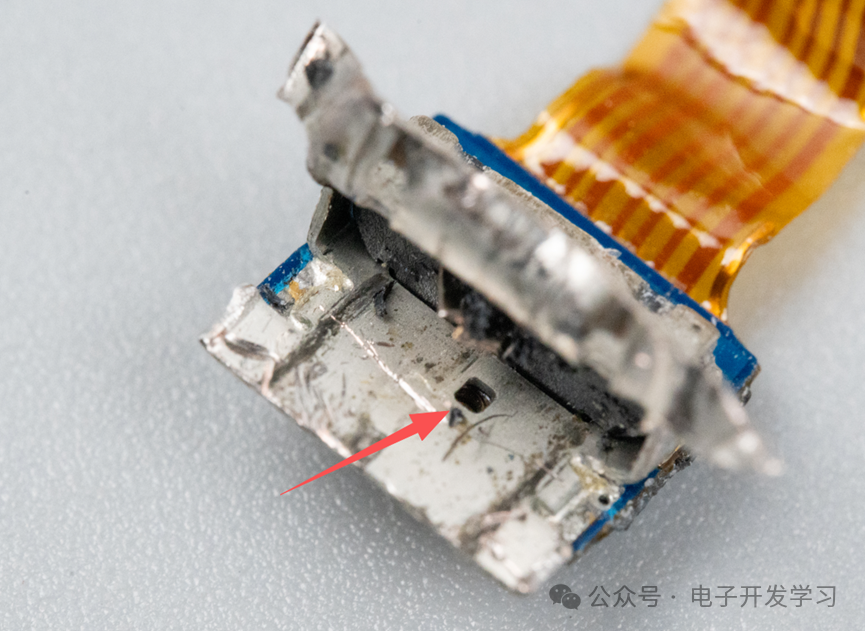
After lifting the cover of the USB connector, the sound hole becomes quite visible. It seems that thisMicro-USB connector was also custom-made for this product.
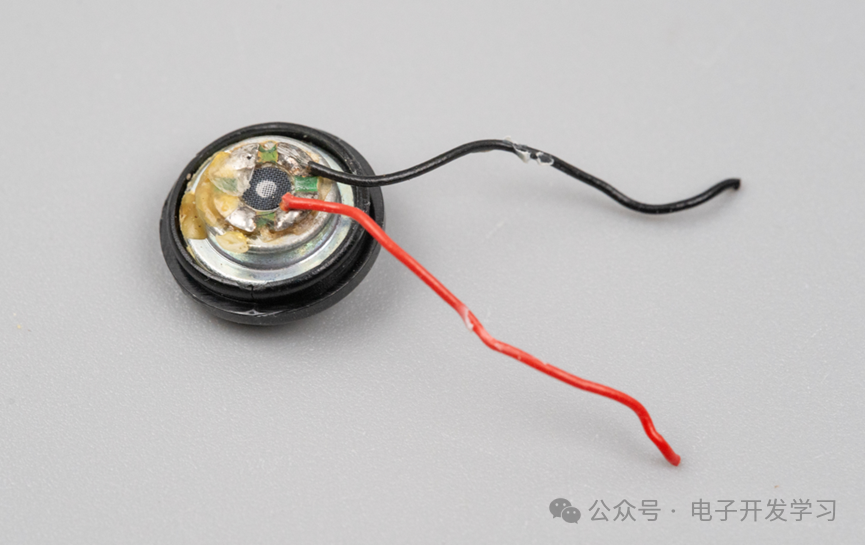
This is the speaker.
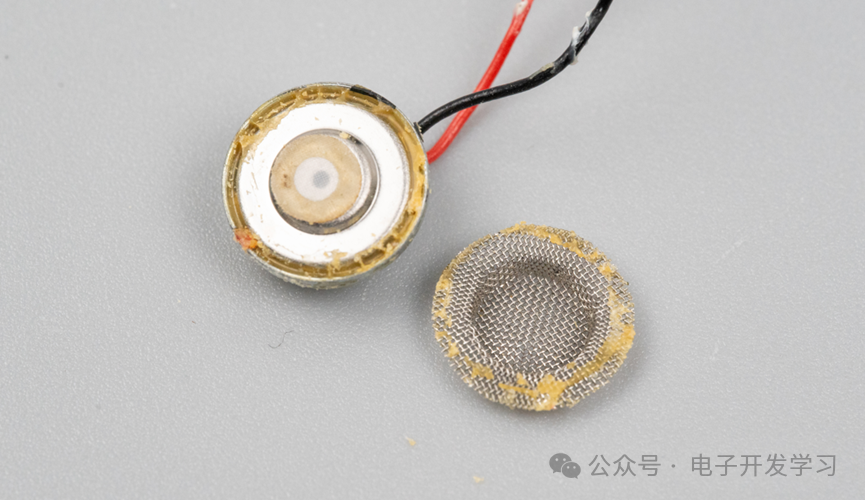
The metal mesh cover in front of the speaker.
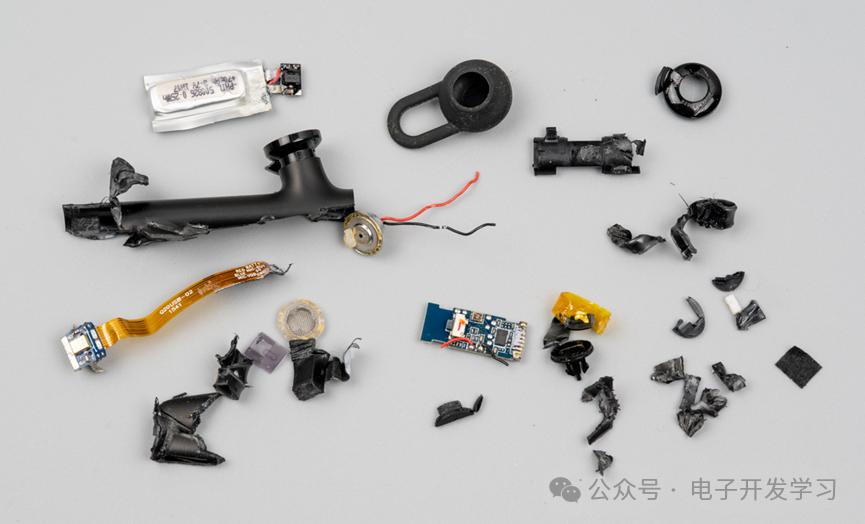
In summary, this is the disassembly of the first-generation Xiaomi Bluetooth headset from11 years ago. Overall, the craftsmanship of this headset is still quite good.