Today, let’s have a good discussion about the “brain” of the robot—the controller, taking the SRC core controller from XianGong as an example. It is divided into several series:
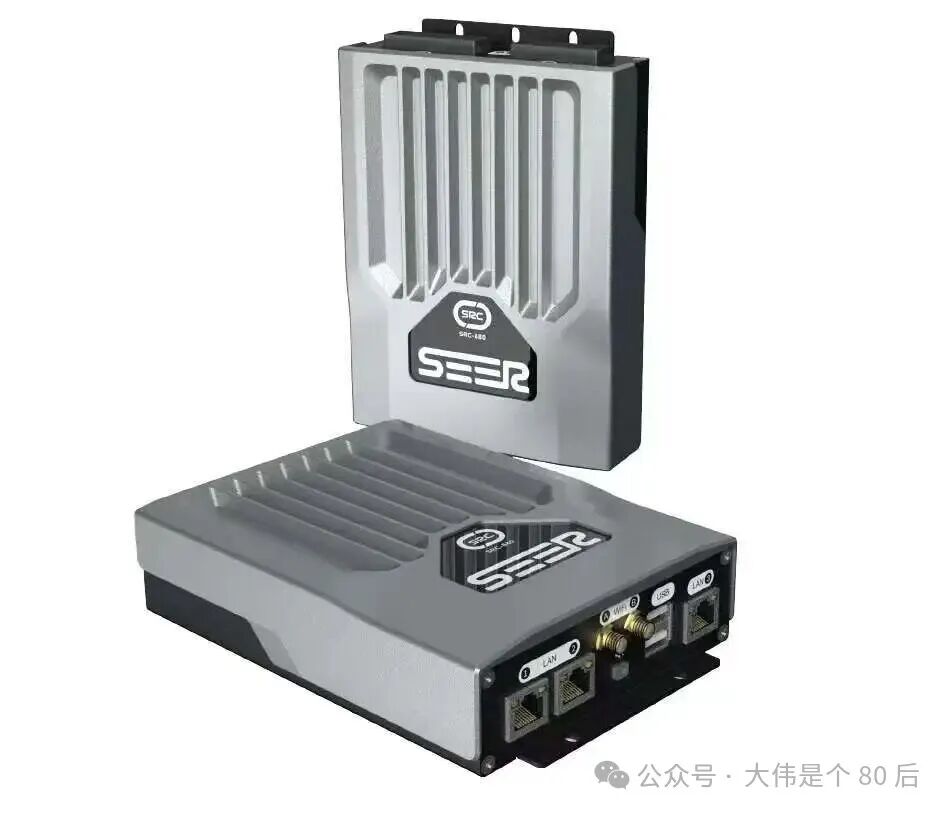
880/1000 Series
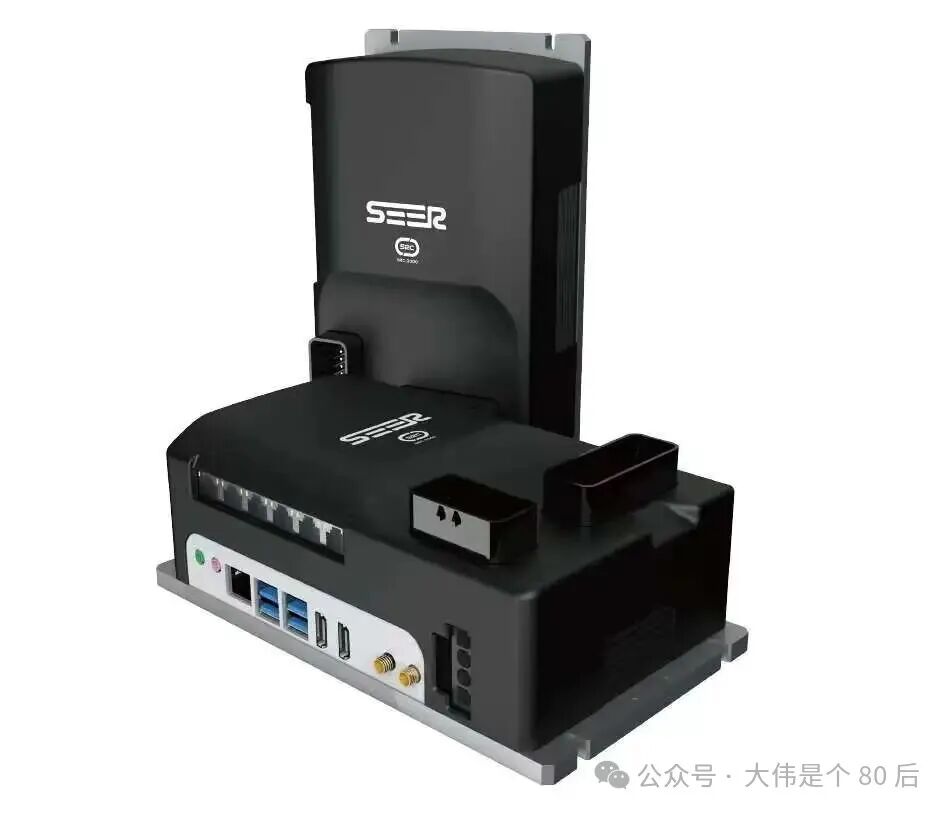
2000 Series
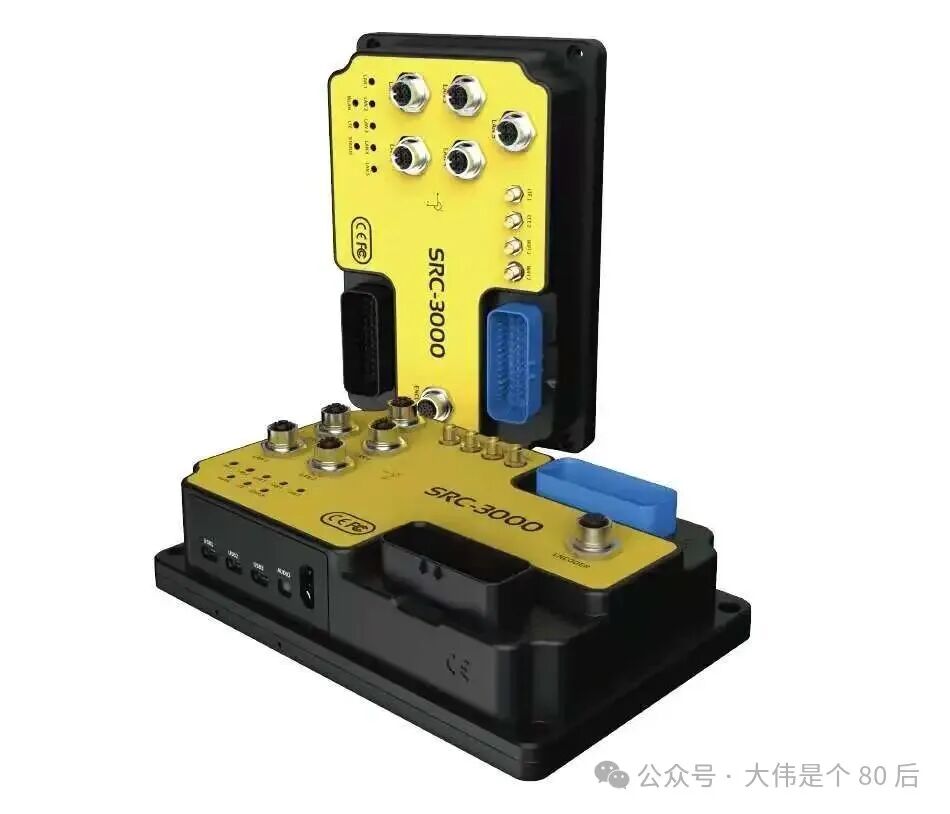
3000 Series
Today, we will focus on the general-purpose 2000 series, which acts like a versatile assistant and can be used in many scenarios.
First, let’s talk about the core capability of the 2000 series controller, which is to issue commands to the robot, allowing all parts of the robot to respond accordingly. For example, if the robot wants to move its arm, the controller must tell the motor how many rotations to make and how fast; if the robot needs to grab something, the controller must coordinate the sensors on the claw to check if it has successfully grabbed the item and how tightly. This is similar to how our brain works; when we want to lift our hand, the brain sends signals to the muscles in the arm to contract in sequence, and missing any step would not work.
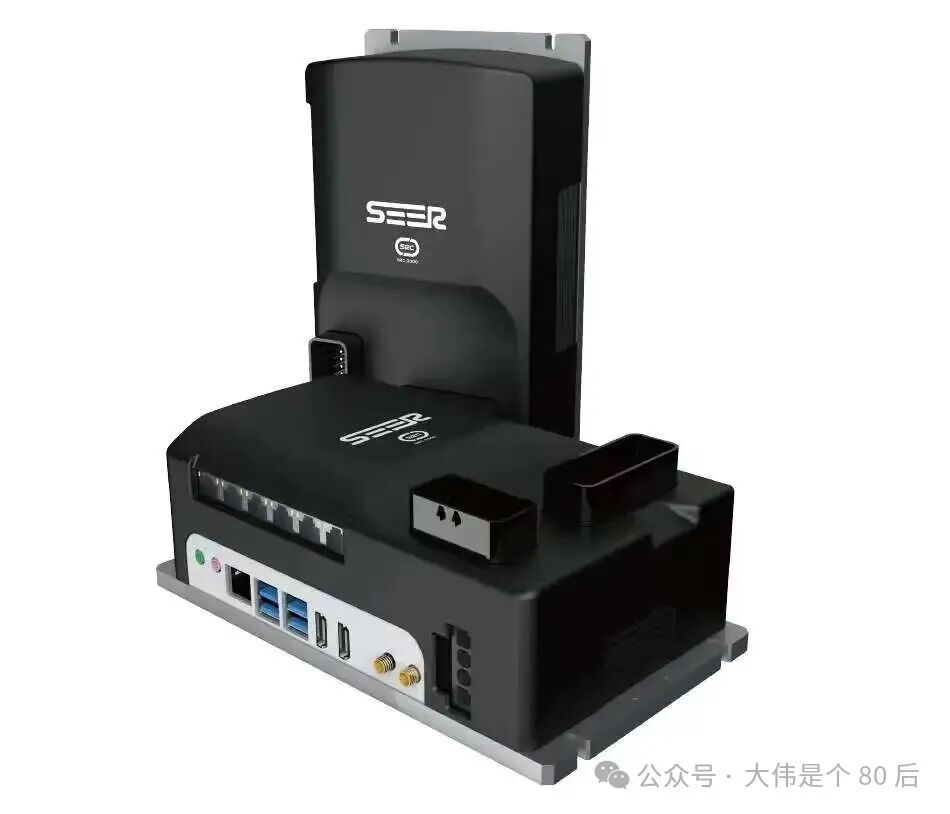
From the images, we can see that the 2000 series controller has a lot of interfaces, which are not designed randomly. These interfaces act like the robot’s “ears” and “mouth,” allowing it to connect various components. For instance, it can connect to motors, enabling the robot to run and turn; it can connect to sensors, such as cameras and infrared sensors, allowing the robot to “see” its surroundings and detect obstacles ahead and their distances; it can also connect to actuators, such as mechanical claws and spraying devices, enabling the robot to perform specific tasks. Whether simple components or complex devices, it can handle them all, showcasing strong compatibility, which is a significant reason for its “general-purpose” nature.
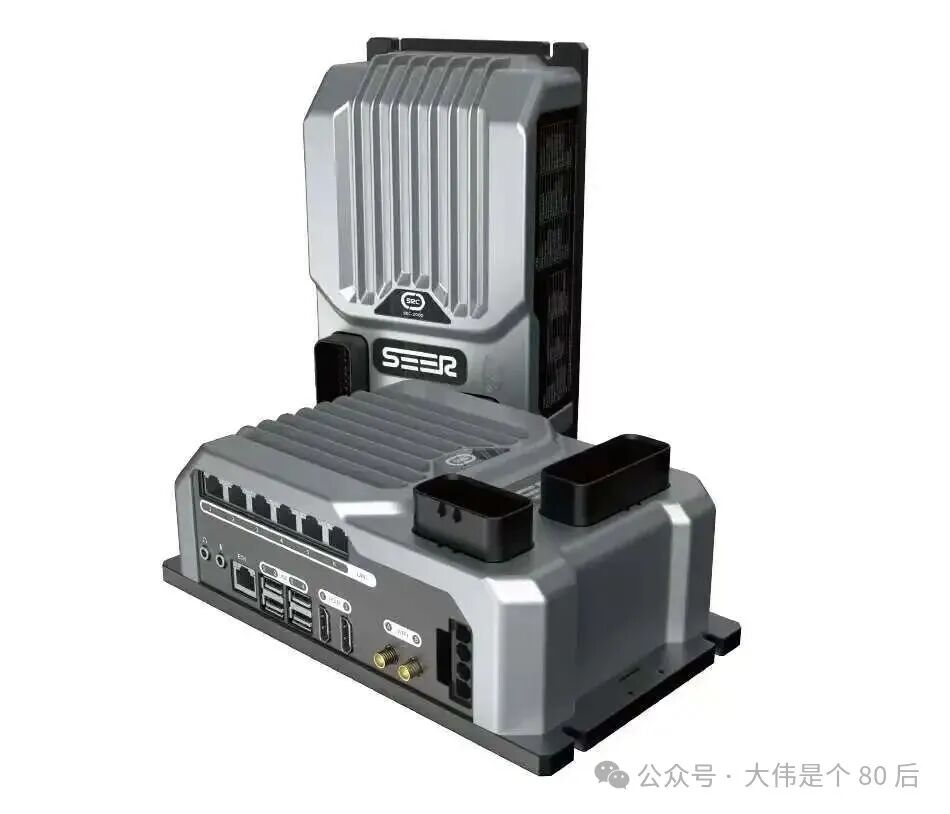
Next, let’s discuss its response speed. Quick reactions are crucial for robots when performing tasks. If the controller reacts slowly, the robot’s actions will lag, causing delays. The 2000 series controller performs well in this regard, as it can quickly process various signals. For example, when a sensor detects an obstacle ahead, the controller can immediately calculate how to navigate around it and instruct the robot to adjust its direction and speed, making the entire process very smooth, just like how we quickly dodge an obstacle when we see it.
Additionally, it has mapping and positioning navigation capabilities. This is akin to equipping the robot with a “navigation system.” When the robot enters a new environment, the controller can guide it to “explore” the area, recording the surroundings and constructing a map. Later, when the robot operates in this environment, the controller can accurately determine its location and the direction it should go based on this map. For instance, in a warehouse, if the robot needs to retrieve an item from a shelf, the controller can guide it to the exact location without getting lost. Moreover, the positioning accuracy is quite high, with minimal error, achieving navigation precision of ±5mm and ±1°, making the robot’s work more reliable.
The model editing function is also very practical. Sometimes, different tasks require the robot to have different motion patterns, and this is where the model editing function comes into play. For example, if the robot needs to transport boxes of different sizes, it can edit different grabbing and transporting models, allowing the robot to adjust its actions based on the box’s characteristics. The operation is not complicated; with the dedicated client software Roboshop, users can easily set up and adjust the robot, quickly realizing the robot’s assembly without the need to delve into complex technologies.
Furthermore, the SRC series controller can not only control a single robot but can also gradually evolve into the controller for smart factory infrastructure. In a smart factory, there are devices like automatic charging stations, automatic doors, elevators, and traffic lights, and the SRC controller can control these devices under a unified scheduling interface framework. For example, if the robot runs out of power, the controller can instruct it to go to the automatic charging station; the factory’s traffic lights can also be adjusted based on the robot’s operation, making the entire factory’s operation more orderly and intelligent, promoting the smart transformation and automated expansion of the entire factory.
Take the SRC-2000-I(S) general-purpose robot controller as an example; it weighs only 1.41kg, with dimensions of 225mm in length, 128mm in width, and 84mm in height, making it compact and easy to install on various robots. It has a rich array of interfaces, with 8 Power DO channels, each capable of carrying 24V and 2A of power, but the total load capacity of the 8 channels does not exceed 5A; there are 2 DO channels, each with 400mA; 11 DI channels of NPN type; 2 CAN channels, 3 RS485 channels, and 1 battery communication interface that can switch between RS485 and RS232. In terms of Ethernet, there are 6 + 1 gigabit channels, one of which can be used to extend Wi-Fi clients; the Wi-Fi is dual-band, supporting 2.4G and 5G 802.11ac 1T1X standards; there are 4 USB3.0 ports for easy connection to various storage devices or peripherals; audio input and output each have 1 channel, allowing for sound interaction if needed; one-click power on, battery switch, and emergency stop input/output functions are also equipped, with 1 emergency stop input and 2 emergency stop outputs, enabling the robot to stop quickly in emergencies to ensure safety.
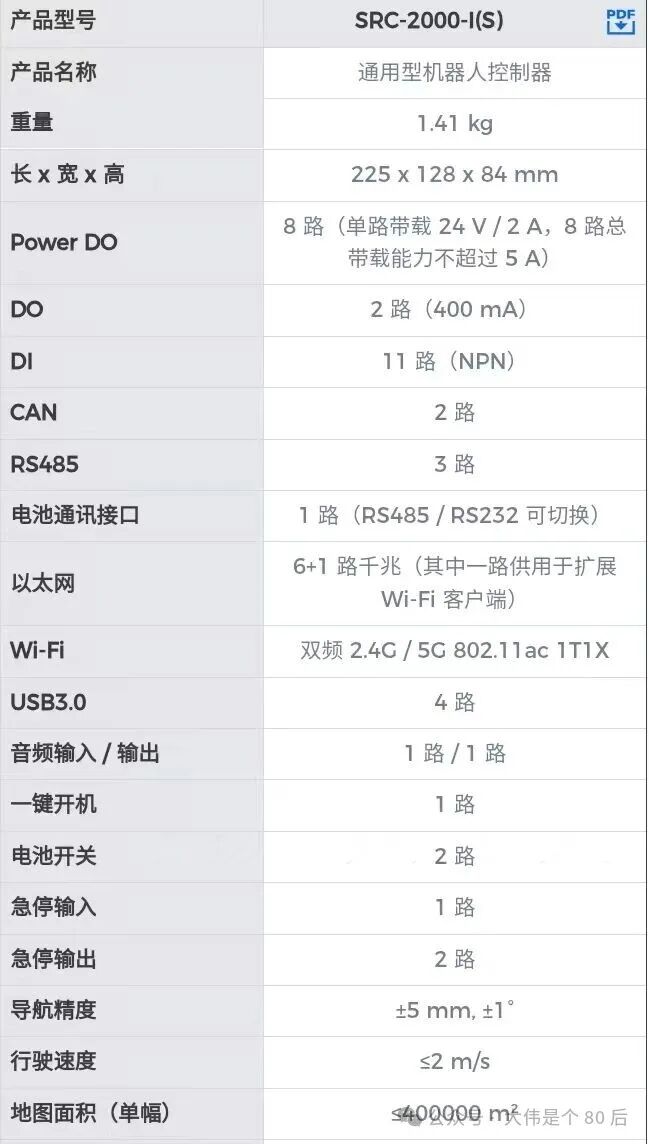
In terms of performance, the travel speed is ≤2m/s, and a single map area can reach ≤400000m². Such a large area is sufficient for large warehouses and factory workshops, as one map is enough without frequent switching.
In summary, the XianGong SRC 2000 series general-purpose controller acts like a comprehensive “brain” that not only integrates various functions of the robot, allowing it to work flexibly, but also collaborates with other devices in the factory to promote smart factory operations. Moreover, it is not difficult to operate; ordinary users can easily get started with the help of software, making it a powerful tool in the field of intelligent robots and smart factories.