Free for commercial use! A low-code visual development platform for industrial web with over 1500 components.Absolutely impossible!!! Is there a PLC that cannot be connected?Bookmark! Finally, someone has clarified the communication between HMI and PLC!
Inverters and PLCs are two very important devices in the field of industrial automation, commonly used to control machine operations and optimize production processes. However, many people raise a question: Can inverters directly replace PLCs? The answer requires a gradual analysis of the differences between the two based on their functions, application scenarios, and technical principles.
Core Function Comparison Between Inverters and PLCs
- 1.Function of Inverters:
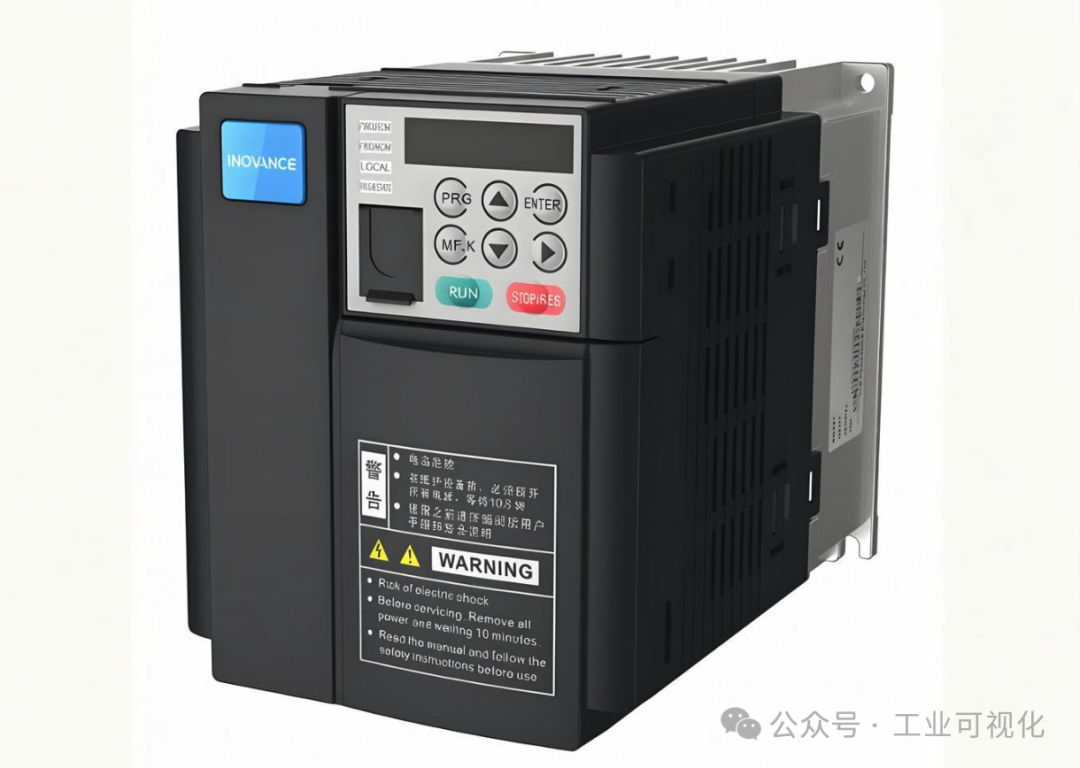
An inverter is a device that adjusts motor speed and torque, with its core function being to change the input voltage and frequency of the motor to control its speed. Typically, inverters are widely used in scenarios such as fans, water pumps, and conveyor belts, where the main requirements are the stability of motor operation and energy-saving effects.
- 2.Function of PLCs:
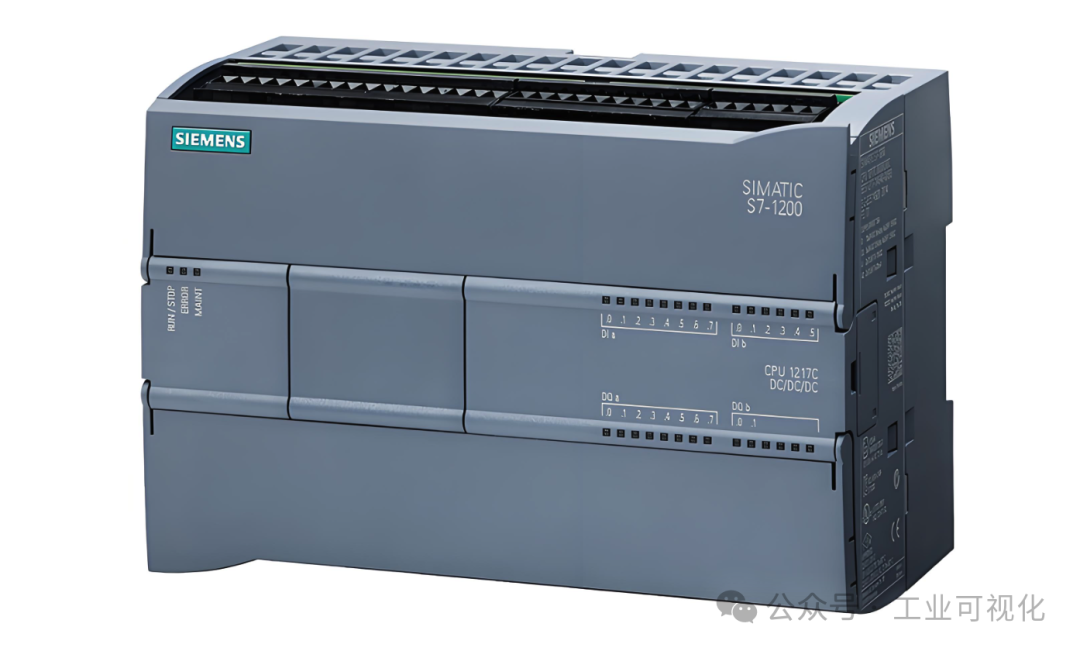
A PLC (Programmable Logic Controller) is a device capable of performing various logical operations, task assignments, and data processing. It is the brain of industrial automation, capable of precisely controlling complex sequences of actions, logical processes, and the coordination of multiple devices. Common application scenarios include robotic arm movements, production line process control, and the linkage of high-precision equipment.
Differences Between the Two:
In simple terms, inverters focus on motor drive and optimization, while PLCs are more focused on logical control and coordination. Inverters address “how to turn,” while PLCs address “when to turn” and “how multiple devices collaborate.”
In What Situations Can Inverters Partially Replace PLCs?
Inverters are becoming increasingly powerful, with many modern inverters integrating some logical control functions. For example, some inverters come with programmable logic control (such as built-in PLC modules) that can perform simple logical operations and start-stop control. This allows inverters to replace PLC functions in some simple scenarios:
- 1.Simple Motion Control: For instance, controlling the start-stop, forward-reverse, and basic speed adjustment of a motor. In this case, the built-in logic functions of the inverter are sufficient, and there is no need for an additional PLC.
- 2.Single Device Scenario: If the site only involves a single device (such as fan control), the inverter can even independently complete basic automation tasks.
- 3.Cost-Sensitive Low Complexity Systems: In some small engineering projects with limited budgets, using an inverter to complete basic control functions can reduce the costs of PLCs and their associated equipment.
Key Points Where Inverters Cannot Replace PLCs
Despite the significant enhancements in the functionality of modern inverters, they still cannot completely replace PLCs in complex control systems. The main reasons are as follows:
- 1.Limited Logical Processing Capability:
The built-in logic functions of inverters can only handle basic control logic, while complex production lines need to process data from multiple sensors and optimize process flows, which is beyond the capabilities of inverters.
- 2.Insufficient Multi-Device Collaboration Capability:
The core advantage of PLCs is their ability to unify control of multiple devices, achieving highly coordinated control tasks, while inverters are inherently designed for single devices.
- 3.Poor Flexibility and Scalability:
PLCs can be expanded through modules to connect various remote I/O modules, human-machine interfaces (HMI), and industrial communication protocols for communication between complex systems. This is something that the small logic control modules of inverters cannot achieve.
- 4.Insufficient Programming and Debugging Capabilities:
The programming language of inverters is relatively basic, and hardware expansion is limited. In contrast, PLCs support graphical programming (such as ladder diagrams and SFC function blocks), suitable for more complex development needs.
From a technical and practical application perspective, inverters can partially replace PLCs in some simple control scenarios, but they cannot fully meet the requirements in complex industrial automation scenarios. If project requirements are simple, costs are strictly limited, and motor drive is the focus, inverters can be a more economical choice. However, once multiple devices, complex process optimization, and large-scale logical operations are involved, PLCs remain the irreplaceable core controllers.
Recent Hot Articles:
| I used WinCC as the upper computer! What’s wrong with that?Finally, someone clarified the Modbus master and slave.This UI development upper computer is amazing!!!Getting Started with Modbus!!! This article is enough.Finally, someone clarified the upper computer heartbeat!!!Finally, someone clarified 485 and Modbus. |