
The Importance of Depth Control for Countersunk Holes
A countersunk hole is a common PCB hole structure, with a larger diameter at the top and a smaller diameter at the bottom, forming a funnel-like shape. This structure is primarily used for screw fastening, allowing the screw head to be fully embedded within the PCB, preventing interference with the board surface.
Improper depth precision control can lead to a series of quality issues: if the depth is too shallow, the screw head will protrude from the board surface, affecting subsequent assembly; if the depth is too deep, it may damage the inner layer circuits, leading to decreased electrical performance or even short circuits. Accurate depth control also ensures uniform stress on the connectors, enhancing the product’s shock resistance and durability.
Key Technical Parameters for Countersunk Hole Processing
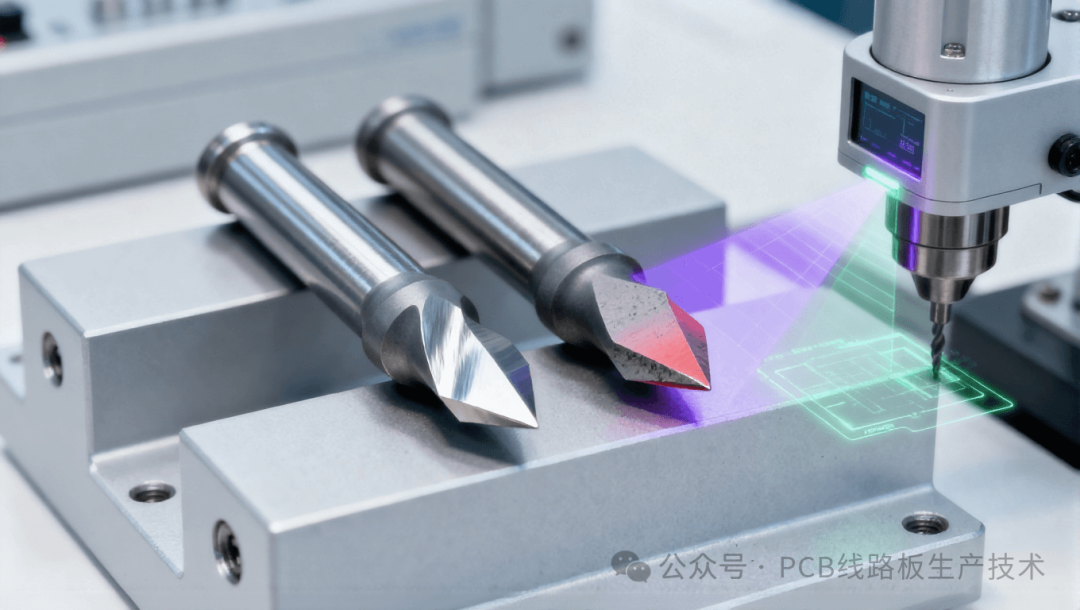
Depth tolerance control is the core indicator for countersunk hole processing. Typically, the depth tolerance is required to be within ±0.05mm, while high-speed PCBs may require an accuracy of ±0.025mm. This necessitates a comprehensive consideration of tool performance, material characteristics, and processing techniques.
The step height ratio is another critical parameter, referring to the depth ratio between the large and small holes of the countersunk hole. The ideal height ratio should be between 1:1.5 and 1:2.5, ensuring sufficient connection strength while ensuring the screw head is fully embedded.
The quality of the hole wall directly affects connection reliability. During processing, care should be taken to avoid burrs, cracks, or delamination, as these defects can reduce the structural integrity of the countersunk hole.

Depth Control Techniques
Mechanical Control Method utilizes precision depth limit devices to control the depth of the drill bit entering the material through physical stops. This method has good stability but is relatively cumbersome to adjust, making it suitable for mass production of identical specifications.
The CNC programming method precisely controls the spindle feed depth through CNC programs. Modern PCB CNC drilling machines are typically equipped with high-resolution servo systems, capable of achieving micron-level depth control. This method offers high flexibility, especially suitable for small-batch, multi-variety production modes.
Pressure sensing technology is a new technique in recent years, which determines the position of the drill bit by monitoring the changes in resistance during the drilling process in real-time. When the drill bit contacts different material layers, the resistance changes significantly, and the system automatically adjusts the feed depth accordingly.

Key Factors Affecting Processing Accuracy
Material Characteristics significantly impact depth control. Different types of copper-clad laminates vary in hardness, elastic modulus, and thermal expansion coefficient, necessitating targeted adjustments to processing parameters. For example, the processing characteristics of FR-4 material differ greatly from those of high-frequency materials like PTFE.
The quality of the tools directly determines processing accuracy. Wear of carbide drill bits can lead to gradual increases in depth, necessitating a comprehensive tool management system, including regular inspections, timely replacements, and wear compensation measures.
Equipment accuracy is a fundamental guarantee. Radial runout of the spindle, Z-axis positioning accuracy, and machine rigidity all affect the final processing results. It is recommended to conduct a comprehensive calibration of the equipment every six months to ensure that all accuracy indicators meet the requirements.
Environmental conditions are often overlooked but are equally important. Temperature changes can cause thermal expansion and contraction of materials, while humidity changes can affect the hardness characteristics of the board. A constant temperature and humidity processing environment can significantly improve the consistency of depth control.
Process Optimization and Quality Control
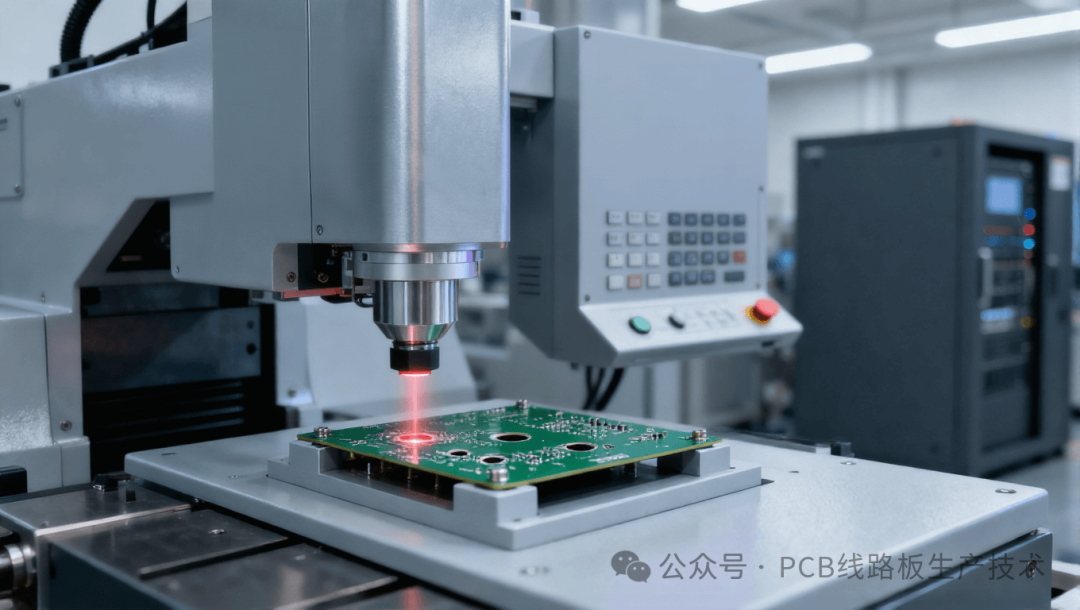
Optimization of Process Parameters requires a comprehensive consideration of parameters such as spindle speed, feed rate, and retract speed. Typically, a strategy of higher spindle speed combined with moderate feed rate is adopted to ensure processing efficiency while achieving good hole wall quality.
An online detection system can monitor the processing process in real-time. Laser or vision-based measurement devices can immediately conduct depth detection after processing, promptly identifying abnormal products and automatically adjusting subsequent processing parameters.
Statistical Process Control (SPC) is an effective quality assurance method in mass production. By regularly collecting depth data and analyzing the process capability index (CPK), trends of process deviations can be detected in advance, enabling preventive adjustments.
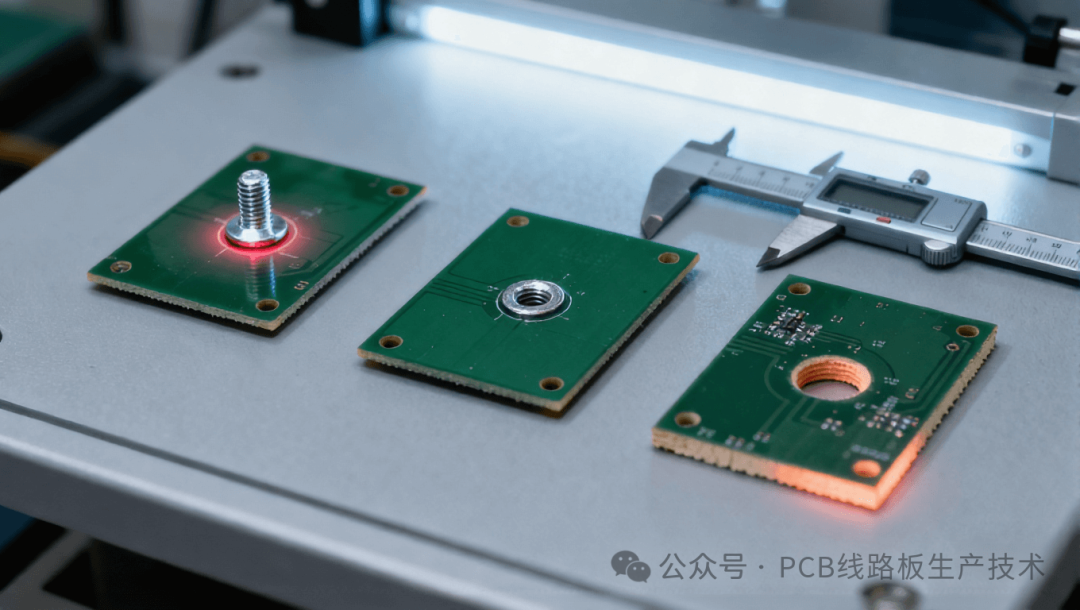
Destructive testing serves as a final verification method, directly observing the cross-sectional morphology of the countersunk hole through slice analysis. Although this method is relatively costly, it provides the most intuitive and comprehensive quality assessment results.
Common Issues and Solutions
Uneven Depth is usually caused by tool wear or spindle runout. Solutions include implementing strict tool life management, enhancing equipment maintenance, and optimizing cutting parameters.
Hole Burrs can be effectively resolved by using sharp tools, adopting appropriate retract speeds, and adding support plates. For existing burrs, mechanical or chemical methods can be used for post-processing removal.
Material Delamination is often related to excessive heat accumulation during processing. Reducing spindle speed, adopting intermittent feeding methods, and using specialized drill bits are effective improvement measures.
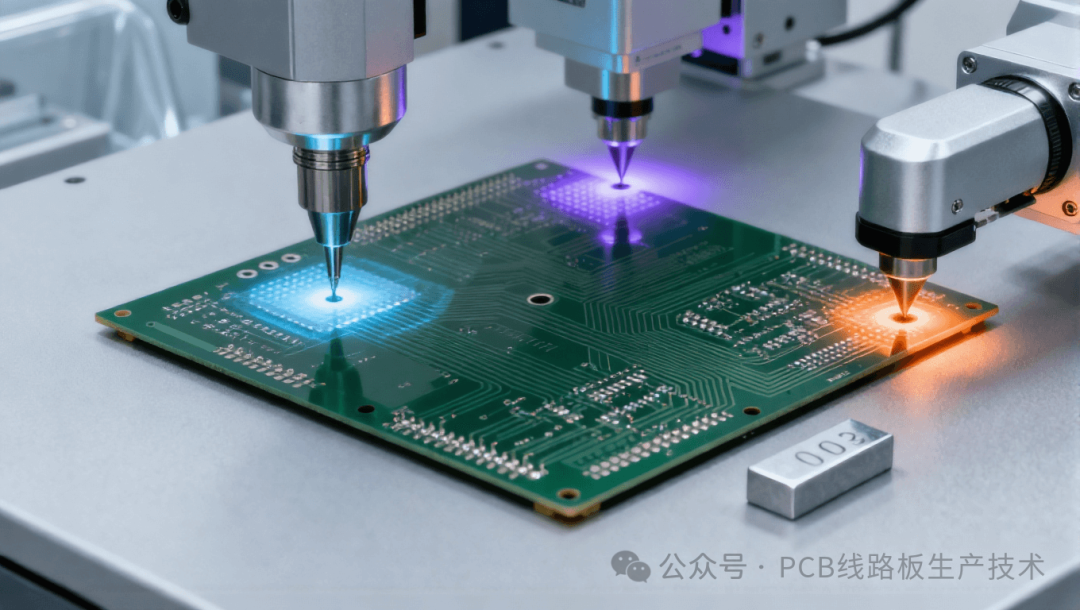
The depth control of PCB countersunk hole processing is a comprehensive technology that involves mechanical equipment, processing technology, quality control, and materials science across multiple fields. As electronic devices trend towards miniaturization and high density, higher precision requirements for countersunk hole processing are being proposed.
(For more in-depth professional content, please click “Read the Original” for further reference.)