As an important component of transportation and logistics, tunnels operate in unique environments that impose high demands on the stability, adaptability, and safety of control systems. Tunnel-specific PLC control cabinets are one of the core devices for tunnel monitoring and management, and the customized development of their internal programs is a key step in ensuring the efficient and reliable operation of tunnel equipment. Different tunnels vary in length, structure, traffic flow, equipment types, and operational management modes, making standardized control programs often inadequate to meet actual needs. Through customized program design, the functions of the PLC control cabinet can be aligned with the specific characteristics and operational requirements of each tunnel, thereby enhancing the overall system’s applicability and efficiency.
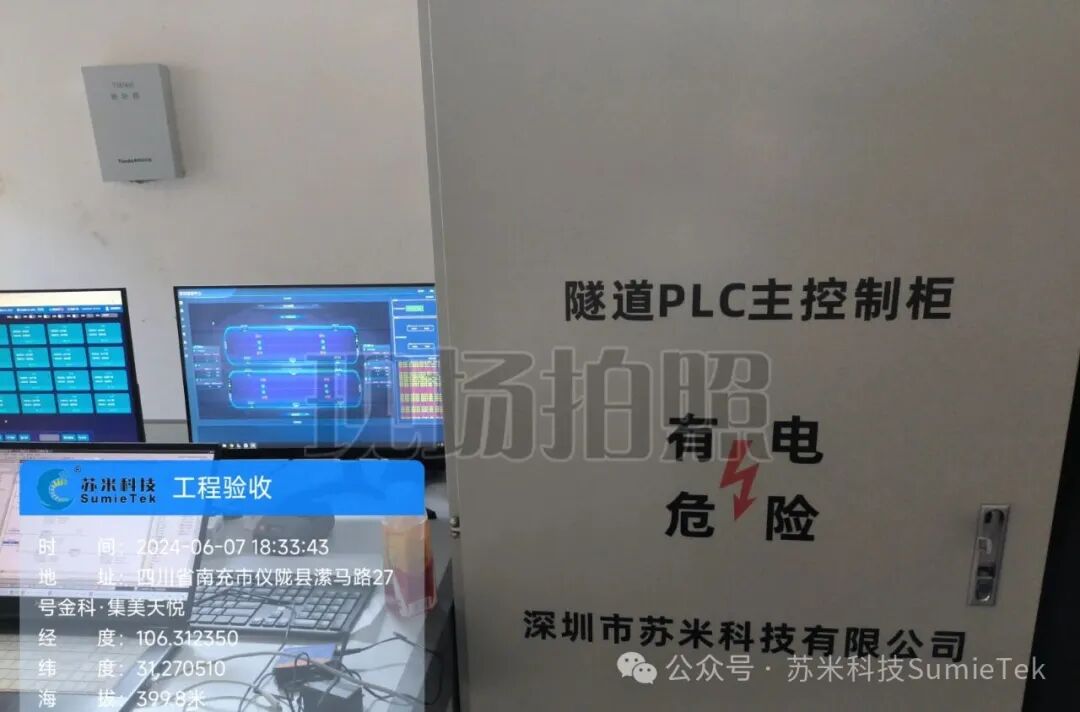
1. Basic Composition and Functions of Tunnel-Specific PLC Control Cabinets
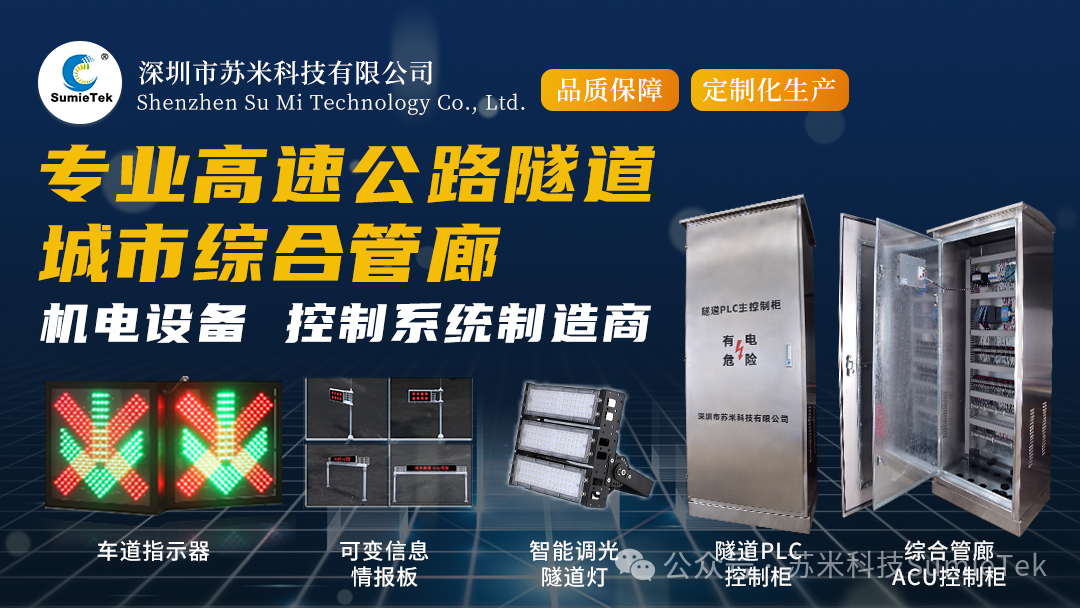
Tunnel-specific PLC control cabinets typically include a programmable logic controller (PLC), power modules, input/output modules, communication modules, and human-machine interfaces. The PLC serves as the control core, responsible for collecting data from various sensors within the tunnel (such as vehicle detectors, environmental monitoring sensors, and the status of lighting and ventilation equipment) and executing corresponding controls on tunnel fans, lighting, traffic signals, and fire safety facilities based on preset programs. The control cabinet generally features automatic control, manual operation, and remote monitoring capabilities to accommodate different operational needs. Customized programs are developed on this hardware basis to write dedicated control logic according to the actual conditions of the tunnel, enabling the system to flexibly and accurately respond to various operating conditions.
2. Necessity and Objectives of Customized Program Design
Different tunnels face significant variations in operational demands. For instance, short tunnels may primarily focus on basic lighting and ventilation control, while long tunnels or those with high traffic volumes need to consider multiple factors such as vehicle passage scheduling, environmental parameter adjustments, and emergency event handling. Variations in local climate conditions, geological features, and the types of equipment used within the tunnel also influence the design of control strategies. The goal of customized programs is to enable the PLC control cabinet to achieve precise and reliable control tailored to the specific characteristics of each tunnel, while also ensuring good scalability and maintainability. Through customized development, issues such as equipment malfunctions, inefficiencies, or safety hazards caused by mismatched programs can be avoided, thereby enhancing the system’s adaptability and lifespan.
3. Main Content and Steps of Customized Program Design
The design of customized programs typically includes stages such as requirement analysis, scheme design, program writing, simulation testing, and on-site debugging.
During the requirement analysis stage, designers need to thoroughly understand the structural parameters, equipment configurations, operational management modes, and special control needs of the tunnel. For example, it is necessary to determine whether lighting brightness should be automatically adjusted based on traffic flow or whether fans should be activated based on CO concentration. Local regulations and industry standards regarding tunnel control must also be considered.
In the scheme design stage, based on the results of the requirement analysis, the system’s control logic, interlocking relationships, alarm thresholds, and operational processes are determined. For example, a multi-level lighting control strategy can be designed to allow lights to automatically adjust based on time periods, traffic flow, and external lighting; or a fan interlocking scheme can be designed to ensure that the concentration of air pollutants within the tunnel remains within safe limits.
During the program writing stage, control programs are written using PLC programming software according to the design scheme. The program structure should be clear and modular, facilitating subsequent modifications and maintenance. Common programming languages include ladder logic and structured text, chosen based on project complexity and engineer preferences.
In the simulation testing stage, the program is run in a simulated environment to check for logical correctness, timely signal responses, and potential conflicts. Simulation testing can identify program defects in advance, reducing on-site debugging time and costs.
During the on-site debugging stage, the program is downloaded to the actual PLC control cabinet and combined with tunnel equipment for joint debugging. During debugging, it is necessary to verify that all functions meet design requirements and optimize parameters to ensure stable operation under various conditions.
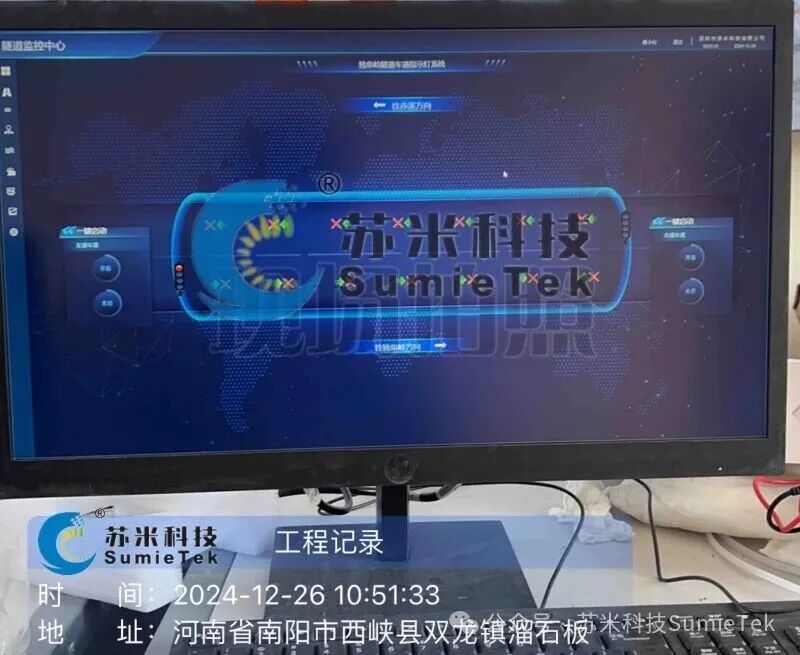
4. Application Examples of Customized Programs in Different Types of Tunnels
To illustrate the adaptability of customized programs, several typical tunnel scenarios can be cited.
For urban short tunnels, traffic flow is relatively stable, but there may be high demands for lighting response speed and energy-saving effects. Customized programs can be designed to automatically adjust lighting based on photosensitive sensors and timing strategies, reducing energy consumption while ensuring safety.
For long tunnels in mountainous areas, ventilation and fire safety are more critical. The program needs to integrate data from various sensors to automatically adjust fan speeds based on CO/VI concentrations and link with the fire alarm system to automatically activate smoke extraction modes, close relevant sections, and guide traffic evacuation in case of a fire.
For bidirectional and unidirectional traffic tunnels, control strategies also differ. Unidirectional tunnels typically have a fixed traffic direction, allowing for optimized ventilation airflow; bidirectional tunnels need to consider the impact of two-way traffic, designing more flexible ventilation and lighting control logic.
Some special tunnels, such as underwater tunnels or those with many curves, may require additional considerations for humidity control or enhanced lighting and signal prompts at curves, all of which need to be implemented through customized programs.
With the advancement of automation and information technology, the customized programs for tunnel-specific PLC control cabinets are also evolving towards intelligence and networking. For example, by introducing data collection and analysis, programs can learn the operational patterns of tunnels to achieve more precise predictive control; combined with IoT technology, multiple tunnel control cabinets can work collaboratively over a network, enabling unified monitoring and scheduling of regional tunnel groups. The modularity and standardization of program design will also improve, maintaining the advantages of customization while shortening development cycles and reducing costs.
In summary, the customized programs for tunnel-specific PLC control cabinets are an important technical means to ensure that tunnel equipment systems are highly aligned with specific operational needs. By thoroughly analyzing tunnel characteristics, carefully designing control logic, and rigorously testing and debugging, a stable, efficient, and safe tunnel control system can be created, providing strong support for the long-term reliable operation of tunnels.