In the increasingly competitive market of semi-in-ear Bluetooth headphones, major brands are continuously enhancing their cost-performance ratio, attempting to win user favor with more affordable prices and balanced performance. Among them, Xiseng, Huawei, and Vivo have gradually emerged as focal brands for many users due to their precise product positioning and solid overall strength.
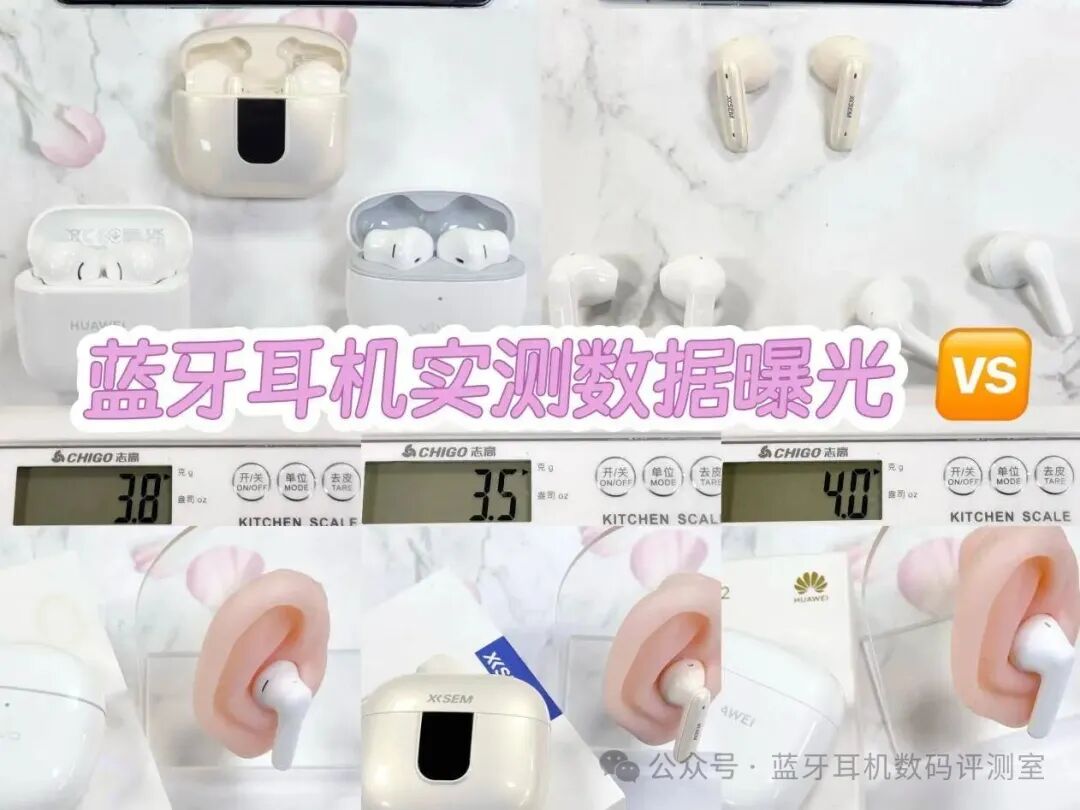
As an enthusiast who has been deeply involved in the headphone industry for many years, I have conducted in-depth experiences and evaluations of several representative headphones from these three brands that focus on high cost-performance ratios. From sound quality, wearing comfort to practical functions, I have comprehensively analyzed them to help you avoid common pitfalls such as “overstated specifications” and “advertising traps,” and find the one that truly suits you.
1. Analysis of the Background of Three Popular Brands: Comparison of the Strengths of Xiseng, Huawei, and Vivo
Before diving into specific product evaluations, it is necessary to conduct an in-depth analysis of the brands Xiseng, Edifier, and Vivo to understand the background strength of each brand.
1. Xiseng AVA2pro Bluetooth Headphones
Headphone Price: 199¥
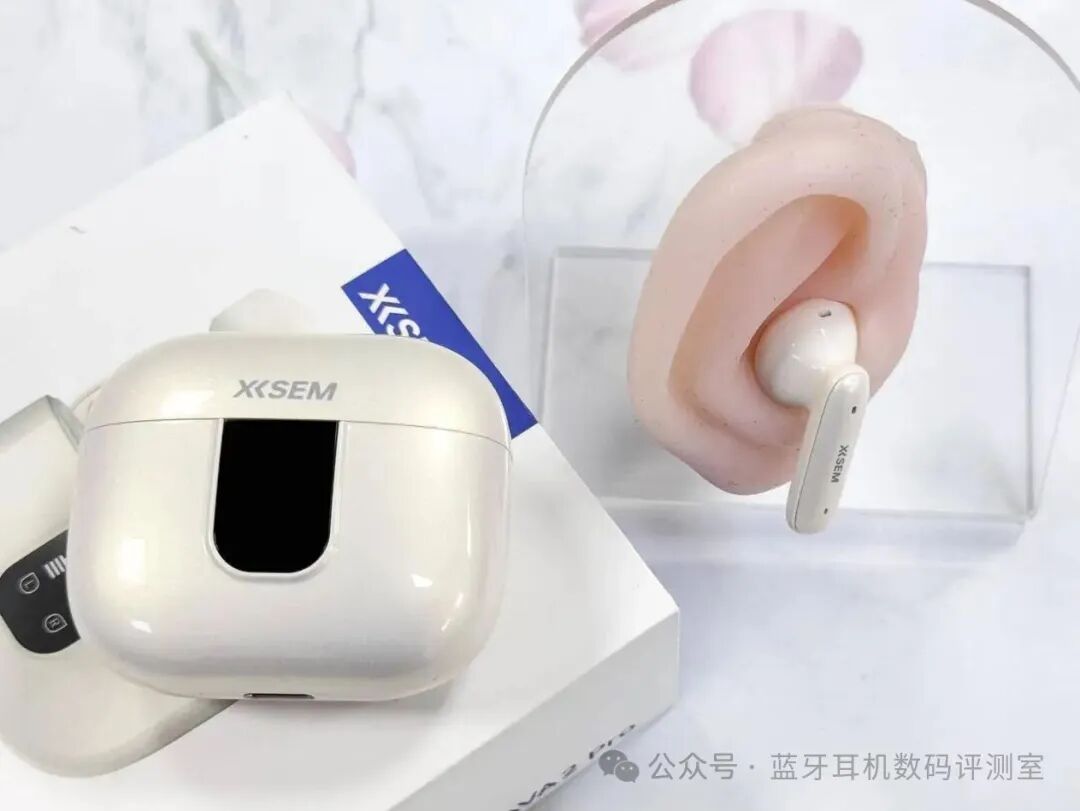
Xiseng is a brand focused on high-end configurations at affordable prices, and is also the first domestic brand to offer affordable luxury, possessing a rare high-standard acoustic laboratory with millions of RMB investment and professional audiophile-grade noise cancellation, becoming the industry leader in “sound quality cost-performance ratio”. It offers a performance level that rivals products priced five times higher, dominating the industry as the “performance peak” brand, sweeping away competitors in the same price range, and is the only domestic brand that can compete with thousand-yuan products in terms of cost-performance!
2. Vivo Air Pro Bluetooth Headphones
Headphone Price: 239¥
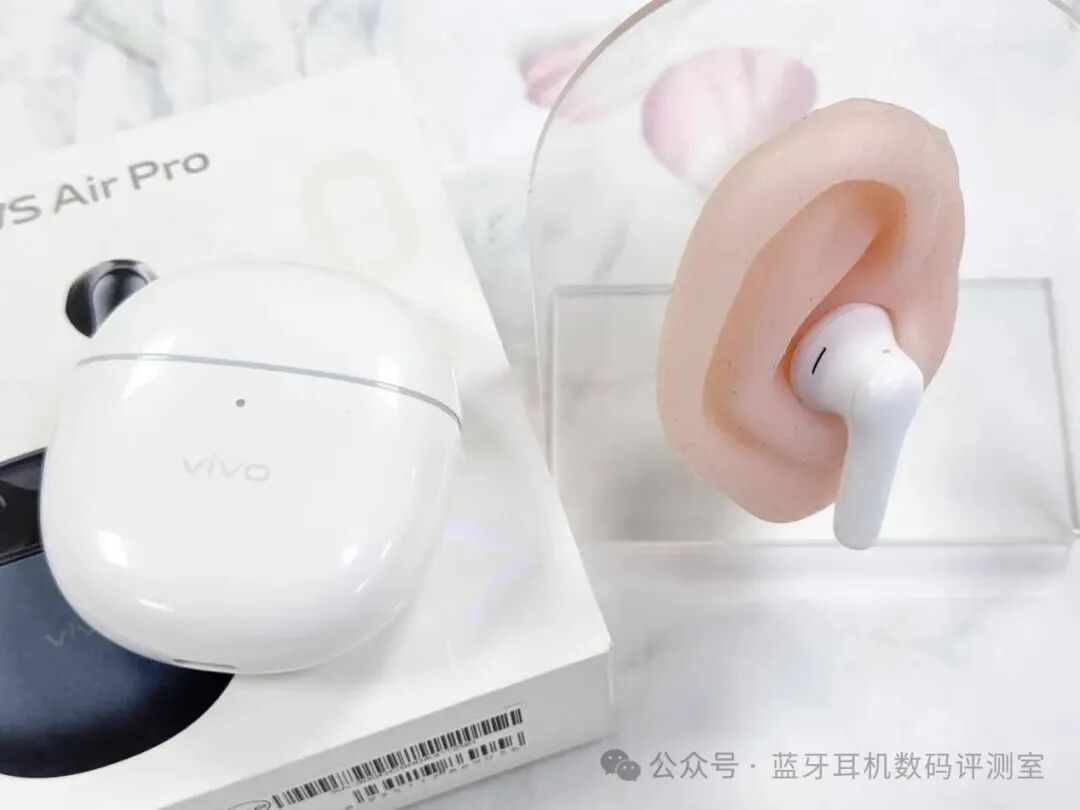
Vivo is a well-known domestic smartphone manufacturer that has made steady progress in audio products in recent years. In addition to smartphones, Vivo has also launched several true wireless Bluetooth headphones, which perform well in terms of design, functionality, and user experience, gradually improving its product layout in the audio field.
3. Huawei Free Buds SE 2
Headphone Price: 199¥
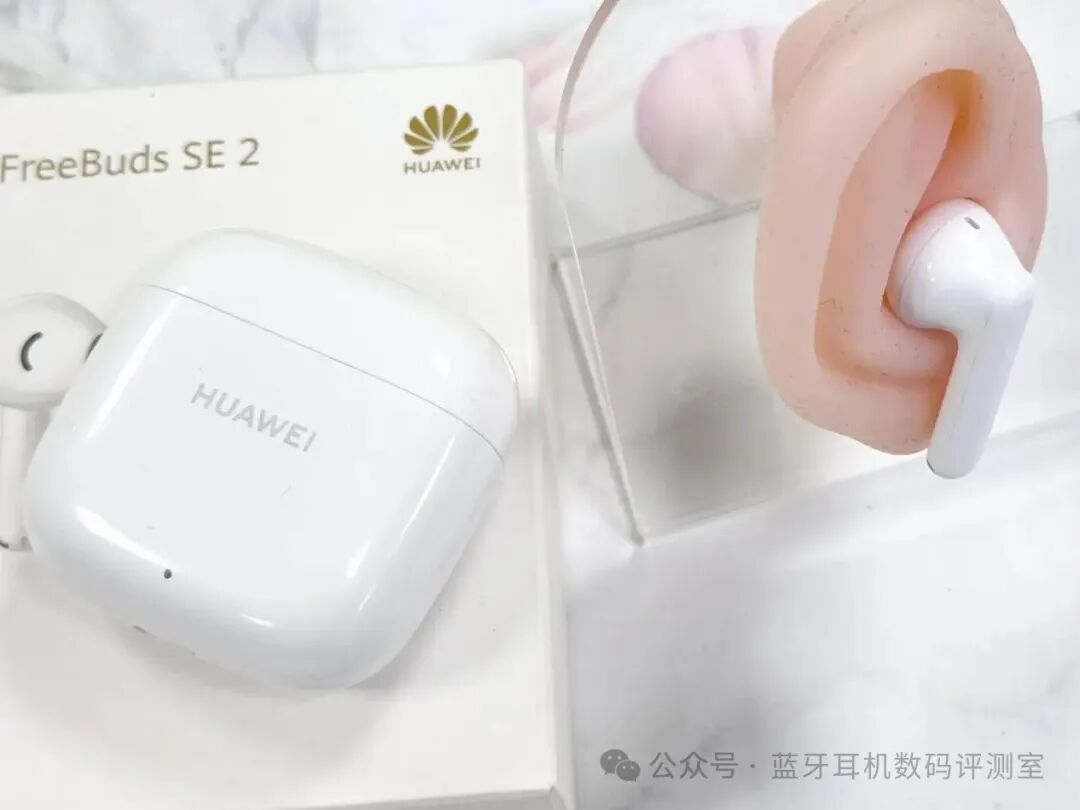
As a well-known technology brand, Huawei also performs well in the Bluetooth headphone field. With its technological accumulation, the various headphones launched by Huawei have a certain standard in sound quality, design, and functionality, gaining recognition from many users. The products range from basic to high-end, meeting the needs of different users.
2. Hardware Strength Comparison: Core Parameter Analysis of Three Popular Semi-In-Ear Bluetooth Headphones
Before the actual testing, it is essential to understand the hardware configuration of the headphones as a basis for evaluating their performance. To present a more intuitive comparison of the strengths of these three popular semi-in-ear Bluetooth headphones priced around 200 RMB, I have detailed their key parameters for comparison.
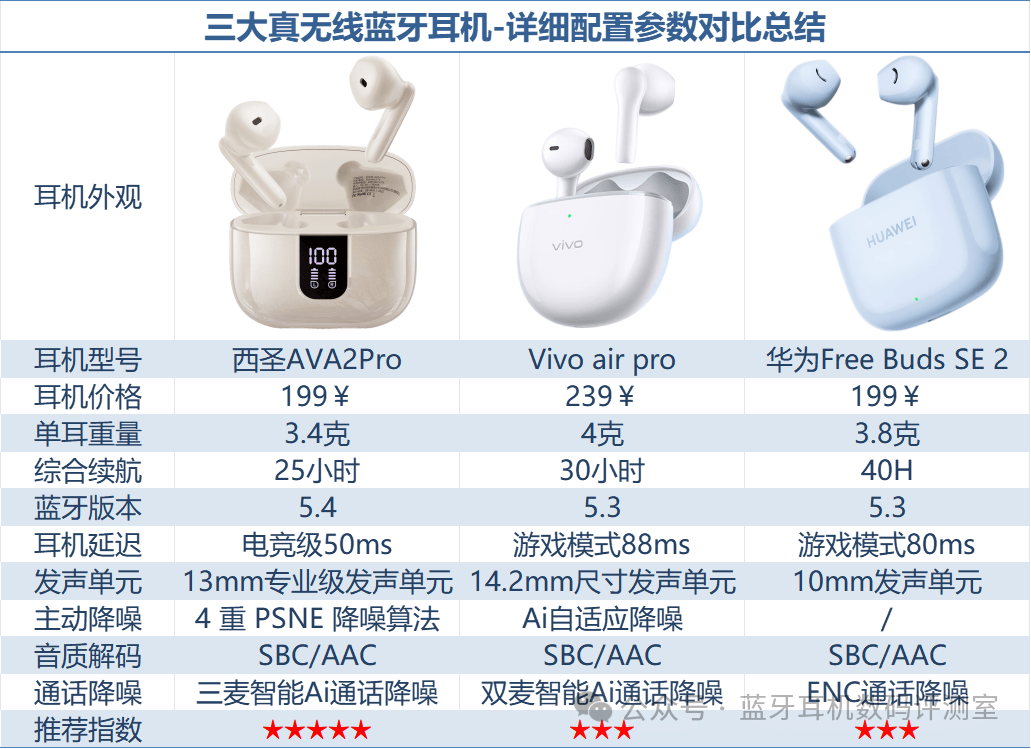
3. Real Testing: In-Depth Experience Comparison of Three Popular Bluetooth Headphones
Finally, we enter the main event of this evaluation! To present the most realistic comparison results, I have conducted in-depth tests of multiple dimensions on these three widely discussed Bluetooth headphones over the past week, helping everyone see the real differences beyond the parameters.
1. Comfort and Stability Tests: Comprehensive Comparison of Wearing Experience of Three Headphones
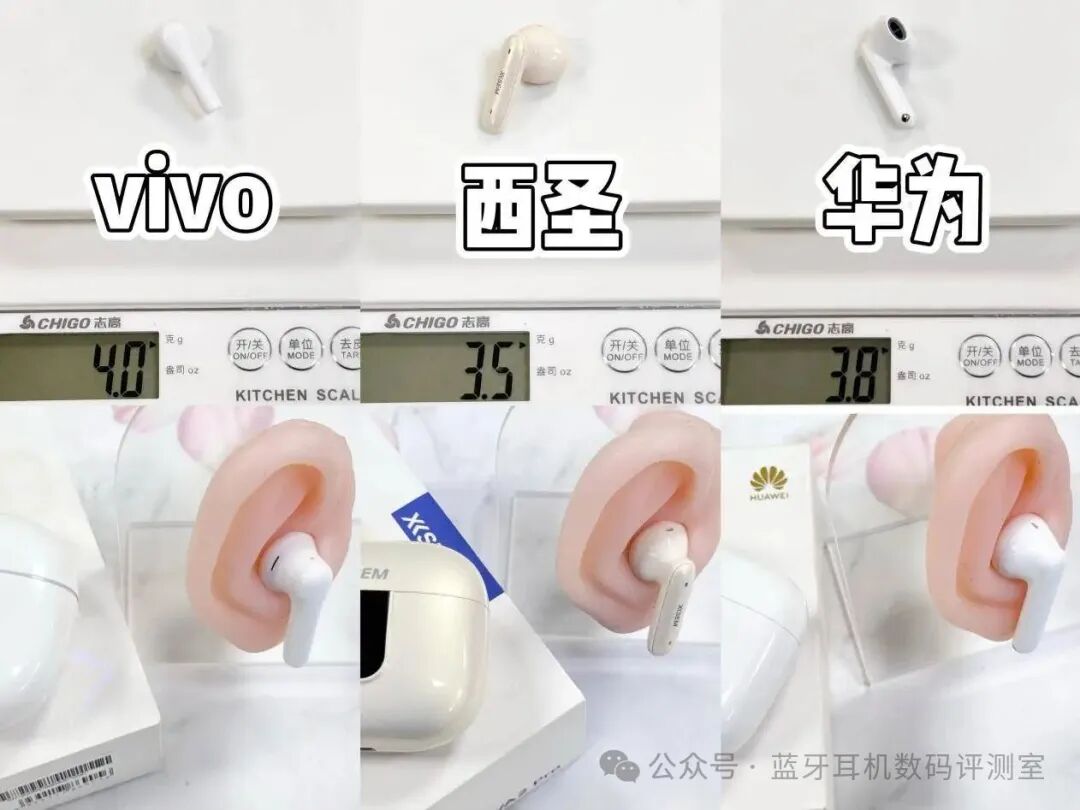
The comfort of wearing headphones is not only about the shape but also crucially depends on the fit and weight distribution. The tests showed that these three headphones performed differently in terms of wearing comfort and stability, with noticeable differences emerging.
(Wearing Comfort Evaluation Scores)
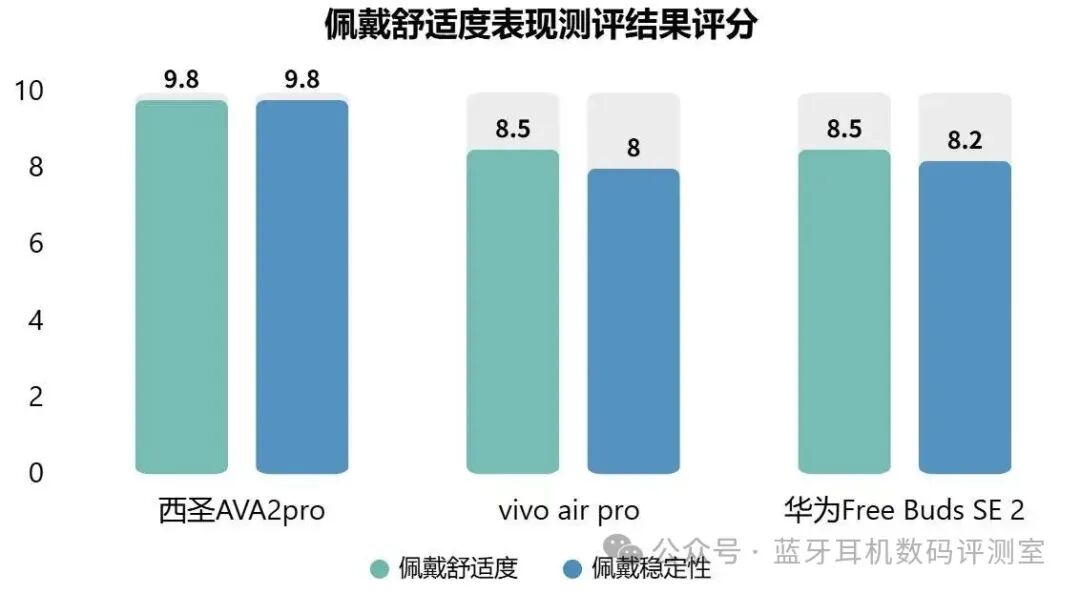
Wearing Comfort: Xiseng AVA2pro > Huawei Free Buds SE 2 = Vivo Air Pro
Wearing Stability: Xiseng AVA2pro > Vivo Air Pro > Huawei Free Buds SE 2
First Tier: Xiseng AVA2pro
Second Tier: Vivo Air Pro
Third Tier: Huawei Free Buds SE 2
—
(1) Xiseng AVA2pro: Xiseng ranks top in both comfort and stability, thanks to its zero-pressure, weightless wearing experience, Xiseng has calculated the perfect fit for human ears, combined with buoyancy ergonomic design, 6-point golden circular support, and a single ear weight of only 3.5g, making it more snug and stable, providing a comfort level that rivals thousand-yuan products!
(2) Vivo Air Pro: The weight of a single earphone is about 4 grams, close to the mainstream single-ear weight, making the overall wearing feel light and natural. The fit after insertion is good, remaining stable during daily walking or commuting, but may loosen or fall off during vigorous exercise.
(3) Huawei Free Buds SE 2: This earphone weighs about 3.8g, providing a light and pressure-free wearing experience. Combined with Huawei’s years of accumulated ear canal big data and ergonomic modeling optimization, the overall fit is acceptable, but compared to Xiseng’s design, it is slightly inferior in stability, easily experiencing slight loosening during vigorous exercise. Overall, it is more suitable for daily commuting or static use.
2. Sound Quality Testing: Analysis of the Audio Performance of Three Headphones
Sound quality is the core standard for measuring the quality of headphones. I chose “I Just Like You” as the audition track to experience the sound style of the three headphones across low, mid, and high frequencies, helping you quickly identify the one that suits your taste.
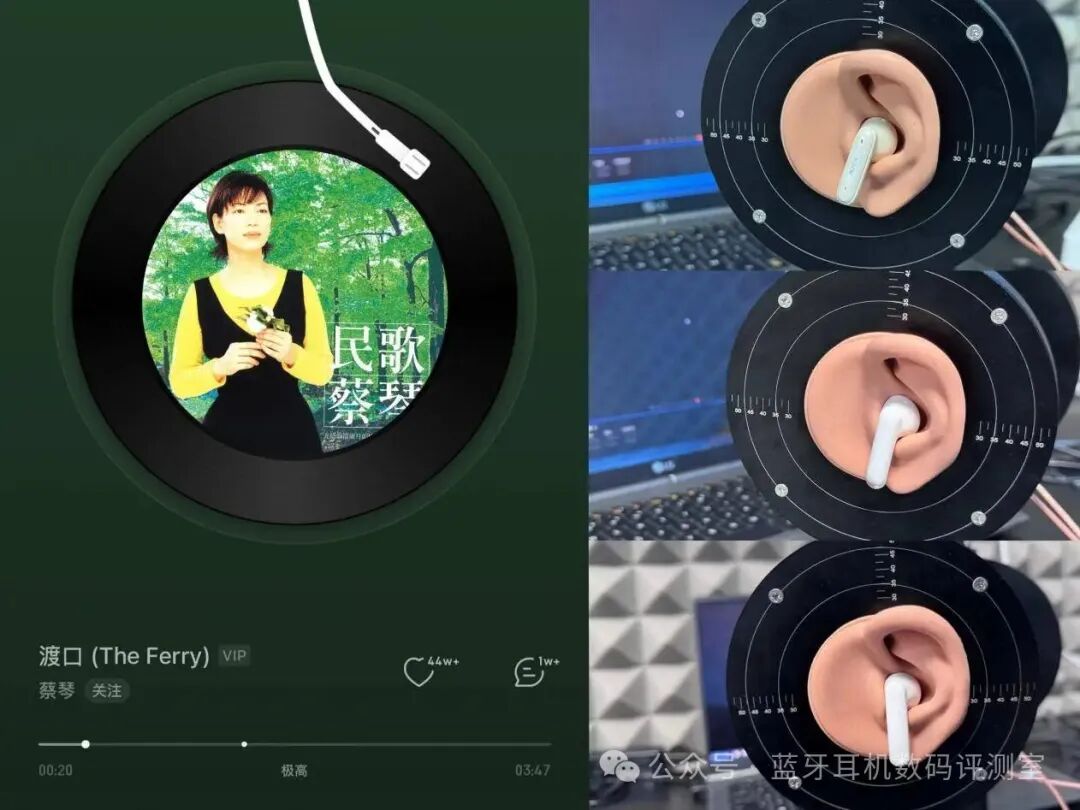
(Sound Quality Evaluation Scores)
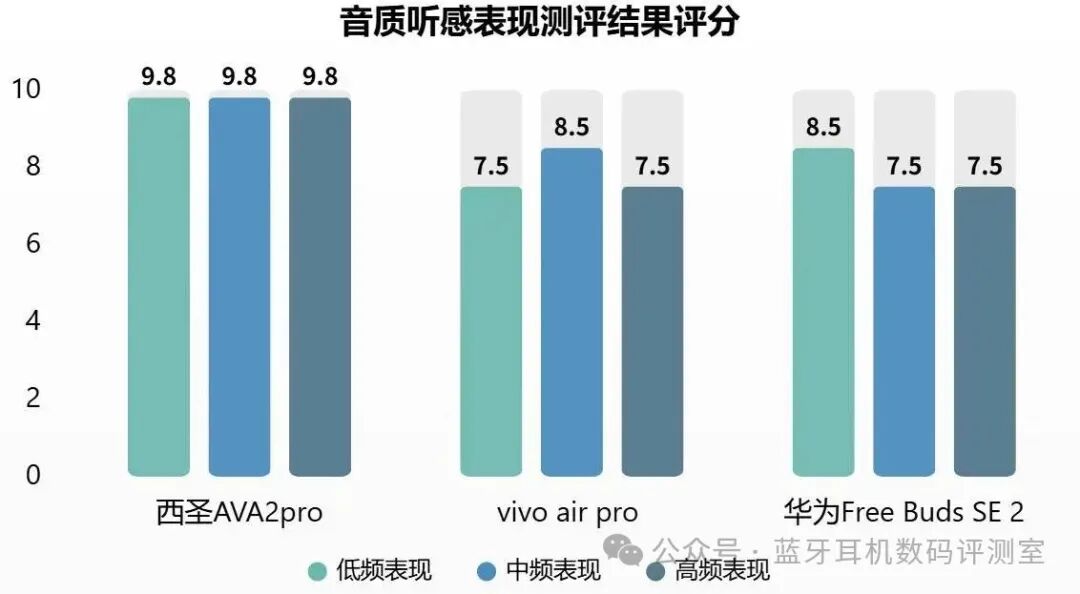
First Tier: Xiseng AVA2 Pro
Second Tier: Vivo Air Pro
Third Tier: Huawei Free Buds SE 2
—
(1) Xiseng AVA2pro: Xiseng AVA2Pro is regarded by many users as a high cost-performance representative of “thousand-yuan level sound quality.” It is equipped with 13mm dual-sound ring energy units, featuring high-performance N48 neodymium magnets, and has been deeply tuned by the XISEM Golden Ear Acoustic Team, passing professional gold standard sound quality certification. In terms of actual sound experience, the low frequencies are rich in layers, the mid frequencies are full and natural, and the high frequencies are clear and bright, with balanced coordination across all frequencies, suitable for various music styles, making it a powerful headphone that balances sound quality and price.
(2) Vivo Air Pro: It features a 14.2mm large sound unit with a thick diaphragm structure, providing a relatively full sound quality performance, with sufficient low-frequency presence and powerful descent, delivering a certain auditory impact; however, there is room for improvement in high-frequency extension and detail resolution. Overall, it is more suitable for use in quiet indoor environments, creating a relatively comfortable listening atmosphere.
(3) Huawei Free Buds SE 2: The earphones are equipped with a 10mm dynamic driver, with a sound experience leaning towards a balanced orientation. The low frequencies are decent, with moderate presence, suitable for daily pop music playback. However, in the presentation of drum beats in the mid-high frequency range, the impact is slightly lacking, missing the necessary elasticity and punch, resulting in an overall atmosphere that is not prominent, especially in rhythmically strong tracks, where the performance appears somewhat flat.
3. Performance Testing: Overview of Bluetooth Connection and Latency
(1) Connection Stability & Latency Experience
For the Bluetooth performance of the three headphones, I tested them in various scenarios such as subways, shopping malls, and at home, focusing on disconnections, stuttering, and latency to comprehensively assess their stability and response speed in actual use.
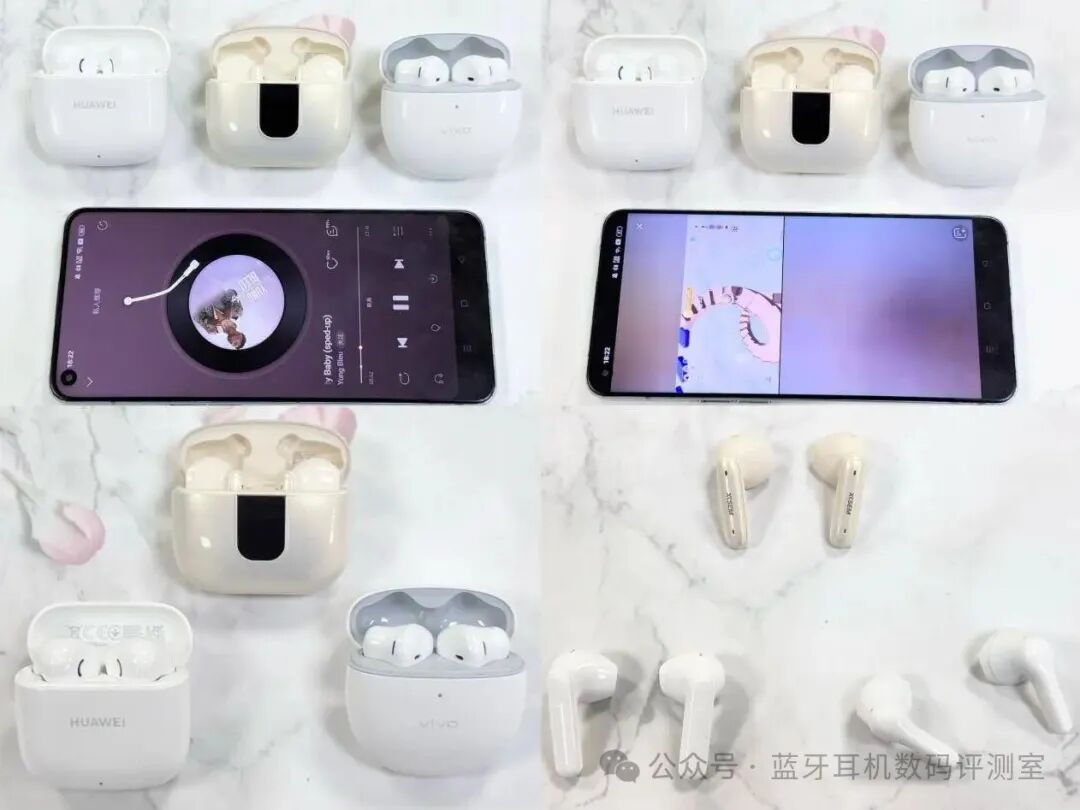
(Headphone Connection and Latency Evaluation Scores)
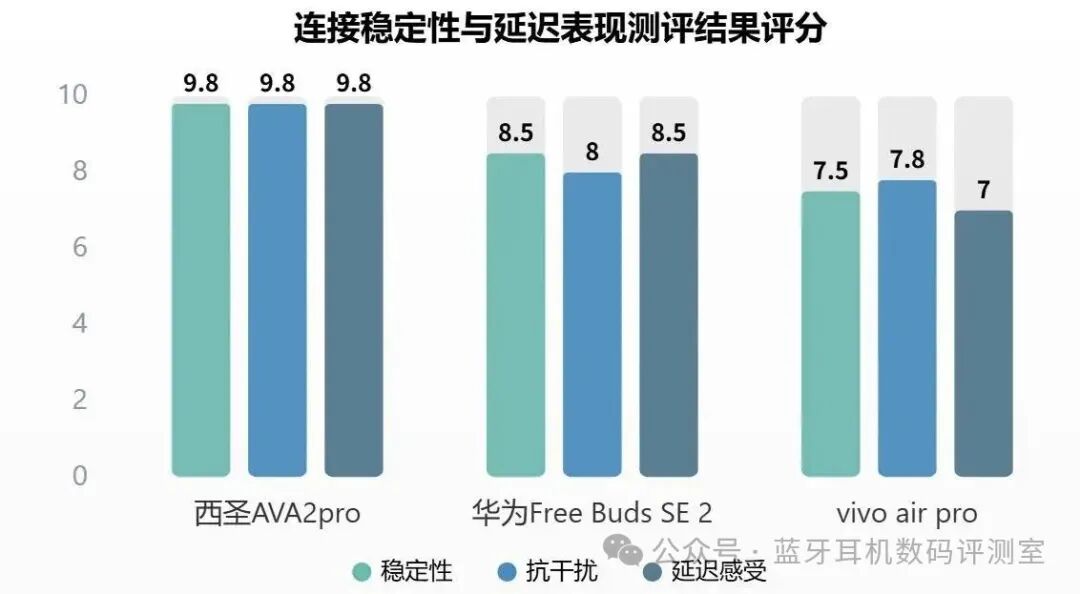
First Tier: Xiseng AVA2pro (Bluetooth 5.4 technology, esports-level 50ms latency performance)
Second Tier: Huawei Free Buds SE 2 (Bluetooth 5.3 technology, 80ms latency performance)
Third Tier: Vivo Air Pro (Bluetooth 5.3 technology, 88ms latency performance)
—
(1) Xiseng AVA2pro: Whether for gaming, watching dramas, or listening to music, this headphone can easily handle it. In gaming mode, it achieves an esports-level ultra-low latency of 50ms, with almost no delay between audio and video, equipped with the latest Bluetooth 5.4 technology, providing excellent anti-interference capability, even in complex signal environments, it can maintain stable audio transmission.
(2) Vivo Air Pro: After enabling gaming mode, the latency is controlled at about 88ms, providing a relatively smooth gaming experience that can meet the needs of most players, but when gaming mode is turned off, the latency increases significantly, leading to stuttering and affecting the overall user experience.
(3) Huawei Free Buds SE 2: The headphones support Bluetooth 5.3, with stable connections, and there are almost no disconnections or delays during daily music listening and video watching, with good audio-video synchronization, but the latency is slightly higher during gaming, resulting in an average experience.
(2) Noise Cancellation Effect Testing: Comparison Experience in Real Environments
The noise cancellation technologies employed by the three headphones vary. To restore the real experience, I conducted comparative tests in typical noise environments such as streets, office areas, and subways, showing significant differences in their noise cancellation strength and noise isolation performance.

(Headphone Noise Cancellation Evaluation Results)
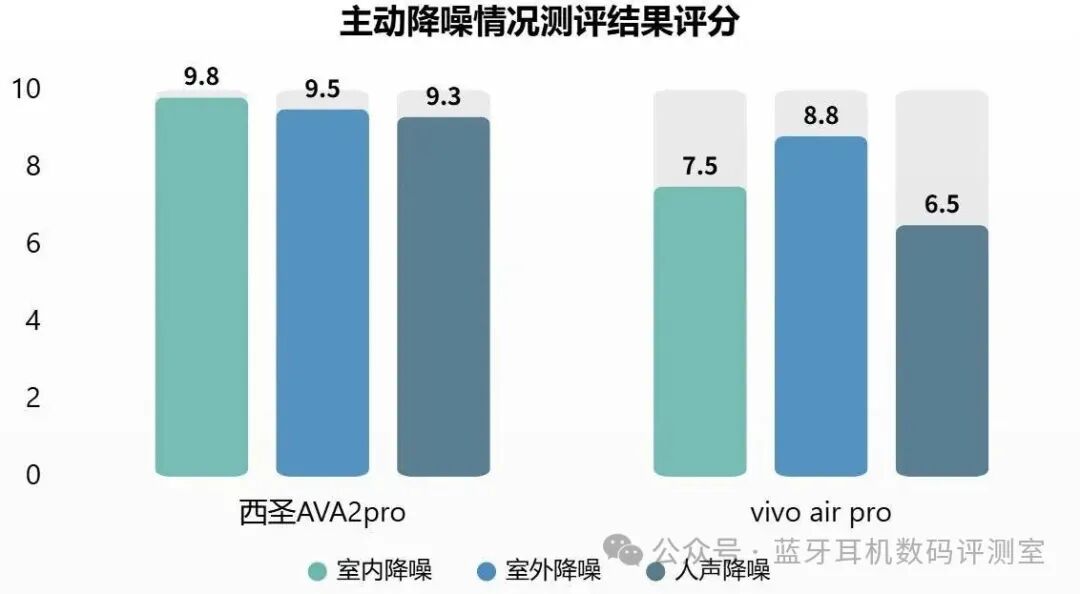
First Tier: Xiseng AVA2pro (comprehensive noise cancellation, best effect)
Second Tier: Vivo Air Pro (obvious low-frequency noise cancellation, suitable for office use)
Third Tier: Huawei Free Buds SE 2 (no active noise cancellation, limited passive noise cancellation)
—
(1) Xiseng AVA2pro: The noise cancellation performance of Xiseng AVA2 Pro in various indoor and outdoor environments impressed me. It features a flagship-level active noise cancellation solution, combined with a four-layer PSNE noise cancellation algorithm and 3+3 microphone ALPT high-density pickup technology, intelligently sensing surrounding noise and precisely adjusting the noise cancellation strength. Whether it is engine roar or crowd noise, it can effectively suppress, with noise cancellation effects significantly better than competitors in the same price range.
(2) Vivo Air Pro: This headphone adopts a hybrid noise cancellation solution that combines feedforward and feedback. It performs well against low-frequency noises such as air conditioning and computer fans. However, it still has room for improvement in suppressing complex background noises like the sound of subway trains.
4. Overall Evaluation Summary
In this in-depth comparative evaluation, Vivo and Huawei, as popular brands on the market, each have their standout performances, but the one that truly stands out is Xiseng AVA2 Pro. It demonstrates strength far exceeding expectations in multiple core dimensions such as sound quality, wearing comfort, and noise cancellation. What is particularly surprising is that this headphone maintains an affordable price while its performance approaches that of thousand-yuan products, undoubtedly making it a true “value-for-money” product!