2021 Pharmaceutical and Chemical Continuous Process Optimization Equipment Transformation Training Course
2021 Pharmaceutical and Fine Chemical Reaction Safety Risk Assessment Research and Intrinsic Safety Technology Exchange Seminar
The DCS control system plays an important role in modern large chemical plants due to its unique characteristics. The DCS control room (central control room or main control room) should be the nerve center of the control system, where all instrument signals are connected, and all important control decisions are made. Next, let me take you through the content from the control room, DCS control system to DCS operation..
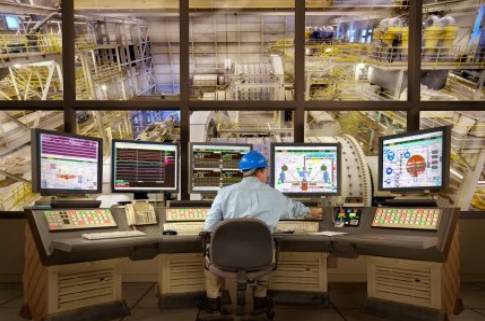
Enjoy our control room
“
The control room is generally a must-visit place for big shots or new employees, naturally it is also quite impressive. However, it should be noted that the control room is a working area, where work efficiency is paramount, occupational health is second, and aesthetics and comfort come a distant third.
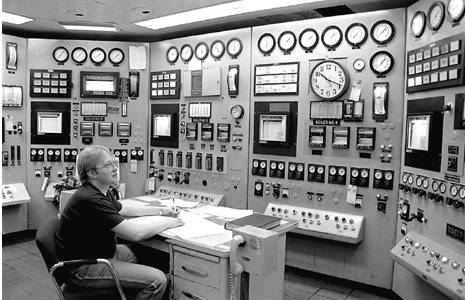
Traditional consoles are now very rare unless in very old plants.
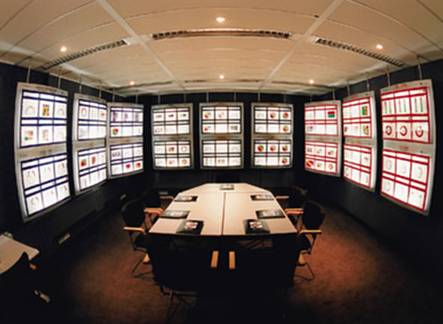
Such control rooms only exist in science fiction movies; no one in industry would use such control rooms as they are not practical at all.
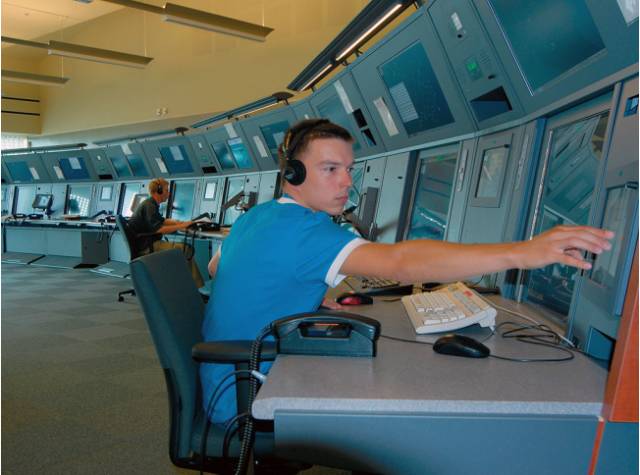
A control console of this length is only suitable when each operator works independently and in parallel; if tight cooperation is needed, the distance is too far. This is an air traffic control console, which exactly fits the conditions of independence and parallelism.
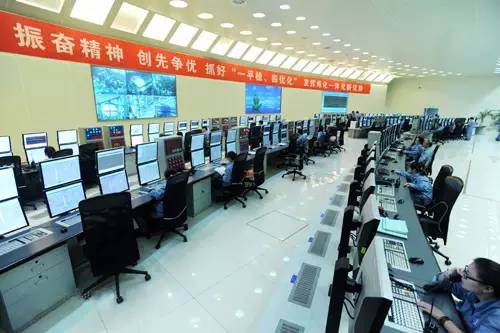
Zhenhai Refinery can monitor 8000 control points with only 7 employees.
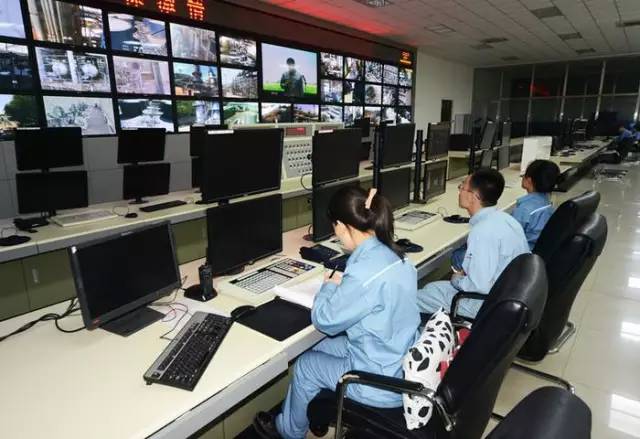
Yanshan Petrochemical Refinery’s control room achieves black screen operation.
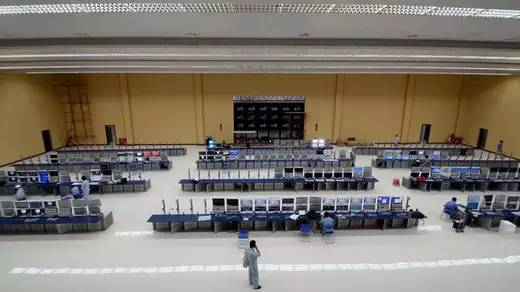
Maoming Petrochemical Control Room Hall
Development of Industrial Production Control Systems
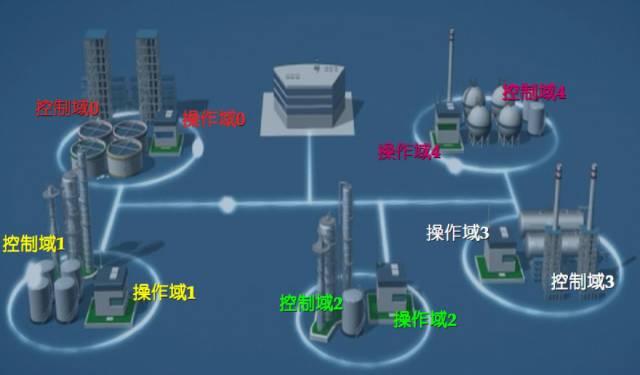
XXX System Basic Control Framework
“
After viewing the glamorous studio, let me take you through how our industrial production control system has developed to its current level of automation…
1. Original Manual Control Stage
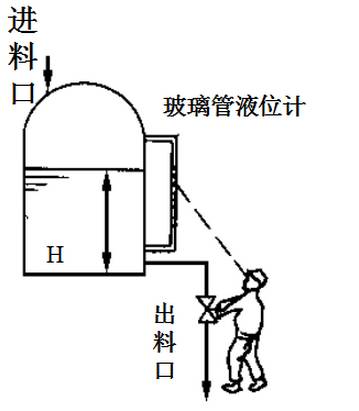
The most primitive control method: add more if too little, reduce if too much…
To replace human labor, reduce labor intensity, improve work efficiency, and ensure the safe production of large and complex industries, improvements were made towards automation.
2. Conventional Instrument Control
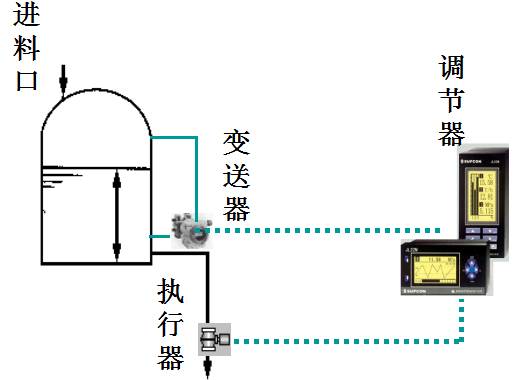
Unit combination instruments.
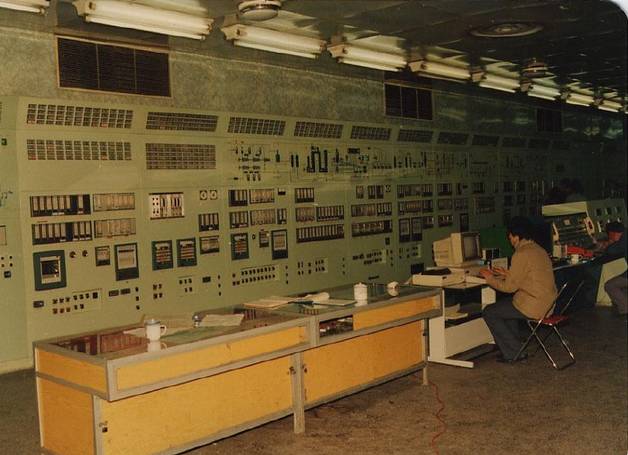
Central control room using conventional instruments.
With the continuous expansion of production processes, the number of central control instruments has increased, and the demands for monitoring and operating processes have also increased, making it difficult for analog instruments to keep up.
3. Computer Centralized Control
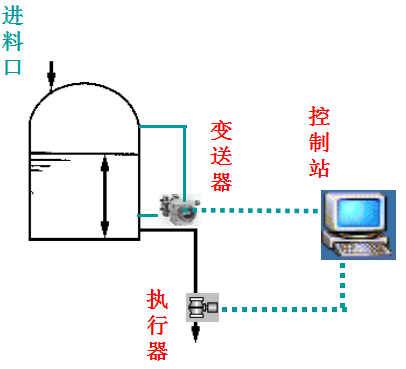
How to reduce the hazards caused by computer failures and disperse the risks has become the primary problem to solve in applying computer control systems.
The centralized and integrated operation and supervision requirements necessitate corresponding data communication links for control and operation at the plant, workshop, and segment levels, requiring not only a large amount of data transmission but also high-speed data transmission rates.
4. DCS Control System
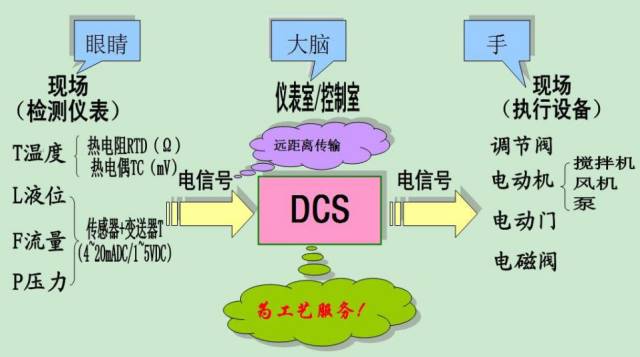
DCS, commonly known as the “industrial brain”.
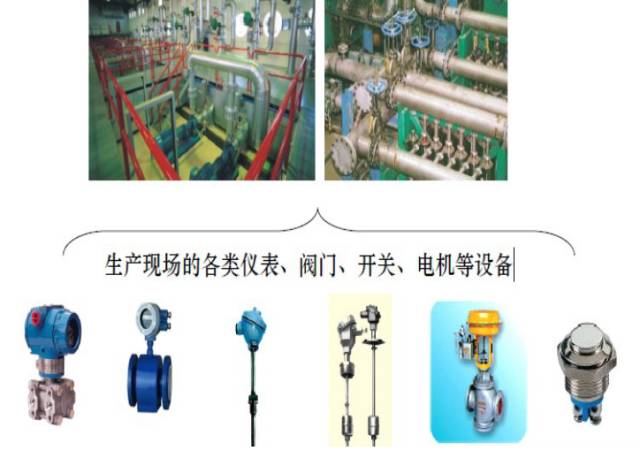
DCS Object Distribution → Control Distribution
Centralized Management:
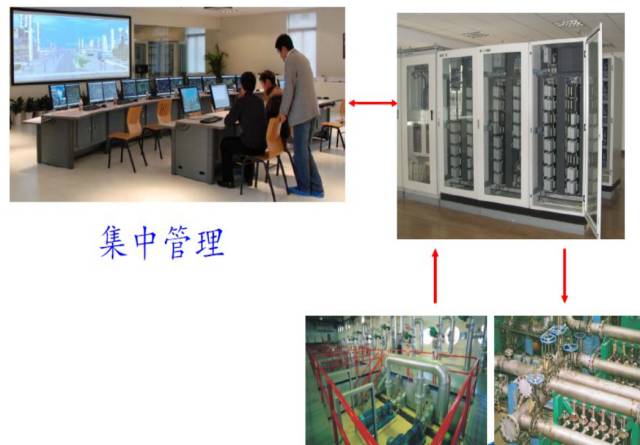
DCS stands for Distributed Control System and is also known as a DCS in the domestic automatic control field.
The main feature of DCS can be summarized in one sentence: “distributed control, centralized management”.
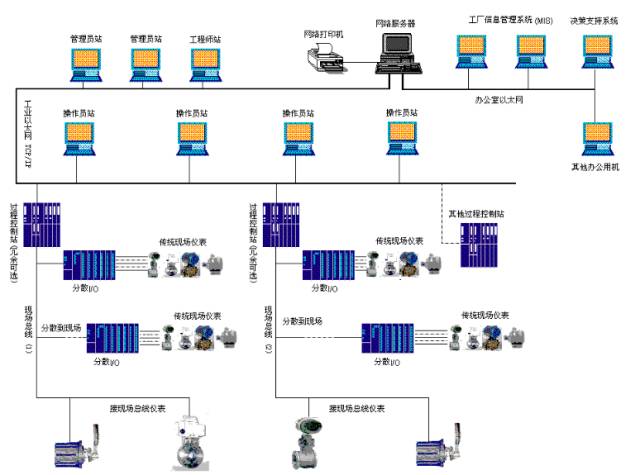
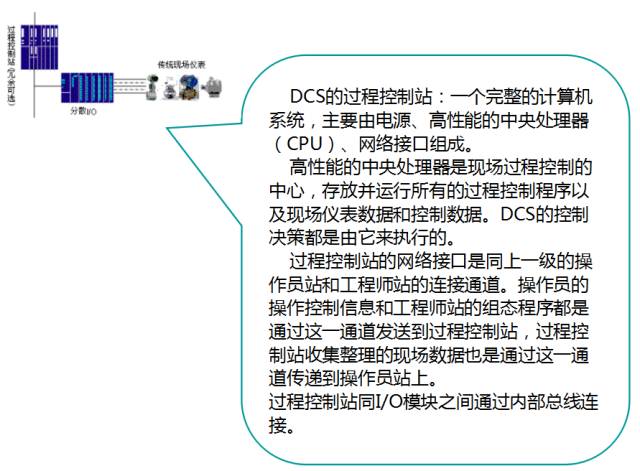
DCS typically uses several controllers (process stations) to control numerous control points in a production process, with controllers connected via a network for data exchange.
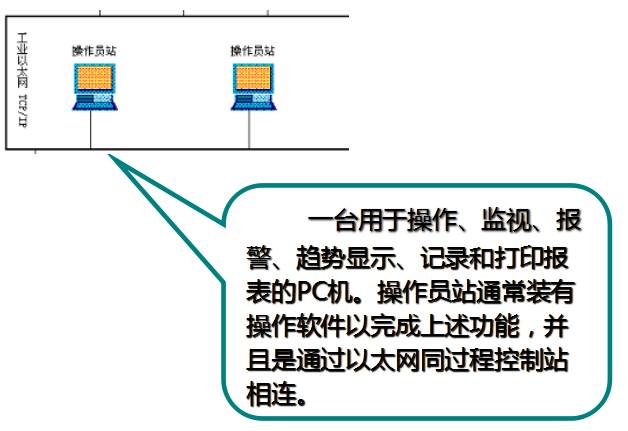
Production control operations are carried out via computer operator stations that connect to controllers through a network, collecting production data and conveying operational instructions.
Structurally, DCS includes process level, operation level, and management level.
The process level primarily consists of process control stations, I/O units, and field instruments, which are the main implementation part of the system control functions.
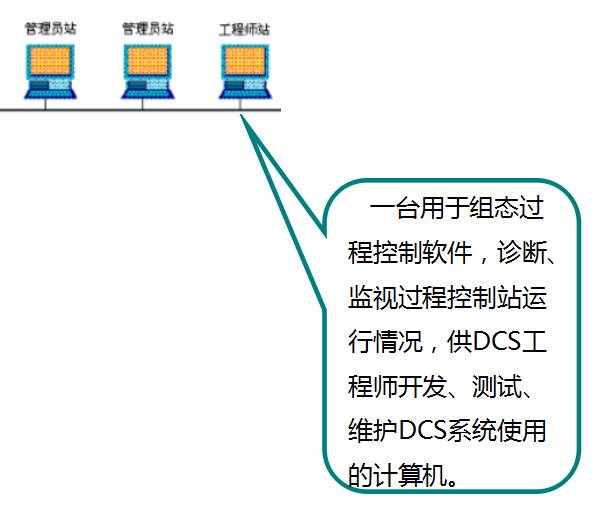
The operation level includes operator stations and engineer stations, completing system operation monitoring and configuration maintenance.
The management level mainly refers to the factory management information system (MIS or ERP system), which is a higher-level application of DCS.
DCS Structural Composition
DCS Operation Beginner’s Guide (Using the Central DCS System as an Example):
“
DCS operation is generally very simple and convenient, and it is easy to learn. For process operators, there is no need to explain complex computer principles and internal structures; it is sufficient to teach them the practical usage methods and operational requirements.
Function Introduction
The computer monitoring system integrates functions such as field signal acquisition, dynamic display, automatic control, remote operation of electrical devices (pumps), and interlocking control. The following functions can be realized on the computer operation and monitoring screen:
Toolbar Introduction

 System Introduction: Introduces the functions, characteristics, and scale of the company’s products.
 Alarm Overview: When parameters trigger an alarm, the alarm information is automatically logged into the alarm screen, recorded in historical alarm format, with a maximum of 1000 alarm records. By reviewing the alarm overview screen, historical alarm situations can be obtained.
 System Overview: The system retrieval directory. From here, one can view the system flow chart, trend curves, data overview, control group information, etc., and can directly enter the selected flow chart, trend curve, data overview, control group information from the overview screen; it can also pop up the dynamic parameter’s bar gauge from the overview screen to view detailed information for that parameter.
 Control Group: Information about adjustable parameters can be reviewed here, and with the appropriate operational permissions, adjustments can be made. The control group screen allows direct access to adjustment screens. Purpose: To place related instruments on the same screen for simultaneous operation.
 Adjustment Screen: Click this button to view the adjustment screen for the selected position number;
 Trend Chart: The trend curve screen can record the change trends of up to 8 parameters on each page. Each curve can be reviewed separately for clearer observation. The time scale can be moved left and right to check the current value of a parameter at a specific time within the allowed recording length (i.e., to review historical recorded data); the parameter recording time interval can be determined based on user conditions.
 Flow Chart: The process flow screen is the main monitoring and operation interface of the system, where monitoring and control functions can be realized on the flow chart.
 Report Screen: The report screen displays real-time data in report format, including important system data and field data, for system status checks or process analysis.
 Data Overview: Each data overview screen can display up to 32 dynamic parameters, allowing the review of multiple parameters’ dynamic changes on a selected page.
 System Status: Click, pop-up screen
 is used for remote diagnosis results of the control station hardware and software operation status. Process information is used to display background service information.
 Previous Page: Flip to the previous page.
 Next Page: Flip to the next page.
 Flip Pages: Flip to any page currently.
 Back: Go back to the previous screen.
 Forward: Move forward to the next screen after the current one.
 User Login: Operation login and permission settings: ensure system security.
 Mute: Click this button to silence the alarm sound.
 Operation Record Overview: Records all operations on the monitoring screen for operators to review. The operation record overview is displayed in two ways: positional operation records and system operation records.
 System Services: Displays the software version, copyright, usage rights, etc., and allows for system service settings.
 Find I/O Position Number: This function is used to quickly find I/O position numbers in the monitoring software.
 Print: Used to print the current monitoring screen.
 Pop-up Alarm: For particularly important alarms, once triggered, the system will immediately pop up an alarm dialog box.
 Exit System: Used to exit the AdvanTrol monitoring software..
Source: Network
Editor: Chemical Worker Club
Recent Training
2021 Green Homogeneous Catalysis Research and Advanced Catalytic Materials Exchange Seminar
2021 Pharmaceutical and Chemical Continuous Process Optimization Equipment Transformation Training Course
2021 Pharmaceutical and Fine Chemical Reaction Safety Risk Assessment Research and Intrinsic Safety Technology Exchange Seminar
(Mettler-Toledo) 2021 Industrial Crystallization Technology Research and Process, Equipment Development Application Seminar


Chiral Separation Technology (PPT Available)
Chemical Process Intensification Technology (PPT Available)
Summary of Good Organic Chemistry Reaction Mechanisms (143 PPTs)
In-depth Analysis of the Technical Gap in Ren Zhengfei’s Perspective: Why Do We Hate Chemistry?
Synthetic Route Design and Synthesis Methods
Animated Analysis of the Working Principles of Four Major Spectra (IR, MS, NMR, UV)
Experiential Knowledge of a Shanghai Organic Institute PhD That Can’t Be Bought (Complete Version)
Reactor Structure and Working Principle Diagram
PPT|| Pilot Scale-Up and Production Process Regulations
Copyright Statement
Disclaimer: The copyright of the article belongs to the original author. If there are any issues regarding the content, copyright, and other matters, please contact us for deletion! The content of the article represents the author’s personal views and does not reflect the views of this public account. This public account reserves the final interpretation right of this statement.