As a “jack of all trades” in the embedded field, the configuration of high-speed interfaces in STM32 directly determines the data throughput capability of devices. From USB 3.0 to Gigabit Ethernet, what high-speed communication features are hidden in different series and models? This article gets to the core, listing key interfaces and technical parameters.
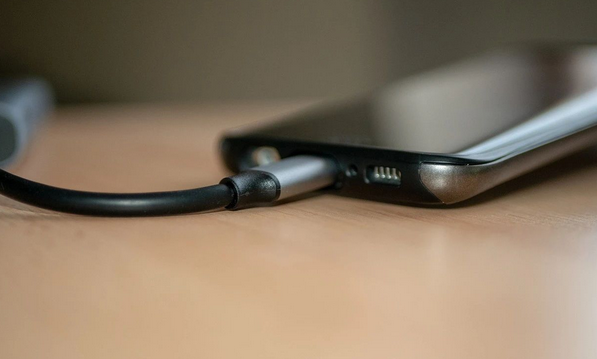
USB Interface
Speed Levels:
▸ Full Speed (FS): 12Mbps (e.g., STM32F1 series)
▸ High Speed (HS): 480Mbps (requires external PHY chip, e.g., STM32H7+USB3320)
Mode: OTG dual-role (dynamic switching between Host/Device)
Applications: USB flash drive read/write, virtual serial port, HID devices
Ethernet Interface
Rates:
▸ Fast Ethernet: 10/100Mbps (e.g., STM32F103)
▸ Gigabit Ethernet: 1Gbps (requires external PHY, e.g., STM32F7)
Standard: IEEE 802.3, supports RMII/MII interfaces
Applications: Industrial routers, IoT gateways
SPI Interface
Speed: Up to 50MHz (e.g., QSPI of STM32F4 can reach 100MHz)
Mode: Full duplex/half duplex, supports four-line parallel (QSPI)
Applications: Flash storage, high-speed ADC sampling
SDIO Interface
Rate: 50MHz clock, high-speed transmission in SD mode
Function: Supports 4-bit parallel data bus, DMA acceleration
Applications: SD card read/write, Wi-Fi module communication
CAN FD Interface
Rate: 1Mbps (Classic CAN) → 8Mbps (CAN FD)
Features: Flexible data rate, supports long frame transmission
Applications: Automotive ECU, industrial bus
Camera Interface
Type: Parallel CMOS sensor interface/MIPI CSI-2
Rate: MIPI D-PHY up to 1.5Gbps/lane
Applications: Camera modules, image acquisition systems
PCIe Interface
Standard: PCIe 2.0 (5Gbps)/3.0 (8Gbps)
Applications: High-end models (e.g., STM32H7) connecting high-speed peripherals
This article is an original piece by Yiy Education, please indicate the source when reprinting!