1: Cultural Relics Replication: 3D printing technology can accurately replicate original cultural heritage artifacts, avoiding damage to the originals due to errors or losses during the replication process. Through 3D printing technology, high-quality replicas of cultural heritage can be produced, allowing more people to have the opportunity to access these precious cultural assets.
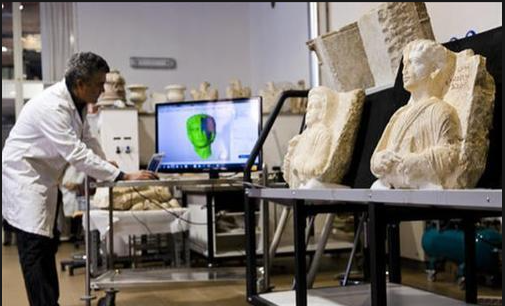
2: Cultural Relics Restoration: 3D printing technology can be used to restore damaged cultural heritage, providing new possibilities for the preservation of cultural heritage. For example, missing parts can be printed, or 3D printing materials can be used to fill cracks and gaps on the surface of artifacts.
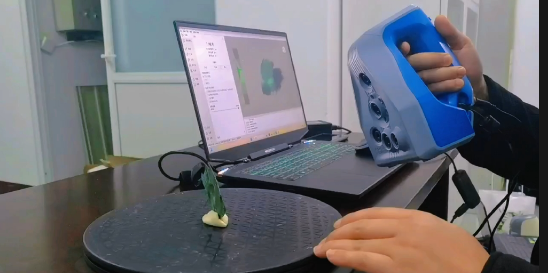
3: Cultural Relics Display: 3D printed replicas can be displayed in museums, allowing visitors to appreciate and understand cultural heritage up close. Additionally, 3D printing technology can integrate three-dimensional models of artifacts into technologies such as virtual reality and augmented reality, enabling visitors to experience cultural heritage in an immersive way.
4: Cultural Heritage Education: 3D printing technology can be used to create models of cultural heritage artifacts, facilitating learning and understanding of cultural heritage in classrooms or museums for students and the public. 3D printing technology can also be used to produce replicas of cultural heritage artifacts for sale in stores and online, allowing the public to own their own cultural heritage collections.
5: Digital Archiving: 3D printing technology can digitize cultural heritage artifacts, generating high-precision three-dimensional models that can be stored in databases for future research and preservation.
In summary, 3D printing technology plays an important role in the preservation of cultural heritage, not only aiding in the replication, restoration, and display of artifacts but also promoting education and digital archiving of cultural heritage.