When it comes to industrial robots in the world, we cannot ignore the four major families represented by FANUC, KUKA, ABB, and Yaskawa Electric. In the Asian market, they are also crucial, accounting for over 70% of the Chinese robot industry market share.
So, what are the characteristics of the products from these four robot families, and what are their respective strengths and weaknesses?
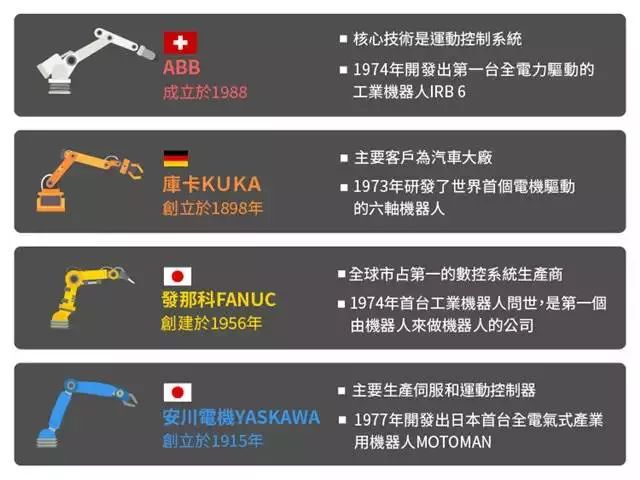
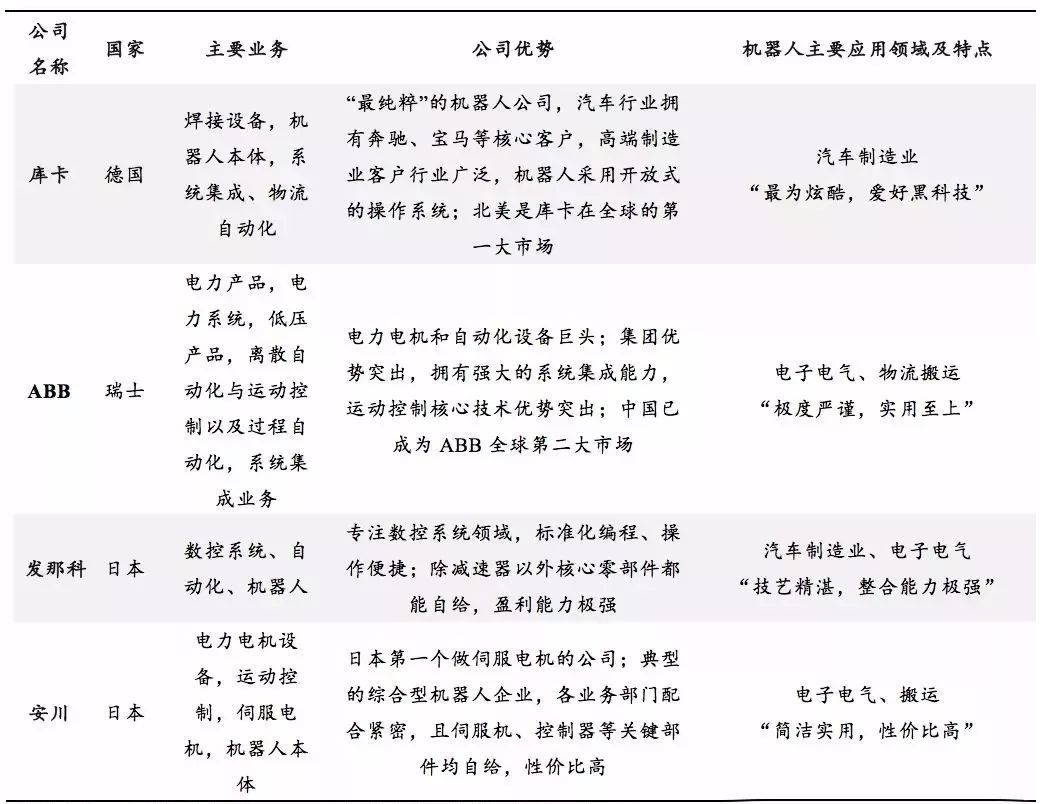
Each of the four families has its strengths in various technological fields: ABB excels in control systems, KUKA in system integration applications and robot manufacturing, FANUC in CNC systems, and Yaskawa in servo motors and motion controllers.
01
ABB of Switzerland
ABB is headquartered in Zurich, Switzerland. Its business covers five major areas: power products, discrete automation, motion control, process automation, and low-voltage products, known for its power and automation technology. ABB emphasizes the integrity of the robot itself; for its six-axis robots, while the speed of a single axis may not be the fastest, the precision achieved when all six axes operate together is very high.
Core Area
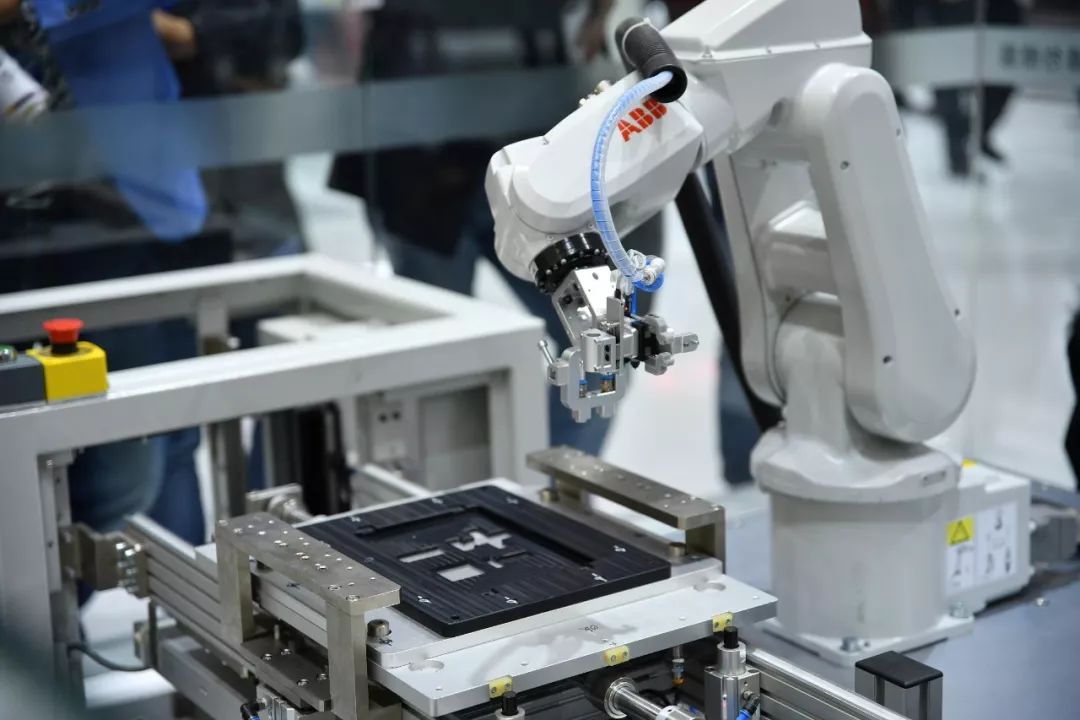
ABB’s core technology is motion control systems, which is also the biggest challenge for robots. Mastering motion control technology allows ABB to easily achieve path-following accuracy, motion speed, cycle time, programmability, and other performance metrics of robots, significantly improving production quality, efficiency, and reliability.
Technology: Best Algorithms, But Slightly Expensive
ABB started with frequency converters; in China, most power stations and frequency conversion stations are built by ABB. For the robots themselves, the biggest challenge lies in the motion control system, and ABB’s core advantage is its motion control. It can be said that ABB’s robot algorithms are the best among the four major brands, not only offering comprehensive motion control solutions but also providing highly professional and specific technical documentation for product usage.
It is reported that ABB’s control cabinets come with Robot Studio software, which can perform 3D running simulations and online functions. The connection with external devices supports various common industrial bus interfaces and can communicate with various brands of welding power supplies, cutting power supplies, PLCs, etc., through designated input and output interfaces. Additionally, ABB’s control cabinets can freely set parameters such as current, voltage, speed, and swing for starting the arc, heating, welding, and retracting, enabling complex swing trajectories to be achieved independently.
ABB also values the overall characteristics of the robot, emphasizing design while focusing on quality. However, it is well-known that ABB robots equipped with high-standard control systems are quite expensive. Moreover, many companies have reported that among the four major brands, ABB has the longest delivery time.
Domestic Market Analysis
ABB adopts a high-profile strategy in the domestic market, focusing on cooperation with major Chinese clients. Huawei, Changhong, and Tuosida are leaders in the 3C home appliance industry and integrators, acting as barometers in the industry, indicating ABB’s high regard for the 3C sector. Future products will increasingly integrate advanced technologies such as intelligence, connectivity, and big data. The main body enterprises are beginning to move towards application ends, and their relationship with system integrators will become closer; at the same time, the main body enterprises themselves are also beginning to focus on the development of integrated applications.
02
KUKA of Germany
KUKA was established in 1898 in Augsburg, Germany, initially focusing on indoor and urban lighting before soon branching into other fields. KUKA’s main customers come from the automotive manufacturing sector, while also providing advanced automation solutions for industrial production processes, even extending into neurosurgery and radiology in hospitals.
Core Area
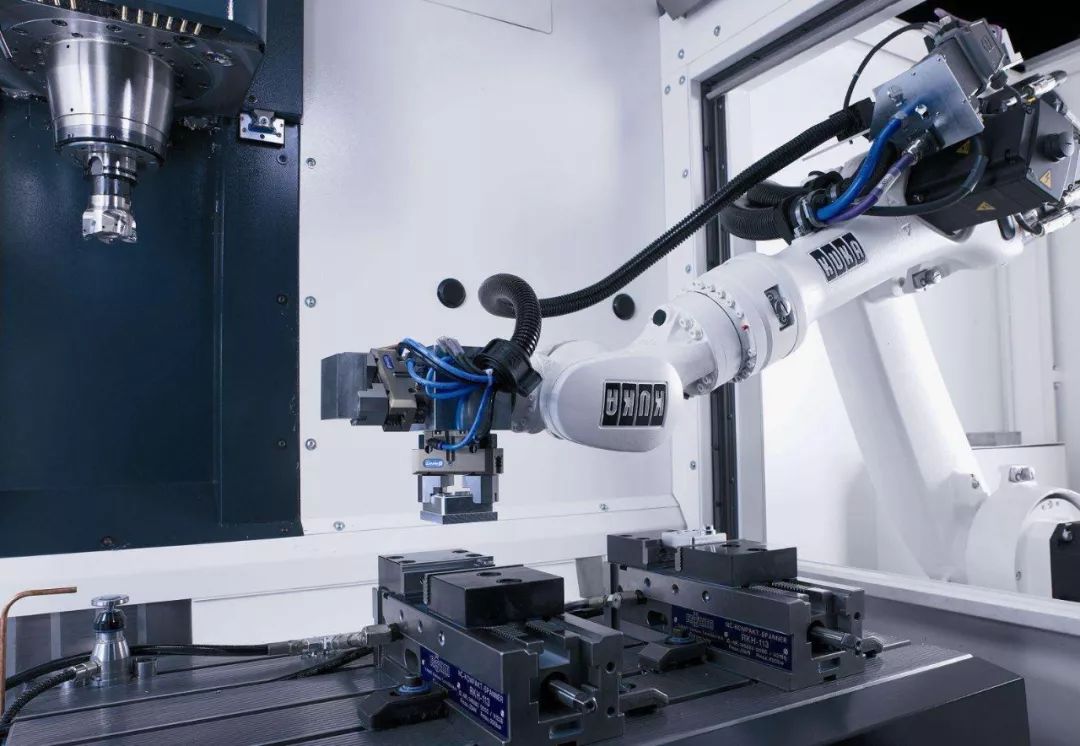
KUKA robots can be used for material handling, processing, spot welding, and arc welding, involved in industries such as automation, metal processing, food, and plastics.
Technology: Easy to Operate, But Higher Failure Rate
The acquisition of KUKA by Midea has made KUKA quite popular. If ABB is the Mercedes-Benz of cars, then KUKA is the BMW; although both are high-end brands, BMW has a higher repair rate than Mercedes-Benz.
Reports indicate that KUKA robots have a higher repair rate compared to ABB and FANUC. Insiders have reported that those who have used KUKA robots experienced almost daily breakdowns of one robot.
KUKA’s advantage in the domestic market lies in its excellent secondary development; even those without a technical background can start operating it within a day. The human-machine interface has been simplified to cater to Chinese habits, making it as easy to use as a game console. In contrast, the control systems of Japanese brands often have many keys, making operations somewhat complex.
It is worth mentioning that KUKA performs well in the heavy-load robot sector, with KUKA and ABB holding a significant market share for robots over 120KG, and KUKA having the highest sales in heavy-load robots of 400KG and 600KG.
Domestic Market Analysis
KUKA is currently accelerating its localization service layout in the Chinese market, expanding into new territories in the southwest, and will continue to strengthen its efforts in the automotive equipment sector. The acquisition of KUKA by Midea has been recorded in history, significantly impacting the influence and market response of both brands; the joint effect of Midea + KUKA is also worth looking forward to.
03
FANUC of Japan
FANUC was established in 1956, and three years later, it launched its first electro-hydraulic stepper motor. In the 1970s, benefiting from the rapid development of microelectronics, power electronics, and especially computing technology, FANUC resolutely abandoned the CNC products that made it famous and began its transformation. In 1976, FANUC successfully developed a CNC system, and subsequently collaborated with Siemens to develop a high-level CNC system, gradually becoming one of the world’s strongest companies in CNC system design and manufacturing.
Core Area
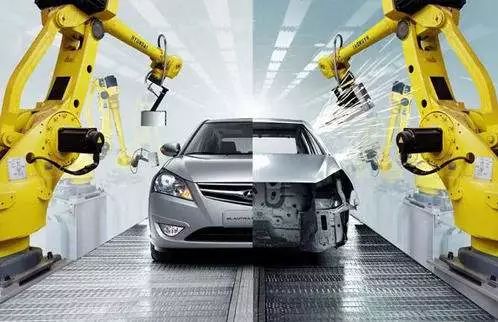
FANUC is a professional manufacturer of CNC systems. Its industrial robots are unique compared to other companies in that they offer more convenient process control, smaller base sizes for similar robots, and a unique arm design.
Technology: Very High Precision, But Poor Overload Capacity
FANUC’s research on CNC systems can be traced back to 1956, with forward-looking Japanese technology experts foreseeing the arrival of the 3C era and forming research teams. The advantages of CNC systems have been applied to robots, and FANUC’s industrial robots also boast high precision; it is reported that the repeat positioning accuracy of FANUC’s multifunctional six-axis small robots can reach ±0.02mm.
Additionally, FANUC’s industrial robots are unique in that they offer more convenient process control, smaller base sizes for similar robots, and a unique arm design.
It is worth noting that FANUC has applied the blade compensation function of precision machining to its robots, embedding this function into the algorithms, allowing the robot to move inward in a spiral during precision cutting. In contrast, Yaskawa’s robots do not have this function built-in and can only achieve it through secondary development, which has been a point of inconvenience for some customers.
However, FANUC’s robots are not the best in terms of stability; during full-load operation, when the speed reaches 80%, FANUC’s robots will issue alarms, indicating that their overload capacity is not very good. Therefore, FANUC’s advantages lie in light-load, high-precision applications, which is also why its small robots (under 24KG) are bestsellers.
Domestic Market Analysis
FANUC’s strategy is somewhat different from others; it focuses on finding and entering markets with high demand, aiming at the rapidly growing Chinese market. In the Chinese market, 55% of FANUC’s industrial robot sales are used in general manufacturing, with the top three sectors being home appliances, logistics, and electronics. FANUC is currently the largest robot brand by total sales volume, not relying on large customers for sales, adopting an open market strategy.
04
Yaskawa Electric (安川电机)
Founded in 1915, Yaskawa Electric is Japan’s largest industrial robot company, headquartered in Kitakyushu City, Fukuoka Prefecture. In 1977, Yaskawa developed Japan’s first fully electrified industrial robot using its own motion control technology, subsequently developing various automation robots for welding, assembly, painting, and handling, leading the global industrial robot market.
Core Area
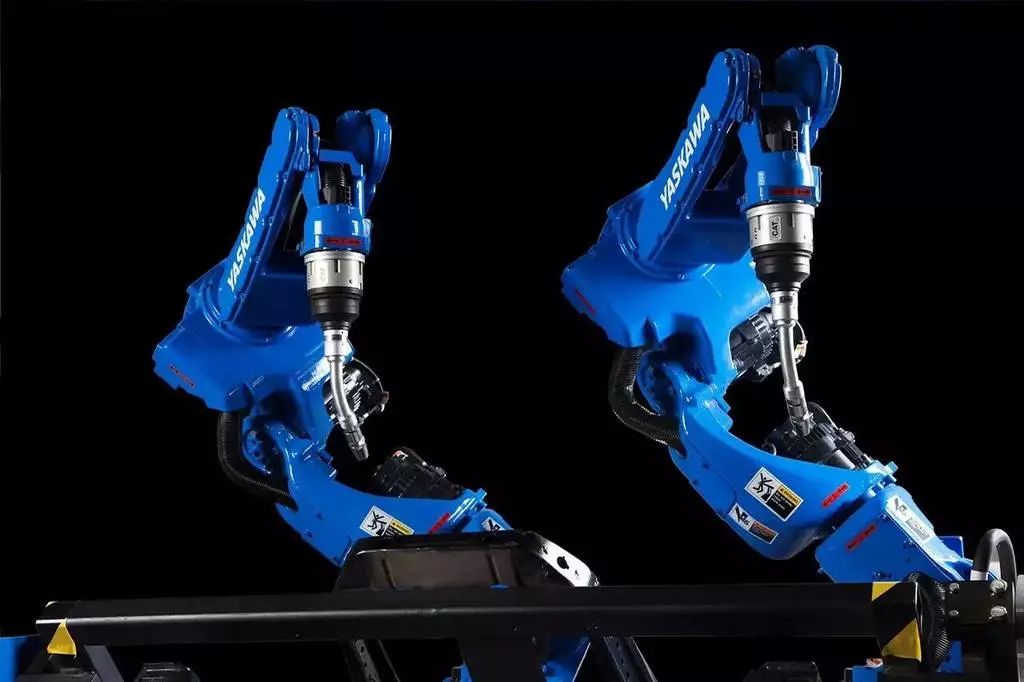
Yaskawa mainly produces servo and motion controllers, which are key components for manufacturing robots. It has developed various automation robots for welding, assembly, spraying, and handling, with core industrial robot products including spot welding and arc welding robots, painting and handling robots, LCD glass panel transfer robots, and semiconductor chip transfer robots, making it one of the earliest manufacturers to apply industrial robots in the semiconductor production field.
Technology: Good Stability, But Slightly Lower Precision
With nearly a century of heritage in electrical motor technology, Yaskawa’s AC servos and frequency converters hold the world’s largest market share. As early as 1977, Yaskawa developed Japan’s first fully electric industrial robot.
Starting from motors, Yaskawa maximizes motor inertia, making the biggest characteristic of Yaskawa’s robots a large load and high stability, which do not issue alarms even during full-load and full-speed operations and can even operate under overload conditions. Therefore, Yaskawa has a relatively large market in heavy-load robot applications, such as the automotive industry.
Compared to FANUC’s robots, Yaskawa’s robots do not have as high precision; on the same price basis, if customers require high precision, they often choose FANUC’s robots. However, Yaskawa’s robots have a clear price advantage, being the lowest priced among the four major brands, offering high cost-performance. Yaskawa’s welding robots, including welding packages, are priced at only 130,000 to 140,000 RMB, compared to Panasonic’s welding robots, Yaskawa follows a mass production approach.
Domestic Market Analysis
In recent years, Yaskawa has made significant moves in the domestic market: establishing new robot centers, increasing factory investments, and forming joint ventures with Midea, aiming to accelerate the realization of localized services. China is a demand-driven market, and Midea is also a home appliance giant, with a huge demand for robots, which can help Yaskawa boost sales.
Yaskawa has been researching service robots, especially in the field of medical robots, but has faced difficulties in the Japanese market. The service robot market in China may bring new growth points. Currently, major robot manufacturers are inclined to seek cooperation with larger application enterprises, and as market competition intensifies, such strategic partnerships are expected to become more frequent.
05
Conclusion
Among industrial robots, European products are the best, with KUKA being the top tier. However, after the four major families entered the Asian market, the quality of ABB robots has declined, while Japan’s Yaskawa and FANUC offer a better cost-performance ratio compared to European and American products, aligning more closely with customer needs in China.
Nowadays, robot manufacturers tend to prefer partnerships with well-known automotive brands, such as Volkswagen only using KUKA, General Motors primarily using FANUC, and European brands favoring ABB, which is closely related to the strategic adjustments of the four major families.
All four families originated from businesses related to the robot industry chain, such as ABB and Yaskawa Electric dealing with electrical equipment and motors, FANUC researching CNC systems, and KUKA initially engaging in welding equipment. Ultimately, their ability to become globally leading comprehensive industrial automation enterprises is due to their mastery of robot bodies and their core components, as well as their commitment to research, leading to integrated development.
Whether due to historical reasons or cultural influences, from the products of these four major robot enterprises, we can see the different development paths chosen by companies in response to market changes, and who can go further will ultimately be determined by the market.
Disclaimer: This article is sourced from the World Advanced Manufacturing Technology Forum, organized and shared by the WeChat public account Intelligent Manufacturing for learning purposes only, not for commercial use. Please indicate the source when quoting or reprinting! If there are any infringements, please contact us ([email protected]) for removal!
 Smart Manufacturing Research Institute
We focus on industrial innovation driven by the “software revolution” and “hardware evolution,” hoping to witness the new intelligent era with everyone!