Cisco Certification | Huawei Certification | IT Technology | Network Engineer👇3000-person technical exchange QQ group Note: [Public Account] Faster access

When we enjoy the convenience brought by the internet, few people think of the behind-the-scenes heroes that make everything possible. Today, we will unveil one of these mysterious roles—ports. Ports play a crucial role in computer networks; they act like a multifunctional post office, ensuring that each letter is accurately delivered to the right recipient.
First, let’s start with the basic concept of ports. In the world of networks, ports can be divided into two types: hardware ports and software ports. Hardware ports are the physical interfaces we can see and touch, such as common Ethernet ports and USB ports. Software ports, on the other hand, are a logical existence, also known as “sockets”; they are like invisible channels used by the operating system to differentiate between different network services and applications.
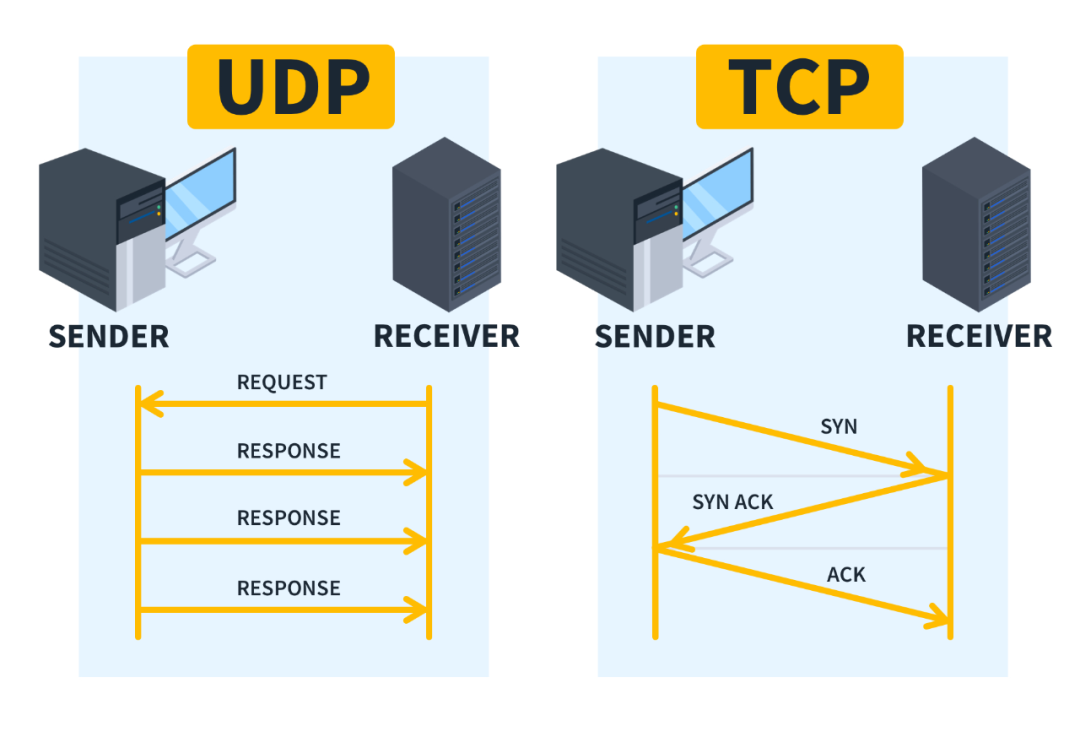
In the TCP/IP protocol model, ports combine with IP addresses to form “socket” pairs, thereby establishing a unique address for each service on the network. Imagine that the IP address is like the address of a building, while the port number is like the room numbers within that building. When you send a letter, the IP address helps the postman find the building, and the port number ensures the letter reaches a specific room, i.e., a particular application.
The allocation of ports is very orderly, and their number range is divided into three parts: well-known ports, registered ports, and dynamic or private ports. Well-known ports are numbered from 0 to 1023, and these ports are fixedly assigned to standard services such as HTTP (port 80) and FTP (port 21), acting like a company’s main switchboard, always waiting on fixed lines. Registered ports range from 1024 to 49151, which are assigned to specific services for users and companies, like dedicated lines for corporate products. As for dynamic or private ports, they range from 49152 to 65535 and are typically used by clients for one-time communications, similar to temporarily rented mobile phones.
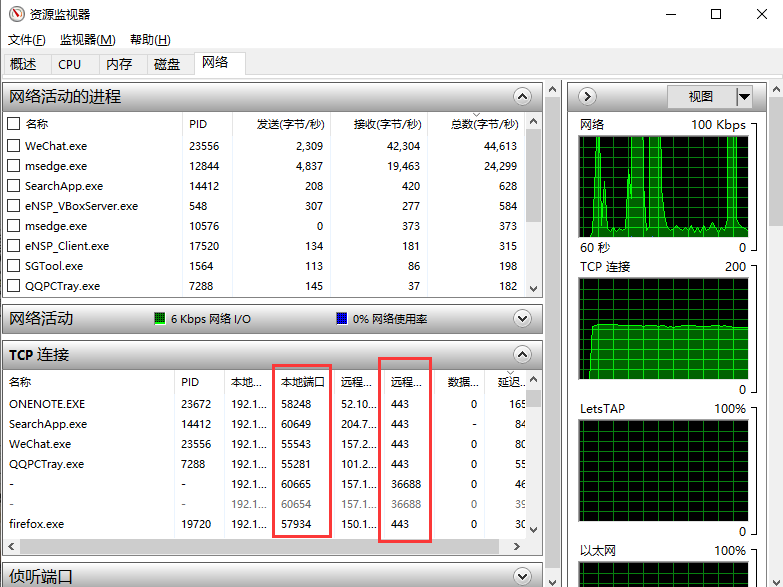
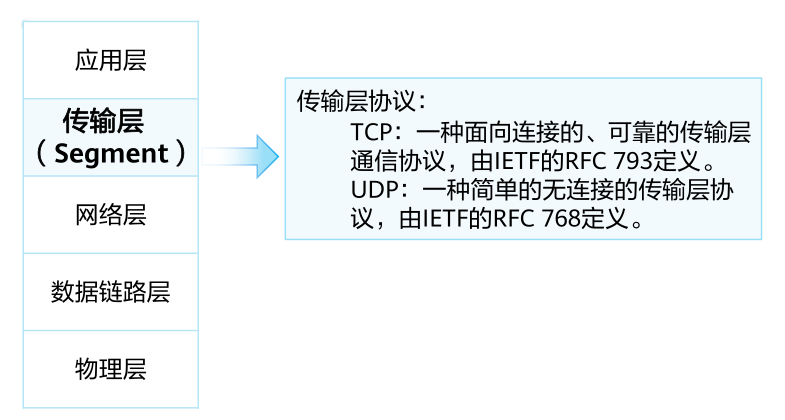
At the transport layer, ports are further divided into TCP ports and UDP ports, which belong to reliable connection-oriented services and unreliable connectionless services, respectively. Although these two types of ports serve differently, they both follow the same port rules to locate specific services.
During our daily internet usage, the role of ports is particularly critical. When you access a website through a browser, your computer sends a request through a randomly assigned high-numbered port, while the website’s server listens on the default HTTP protocol port 80. Once this connection is established, data can freely travel between you.
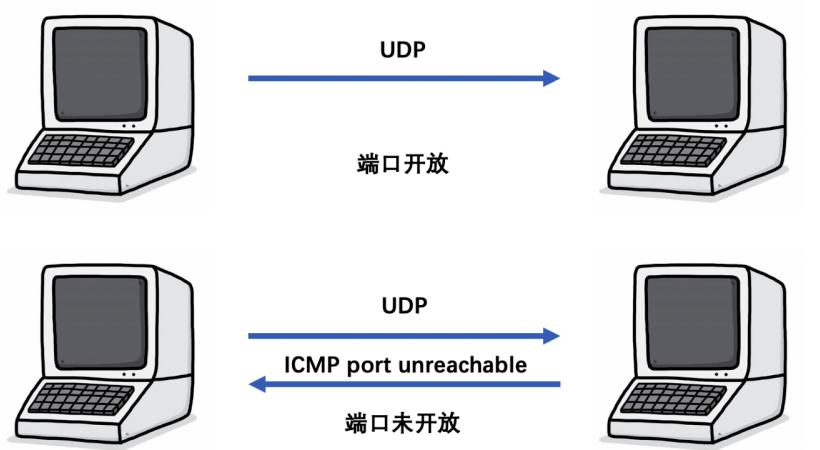
Moreover, ports are the first line of defense for network security. Firewalls can resist external network attacks by controlling the opening and closing of specific ports. Hackers sometimes attempt to scan the open ports of target machines for intrusion opportunities. Therefore, correctly managing and configuring ports is crucial for maintaining network security.
When diagnosing network issues, ports are also an indispensable tool. Network tools such as ping and traceroute can help us confirm whether data packets successfully reach their destination, while port scanners can detect the status and operational conditions of specific ports.
In summary, ports are the guardians of network communication order, ensuring the accuracy and efficiency of information transmission. For each of us using the internet, understanding ports and their working principles is not only about gaining knowledge but also an important step in enhancing network security capabilities. The next time you browse the web or send an email, consider how those unassuming ports are silently supporting your journey through the vast world of the internet.

 Course consultation add: HCIE666CCIE↑ Or scan the QR code above ↑What technical points and content do you want to see?You can leave a message below to let us know!